Source Gym Seated Dip Machine for Fitness Centers, Gyms, and Training
Compare 30 listings for the Gym Seated Dip Machine from suppliers in Shandong, China. Buyers can evaluate specifications, materials, and pricing for commercial fitness applications.
Key considerations
Products List
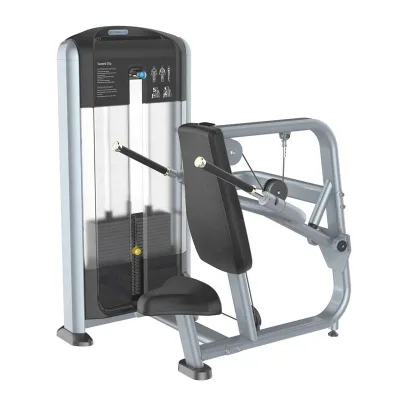
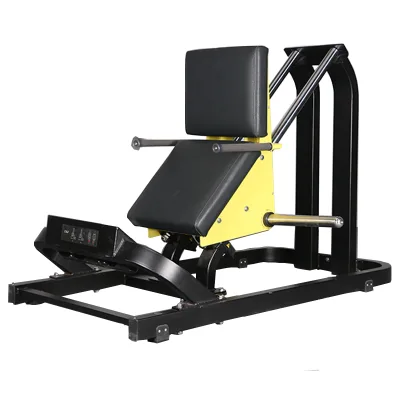
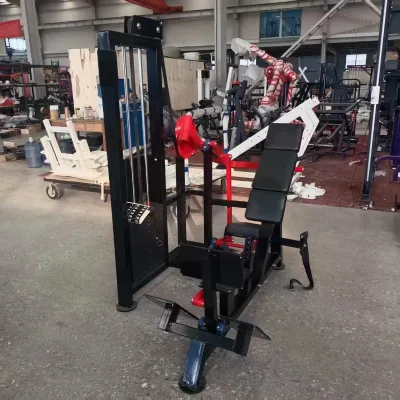
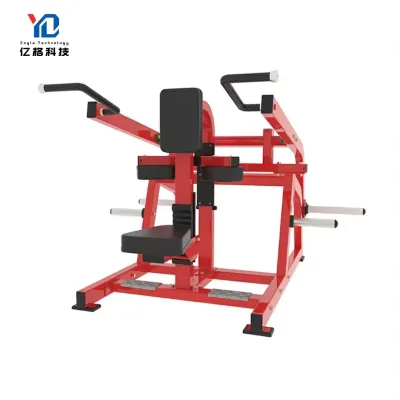
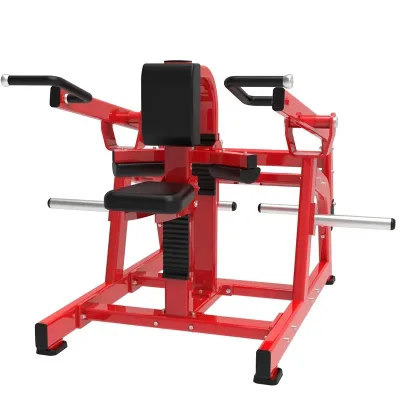
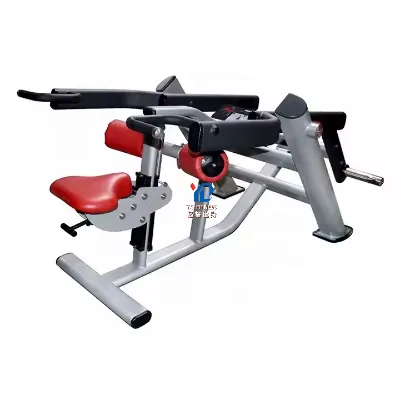
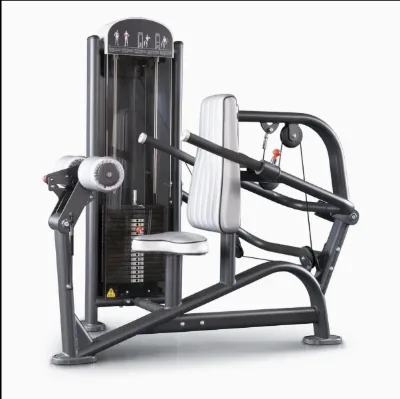
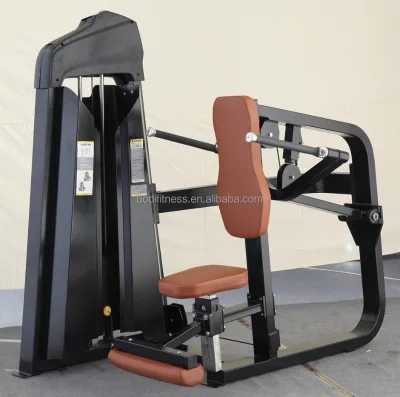

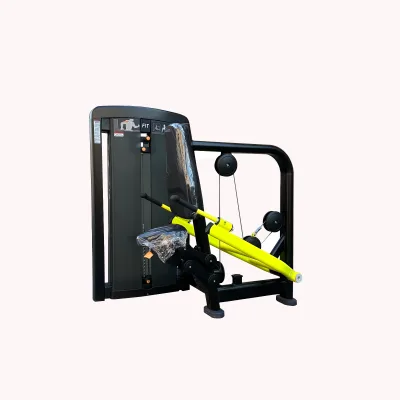
GLSFitness GYM Use Seated Dip Machine Tricep Push Down Machine Pin Loaded Equipment
$532.00 - $730.00
MOQ: 1 pieces


Pin Loaded Machine, Gym Equipment, Fitness Equipment, Gym Machine, Seated DIP
$300.00 - $460.00
MOQ: 1 Pieces


Sports Machine Gym Equipment Exercise Machine Weight Assisted DIP-Chin
$600.00 - $650.00
MOQ: 1 Pieces


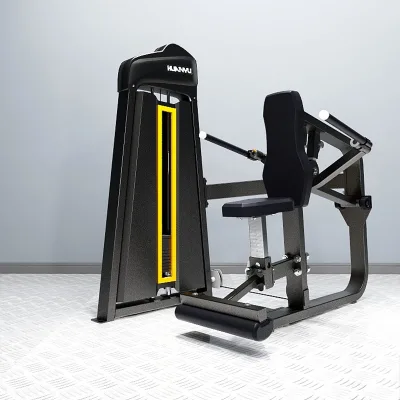
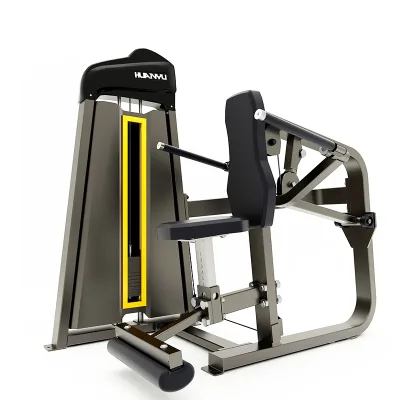


Gym Equipment Hammer Strength Plate Loaded Seated DIP Machine for Fitness
$399.00 - $459.00
MOQ: 1 Pieces

Comprehensive Sourcing Guide
Strategic Sourcing Guide for Gym Seated Dip Machines
Understanding the Core Product Category and Technical Specifications
The Gym Seated Dip Machine is a specialized piece of strength equipment designed to target the triceps, pectorals, and anterior deltoids through a controlled resistance movement. In the context of B2B procurement, understanding the variance in technical specifications is critical, as the market offers a wide spectrum of designs ranging from basic frame structures to comprehensive fitness apparatuses. Based on current market data, these units are primarily constructed from steel tube Q235 or general steel, ensuring the structural integrity required for high-volume commercial use. The material selection directly influences the longevity and safety profile of the equipment, with Q235 steel being a common standard for the primary frame components.
When evaluating the physical footprint of these machines, buyers must account for significant dimensional variability. Observed specifications indicate that models can vary from compact units measuring approximately 1207mm in length to larger commercial-grade versions extending to 1700mm. The width and height also fluctuate, with some models occupying a floor space of 1191mm by 1500mm, while others require a footprint of 1200mm by 1250mm. This variance necessitates careful space planning for fitness centers, especially when arranging equipment to allow for safe user movement and emergency egress. Furthermore, the foldability of these units is a key differentiator; the majority of seated dip machines in the current supply chain are non-foldable, designed as permanent fixtures for commercial gyms rather than home gyms where space is at a premium.
The weight of the equipment is another critical specification that impacts logistics and installation. The single gross weight of these machines can range significantly, with some models weighing around 50kg, while heavy-duty commercial versions can reach up to 300kg. This disparity often correlates with the presence of a weight stack; for instance, specific models feature a 70kg weight stack, whereas others may rely on body weight resistance or different loading mechanisms. The presence of a weight stack adds to the overall unit weight and requires a more robust shipping container, often a wooden case, to prevent damage during transit. Buyers must verify the exact weight and dimensions of the specific model they intend to purchase, as these factors directly influence shipping costs and the structural requirements of the facility floor.
Compliance, Certification, and Regulatory Standards
In the international B2B market for fitness equipment, compliance with safety and quality standards is non-negotiable. The primary certification observed in the supply chain for these products is the combination of CE and ISO9001. The CE marking indicates conformity with health, safety, and environmental protection standards for products sold within the European Economic Area, while ISO9001 signifies that the manufacturer adheres to a recognized quality management system. However, buyers should treat these certifications as observations of specific supplier capabilities rather than universal guarantees for every listed product. It is imperative to request valid certification documents for the specific batch or model being procured to ensure that the equipment meets the regulatory requirements of the destination market.
The classification of the product for customs and trade purposes is standardized under the HS Code 9506911900. This code specifically covers general sports equipment and is essential for accurate tariff calculation and import documentation. Misclassification can lead to customs delays, fines, or incorrect duty assessments. Additionally, the product is categorized under "Strength Equipment" and "Exercise Muscle" functionality, which helps in defining the scope of the purchase order and aligning it with industry standards for commercial fitness centers.
Buyers must also verify the origin of the goods, as the Place of Origin is frequently listed as Shandong, China. This region is a known manufacturing hub for fitness equipment, but it does not guarantee uniform quality across all suppliers. The origin affects the logistics chain, including lead times and shipping routes. While the supply chain data indicates a consistent origin, the specific factory location within the region can impact the efficiency of production and the reliability of delivery schedules. Therefore, due diligence should include verifying the specific manufacturing facility's capacity and track record rather than relying solely on the regional designation.
Cost Drivers and Pricing Dynamics
The pricing of gym seated dip machines is influenced by a complex interplay of material costs, manufacturing complexity, and shipping logistics. The observed price range in the market spans from 300 to 968 USD, reflecting the diversity in product quality, features, and brand positioning. Several factors drive these costs. First, the material composition plays a significant role; machines utilizing high-grade steel tubes and robust welding techniques command higher prices than those with lighter gauge steel. Second, the inclusion of a weight stack, such as the 70kg stack found in certain models, adds to the material and assembly costs, pushing the price toward the higher end of the spectrum.
Shipping and packaging costs are also major cost drivers. The single package size varies considerably, with dimensions ranging from 100x60x30 cm to 164x90x193.7 cm. Larger packages require more freight space and often necessitate wooden case packaging to ensure safety during transit, which increases the overall landed cost. The single gross weight, ranging from 50kg to 300kg, further impacts freight charges, as heavier shipments incur higher shipping fees. Buyers should calculate the total landed cost, including freight, insurance, and duties, rather than focusing solely on the unit price.
The Minimum Order Quantity (MOQ) is another critical factor affecting the cost structure. The market shows an MOQ range from 1 set to 5 pieces. While some suppliers offer a low MOQ of 1 set, allowing for smaller initial investments, others may require orders of 5 pieces or more. Higher MOQs often result in better per-unit pricing due to economies of scale in production and shipping. However, for buyers with limited capital or those testing a new market, a lower MOQ supplier may be more suitable despite a higher per-unit cost. The selling units are typically listed as single items, meaning the price is per unit, but the MOQ dictates the minimum purchase volume.
Typical Applications and Usage Scenarios
The application of gym seated dip machines is primarily focused on commercial fitness environments, including commercial gyms, fitness centers, and hotels. The product is designed for "Body Building Fitness" and "Indoor Sport," making it a staple in facilities dedicated to strength training and muscle development. The target demographic is unisex, catering to a broad range of users regardless of gender. The versatility of the machine allows it to be used for various exercises, including dips for the triceps and chest, as well as general strength training.
The feature set of these machines often includes "Muscle Relex Apparatus" and "Comprehensive Fitness Exercise" capabilities, indicating that they are designed to provide a complete workout experience. The classification by exerciser number is typically set to 1, meaning these are single-user stations. This design is ideal for commercial settings where multiple machines are available to serve a high volume of members, reducing wait times during peak hours. The application extends to "Commercial Use," implying that the equipment must withstand heavy usage and frequent operation.
Buyers should consider the specific needs of their facility when selecting a model. For example, a high-end commercial gym might prioritize machines with a weight stack and robust construction, while a smaller boutique studio might opt for a lighter, more compact unit. The color options, which include silver, white, black, gray, gold, and yellow, allow for customization to match the interior design of the facility. The ability to customize the logo is also a significant feature for commercial buyers, enabling branding opportunities that enhance the professional image of the fitness center.
Supplier Evaluation and Selection Criteria
Selecting the right supplier for gym seated dip machines requires a rigorous evaluation process that goes beyond price comparison. The brand names observed in the market, such as Eagle Fitness and YG FITNESS, indicate established players, but buyers should not rely solely on brand reputation. Instead, they should verify the supplier's production capacity, quality control processes, and after-sales support. The presence of a "Customized Logo Available" feature suggests that the supplier is willing to engage in OEM or ODM relationships, which is a positive indicator of flexibility and customer service.
When evaluating suppliers, buyers should request detailed product specifications, including the exact model number, dimensions, and weight. The model numbers, such as EGN-3016, 4068, and YG-4068, serve as unique identifiers for specific product configurations. Buyers must ensure that the model number on the purchase order matches the actual product specifications to avoid receiving incorrect equipment. Additionally, the supplier's ability to provide a wooden case for packing is crucial for protecting the equipment during long-distance shipping.
The supplier's location in Shandong, China, is a common factor, but buyers should verify the specific factory's capabilities. A supplier with a dedicated production line for strength equipment is more likely to deliver consistent quality than a general trading company. Buyers should also check the supplier's response time and communication efficiency, as these factors can impact the overall procurement experience. The ability to provide a customized logo and color options further demonstrates the supplier's commitment to meeting specific buyer requirements.
Quality Control and Long-Term Procurement Considerations
Quality control is paramount when sourcing gym seated dip machines, as the equipment must meet high safety and durability standards. Buyers should implement a quality control plan that includes pre-shipment inspections, material verification, and functional testing. The inspection should focus on the structural integrity of the steel frame, the smoothness of the movement mechanism, and the stability of the weight stack (if applicable). The single gross weight and package dimensions should be verified to ensure they match the provided specifications, as discrepancies can indicate quality issues or packaging errors.
Long-term procurement considerations include the availability of spare parts and the supplier's warranty policy. Given the heavy usage in commercial settings, components such as bearings, cables, and weight plates may require replacement over time. Buyers should inquire about the availability of spare parts and the lead time for their delivery. A supplier that offers a comprehensive warranty and readily available spare parts is more likely to provide a better long-term value proposition.
The customization options, such as logo and color, should be finalized early in the procurement process to avoid delays. The "Customized Logo Available" and "Color: Customerized" features allow buyers to tailor the equipment to their brand identity, but these customizations require additional production time. Buyers should factor this into their lead time planning and ensure that the supplier can meet the required delivery schedule.
Final Procurement Strategy and Decision Framework
To conclude, sourcing gym seated dip machines requires a balanced approach that considers technical specifications, compliance, cost, and supplier reliability. Buyers should start by defining their specific needs, including the required dimensions, weight capacity, and customization options. They should then evaluate potential suppliers based on their certification status, production capacity, and ability to meet the MOQ requirements. The price range of 300 to 968 USD provides a broad spectrum of options, but buyers should focus on the total landed cost rather than the unit price alone.
The decision framework should include a thorough review of the product specifications, ensuring that the model number, dimensions, and weight match the buyer's requirements. Buyers should also verify the certification status and origin of the goods to ensure compliance with local regulations. Finally, the supplier's ability to provide high-quality packaging and after-sales support should be a key factor in the final selection. By following this structured approach, buyers can secure reliable, high-quality gym seated dip machines that meet the demands of their fitness centers and provide long-term value.
FAQs
What certifications do gym seated dip machines typically have?
Most units carry CE and ISO9001 certifications to ensure safety and quality management. These marks indicate compliance with European standards and international quality systems, though buyers should verify specific batch documentation before purchase.
Which dimensions are common for commercial gym seated dip machines?
Dimensions vary significantly, with some models measuring 1207 by 1191 by 1500 mm while others reach 1700 by 1200 by 1250 mm. Buyers must check specific model numbers to ensure the equipment fits their facility space.
Can I customize the logo and color on these machines?
Yes, customized logos and colors are available for most models to match your brand identity. Suppliers typically offer options in silver, white, black, gray, gold, or yellow, allowing for tailored interior design integration.
What is the typical minimum order quantity for these machines?
Minimum order quantities range from 1 set to 5 pieces depending on the supplier and model. Lower MOQs allow for smaller initial investments, while higher volumes may secure better per-unit pricing through economies of scale.
How heavy are the gym seated dip machines for shipping?
Single gross weights range from 50 kg for lighter units up to 300 kg for heavy-duty commercial versions. This variance affects shipping costs and often correlates with the inclusion of a 70 kg weight stack.
Where are these gym seated dip machines manufactured?
The primary place of origin for these products is Shandong, China, a known manufacturing hub for fitness equipment. Buyers should verify specific factory capabilities within this region to ensure consistent quality and reliable delivery schedules.