Source Gym Slam Medicine Ball for Strength Training, Yoga, and Home Workouts
Compare 30 listings for Gym Slam Medicine Ball options featuring rubber construction, customizable logos, and weights ranging from 1kg to 85kg. Buyers can evaluate specifications including diameter, certifications like CE and RoHS, and delivery times from Chinese manufacturers.
Key considerations
Products List


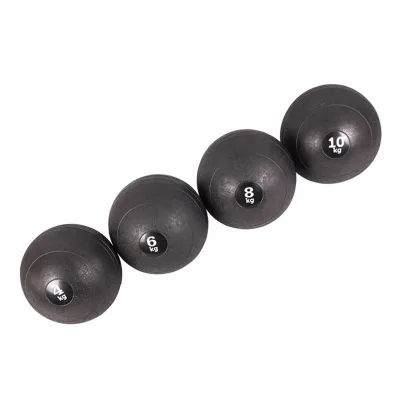


Cheap Medicine Ball Slam Ball for Gym Fitness Cross Training Core Exercises
$3.15 - $3.55
MOQ: 50 Pieces




Comprehensive Sourcing Guide
Strategic Sourcing Guide for Gym Slam Medicine Balls
The global market for functional fitness equipment has seen a significant surge in demand for slam medicine balls, driven by the popularity of high-intensity interval training (HIIT) and CrossFit-style workouts. For procurement professionals and B2B buyers, navigating this category requires a rigorous understanding of technical specifications, material integrity, and supply chain logistics. This guide synthesizes observed market data and industry standards to provide a disciplined framework for sourcing high-quality slam medicine balls. The focus remains on evidence-based criteria, ensuring that procurement decisions are grounded in verifiable product attributes rather than marketing assertions.
Technical Specifications and Material Composition
The foundation of a reliable slam medicine ball lies in its construction materials and dimensional consistency. Unlike traditional weighted balls, slam balls are designed to withstand repeated impact against hard surfaces without bouncing. The primary material observed in the current market is rubber, a choice dictated by the need for high durability and shock absorption. Buyers must verify that the rubber compound is specifically formulated to resist tearing and abrasion, as the surface of the ball will endure significant mechanical stress during use.
Dimensional specifications are critical for both user experience and inventory management. Market data indicates a range of diameters, with common sizes including 23cm, 28cm, and 32.5cm. These dimensions often correlate with weight classes, though the relationship is not always linear across all manufacturers. For instance, specific product models demonstrate a standard where a 1-2kg ball corresponds to a 19cm diameter, while a 6-10kg ball may measure 28.6cm. Other models present a diameter of 23cm or 28cm as a standard offering. Procurement teams must ensure that the supplier provides a clear matrix linking weight to diameter, as this affects the ball's center of gravity and handling characteristics.
Weight ranges are another pivotal specification. The observed market data supports weight standards ranging from 1kg to 10kg, with some specialized models extending up to 85kg or 150lb. This broad spectrum allows buyers to cater to diverse client bases, from beginners to elite athletes. It is essential to note that weight accuracy is a key performance indicator; deviations from the stated weight can compromise training consistency. Buyers should request sample units to verify that the internal filling, often sand or a similar dense medium, is evenly distributed to prevent shifting during dynamic movements.
Compliance, Certification, and Safety Standards
In the B2B sector, compliance is not merely a formality but a prerequisite for market access and liability protection. When sourcing slam medicine balls, buyers must prioritize suppliers who can provide documented evidence of adherence to international safety and chemical standards. The supply chain data highlights specific certifications such as California Proposition 65 (Ca 65) and REACH, which are critical for products sold in North America and the European Union. These certifications verify that the rubber and any other materials used do not contain harmful levels of phthalates, heavy metals, or other restricted substances.
Furthermore, broader regulatory compliance often includes CE marking and RoHS (Restriction of Hazardous Substances) directives. These standards ensure that the product meets the safety, health, and environmental protection requirements for products sold within the European Economic Area. For buyers targeting the US market, the presence of a California 65 warning or compliance statement is often mandatory. It is vital to treat these certifications as non-negotiable requirements rather than optional features. Procurement teams should explicitly request valid test reports from accredited laboratories to confirm that the current production batch meets these standards.
Safety also extends to the physical integrity of the product. While certifications cover chemical safety, the mechanical safety of the ball is equally important. The product must be designed to prevent bursting or fragmentation upon impact. Buyers should inquire about the specific testing protocols used by the manufacturer to validate the ball's ability to withstand repeated slamming without structural failure. This includes verifying that the stitching or molding process creates a seamless, robust outer shell capable of containing the internal weight.
Cost Drivers and Pricing Dynamics
Understanding the cost structure of slam medicine balls is essential for budgeting and margin analysis. The observed price range in the market spans from $2.60 to $60.00 USD, a variance that reflects differences in material quality, weight, and manufacturing complexity. Several key factors drive these costs. First, the type and grade of rubber used significantly impact the price. High-grade, anti-tear rubber compounds are more expensive but offer superior longevity, reducing the total cost of ownership for the end-user.
Second, the weight of the ball is a primary cost driver. Heavier balls require more raw material and often involve more complex filling processes to ensure weight accuracy and distribution. The data shows weight standards ranging from 1kg up to 85kg, with heavier units naturally commanding higher prices. Third, customization plays a substantial role in cost. Options such as custom logos, specific color schemes (e.g., Black, Blue, Red, or Silver), and tailored packaging increase production complexity and unit cost.
Minimum Order Quantity (MOQ) is another critical financial variable. The market observes an MOQ range from 1 to 1000 units. Lower MOQs offer flexibility for startups or testing phases but often come with a higher per-unit cost due to setup fees and lower economies of scale. Conversely, larger orders typically secure better pricing but require significant capital outlay and storage capacity. Buyers must balance their cash flow constraints with the need for inventory depth, considering that lead times for production can range from 25 to 50 days. This extended lead time necessitates careful inventory planning to avoid stockouts during peak demand periods.
Typical Applications and User Demographics
Slam medicine balls are versatile tools designed for a wide array of applications, making them suitable for various market segments. The primary usage is strength training and functional fitness, where the ball is used for explosive movements, core conditioning, and full-body workouts. The product attributes indicate suitability for both indoor and outdoor environments, expanding their utility to parks, community centers, and home gyms.
The target demographic is predominantly adults, with the product categorized for unisex use. This broad appeal allows buyers to stock a single SKU that serves a diverse customer base. The application extends beyond professional gyms to include home use, community parks, and rehabilitation centers. The "Body Building" and "Strength Training" functions highlight the ball's role in muscle development and power generation. Additionally, the "Portable" and "Eco-Friendly" features make these balls attractive for mobile fitness programs and environmentally conscious consumers.
The specific exercise parts targeted include the arms, core, and legs, depending on the workout routine. This versatility is a key selling point for B2B buyers supplying equipment to multi-purpose facilities. The product's ability to be used in various settings, from home gyms to large gymnasiums, underscores its value proposition. Buyers should consider the durability requirements of different environments; for instance, balls used in outdoor parks may require higher resistance to UV exposure and temperature fluctuations compared to those used indoors.
Supplier Evaluation and Quality Control Protocols
Selecting the right supplier is a critical step in the procurement process. The supply chain data indicates that manufacturers are located in key production hubs such as Jiangsu and Anhui in China. While these regions are known for their manufacturing capabilities, buyers must conduct thorough due diligence to ensure quality consistency. Key evaluation criteria should include the supplier's capacity for OEM (Original Equipment Manufacturer) and ODM (Original Design Manufacturer) services, as customization is a common requirement in this market.
Quality control must be integrated into the entire production lifecycle. Buyers should verify that the supplier has established protocols for inspecting raw materials, monitoring the molding or stitching process, and conducting final product testing. The "Eco-Friendly" and "Durable" attributes observed in the market data suggest that suppliers should have specific processes to ensure material sustainability and product longevity. This includes checking for defects in the rubber surface, verifying weight accuracy, and testing the ball's resistance to impact.
Sample availability is another crucial factor in supplier evaluation. The market data confirms that samples are available, allowing buyers to physically assess the product before committing to a large order. Buyers should request samples that represent the actual production batch to evaluate the feel, weight distribution, and overall build quality. Additionally, suppliers should be able to provide detailed information on their packaging standards, such as the use of polybags and brown cartons, to ensure the product arrives in pristine condition.
Long-Term Procurement and Supply Chain Considerations
Sourcing slam medicine balls is not a one-time transaction but a strategic partnership that requires long-term planning. Lead times, observed to range from 25 to 50 days, necessitate advanced forecasting and inventory management. Buyers must account for potential delays in production or shipping, especially when dealing with custom orders or high-volume requests. Establishing a reliable relationship with a supplier who can consistently meet delivery timelines is essential for maintaining business continuity.
Sustainability is increasingly becoming a core consideration in B2B procurement. The "Eco-Friendly" feature observed in the product attributes indicates a market trend toward environmentally responsible manufacturing. Buyers should inquire about the supplier's practices regarding waste reduction, material sourcing, and energy efficiency in production. This not only aligns with corporate social responsibility goals but also appeals to a growing segment of eco-conscious consumers.
Furthermore, the customization capabilities of the supplier offer opportunities for brand differentiation. With options for custom logos, colors, and packaging, buyers can create a unique product identity that resonates with their specific target audience. However, customization adds complexity to the supply chain, requiring clear communication of design specifications and approval processes. Buyers should ensure that the supplier has the flexibility to accommodate design changes while maintaining quality standards and delivery schedules.
In conclusion, sourcing gym slam medicine balls requires a comprehensive approach that balances technical specifications, compliance, cost, and supply chain reliability. By adhering to the evidence-based criteria outlined in this guide, buyers can make informed decisions that mitigate risk and ensure the delivery of high-quality products to their customers. The focus on verified standards, material integrity, and supplier capabilities will ultimately lead to a successful and sustainable procurement strategy in this dynamic market.
FAQs
What materials are used for gym slam medicine balls?
The primary material used is rubber, selected for its high durability and shock absorption capabilities. This construction ensures the ball withstands repeated impact against hard surfaces without bouncing or tearing during intense workouts.
Which certifications are required for these balls?
Products must comply with safety standards such as California Proposition 65, REACH, CE, and RoHS. These certifications verify that materials do not contain harmful substances like phthalates or heavy metals for safe use in North America and Europe.
How can I customize the logo and color?
Customized logos and colors like black, blue, red, or silver are available upon request. Buyers can specify unique branding and color schemes to match their corporate identity or specific product line requirements.
What is the typical lead time for orders?
The standard delivery time ranges from 25 to 50 days depending on order volume and customization needs. Buyers should plan inventory accordingly to avoid stockouts during peak demand periods due to this production duration.
Can I order samples before bulk production?
Yes, samples are available for physical assessment of quality, weight distribution, and build integrity. This allows buyers to verify product specifications before committing to large orders with minimum quantities ranging from one to one thousand units.
What weight ranges are available for these balls?
Weights range from 1kg to 10kg for standard models, with specialized units extending up to 85kg. Specific diameters correlate with weight classes, ensuring proper handling characteristics for different training intensities and user demographics.