Source Halal Food Grade Cake Sprinkles for Baking
Source Halal Food Grade Cake Sprinkles from 30 verified suppliers in China. Compare options for dessert decoration, bakery applications, and bulk packaging. Evaluate specifications including 25kg bags, ISO certification, and 18-month shelf life to find the right fit for your production needs.
Updated
Key considerations
Products List


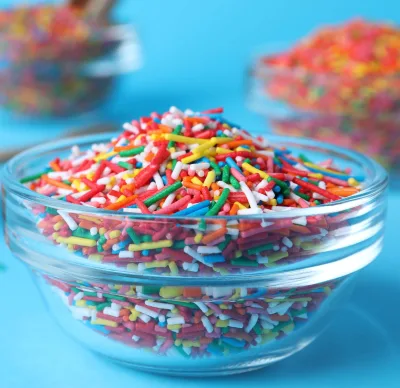
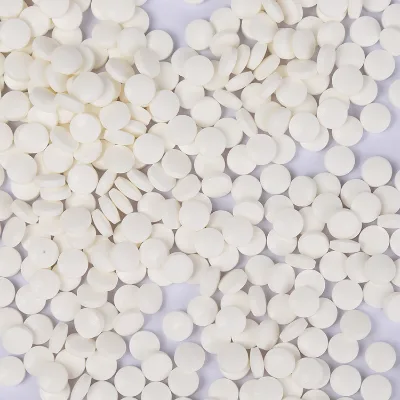
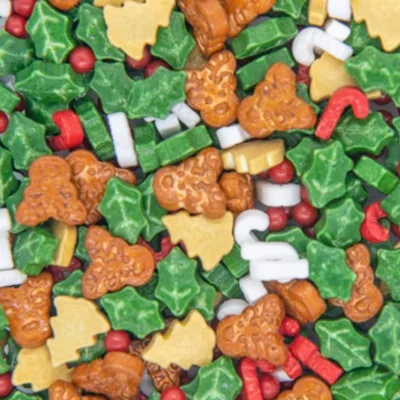
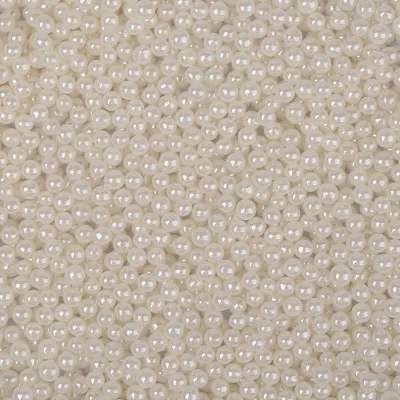
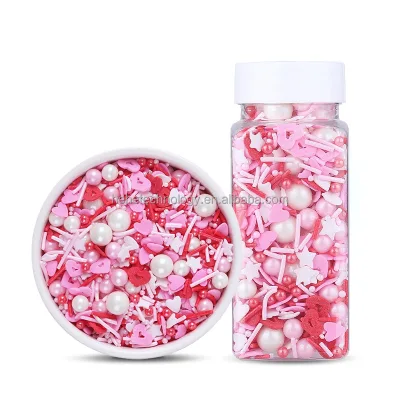
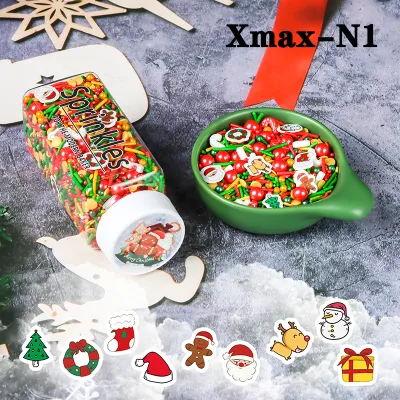
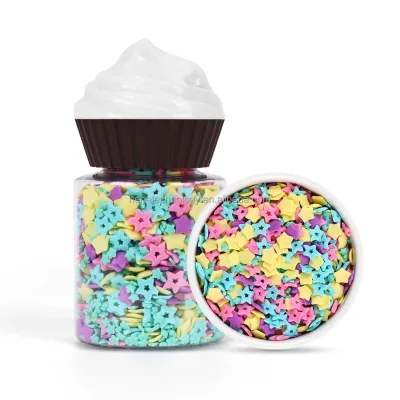
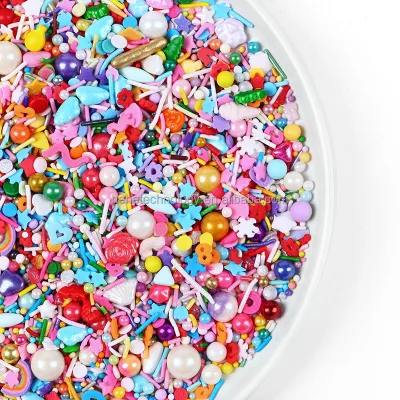
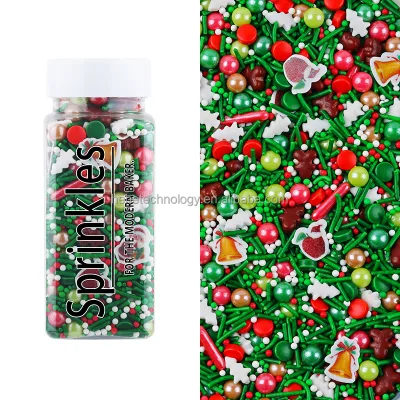
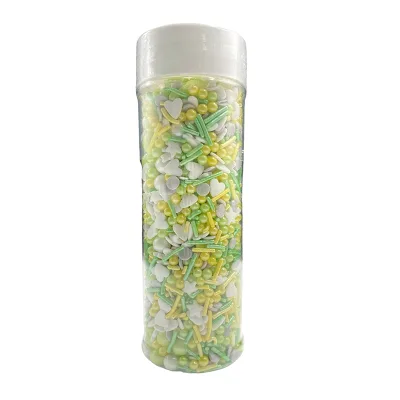


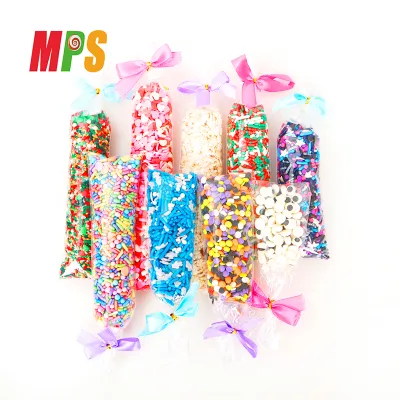
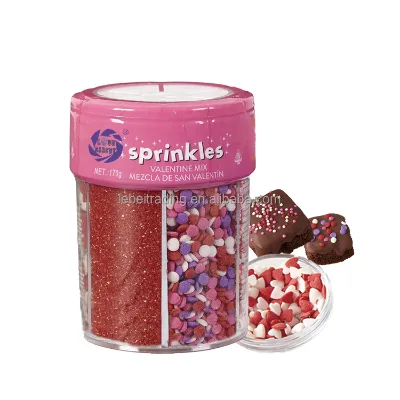
Comprehensive Sourcing Guide
Halal Food Grade Cake Sprinkles Sourcing Guide
Sourcing halal-certified cake sprinkles requires a disciplined approach to verifying both religious compliance and food safety standards. Buyers must ensure that suppliers provide valid halal certificates from recognized authorities, as this is non-negotiable for markets with strict dietary laws. The product range typically includes solid, dry sprinkles designed for dessert decoration, with packaging options ranging from 25kg bags to bulk or OEM packing. It is critical to confirm that the artificial colors and ingredients used are free from haram substances, such as alcohol or pork-derived gelatin, which are common contaminants in generic food additives.
Procurement teams should also evaluate the supplier’s ability to customize colors and formulations to meet specific brand requirements. Many manufacturers offer customizable standards and packaging solutions, allowing for tailored branding while maintaining consistent quality. The observed market indicates a wide range of minimum order quantities, from small trial orders to large industrial batches, providing flexibility for different business scales. However, buyers must verify that the customization process does not compromise the halal integrity of the final product, ensuring that all new ingredients and processing aids remain compliant with religious dietary guidelines throughout the supply chain.
Product Scope and Observed Listing Signals
The current market landscape for cake sprinkles shows a diverse array of product attributes, primarily focused on food-grade applications. Listings frequently highlight features such as natural resources, nutritional value, and specific usage for cake and dessert decoration. The physical form is consistently described as solid, with storage requirements emphasizing dry, room-temperature conditions to maintain shelf life, which is often cited as 18 months to two years. These signals help buyers identify products suitable for long-term inventory management and stable distribution channels without requiring complex cold-chain logistics.
Packaging and branding details vary significantly across suppliers, with options including 25kg bags, bottles, and bulk OEM packing. Some suppliers specify single package sizes and selling units, which aids in calculating logistics costs and warehouse space requirements. The presence of artificial colors is a common attribute, indicating that vibrant hues are achieved through synthetic pigments rather than natural extracts. Buyers should carefully review these listing signals to ensure they align with their specific product positioning, whether targeting premium natural markets or cost-sensitive mass-market segments, while noting that not all listed products may satisfy every observed attribute simultaneously.
Technical Specifications to Verify
Technical verification begins with confirming the food-grade status of all raw materials and finished products. Buyers must request detailed specifications for the sprinkles, including particle size, density, and solubility, to ensure they perform correctly during application on baked goods. The model numbers and single package sizes provided by suppliers should be cross-referenced with actual product samples to verify consistency. It is essential to confirm that the production environment meets hygiene standards, as contamination risks can arise from improper handling of dry ingredients in shared facilities.
Storage and shelf-life claims must be validated through independent testing or supplier-provided stability data. The observed shelf life of 18 months to two years requires confirmation that the packaging provides adequate protection against moisture and light. Buyers should also verify the lead time for production, which is often cited as seven days, to ensure it aligns with their supply chain schedules. Additionally, the instruction for use, typically labeled for the food industry or edible applications, should be reviewed to ensure it matches the intended end-use, preventing misuse or safety issues in the final consumer product.
Compliance and Safety Documentation
Compliance documentation is the cornerstone of sourcing Halal Food Grade Cake Sprinkles. Buyers must obtain and verify current halal certificates from accredited bodies, ensuring they cover all ingredients, including artificial colors and processing aids. ISO certification is another critical document to request, as it indicates adherence to international quality management standards. These certifications provide assurance that the supplier has robust systems in place to prevent cross-contamination and maintain product integrity throughout the manufacturing process.
In addition to religious and quality certifications, buyers should request safety data sheets and ingredient lists to verify the absence of prohibited substances. The content of the sprinkles, often described as cake decoration or baking decoration, must be fully transparent to allow for thorough risk assessment. Suppliers should also provide evidence of their storage practices, ensuring that products are kept in dry places to prevent spoilage. Verifying these documents helps mitigate legal and reputational risks, ensuring that the final product meets all regulatory and religious requirements in the target market.
Cost Drivers and Commercial Terms
Cost structures for cake sprinkles are influenced by several factors, including raw material prices, packaging complexity, and order volume. The observed price range of 0.1 to 7.62 USD per unit suggests significant variation based on quality, branding, and customization levels. Buyers should analyze the cost breakdown to understand how much is attributed to ingredients versus packaging and logistics. High MOQs, such as 1000kg or 120kgs per color, can lead to economies of scale but require careful inventory planning to avoid excess stock and potential waste.
Commercial terms, including lead times and payment conditions, play a crucial role in total cost of ownership. A lead time of seven days is common, but buyers should confirm if this applies to standard or customized orders. Sample availability is often indicated as available, allowing for quality verification before committing to large orders. Buyers should negotiate terms that balance cost efficiency with supply chain flexibility, ensuring that they can respond to market demand without incurring excessive holding costs or rush fees. Understanding these drivers helps in making informed decisions that align with budget constraints and operational needs.
Supplier Qualification and Quality Control
Supplier qualification involves a thorough assessment of manufacturing capabilities, quality control systems, and ethical practices. Buyers should visit facilities or request detailed audits to verify that production lines are dedicated or properly sanitized to prevent cross-contamination. The brand names and addresses provided, such as Renze in Shanghai or Bekerydeco in Fujian, should be cross-checked for legitimacy and operational history. Quality control processes must include rigorous testing for color consistency, particle size, and microbial safety to ensure product reliability.
Quality control extends to incoming raw materials and outgoing finished goods. Buyers should require suppliers to implement strict incoming inspection protocols for ingredients, particularly artificial colors and sugars. Outgoing inspections should verify packaging integrity, labeling accuracy, and compliance with halal standards. Regular quality audits and performance reviews are essential to maintain high standards over time. By focusing on these qualification and control measures, buyers can build a resilient supply chain that delivers consistent, high-quality products that meet both regulatory and consumer expectations.
Long-Term Procurement Checks
Long-term procurement success depends on continuous monitoring of supplier performance and market trends. Buyers should establish key performance indicators for delivery reliability, product quality, and compliance adherence. Regular reviews of halal certificates and ISO certifications are necessary to ensure they remain valid and up-to-date. Market fluctuations in raw material prices should be tracked to anticipate cost changes and adjust procurement strategies accordingly. Building strong relationships with suppliers can lead to better pricing and priority service during peak demand periods.
Additionally, buyers should stay informed about evolving regulatory requirements and consumer preferences in the halal food market. Changes in labeling laws or ingredient restrictions may require adjustments to product specifications and sourcing strategies. Engaging in regular communication with suppliers about future product developments and sustainability initiatives can help align procurement goals with broader business objectives. By maintaining a proactive approach to long-term checks, buyers can ensure a stable, compliant, and cost-effective supply of Halal Food Grade Cake Sprinkles, supporting sustained business growth and customer satisfaction.
FAQs
What is the shelf life of these cake sprinkles?
The shelf life is typically 18 months to 2 years when stored correctly. You must keep the product in a dry place at room temperature to maintain quality. This ensures the artificial colors and solid form remain stable for food industry applications and dessert decoration purposes without degradation.
Can I customize the color and packaging for bulk orders?
Yes, customization is available for both color and packaging options. Buyers can select specific colors to match their branding needs. Packaging choices include 25kg bags, bottles, or bulk OEM packing. This flexibility supports large-scale production requirements for cake decoration and other edible applications in the food industry.
What is the minimum order quantity for these sprinkles?
The minimum order quantity varies by supplier, ranging from 25kg to 1000kg. Some vendors require 120kgs per color or item, while others accept smaller bulk orders. Buyers should verify the specific MOQ with the manufacturer before placing an order to ensure it aligns with their procurement volume and budget constraints.
Are these sprinkles suitable for food grade applications?
Yes, these sprinkles are explicitly labeled as food grade and suitable for edible use. They are designed for cake decoration and dessert applications. The product contains artificial colors and is manufactured under standards that support food industry requirements, ensuring safety and compliance for professional baking and confectionery decoration tasks.
How long is the lead time for production?
The standard lead time for production is approximately 7 days. This duration applies to most orders once confirmed. Buyers should account for this timeframe when planning their inventory. Faster delivery may depend on stock availability and specific customization requirements agreed upon with the supplier during the ordering process.
Where are these cake sprinkles manufactured?
These sprinkles are manufactured in China, with origins in regions such as Zhejiang, Guangdong, and Fujian. Suppliers are often located in Shanghai or nearby industrial areas. This geographic concentration allows for efficient logistics and sourcing. Buyers can expect products to originate from these established manufacturing hubs in China.