Liquid Edible Cake Colors Suppliers and Manufacturers in China
Explore 23 verified options for Liquid Edible Cake Colors from Guangdong factories. Compare response times, lead times, MOQs, and product features like eco-friendly materials and food-grade certifications. Contact suppliers directly to request samples and confirm pricing details; review the available evidence before requesting comparable quotations from suitable candidates.
Suppliers List
Guangzhou Chenghi Technology Co., Ltd.
- Manufacturer, Trading Company
- Guangdong, China
- Lead time7 days
- Avg. response≤ 3h
Main productsCake decorating tools,baking tools,Kitchen supplies,cake tools
Main marketsDomestic Market(26.00%), North America(15.00%), Western Europe(8.00%), Africa(8.00%), Mid East(8.00%), Eastern Europe(8.00%), Southern Europe(6.00%), Northern Europe(5.00%), South America(5.00%), Southeast Asia(5.00%), South Asia(4.00%), Oceania(1.00%), Eastern Asia(1.00%)
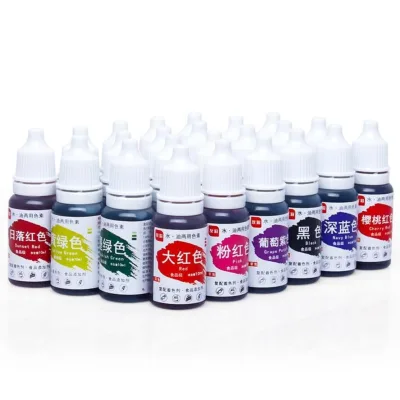
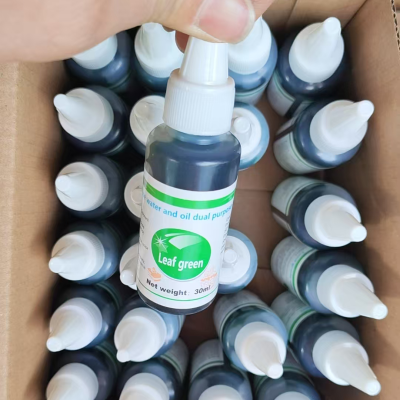
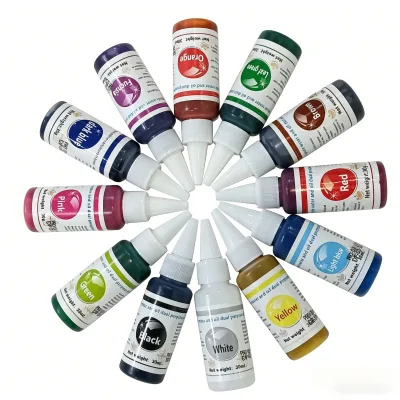
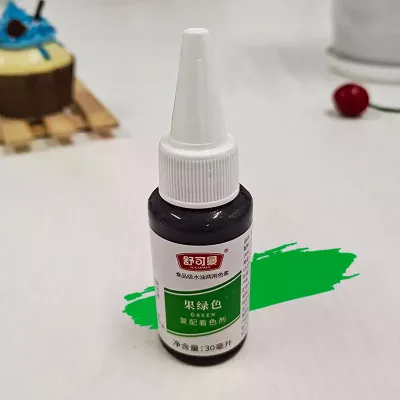
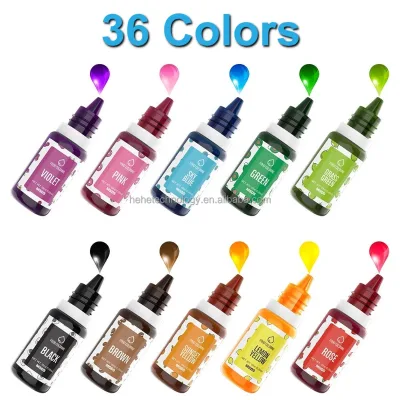
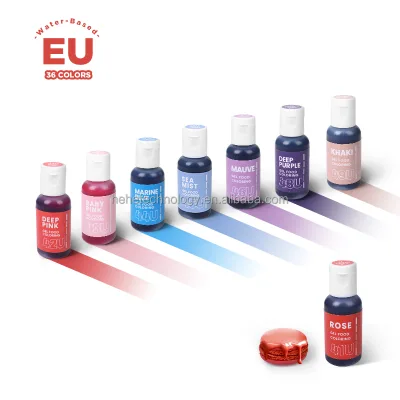
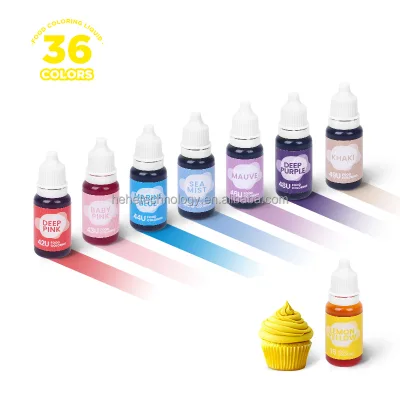
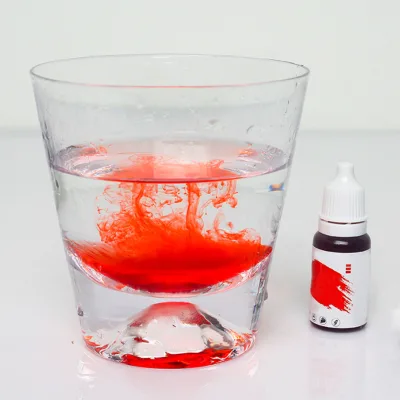
Food Grade Water and Oil Combination Colorant Cream Baking Cake DIY Edible Coloring
$0.22 - $0.35
MOQ: 50 boxes
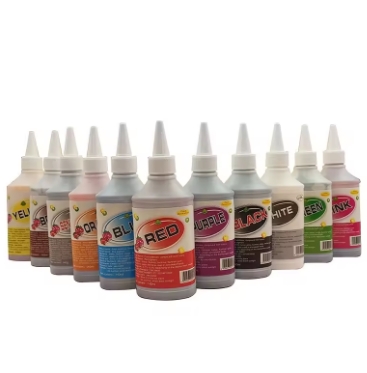
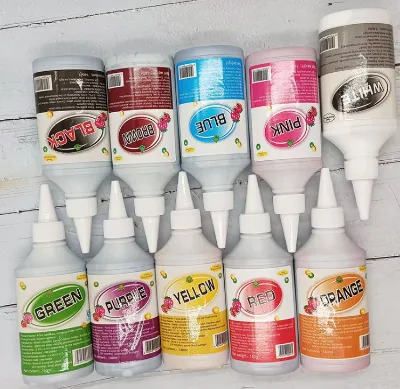
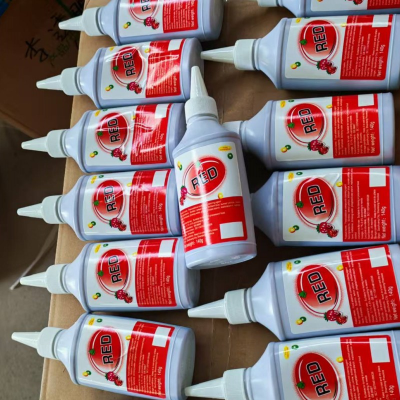
Factory Price Bakery Decoration Ingredients Food Color for Cake Ice Cream Cookies Gel Colors
$0.72 - $1.23
MOQ: 50 pieces
Shenzhen Jinmi Technology Co., Ltd.
- Manufacturer, Trading Company
- Guangdong, China
- Lead time10 days
- Avg. response≤ 7h
Main productsFood Coloring,Food Flavoring Oil,food additive,Edible Glitter,Daily Chemical
Main marketsEastern Asia(20.00%), Southeast Asia(20.00%), North America(20.00%), South Asia(10.00%), Northern Europe(10.00%), Western Europe(10.00%), Mid East(10.00%)
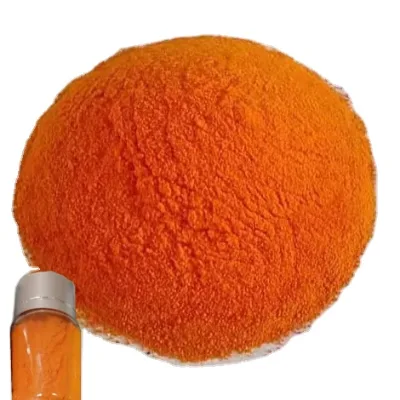
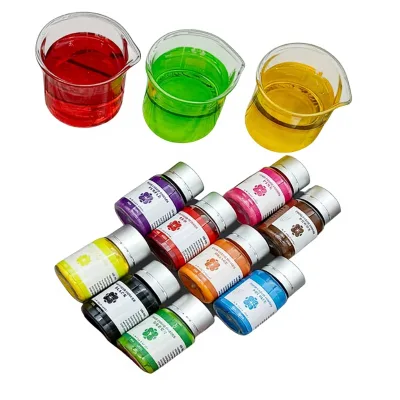
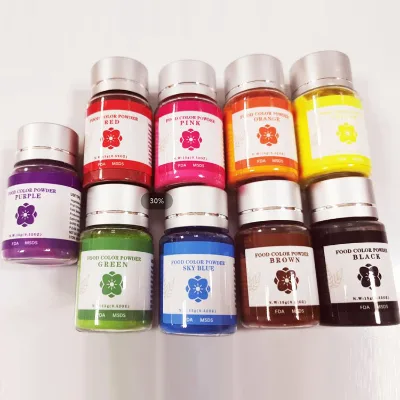
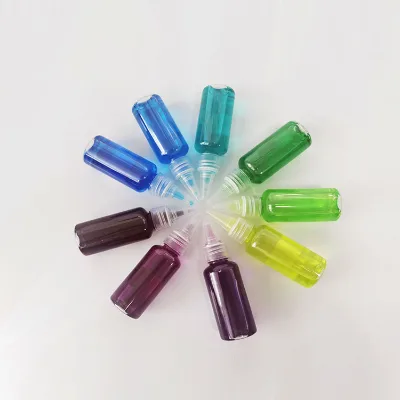
Efficient Edible Coloring - Custom Labels and Packs for Food Manufacturers
$0.41 - $0.61
MOQ: 10 Minimum
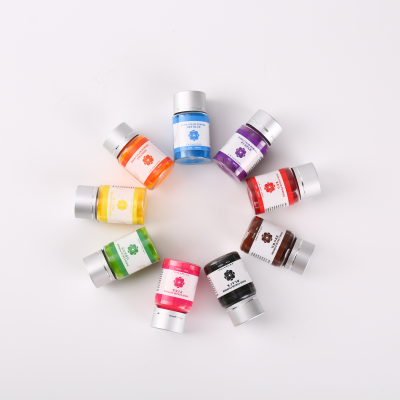
Cost-Effective Edible Colorant Pigment - Diverse Colors & Custom Packaging for Catering
$0.96 - $0.98
MOQ: 1 pieces
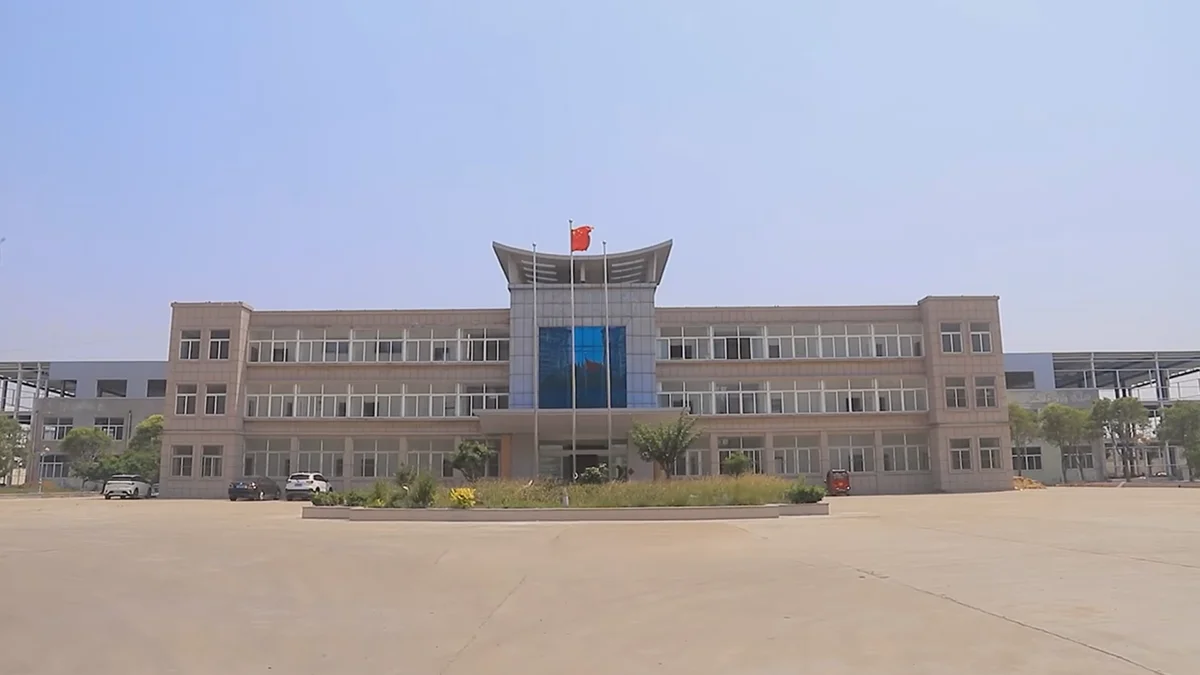
Shandong Clever Baker Biotechnology Co., Ltd.
- Trading Company
- Shandong, China
- Lead time7 days
- Avg. response≤ 2h
Main productssugar beads,food coloring,powdered sugar,sprinkles,cotton candy sugar
Main marketsNorth America(50.00%), Mid East(20.00%), South Asia(10.00%), Central America(10.00%), Southeast Asia(10.00%)

Hangzhou Golden Flavors Co., Ltd
- Verified by SGS
- Combined
- China Zhejiang
- Lead time23 days
- Avg. response≤ 6h
Main productsFood Flavor, Food Preservative, Food Thickerning, Food Sweetener
Main marketsDomestic
HANGZHOU TIANKAI NEW MATERIAL CO.,LTD
- Verified by SGS Group
- Trading Company
- Lead time15 days
- Avg. response≤ 5h
Main productsPigment/ Dye/ Resin/ Glitter/ Thermochromic Powder/ Photochromic Powder/ Chameleon Pigment/ Mica Powder/ Fluorescent Pigment
Main marketsNorth America(50%), Mid East(30%), South America(10%)
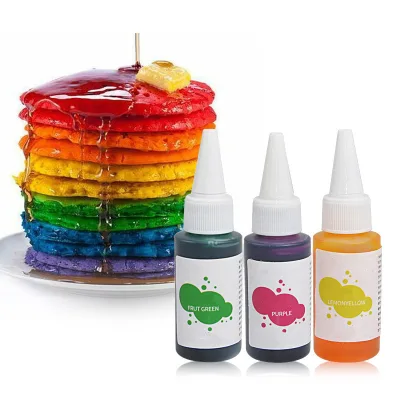
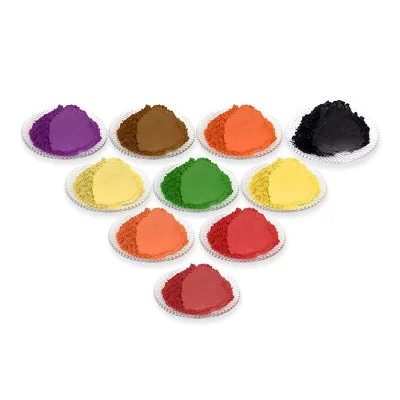
$22.39 - $47.38
MOQ: 1 Minimum
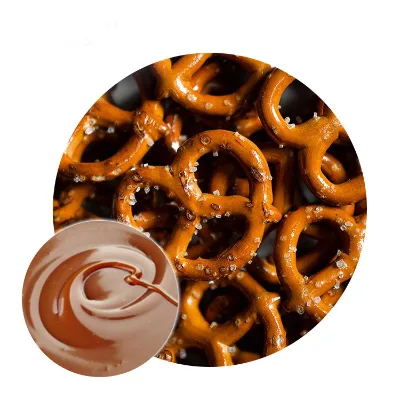
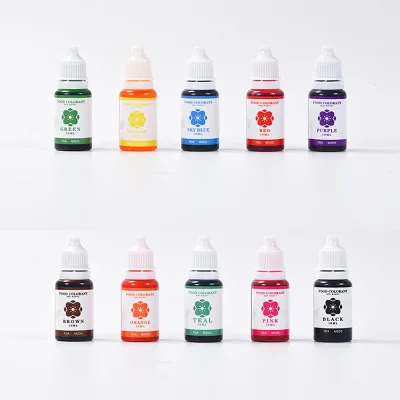
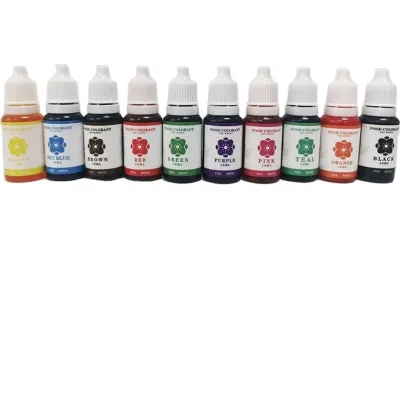
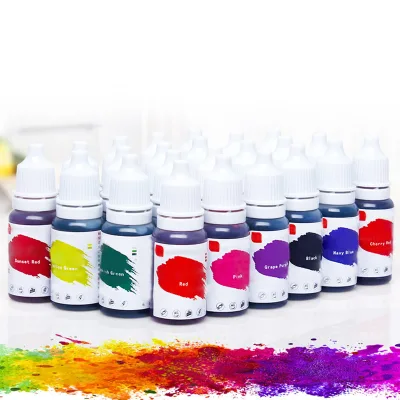
Cocosir Safety Food Grade Coloring 10ml Liquid Pigment for Cake Decoration Multiple Colors Colorant
$2.07 - $10.38
MOQ: 10 Minimum
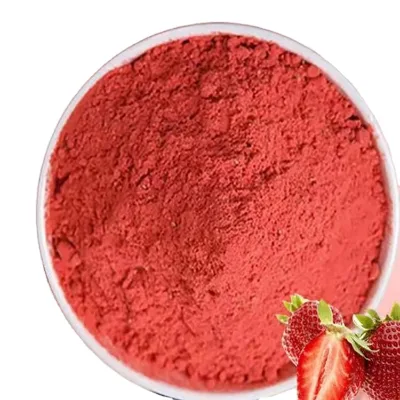
Food Color for Cream Candy Baking Meat Water Soluble Food Colorant Food Dye
$9.40 - $220.95
MOQ: 1 Minimum
Henan Huazhihui Trade Co., Ltd.
- Verified by Intertek
- Trading Company
- Lead time7 days
- Avg. response≤ 3h
Main productsBaking Decorations, Cake Topper, Cake Stand, Chocolate Products, Sugar Beads
Main marketsDomestic Market(60%), North America(15%), Southeast Asia(15%)

Xiamen Yasin Industry & Trade Co., Ltd.
- Trading Company,Manufacturer/Factory
- China Fujian
- Lead time0 days
- Avg. response≤ 15h
Main productsFood Grade Gelatin, Fish Collagen, Empry Capsule, Sprinkle, Gelatin Sheets, Madical Grade Gelatin, Chocolate, Candy
Main marketsSouth America,Eastern Europe,Mid East,North America,Southeast Asia,Eastern Asia,Oceania,Western Europe,Africa

$0.50 - $1.00
MOQ: 1000 Pieces

Blue Food Coloring Liquid Gel Edible Food Coloring Cupcake Liquid Gel Ink for Baking Additive
$0.20 - $2.00
MOQ: 1000 Pieces


Hangzhou Union Biotechnology Co., Ltd.
- Verified by BV
- Manufacturer/Factory,Other
- China Zhejiang
- Lead time15 days
- Avg. response≤ 8h
Main productsVanillin Vanilla, Potassium Sorbate, Desiccated Coconut, Calcium Propionate, Sodium Propionate, Sprinkle, Calcium Acetate, Sodium Acetate, Sodium Cyclamate, Dextrose
Main marketsSouth America,Eastern Europe,Mid East,North America,Southeast Asia,Eastern Asia,Oceania,Western Europe,Africa
Biosacc Food Ingredients Co., Ltd.
- Manufacturer, Trading Company
- shandong, China
- Lead time90 days
- Avg. response≤ 1h
Main productsFood Additive,Thickener,Emulsifer,Colloids,Gum Arabic
Main marketsSouth America(30.00%), Domestic Market(30.00%), North America(10.00%), Eastern Asia(10.00%), Mid East(10.00%), Eastern Europe(10.00%)
Xiamen Naturalife Industry Co., Ltd.
- Verified by TüVRheinland
- Manufacturer, Trading Company
- Lead time30 days
- Avg. response≤ 5h
Main productsSprinkles, Gummies
Main marketsNorth America(60%), South America(20%), Western Europe(20%)
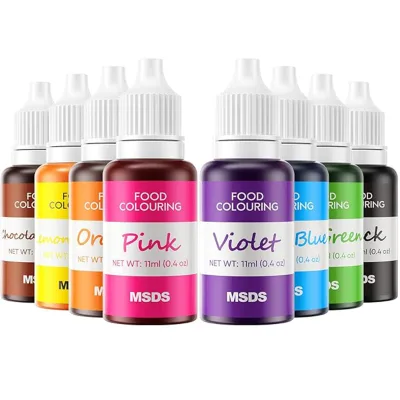
$0.30 - $0.42
MOQ: 500 pieces
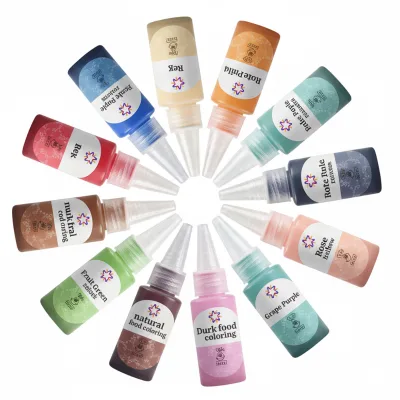
New Trend 100% Natural Food Coloring Edible Food Safe E127 Free Colorant Supplies Without Red 3
$0.51 - $1.54
MOQ: 500 Minimum

Qianhe Condiment and Food Co., Ltd.
- Verified by TUVRHEINLAND
- Combined
- China Sichuan
- Lead time23 days
- Avg. response≤ 11h
Main marketsDomestic,Europe
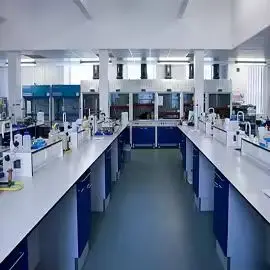
Hangzhou Hirawmaterial Technology Co., Ltd.
- Manufacturer, Trading Company
- Zhejiang, China
- Lead time0 days
- Avg. response≤ 4h
Main productsEdible Dust&edible glitter,Food Additives,Beauty Products,Chemicals P rodents
Main marketsEastern Europe(19.00%), North America(12.00%), Southeast Asia(9.00%), Mid East(8.00%), Central America(5.00%), Northern Europe(4.00%), South America(3.00%), Domestic Market(3.00%), Southern Europe(3.00%), Western Europe(2.00%), South Asia(1.00%), Africa(1.00%), Oceania(1.00%)
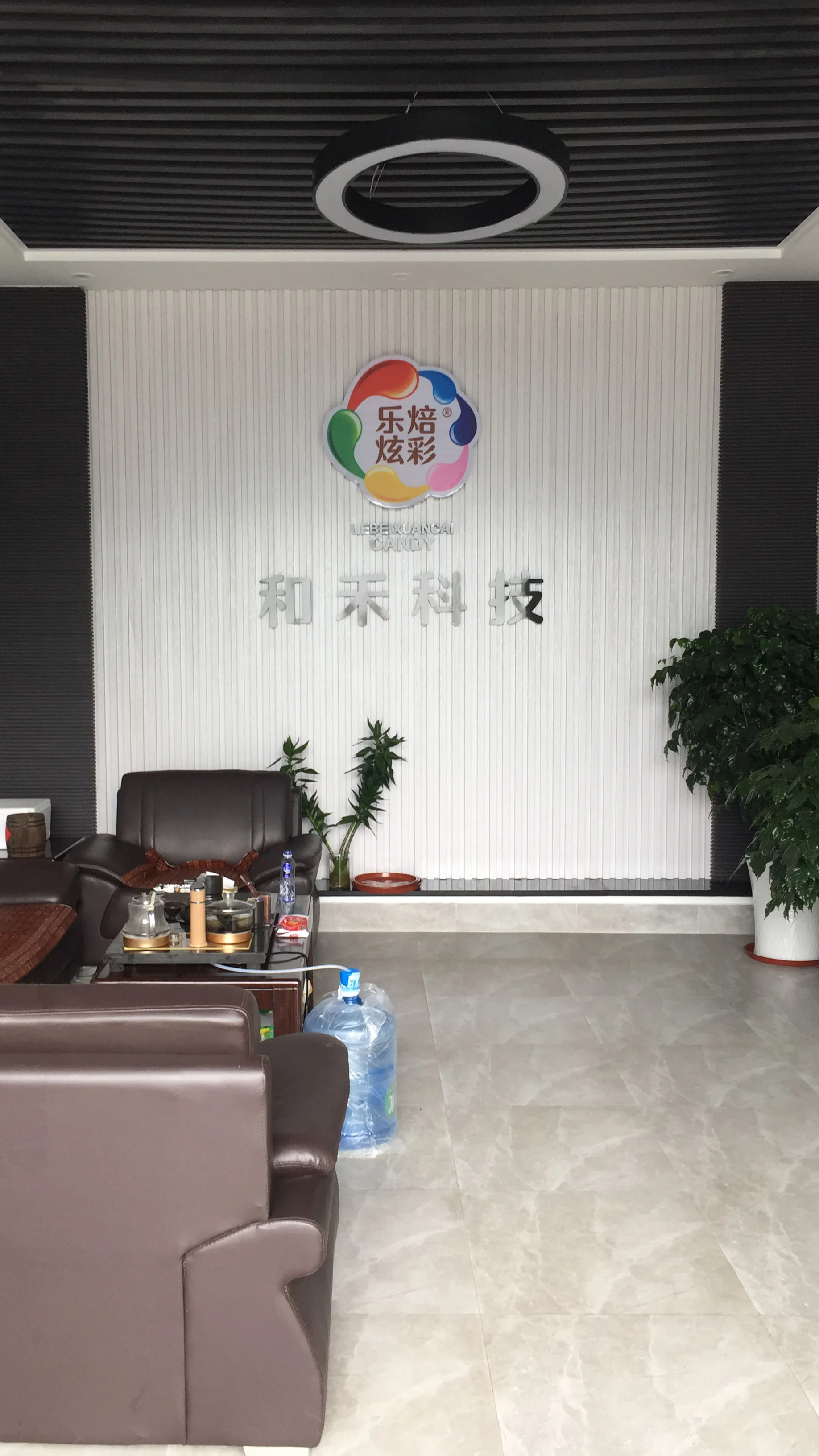
Shantou Hehe Technology Co., Ltd.
- Manufacturer, Trading Company
- Guangdong, China
- Lead time20 days
- Avg. response≤ 5h
Main productsPressed Candy,Confetti Candy,Sprinkles Mix,Jimmies,Metallic Silver Nonpareils
Main marketsDomestic Market(60.00%), North America(20.00%), Western Europe(10.00%), South America(5.00%), Mid East(5.00%)

- Trading Company
- China Zhejiang
- Lead time15 days
- Avg. response≤ 5h
Main productsFood Additive, Food Sweetener, Food Flavoring, Food Acidulants, Food Emulsifiers, Food Preservatives, Food Coloring, Food Thickeners, Food Phosphates, Feed Additive
Main marketsSouth America,Eastern Europe,Mid East,North America,Southeast Asia,Oceania,Western Europe,Africa

NINGBO ZHONGRUI IMPORT & EXPORT CO., LTD.
- Verified by CTI
- Manufacturer/Factory
- China Zhejiang
- Lead time0 days
- Avg. response≤ 15h
Main productsOffice Tools, School Items, Garden Tools, Gym Sports, Music Instructments
Main marketsSouth America,Eastern Europe,Mid East,North America,Southeast Asia,Western Europe,Africa

Fresh Painting Water Color Cake
MOQ: 12000 Boxes

MOQ: 12000 Boxes
Xiamen Beauty Electric Appliance Co., Ltd.
- Verified by SGS Group
- Manufacturer, Trading Company
- Lead time45 days
- Avg. response≤ 4h
Main productsAroma Diffuser, Humidifier, Dehumidifier, Cake Tools, Airbrush
Main marketsWestern Europe(30%), North America(15%), Oceania(10%)

Xi'an Taima Biological Engineering Co., Ltd.
- Trading Company
- China Shaanxi
- Lead time15 days
- Avg. response≤ 8h
Main productsSuper Concentrated Flavors, Cooling Agent Ws-23, Cooling Agent Ws-27, Cooling Agent Ws-3, Cooling Agent Ws-5, Cooling Agent Ws-12, Sucralose, Ethyl Maltol, Neotame, Advantame
Main marketsSouth America,Africa,Southeast Asia/ Mideast,East Asia(Japan/ South Korea),Domestic,Europe,Australia,North America

Hangzhou Qihuan Biotechnology Co., Ltd.
- Verified by SGS
- Trading Company
- China Zhejiang
- Lead time15 days
- Avg. response≤ 1h
Main productsFood Flavor, Natural Food Color, Chocolate, Instant Tea Powder, Stabilizer/Thickner
Main marketsAfrica,Southeast Asia/ Mideast


Caramel Color, Food Color, Food Pigment for Drink, Sauce Meat and Bakery Food
$10.00 - $30.00
MOQ: 100 kg


High Quality Baking Flavor Manufacturer Water-Soluble/Food Flavor for Candy, Baking, Bread, Cake
$5.00 - $25.00
MOQ: 100 kg

Linquan Spring River Nano Plant New Material Co., Ltd.
- Verified by SGS
- Combined
- China Anhui
- Lead time15 days
- Avg. response≤ 1h
Main productsActivated Carbon Black, Edible Black Pigment, Vegetable Carbon, Vegetable Carbon Black, E153, Bamboo Charcoal Powder, Food Additive, Food Coloring, Black Pigment, Coloring Agent
Main marketsSoutheast Asia/ Mideast,Europe


Factory Direct Supplier Good Fluidity Edible Black Pigment Food Dye for Toffee Candy
$27.54 - $37.68
MOQ: 10 kg

Vegetable Carbon Edible Black Colorant Food Additive E153 for Pastries and Desserts
$12.46 - $17.39
MOQ: 10 kg

Sufficient Supply 8000 Mesh Edible Black Pigment Food Coloring for Ice Cream
$28.99 - $38.33
MOQ: 10 kg

Zibo Aiheng New Material Co., Ltd.
- Trading Company
- China Shandong
- Lead time15 days
- Avg. response≤ 11h
Main productsFormic Acid, Calcium Formate Melamine, PVC Resin
Main marketsOthers(foreignTradeCapacity.exportBusinessCapacityMarketOther),Europe,North America


Food Grade Liquid Color Caramel Color Colorant Caramel-E150A with Best Price
$690.00 - $760.00
MOQ: 1 Tons

Ningbo Colorswoo Art Supply Co., Ltd.
- Verified by TUVRHEINLAND
- Trading Company
- China Zhejiang
- Lead time30 days
- Avg. response≤ 8h
Main productsPigment Acrylic Paint Oil Paint Gouache Paint, Water Color Paint Fabric Paint Poster Paint, Finger Paint Tempera Paint Face Paint Eye Paint, Ceramic Paint Window&Glass Pait Water Color Cake, White Glue Glitter Glue Glue Stick Glitter Shake, Crayon Oil Pastels Chalk Soft Pastel, Plasticine Modeling Clay, Water Color Pen Color Pencil Paint Set, Brush Palette Canvas Cleaning Pot, Eraser
Main marketsSouth America,Africa,Southeast Asia/ Mideast,East Asia(Japan/ South Korea),Domestic,Europe,North America

Hangzhou Tenway Biotechnology Co., Ltd.
- Verified by BV
- Trading Company,Manufacturer/Factory
- China Zhejiang
- Lead time15 days
- Avg. response≤ 6h
Main productsDesiccated Coconut, Dry Instant Yeast, Dextrose Monohydrate & Anhydrous, Soybean Fiber, Calcium Propionate, Sodium Cyclamate, Ascorbic Acid, Sucralose, Isolated Soy Protein, Stevia
Main marketsSouth America,Eastern Europe,Mid East,North America,Southeast Asia,Eastern Asia,Oceania,Western Europe,Africa

Food Ingredient Natural Food Colorant Caramel Liquid for Bakery/Beverage/Candy
$900.00 - $1000.00
MOQ: 1 Tons


JF Sheet Metal Technology Co., Ltd.
- Trading Company
- China Jiangsu
- Lead time23 days
- Avg. response≤ 25h
Main productsIndustrial and Commercial Bakeware Products, Commercial Paper Baking Molds and Paper Baking C, Internal and External Floating Roof Tank Seals
Main marketsSouth America,Eastern Europe,Mid East,North America,Southeast Asia,Eastern Asia,Oceania,Western Europe,Africa










Comprehensive Sourcing Guide
Liquid Edible Cake Colors Supplier Concentration and Factory Types
Buyers sourcing Liquid Edible Cake Colors on B2B platforms will encounter two overlapping supplier archetypes. Some companies present themselves as manufacturers of cake decorating tools, baking tools and kitchen supplies, and a number of those listings explicitly combine both roles, declaring themselves as a manufacturer and a trading company at the same time. A second group positions itself around food ingredients: food coloring, food flavoring oil, food additives, edible glitter and daily chemical products. This distinction matters because the coloring specialists often handle formulation and bulk packaging, while the cake-tools companies may resell coloring as an accessory line alongside their hardware. Neither type is automatically better, but their quotes, minimums and technical answers will differ.
Geographically, the search results show repeated concentration signals rather than a scattering of origins. Guangdong, China appears as the declared place of origin across multiple listings, one powder product lists an address in Shenzhen, and one decorating item names Guangzhou as the port of dispatch. For buyers, that points to a coherent southern-China supply base for this category. When assessing other result pages, identify clusters the same way: read the place-of-origin attribute on each listing, count how often one province repeats, and check the declared port. If a page shows no consistent geography, treat cluster assumptions as unverified and ask each candidate directly where its production or packing actually takes place before comparing quotes.
How to Verify Liquid Edible Cake Colors Suppliers
Verification starts with the attributes a listing already discloses, then moves to what you must request. Several listings state food-contact suitability ("Can Be Used For Food Contact: Yes") and describe materials as natural edible colouring or edible food ingredients; treat these as claims to confirm, not proof. Ask each supplier for ingredient specifications, migration or purity documentation appropriate to edible colorants, and batch-level certificates matching the material descriptions shown. Check whether the company type is listed as manufacturer, trading company or both, and request its business registration and, for edible goods, its food production licensing. Third-party inspection before shipment is a reasonable standard step for consumable products like these.
Platform signals are the second layer. Response time is displayed for some suppliers in these results — one at three hours, another at seven — so benchmark how quickly candidates answer technical questions, not just greetings. Verify whether the platform offers escrow or a protected payment program and confirm the supplier participates before transferring money. Cross-check consistency: model numbers, brand names, package formats and place-of-origin fields should match between the listing and the proforma invoice; contradictions suggest a repackaged reseller. Finally, order samples of the exact SKU, retain reference bottles, and confirm the shelf life stated on the label (one gel listing declares 24 months) against your own turnover plans before committing to volume.
What to Compare Across Liquid Edible Cake Colors Suppliers
Build a comparison table from dimensions the results actually display, and mark any field a supplier has not shown as unknown rather than assuming it. Practical dimensions include: lead time (listings here show seven days and ten days for different suppliers), MOQ (one oil-based coloring listing shows an MOQ of 50, a gel listing shows 20), response time (three versus seven on this page), declared company type, main product lines, and location. Main products deserve scrutiny because a cake-tools specialist and a food-additive specialist will support different volumes, certifications and reformulation requests for the same bottle of color.
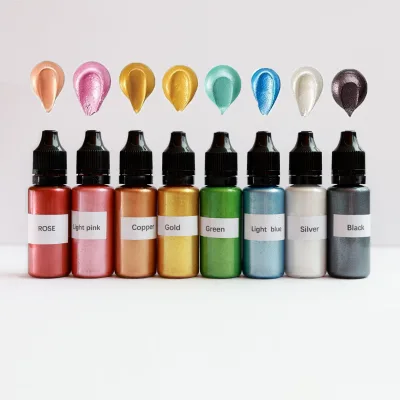
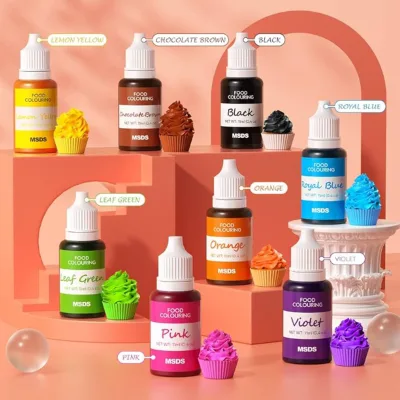
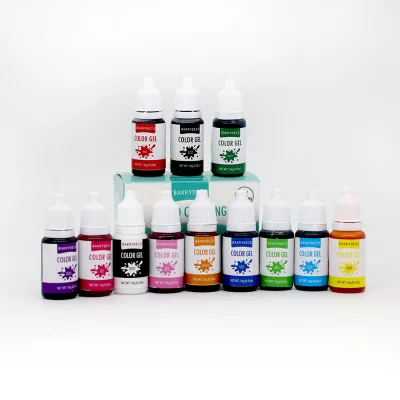
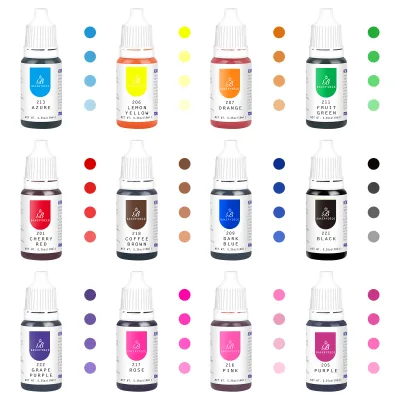
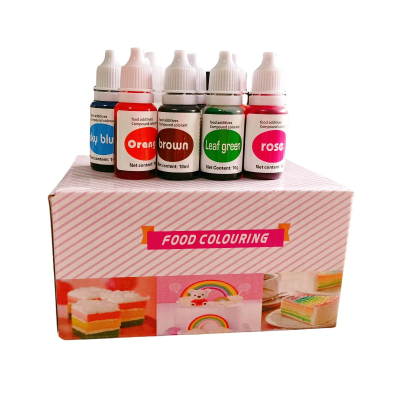
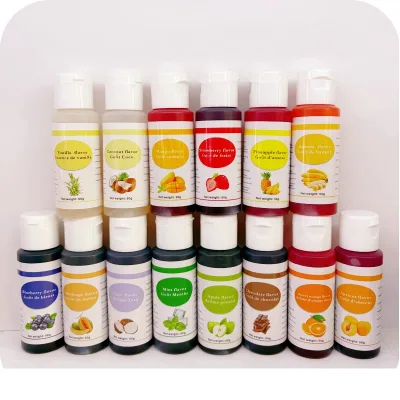
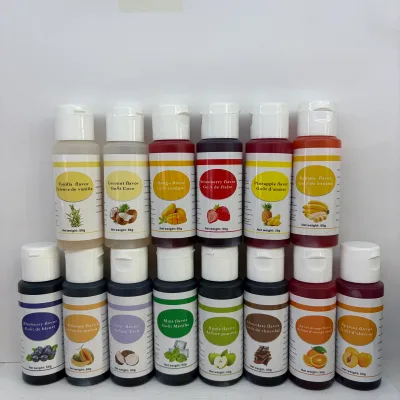
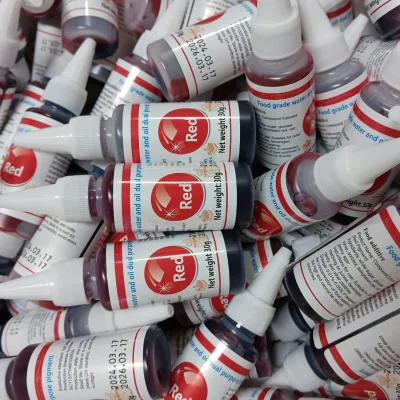
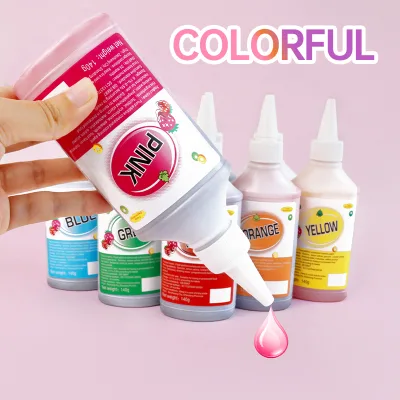
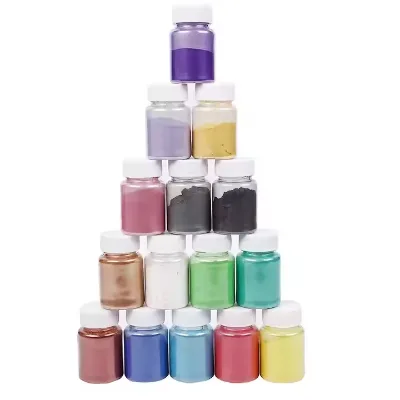
Product-level attributes are equally comparable. Packaging formats vary widely in these results: 10 ml bottles for an oil-and-water colorant, 140 g bottles for gel colors, a 22 g 21-color gel format, and a pigment powder for cake decoration. Compare per-unit price bands alongside format — one listing ranges roughly 0.22 to 0.35 per unit, another 0.72 to 1.23, a third 0.64 to 0.84 — and normalize to cost per usable milliliter or gram. Note supply capacity where stated (one listing claims 10,000 bags per week), color ranges (a gel listing offers twelve-plus shades including multi-color sets), and features such as eco-friendly or non-toxic labels, which should be validated during verification rather than accepted at face value.
Common Liquid Edible Cake Colors Sourcing Risks
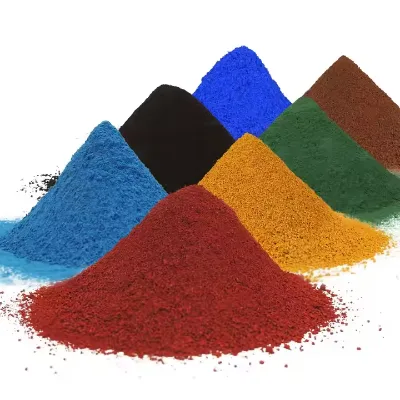
The most frequent technical risk is solubility confusion. Results in this category include oil-soluble powder coloring, an oil-and-water combination colorant, water-style gel colors and an English-style cream pigment. Buyers who order an oil-based color for a water-based icing — or the reverse — discover fading, spotting or separation only after production. State the fat and water content of your application in writing, request the supplier's written solubility confirmation for the exact model number, and sample-test in your own base before approving. A second risk is claim inflation: attributes such as "Non-Toxic," "Eco-Friendly" or "100% purity" appear in listings but require documentation to be meaningful.
Commercial risks cluster around role mismatch and quantity games. A combined manufacturer-and-trading-company listing may quote aggressively and then subcontract packing you cannot inspect; ask directly who performs formulation, filling and labeling. Very low MOQs can be a testing hook that later tightens at volume, so confirm the MOQ that applies at your target order quantity, not just the first trial. Packaging risk is real for liquids: a 10 ml bottle format and small carton dimensions mean leakage and label durability matter, so specify seal standards, inner packaging and drop testing. Finally, watch shelf-life and storage assumptions — a 24-month declaration helps, but confirm production date at dispatch, not at order placement.
Liquid Edible Cake Colors Regional Sourcing and Logistics
The evidence on this page places the supply base firmly in southern China. Guangdong is the declared place of origin across the coloring and decorating listings, one powder supplier lists a Shenzhen address, and Guangzhou is named as a port of dispatch on a cake-tools item. For logistics planning, this means ocean freight can consolidate coloring with cake decorating hardware from the same region, reducing split shipments; Guangzhou and nearby Shenzhen ports both support frequent sailings for food-grade, non-hazardous cargo when properly documented. Air freight is feasible for small liquid volumes, but check carrier rules for edible liquids and inner packaging before booking.
Lead-time data in the results gives a useful benchmark: seven days for one supplier and ten days for another, presumably from order to dispatch for stocked items. Use those figures to pressure-test quotes — a candidate quoting far longer for stock products should explain why. Capacity declarations also matter for planning: one listing states a supply ability of 10,000 bags per week, which is the kind of figure to verify against your seasonal peaks. Small package dimensions and low gross weights shown in the listings (single-item weights from roughly 0.03 kg to 1 kg) suggest favorable per-unit freight economics, but confirm carton configurations, moisture protection and temperature sensitivity for liquid and gel formats with each supplier before finalizing shipping terms.
Liquid Edible Cake Colors Commercial Terms and Order Planning
Structure first orders to de-risk the category's known variables. Given the MOQs visible in these results — 20 units for a gel set and 50 for an oil-based colorant — a sensible path is a sample order at or near minimum quantity, followed by a pilot order large enough to test shelf life, leakage and customer response in your market. Where a platform offers escrow or protected payment, route the first transactions through it; once reliability is demonstrated across several shipments, discuss direct payment terms with defined quality remedies. Keep price negotiations anchored to the quoted ranges (for example, 0.64 to 0.84 or 0.85 to 1.10 per unit on comparable listings) and ask what volume unlocks a lower tier.
Order planning should reflect product behavior rather than generic procurement habits. Because one listing declares a 24-month shelf life and another states a 10,000-bags-per-week supply ability, align reorder cycles with your turnover speed and confirm production dates at each dispatch. Negotiate Incoterms, packaging specifications (bottle size, carton dimensions, gross weight) and replacement terms for leakage or color deviation in the same conversation as price. Lock shade standards with retained reference samples, since multi-color ranges invite drift between batches. Finally, document the agreed lead time — seven to ten days is achievable in this category for stocked items — and build a buffer for festive-season peaks when bakery decoration demand rises.
FAQs
What is the typical lead time for edible cake colors?
The typical lead time for these products ranges from 7 to 10 days depending on the specific supplier and order volume. Some manufacturers in Guangdong, China, can ship within a week, while others may require up to ten days to prepare and dispatch your order.
What is the minimum order quantity for edible coloring?
Minimum order quantities vary by product type, with some items requiring as few as 20 units while others start at 50 units. Buyers should check specific product listings to confirm the exact MOQ before placing an order for edible coloring or related baking tools.
Where are these edible cake colors manufactured?
Most of the available edible cake colors and baking tools are manufactured in Guangdong, China. Specific locations mentioned include Shenzhen, and the primary port of dispatch for these goods is Guangzhou, ensuring efficient logistics for international buyers.
How quickly do suppliers typically respond to inquiries?
Supplier response times generally range from 3 to 7 days based on the current results. Buyers can expect a reply within a week, though some manufacturers may respond faster depending on their current workload and the specific product inquiry submitted.
What is the price range for edible cake coloring?
Prices for edible cake coloring vary significantly, ranging from approximately 0.22 to 1.23 per unit depending on the product type and packaging. Specific items like 10ml bottles or 22g gels have different price points, so buyers should review individual product details for accurate costs.
Are these food coloring products safe for consumption?
Yes, the listed products are described as edible food ingredients, non-toxic, and suitable for food contact. They are specifically designed for bakery foods, cakes, bread, and cookies, ensuring they meet safety standards for direct consumption in various baking applications.
What types of edible coloring are available in stock?
Available types include oil-based food colors, edible coloring gels, and pigment powders that are oil-soluble. Many items are stocked and ready for immediate shipment, offering options like multi-color sets or single-color bottles for various cake decoration needs.