Ready to Eat Coconut Jelly Suppliers and Manufacturers
Source Ready to Eat Coconut Jelly from 10 verified suppliers in China. Compare certifications like BRC and HACCP, MOQs of 500 cartons, and response times. Contact suppliers directly to request quotes and verify production capabilities; review the available evidence before requesting comparable quotations from suitable candidates.
Suppliers List

LABIXIAOXIN(FUJIAN)FOODS INDUSTRIAL CO., LTD.
- Verified by BV
- Manufacturer/Factory
- China Fujian
- Lead time0 days
- Avg. response≤ 10h
Main productsJelly, Candy, Chocolate, Marshmallow, Gummy
Main marketsSouth America,Eastern Europe,Mid East,North America,Southeast Asia,Africa

Chaozhou Zhuangkang Food Co., Ltd.
- Verified by SGS
- Combined
- China Guangdong
- Lead time23 days
- Avg. response≤ 17h
Main productsFruit Flavor Jelly, Fruit Flavor Drink, Ice Pop, Boba Drink, Fruit Flavor Pudding
Main marketsSouth America,Southeast Asia/ Mideast


Best-Selling Custom Ready to Eat Office Snack Fruit Sucking Jelly for Outdoor Snack
$7.80
MOQ: 1000 Pieces

Zeagrove (Guangzhou) Health Industry Co., Ltd
- Verified by CTI
- Combined
- China Guangdong
- Lead time15 days
- Avg. response≤ 3h
Main productsEdible Bird's Nest, Peach Gum, Hong Kong-Style Desserts, Sweet Soup, Scented Tea, Prepackaged Food
Main marketsSoutheast Asia/ Mideast,Domestic,North America

$0.82 - $1.60
MOQ: 3000 Bowl

$0.73 - $1.50
MOQ: 3000 Bowl

$0.65 - $1.42
MOQ: 3000 Bowl

Jieyang Tianchao Food Co., Ltd.
- Verified by BV
- Combined
- China Guangdong
- Lead time15 days
- Avg. response≤ 9h
Main productsJelly, Candy, Soft Drink, Fruit Flavor Tea, Jelly Pudding, Jelly Snack, Fruit Jelly
Main marketsDomestic
- Verified by SGS Group
- Manufacturer, Trading Company
- Lead time30 days
- Avg. response≤ 6h
Main productsPopping Boba, Tapioca Pearls, Milk Tea Powder, Flavor Syrup, Tea Leaves
Main marketsWestern Europe(20%), North America(15%), Northern Europe(10%)
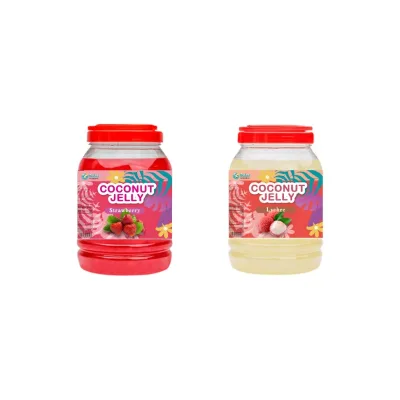
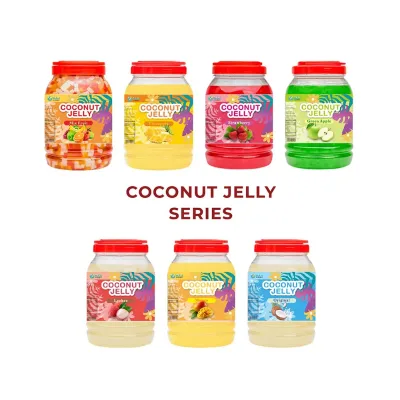
Perfectly Textured Coconut Jelly, adding a satisfying chew to every bite.
$24.00 - $28.00
MOQ: 5 cartons
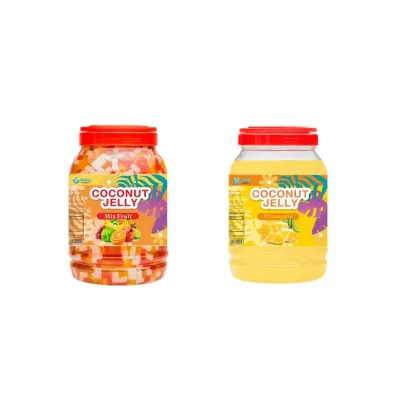
Light and Refreshing Coconut Jelly in Bottle Hydrating and Satisfying Snack
$24.00 - $28.00
MOQ: 5 cartons
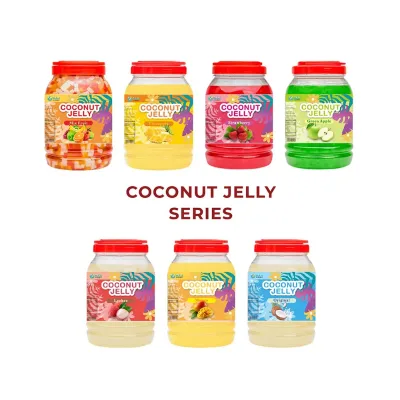
Factory Direct Comforting Coconut Jelly Perfectly Paired with Lychee Juice in a Bottle
$24.00 - $28.00
MOQ: 5 cartons
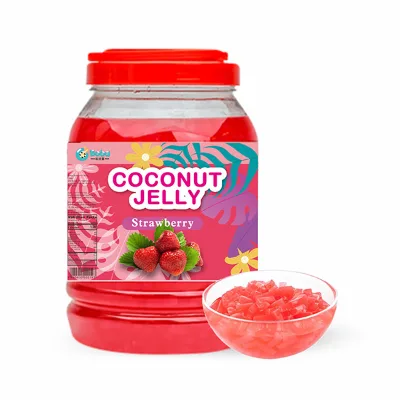
Vegan-Friendly Coconut Jelly, made from high-quality coconut water for a guilt-free treat.
$24.00 - $28.00
MOQ: 5 cartons
Chaozhou Chaoan Happiness Food Co., Ltd.
- Manufacturer, Trading Company
- Guangdong, China
- Lead time20 days
- Avg. response≤ 4h
Main productsjelly,liquid candy,marshmallow,chocolate,popping candy
Main marketsMid East(30.00%), Africa(30.00%), Southeast Asia(15.00%), South America(15.00%), Domestic Market(5.00%), Northern Europe(5.00%)
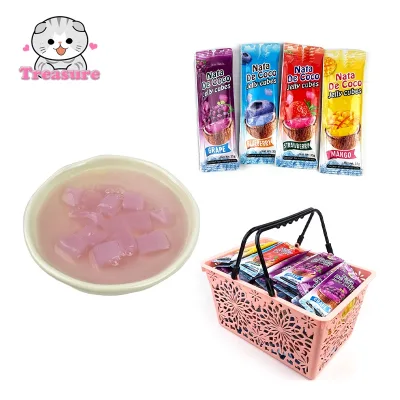
Basket Fruit Jelly with Coconut Jelly Halal Jelly
$20.00 - $30.00
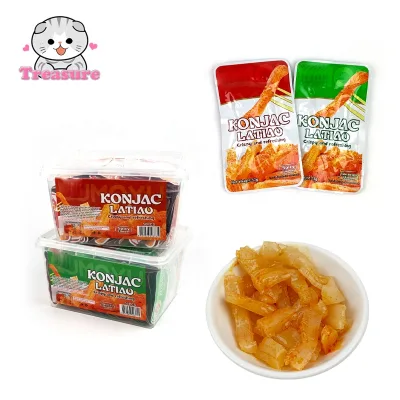
Spicy food snacks crispy and refreshing food
$20.00 - $30.00

- Verified by TUVRHEINLAND
- Trading Company,Manufacturer/Factory,Other
- China Guangdong
- Lead time0 days
- Avg. response≤ 14h
Main productsCandy, Lollipop, Biscuit, Chewing Gum, Olivary Gum, Pectol Mint Candy, Bubble Gum, Toy Candy, Hard Candy, Jelly


Hot Selling Fruit Cool Heart Jelly Pudding
MOQ: 500 Boxes


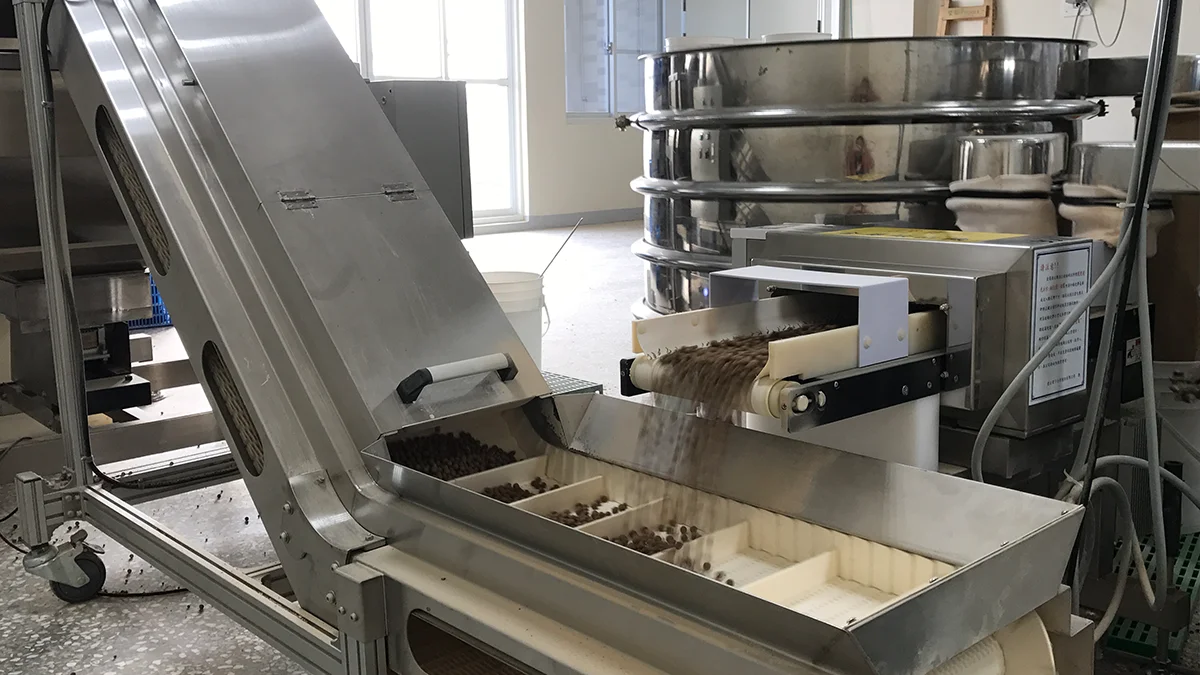
- Manufacturer
- Taiwan, China
- Lead time10 days
- Avg. response≤ 3h
Main productsFruit Popping Boba,Tea Leaf,Tapioca Pearl,Bubble Tea,Agar Jelly Boba
Main marketsSoutheast Asia(10.00%), Eastern Asia(10.00%), Africa(10.00%), North America(10.00%), South America(5.00%), Eastern Europe(2.00%), Mid East(2.00%)
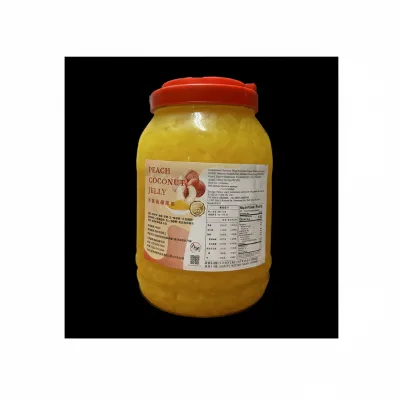
3.85kg Peach Coconut Jelly in Bottle Packaging HALAL/HACCP/ISO 22000 Certified Open and Ready to Eat
$21.40 - $23.44
MOQ: 5 cartons
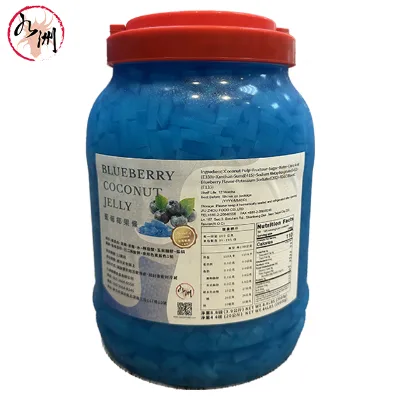

Shandong Chunwang Food Technology Co., Ltd
- Verified by TUVRHEINLAND
- Combined
- China Shandong
- Lead time15 days
- Avg. response≤ 5h
Main productsRoasted Peanuts, Fried Peanuts, Salted Peanuts, Spicy Peanuts, Mixed Nuts and Dried Fruit, Salted Cashew Nuts, Salted Almonds, Salted Pistachio, Salted Walnuts, Peanut Butter
Main marketsSouth America,Southeast Asia/ Mideast,Europe,Australia,North America

Tastell Import & Export Limited (Anhui)
- Trading Company,Manufacturer/Factory
- China Anhui
- Lead time23 days
- Avg. response≤ 5h
Main productsSunflower Seeds, Organic Pasta, Roasted Nuts, Beverages, Instant Noodles
Main marketsSouth America,Eastern Europe,Mid East,North America,Southeast Asia,Western Europe


Comprehensive Sourcing Guide
Ready to Eat Coconut Jelly Supplier Concentration and Factory Types
The current search results indicate a concentration of manufacturers and factories located in China, specifically within the Fujian province. These facilities are identified as primary sources for Ready to Eat Coconut Jelly, offering a mix of OEM, ODM, and own-brand capabilities under labels such as Larbee. The data confirms that these entities operate as Manufacturer/Factory types rather than pure trading companies, suggesting direct control over the production process for items like coconut fruit jelly in jars and pouches. This structural distinction is critical for buyers seeking to verify the origin of their confectionery products and ensure consistent quality control throughout the manufacturing cycle.
In contrast, other results point to suppliers in Guangdong province that operate as Combined entities, blending manufacturing with trading functions. These suppliers often list diverse product lines including fruit flavor drinks and ice pops alongside their jelly offerings. While the Fujian cluster appears specialized in specific jelly formats, the Guangdong presence suggests a broader scope of confectionery and beverage production. Buyers should note that the specific factory type influences the depth of customization available, with dedicated manufacturers often providing more robust ODM services for private labeling compared to combined entities that may prioritize volume over bespoke development.
How to Verify Ready to Eat Coconut Jelly Suppliers
Verification of suppliers in this category relies heavily on third-party audit reports and system certifications found in the product data. Many listed manufacturers hold BRC, ISO 9001, ISO 14001, and HACCP certifications, which are essential for food safety compliance in international markets. Additionally, verification badges from agencies like BV and SGS appear in the results, serving as a tangible indicator that the supplier has undergone external scrutiny regarding their business legitimacy and operational standards. Buyers must cross-reference these specific certification codes with the supplier's official documentation to ensure they are current and applicable to the specific product lines being sourced.
Beyond certifications, the response time and verification status provide immediate signals of supplier reliability. The data shows response times varying significantly, with some suppliers averaging under ten hours while others take over sixteen hours to engage. A faster response time often correlates with a more active sales team and better communication channels, which is vital for resolving issues during the sampling phase. Buyers should prioritize suppliers with verified badges and documented response metrics, as these factors reduce the risk of working with unresponsive entities that could delay production schedules or fail to address quality concerns promptly during the sourcing process.
What to Compare Across Ready to Eat Coconut Jelly Suppliers
When evaluating potential partners, buyers must compare key operational metrics such as minimum order quantities, lead times, and production capacity. The available data reveals a consistent MOQ of 500 cartons across multiple product variations, ranging from coconut fruit jelly in jars to pouch-style snacks. This uniformity suggests a standard production threshold for these manufacturers, which buyers must factor into their inventory planning. Furthermore, lead times vary, with some suppliers indicating immediate availability while others specify a 23-day production window or longer delivery periods after design confirmation. Understanding these timelines is essential for aligning supply with market demand and avoiding stockouts.
Price structures and container loading capacities also require careful comparison to optimize logistics costs. Product listings show price ranges that fluctuate based on packaging type and flavor profiles, with some items priced between 4.24 and 16.39 units per unit of measure. Additionally, the quantity per container differs significantly; for instance, some configurations allow for 1300 cartons in a 40HQ container, while others support up to 11,000 cartons. Buyers should calculate the landed cost by combining the unit price with the specific carton dimensions and weight, ensuring that the selected supplier offers the most efficient use of shipping space for their specific order volume and budget constraints.
Common Ready to Eat Coconut Jelly Sourcing Risks
One significant risk in sourcing Ready to Eat Coconut Jelly involves the variability of shelf life and storage requirements across different product formulations. The data indicates shelf lives ranging from six to twelve months for some items, while others boast a duration of over twelve months. This discrepancy can impact inventory management and distribution strategies, particularly for buyers targeting markets with strict expiration date regulations. Inconsistent shelf life data may also signal differences in preservative usage or packaging integrity, requiring buyers to verify the specific storage methods and expiration guarantees for each product batch before committing to large orders.
Another critical risk relates to the customization capabilities and the clarity of the production standards. While many suppliers list customization as available, the specific parameters for private labeling and design changes are not always detailed in the initial product attributes. Some listings mention private label offers, but the lead time for design confirmation and deposit payment can extend the overall delivery schedule to 35-40 days. Buyers must ensure that the supplier's capacity for ODM and OEM services is clearly defined to avoid delays in launching new product lines. Failure to clarify these customization terms early can lead to misaligned expectations regarding product specifications and delivery timelines.
Ready to Eat Coconut Jelly Regional Sourcing and Logistics
The regional sourcing landscape for Ready to Eat Coconut Jelly is dominated by specific manufacturing hubs in China, with Fujian and Guangdong emerging as the primary locations. Fujian-based suppliers are noted for their focus on jelly and candy products, often utilizing specific production standards like 35g jars or 215g pouches. The logistics from these regions involve specific carton dimensions, such as 51.53429 cm or 342822 cm, which directly influence container loading efficiency. Buyers should analyze these physical dimensions to determine the optimal shipping method, as the volume and weight of the cartons will dictate the number of units that can be transported per container, affecting the overall freight cost.
Logistics planning must also account for the varying container capacities listed in the supplier data, which range from 550 cartons in a 20GP container to over 11,000 cartons in a 40HQ container. These figures highlight the importance of selecting the right container size based on the order volume to maximize space utilization. For suppliers in Guangdong, the lead times and response times may differ from those in Fujian, potentially impacting the urgency of the shipment. Buyers should coordinate closely with their chosen supplier to confirm the exact shipping terms, including the delivery lead time after deposit payment, to ensure that the goods arrive in time for their intended market launch or seasonal demand.
Ready to Eat Coconut Jelly Commercial Terms and Order Planning
Commercial terms for Ready to Eat Coconut Jelly often include specific payment structures and delivery conditions that must be clearly understood before placing an order. The data suggests that many suppliers require a deposit before production begins, particularly for customized items where design confirmation is a prerequisite. The lead time for these customized orders can extend to 35-40 days after the deposit is paid, which is a critical factor in the overall order planning timeline. Buyers need to incorporate this production window into their supply chain schedule to ensure that the finished goods are ready for shipment well before the target sales date.
Order planning also requires a detailed analysis of the packaging specifications and weight constraints provided by the supplier. Product attributes list specific packaging materials, such as plastic bags or boxes, and precise weights like 7.5 kg or 5 kg per carton. These details are essential for calculating the total shipping weight and volume, which directly impacts freight costs and customs clearance procedures. Additionally, the availability of certifications like Halal, BRC, and SGS should be verified as part of the commercial agreement, as these credentials may be required for entry into specific international markets. Buyers must ensure that all commercial terms, including MOQs and packaging standards, are explicitly agreed upon to prevent disputes during the fulfillment process.
FAQs
Where are the Ready to Eat Coconut Jelly manufacturers located?
Suppliers offering Ready to Eat Coconut Jelly are located in China Fujian and China Guangdong. These regions host manufacturers and combined trading companies specializing in jelly, candy, and chocolate products for wholesale distribution.
What is the minimum order quantity for coconut jelly products?
The minimum order quantity for coconut jelly products is 500 cartons. This standard applies across various packaging types including boxes, bags, and bottles, ensuring bulk purchasing requirements are met for international buyers.
How long does it take to receive Ready to Eat Coconut Jelly orders?
Lead times vary by supplier, with some indicating zero days while others require 23 days for production. Specific delivery schedules may extend to 35-40 days after design confirmation and deposit payment for customized orders.
Which certifications do coconut jelly suppliers hold?
Suppliers hold certifications including BRC, ISO 9001, ISO 14001, HACCP, Halal, and SGS. Some facilities also maintain OHSAS 18001 standards, ensuring compliance with international safety and quality management systems for food production.
What is the price range for Ready to Eat Coconut Jelly?
Prices for Ready to Eat Coconut Jelly range from approximately 4.24 to 16.39 per unit depending on the specific product type and packaging. Costs vary based on flavor, weight, and customization options available from the factory.
Can suppliers provide custom branding for coconut jelly products?
Yes, customization is available for Ready to Eat Coconut Jelly products. Suppliers offer OEM and ODM services, allowing buyers to request private label designs and specific packaging configurations to meet their brand requirements.
What shelf life do Ready to Eat Coconut Jelly products have?
Shelf life for these products typically ranges from 6 to 12 months or exceeds 12 months depending on the specific formulation. Storage methods are generally normal, ensuring product stability during transit and retail display periods.