Find halal non-gmo sesame oil for cooking seasoning and baking
Source 29 verified listings of halal non-gmo sesame oil suitable for cooking, seasoning, and baking applications. Buyers can compare specifications, packaging options, and processing methods to find the right supplier for their needs.
Key considerations
Products List


$10.00 - $15.00
MOQ: 100 Boxes




Comprehensive Sourcing Guide
Strategic Sourcing Guide for Halal Non-GMO Sesame Oil Procurement
The global demand for premium edible oils has intensified, with sesame oil occupying a critical niche due to its distinct flavor profile and culinary versatility. For procurement professionals seeking halal non-GMO sesame oil, the sourcing landscape requires a rigorous approach that balances technical specifications with strict compliance verification. This guide synthesizes available market data and industry standards to provide a structured framework for evaluating suppliers, ensuring product integrity, and managing supply chain risks. The objective is to equip buyers with the knowledge to navigate a complex market where "halal" and "non-GMO" are not merely marketing terms but essential compliance requirements that dictate supplier selection and contract terms.
Technical Specifications and Product Attributes
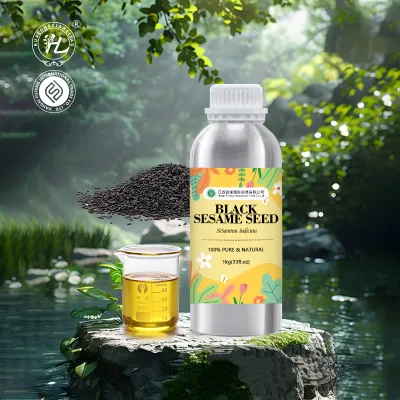
Understanding the physical and chemical attributes of sesame oil is the first step in defining a precise procurement specification. The market offers sesame oil derived from various raw materials, primarily sesame seeds and white sesame, with some suppliers offering black organic sesame oil. The color of the final product is a critical indicator of processing methods; observed market data indicates a yellowish hue for refined varieties, while cold-pressed or unrefined versions may exhibit different tones.
Buyers must distinguish between different processing methods, as these directly impact the oil's flavor, smoke point, and shelf life. The supply chain features two primary processing approaches: compression and refinement. Compression methods, often associated with traditional extraction, preserve more natural nutrients but may result in a stronger flavor. In contrast, refinement processes are employed to produce a neutral-tasting oil suitable for high-heat cooking. The state of the product can vary, with some suppliers offering paste or powdered oil or fat derivatives, though the standard liquid form remains the dominant requirement for culinary applications.
Packaging plays a significant role in preserving oil quality. The market displays a wide range of packaging options, from drums and plastic containers for bulk industrial use to glass bottles and cartons for retail distribution. Standard volume specifications observed in the market include 400ml, 4l, 190kg, 270ml, and 227ml. For bulk logistics, configurations such as 1.8L*6bottles/carton or 200L drums are common. The specification of the product must align with the intended use; for instance, cooking applications require oils with specific stability, while seasoning uses may prioritize aromatic intensity.
Compliance Verification: Halal and Non-GMO Standards
The core keyword "halal non-GMO" necessitates a dual-layer verification process. While the provided data confirms that certain suppliers support HALAL and KOSHER certifications, buyers must treat these as supplier-specific claims rather than universal product attributes. The presence of BRC, ISO, and HACCP standards in the supply chain indicates a robust quality management system, which often correlates with higher compliance rigor. However, the absence of a specific certification label in a product listing does not preclude the product from being compliant; it simply means the buyer must request documentation.
For halal compliance, the procurement team must verify that the entire supply chain, from the sesame seeds to the final packaging, adheres to Islamic dietary laws. This includes ensuring that no cross-contamination occurs with non-halal substances during processing or transportation. The Department of Japanese Soy Sauce mentioned in some listings suggests that suppliers may have experience with Asian regulatory frameworks, which often overlap with halal requirements.
Regarding non-GMO status, the data indicates that black organic sesame oil is available, and organic status often implies non-GMO practices. However, "organic" and "non-GMO" are distinct certifications. Buyers should explicitly request non-GMO verification documents, such as third-party testing reports or certification from recognized bodies. The ingredient list should clearly state Sesame 100% or White Sesame to ensure purity. Any mention of Natural resources should be backed by specific sourcing policies that exclude genetically modified organisms.
Cost Drivers and Economic Factors
The pricing structure for sesame oil is influenced by several variables, including the raw material source, processing method, and packaging format. The observed price range in the market spans from $0.96 to $3600 USD, reflecting the vast difference between bulk industrial drums and premium retail bottles. This wide variance underscores the importance of defining the exact MOQ (Minimum Order Quantity) requirements, which range from 1 unit to 4800 units.
Customization is a significant cost driver. Suppliers offering OEM (Original Equipment Manufacturer) services and packaging tailored to client requests (e.g., specific bottle sizes or carton configurations) typically charge a premium. The standard of the product, such as BRC or ISO certification, also adds to the cost due to the administrative and operational overhead required to maintain these standards.
Logistics costs are another critical factor. The ship method is predominantly by Sea, which is cost-effective for large volumes but requires careful planning regarding lead times. The origin of the product, primarily China with specific hubs in Beijing and Guangdong, influences freight costs and import duties. Buyers must calculate the Landed Cost by factoring in shipping, insurance, and tariffs, rather than relying solely on the listed price. The volume unit, often measured in Kilogram/Kilograms, must be clearly defined in the contract to avoid discrepancies in billing.
Typical Applications and Market Segmentation
Sesame oil serves diverse applications across the food industry, ranging from direct cooking to use as a season or flavor enhancer. The use case dictates the required specification. For cooking, oils with higher smoke points and refined processing are preferred. For seasoning, unrefined or cold-pressed oils with intense aroma are valued. The nutrition facts per serving, such as Protein (>10g), are relevant for health-conscious markets, though sesame oil is primarily valued for its fat content and flavor.
The product type is categorized as Nut & Seed Oil, which places it in a specific regulatory and marketing segment. This classification affects labeling requirements and consumer perception. The shelf life is a critical consideration for inventory management, with observed ranges of >=24 Months and >12 Months. Proper storage method, typically Normal conditions, must be maintained to ensure the oil retains its quality throughout the supply chain.
Supplier Evaluation and Selection Criteria
Selecting the right supplier requires a multi-dimensional evaluation process. The prod_model (e.g., A432, 020, KNOF2-270ML-44) serves as a unique identifier for specific product lines, allowing buyers to track consistency across orders. Suppliers with a history of OEM support and customization capabilities are better suited for brands looking to differentiate their offerings.
Buyers should prioritize suppliers who demonstrate transparency in their prod_origin and processing methods. The presence of Japanese Soy Sauce department experience suggests a capability to handle complex Asian market requirements. However, the primary focus should be on the supplier's ability to provide Halal and Non-GMO documentation. The warranty period, observed at 18 Months for some equipment or services, may also reflect the supplier's confidence in their product quality and after-sales support.
A comparison of key supplier attributes is essential for decision-making. The following table outlines critical factors to evaluate:
| Evaluation Factor | Key Considerations | Verification Method |
|---|---|---|
| Certification | Halal, Kosher, BRC, ISO, HACCP | Request valid certificates and audit reports |
| Raw Material | Sesame Seeds, White Sesame, Black Organic | Review ingredient lists and sourcing policies |
| Processing | Compression, Refinement | Request process flow diagrams and technical sheets |
| Packaging | Drum, Bottle, Glass, Carton, Plastic | Inspect sample packaging for durability and labeling |
| Origin | China (Beijing, Guangdong) | Verify factory location and logistics capabilities |
| MOQ | 1 to 4800 units | Negotiate based on volume requirements |
| Lead Time | Variable | Confirm production schedule and shipping timelines |
Quality Control and Risk Management
Implementing a robust quality control (QC) protocol is vital for mitigating risks associated with sesame oil procurement. The storage method and shelf life must be monitored closely to prevent rancidity or contamination. The state of the oil, whether liquid or paste, requires specific handling procedures during transit. Buyers should establish clear acceptance criteria based on color, odor, and taste profiles.
Risk management extends to supply chain continuity. The ship by sea method introduces potential delays due to port congestion or weather. Buyers should maintain a buffer stock, considering the shelf life of >=24 Months. The packaging integrity is crucial; carton and bottle failures can lead to product loss. Regular test results for purity and contaminant levels should be mandated, especially for organic and non-GMO claims.
Long-Term Procurement Considerations
Sourcing halal non-GMO sesame oil is a long-term strategic initiative that requires ongoing relationship management. The customization options and OEM support allow for product evolution as market trends shift. Buyers should plan for packaging updates and specification changes to meet evolving consumer demands. The resource availability, particularly plants oil and natural ingredients, must be secured through long-term contracts to ensure supply stability.
Furthermore, the standard of the product, including 150ml, 200ml, 300ml, 500ml, 1L, 200L options, must align with the buyer's distribution strategy. As the market moves towards more sustainable and ethical sourcing, suppliers who can demonstrate non-GMO and halal compliance consistently will become preferred partners. The department experience of suppliers in handling complex regulatory environments will be a key differentiator in the long run.
In conclusion, successful procurement of halal non-GMO sesame oil depends on a meticulous approach to specification, compliance, and supplier evaluation. By leveraging the available data on processing methods, packaging, and certifications, buyers can build a resilient supply chain that meets the highest standards of quality and safety. The focus must remain on verification and documentation, ensuring that every claim made by the supplier is substantiated by evidence. This disciplined approach will safeguard the brand's reputation and ensure customer satisfaction in a competitive global market.
FAQs
How is halal non-gmo sesame oil processed for cooking use?
It is processed using compression or refinement methods to ensure quality. Suppliers offer both compression for natural flavor and refinement for neutral taste. The product originates from China and meets standard cooking specifications.
What certifications do suppliers provide for this oil?
Some suppliers hold BRC, ISO, HACCP, Kosher, and Halal certifications. These standards verify quality management and compliance with dietary laws. Buyers should request valid certificates to confirm specific product adherence.
Which packaging options are available for bulk orders?
Packaging includes drums, plastic containers, glass bottles, and cartons. Standard volumes range from 400ml to 200L depending on client requests. Bulk shipments often use 190kg drums or 1.8L bottle cartons.
Can suppliers customize the product for specific brands?
Yes, OEM services and customization are supported by many manufacturers. Buyers can request specific bottle sizes, carton configurations, or ingredient variations. This allows for tailored branding while maintaining the core sesame oil quality.
What is the minimum order quantity for this oil?
Minimum order quantities range from 1 unit up to 4800 units. The exact MOQ depends on the specific supplier and product model selected. Buyers should negotiate based on their volume needs and storage capacity.
How long is the shelf life of the sesame oil?
The shelf life is typically greater than 12 months and can exceed 24 months. Proper storage under normal conditions is required to maintain quality. Buyers must account for this duration when planning inventory and distribution.
Where is the sesame oil primarily sourced from?
The product originates from China, with specific hubs in Beijing and Guangdong. These locations influence logistics and shipping costs for international buyers. Sea freight is the primary method for transporting these goods.