Source Halal Natural Potato Chips for Kids, Adults, and Seniors
Find 28 listings for Halal Natural Potato Chips suitable for children, adults, and seniors. Buyers can compare specifications, certifications, and packaging options from verified Chinese manufacturers offering customized solutions.
Key considerations
Products List


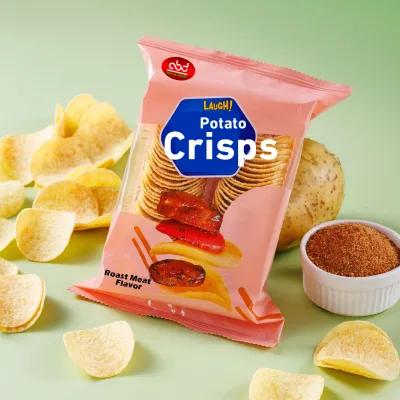
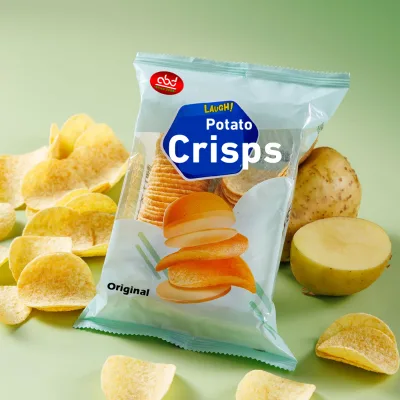


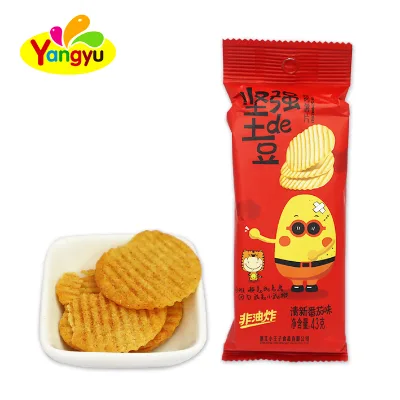


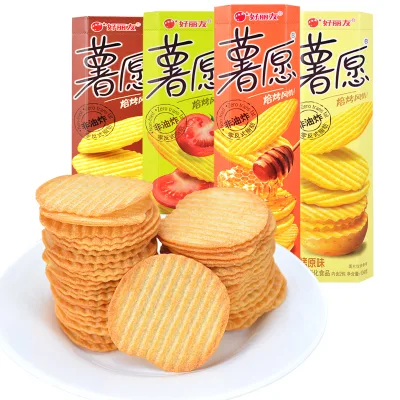

Comprehensive Sourcing Guide
Strategic Sourcing Guide for Halal Natural Potato Chips
Procuring Halal Natural Potato Chips requires a disciplined approach that balances religious compliance, nutritional expectations, and supply chain reliability. The global market for these products has expanded significantly, driven by a demographic shift toward health-conscious consumption and the growing demand for certified religiously compliant food items. For B2B buyers, the complexity lies not just in finding a supplier, but in verifying that the product attributes align with the specific definitions of "natural," "halal," and "potato chips" as observed in the current supply landscape. This guide outlines the critical technical, compliance, and operational factors necessary for a successful procurement strategy.
Technical Specifications and Product Attributes
The foundational step in sourcing involves defining the precise technical specifications of the product. In the current market, "potato chips" are not a monolithic category but exist in various forms, ranging from traditional fried slices to puffed snacks and crisp varieties. Buyers must distinguish between these types based on their specific application needs. The available product data indicates that the core raw material is potato, often processed into puffed food or fruit and vegetable snacks. This distinction is vital because the processing method—specifically frying—directly impacts the final texture and fat content.
When evaluating the product model, buyers should expect variations such as "snack," "potato chips," and "potato chips & potato crisp." These models often share a common origin but differ in their final presentation. The standard packaging observed includes cartons, cansisters, and bags, with specific configurations like 24 tins per carton. The weight of individual units is a critical specification, with common observations indicating a 5 kg unit weight for bulk shipments. Furthermore, the ingredient profile is a primary differentiator. While the base ingredient is potato, some formulations include multi-ingredients such as cereals, lentils, and chickpeas to create "green food snacks." Buyers must verify if the specific order requires pure potato chips or a composite snack that includes these additional legumes and grains.
The taste profile is another essential technical parameter. The market offers a spectrum of flavors, including natural, spicy, and salty. For a "natural" product claim, the absence of artificial preservatives is often implied, though the specific formulation must be confirmed. The shelf life is a critical logistical factor, with observed data suggesting a duration of over 12 months when stored correctly. Storage requirements are typically defined as a dry place or normal storage conditions, ensuring the product maintains its crispness and flavor integrity throughout the supply chain.
Compliance and Certification Verification
For buyers targeting the "halal" segment, certification is not merely a marketing claim but a legal and religious requirement. The supply data confirms that reputable suppliers in this sector often hold a robust suite of certifications, including BRC, ISO, FDA, HACCP, and Halal. These certifications serve as independent verification of the manufacturing environment and the integrity of the supply chain. The presence of a Halal certification is particularly critical, as it ensures that the product is suitable for the Muslim market and free from any haram (forbidden) ingredients, such as pork derivatives or alcohol-based flavorings.
Buyers must also consider the intersection of other dietary standards. The product data indicates that many of these snacks are also Kosher and suitable for vegans. This multi-compliance capability is a significant advantage for buyers targeting diverse consumer bases. However, the verification process must be rigorous. Buyers should request current, valid certificates from recognized issuing bodies and ensure that the scope of the certification explicitly covers the specific product line being purchased. The manufacturing location, often cited as Hebei, China, or generally China, must be audited to ensure that the facility adheres to the standards required by the certification bodies.
The term "natural" in the product description implies a specific set of production standards. While the data notes that the snacks are "all in natural" and "healthier," buyers should not assume this without verification. The absence of artificial additives, the use of natural oils, and the sourcing of raw vegetables from compliant agricultural practices are key elements that define a natural product. The "light snacks" attribute, characterized by being less salty, low fat, and less oil, further supports the health-conscious positioning of the product. Buyers should verify the specific oil used in the frying process, as the type of oil can impact both the health profile and the Halal status of the final product.
Cost Drivers and Pricing Dynamics
Understanding the cost structure of Halal Natural Potato Chips is essential for budgeting and negotiation. The observed price range in the market is broad, spanning from $0.01 to $11,000, which reflects the diversity of product types, packaging sizes, and order volumes. This wide range indicates that the unit price is highly dependent on the specific configuration of the order. Small, single-item units will have a different cost structure compared to bulk industrial orders.
The Minimum Order Quantity (MOQ) is a significant cost driver, with observed ranges from 1 to 25,000 units. Suppliers with lower MOQs may charge a premium per unit to cover setup and logistics costs, while larger orders benefit from economies of scale. Buyers must balance their inventory needs with the MOQ requirements to optimize cash flow. The packaging material, identified as paper, carton, or bag, also influences the final cost. Custom packaging, such as branded boxes or specialized cartons, will incur additional expenses compared to standard generic packaging.
Another factor affecting cost is the customization capability. The data confirms that customization is available, allowing buyers to tailor the product to their brand's specific needs. This includes custom branding, specific flavor profiles, and unique ingredient combinations. While customization adds value, it often requires higher production runs or setup fees. The origin of the product, primarily China, offers competitive manufacturing costs, but buyers must factor in shipping, tariffs, and import duties into their total landed cost calculations. The weight of the product, typically 5 kg per unit, also plays a role in freight costs, as heavier shipments require more robust logistics solutions.
Typical Applications and Market Segmentation
The versatility of Halal Natural Potato Chips makes them suitable for a wide range of applications and market segments. The product data explicitly states that these snacks are suitable for "Old Man, Adult, Children, Any Market," indicating a broad demographic appeal. This universality is enhanced by the "healthier" positioning, which appeals to parents seeking nutritious options for children and health-conscious adults. The "kids food" attribute suggests that the product is marketed as a safer, more wholesome alternative to traditional junk food.
In terms of specific applications, these snacks are ideal for retail distribution, vending machines, and food service channels. The "gift" attribute, which includes combinations like candy and toy with chips snacks, opens up opportunities for promotional campaigns and seasonal gifting. The "daily food" claim, suggesting the product delivers energy all day, positions it as a viable option for office pantries, school canteens, and athletic facilities. The "nibble time" attribute further reinforces its role as a convenient, on-the-go snack.
The "plant-based meat products" instruction found in the data suggests a potential crossover application, although this is less common for traditional potato chips. It indicates that the manufacturing capabilities of the supplier may extend to other plant-based categories, offering buyers the opportunity to diversify their product portfolio with a single supplier. The "green food snacks" aspect, derived from lentils and chickpeas, targets the growing segment of consumers looking for plant-based protein sources. This versatility allows buyers to target multiple consumer segments with a single product line, maximizing market penetration.
Supplier Evaluation and Quality Control
Selecting the right supplier is critical to ensuring product consistency and compliance. Buyers should evaluate suppliers based on their manufacturing capabilities, certification status, and track record. The data identifies "Abiding" as a manufacturer, but buyers should not rely on a single name; instead, they should seek suppliers with similar profiles. Key evaluation criteria include the supplier's ability to meet the specific MOQ, their lead times, and their flexibility regarding customization.
Quality control is paramount, especially for products claiming to be "natural" and "halal." Buyers should implement a rigorous quality assurance protocol that includes pre-shipment inspections and random sampling. The "storage method" and "storage type" (dry place) must be verified during the inspection to ensure that the product has not been compromised by moisture or temperature fluctuations. The "shelf life" of over 12 months must be validated through batch testing to ensure that the product remains safe and palatable throughout its intended lifespan.
The "processing type" of frying is a critical quality control point. Buyers should verify that the oil used is fresh and of high quality, as rancid oil can ruin the flavor and safety of the product. The "taste" profile, whether natural, spicy, or salty, must be consistent with the buyer's specifications. The "multi-ingredients" such as cereals and healthier components must be accurately measured and mixed to ensure the product meets the declared nutritional profile. Regular audits of the supplier's facility can help maintain these standards and ensure ongoing compliance with BRC, ISO, and Halal requirements.
Long-Term Procurement Considerations
Sourcing Halal Natural Potato Chips is not a one-time transaction but a long-term partnership that requires strategic planning. Buyers should consider the scalability of the supply chain to accommodate future growth. The ability to customize products allows for brand evolution, but buyers must ensure that the supplier can maintain quality as volumes increase. The "custom made" nature of the product suggests that the supplier is willing to adapt, but this flexibility must be balanced with the need for standardization to ensure consistency.
Supply chain resilience is another key consideration. Given the global nature of the supply chain, buyers should have contingency plans for potential disruptions. The "place of origin" being Hebei, China, or generally China, means that buyers must be aware of geopolitical factors, trade policies, and logistics challenges that could impact delivery. Diversifying the supplier base can mitigate these risks, although the data suggests a concentration of suppliers in this region.
Finally, buyers should focus on building a relationship based on transparency and mutual benefit. Open communication regarding quality expectations, certification requirements, and delivery schedules will foster a strong partnership. The "healthier" and "natural" attributes of the product are valuable selling points that can be leveraged in marketing campaigns, but only if the supply chain can consistently deliver on these promises. By maintaining a disciplined approach to procurement, buyers can ensure a steady supply of high-quality, compliant products that meet the evolving needs of their customers.
FAQs
What certifications do Halal Natural Potato Chips suppliers hold?
Suppliers typically hold BRC, ISO, FDA, HACCP, and Halal certifications. These verify manufacturing integrity and religious compliance for the Muslim market, ensuring the product is free from forbidden ingredients.
How long is the shelf life of these potato chip snacks?
The observed shelf life exceeds 12 months when stored correctly. Buyers must ensure storage occurs in a dry place or under normal conditions to maintain crispness and flavor integrity throughout the supply chain.
Which packaging materials are used for bulk potato chip orders?
Common packaging materials include paper, cartons, and bags. Specific configurations often involve 24 tins per carton or 5 kg units, with options for custom branding and specialized cartons available upon request.
Can buyers customize the flavor and ingredients of the snacks?
Yes, customization is available for flavor profiles like natural, spicy, or salty. Buyers can also request specific ingredient combinations, such as adding cereals or lentils, to create unique healthier snack formulations.
What is the typical minimum order quantity for these products?
The minimum order quantity ranges from 1 to 25,000 units depending on the supplier. Lower MOQs may incur higher per-unit costs, while larger orders benefit from economies of scale in production and shipping.
Where are these halal potato chips typically manufactured?
Products originate primarily from China, with specific facilities located in Hebei and Shijiazhuang. Buyers should verify facility audits to ensure compliance with international standards like BRC and Halal requirements.