Source Halal Plant Based Ackermansia and Berberine Gummies for immunity, digestion, and metabolism
Find 30 verified options for Halal Plant Based Ackermansia and Berberine Gummies from Chinese manufacturers. Buyers can compare specifications, certifications, and pricing for adult dietary supplements designed to support immunity and metabolic health.
Key considerations
Products List
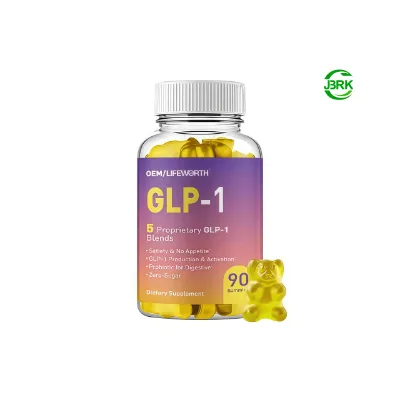
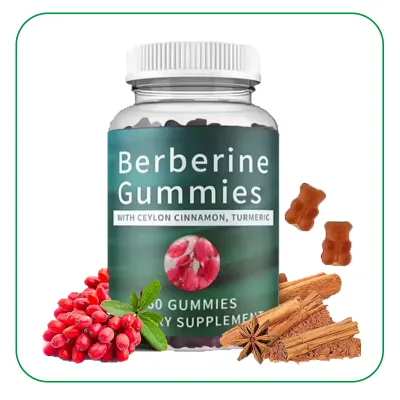


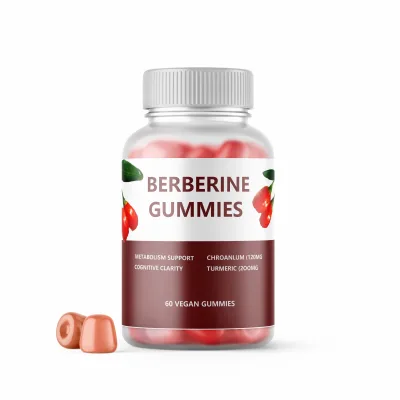
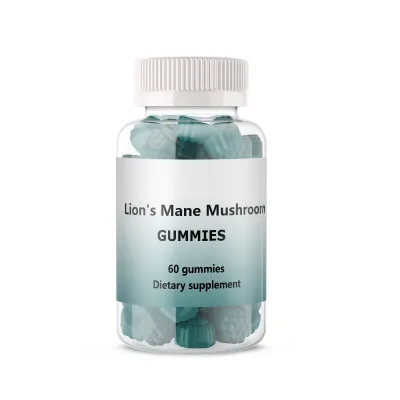


Nutritional Supplement Gummies Cherybery Fruit Candy Vitamin C Gel Gummies
$1.35 - $1.75
MOQ: 5000 Bottle

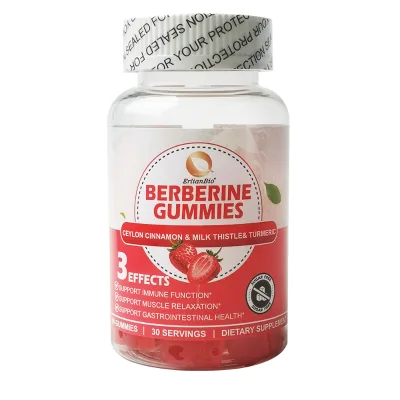
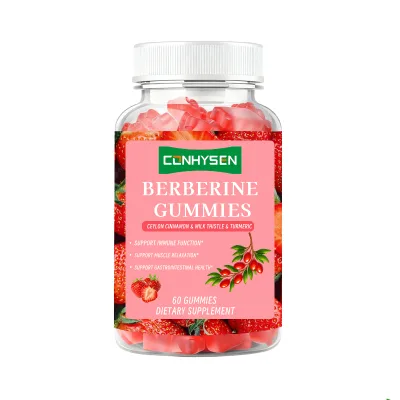
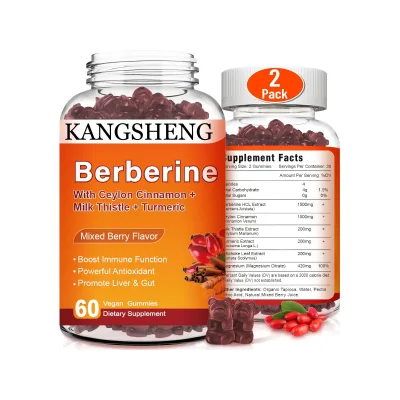
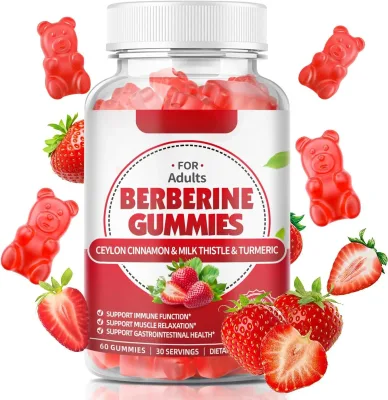


Comprehensive Sourcing Guide
Strategic Sourcing Guide for Halal Plant-Based Ackermansia and Berberine Gummies
The global demand for functional gummies has surged, driven by consumer preference for convenient, palatable delivery systems for metabolic and gut health support. When sourcing halal plant-based ackermansia and berberine gummies, buyers must navigate a complex landscape where specific botanical ingredients intersect with strict religious compliance and rigorous quality standards. This guide provides an evidence-based framework for procurement professionals to evaluate suppliers, verify product integrity, and establish long-term supply chains that meet both regulatory and market expectations. The focus remains on technical specifications, compliance verification, and risk mitigation strategies derived from current industry practices and available product data.
Technical Specifications and Formulation Architecture
The core of any successful gummy product lies in its formulation architecture, particularly when combining niche ingredients like Akkermansia muciniphila (often referred to as Ackermansia) with berberine. Ackermansia is a beneficial gut bacterium, while berberine is a plant alkaloid known for its metabolic benefits. The intersection of these two requires a stable delivery matrix that preserves the viability of the probiotic while ensuring the bioavailability of the alkaloid.
In the context of gummy manufacturing, the dosage form is critical. Standard industry observations indicate that gummies typically utilize a gelatin or pectin base. For plant-based requirements, pectin derived from fruit sources is the standard alternative to animal-derived gelatin. The formulation must also account for the "Main Ingredient" profile. While some market listings highlight specific compounds like GLP-1 or Cinnamon Berberine, a product targeting Ackermansia and Berberine requires a distinct formulation strategy. Buyers should verify that the "Main Ingredient" list explicitly names the probiotic strain and the berberine salt form, ensuring the concentration aligns with clinical efficacy thresholds.
The physical specifications of the final product are equally important. Typical single package sizes for gummy supplements range from compact units suitable for retail display to bulk packaging for distribution. Observed data from similar functional gummies suggests a standard single package size of approximately 6x6x12 cm to 10x15x15 cm, depending on the bottle capacity. A common configuration involves 60 gummies per bottle, which aligns with a 30-day supply if the recommended dose is two gummies per serving. The "Single gross weight" for such a package is typically around 0.200 kg, though bulk shipments will vary significantly based on palletization and outer carton dimensions.
Compliance Verification and Certification Standards
One of the most critical aspects of sourcing these specific gummies is verifying compliance with Halal standards and plant-based claims. The term "Halal" implies that the product contains no pork-derived ingredients, alcohol, or other prohibited substances, and that the manufacturing process adheres to Islamic dietary laws. For a product claiming to be "plant-based," the gelatin source must be strictly botanical, such as pectin, agar-agar, or carrageenan, rather than bovine or porcine gelatin.
Buyers must demand valid certification documentation. While specific product listings may display certifications like HACCP, GMP, ISO, QS, and KOSHER, the presence of a Halal certificate is non-negotiable for this specific keyword. The "Certificate" field in supplier data often lists multiple standards; however, the absence of a Halal mark in a generic list does not confirm compliance. Procurement teams should verify that the Halal certificate is issued by a recognized authority in the region of origin, such as the Islamic Food and Nutrition Council of America (IFANCA) or a comparable body in China or Southeast Asia.
Furthermore, the "Grade" of the raw materials must be verified. The "Health Food Grade" designation is a positive indicator, but it is not a substitute for specific ingredient purity testing. For Ackermansia, which is a live microorganism, the viability count at the time of manufacture and at the end of the shelf life is a crucial compliance metric. Buyers should request stability data proving that the probiotic strain remains viable throughout the stated "Shelf Life" of 24 months under the recommended "Storage Method" of cool, dry conditions away from sunlight.
Cost Drivers and Economic Factors
The cost structure of Ackermansia and Berberine gummies is influenced by several unique factors compared to standard multivitamin gummies. The primary cost driver is the raw material itself. Akkermansia muciniphila is a specialized probiotic strain that requires complex fermentation and freeze-drying processes to ensure stability in a gummy matrix. This significantly increases the raw material cost compared to generic vitamins or minerals. Berberine, while more common, also carries a premium when sourced in high-purity forms suitable for dietary supplements.
Packaging and logistics also play a significant role in the final landed cost. The "Single package size" and "Single gross weight" determine shipping efficiency. Products with larger dimensions or heavier weights per unit, such as those with a gross weight of 250.000 KG for bulk shipments, require careful freight calculation. The "MOQ" (Minimum Order Quantity) is another economic variable. Market observations show MOQs ranging from 50 units to 150,000 units, with a typical entry point around 500 units for private label projects. Buyers must balance the unit cost savings of larger orders against the inventory holding costs and the risk of product expiration, given the 24-month shelf life.
Additionally, the "Customization" options, such as private labeling and OEM availability, add to the cost. Suppliers offering "Logo Printing" and specific flavor profiles like "Orange" or "Ceylon Cinnamon" may charge setup fees. The "Feature" set, including claims like "Sugar-Free," "Low-Fat," or "Organic," also impacts pricing, as these require specific ingredient substitutions and potentially more rigorous supply chain auditing.
Typical Applications and Target Market Segmentation
Understanding the application of these gummies is essential for positioning the product correctly. The primary application for Ackermansia and Berberine gummies is metabolic health support. Berberine is widely recognized for its role in supporting healthy blood sugar levels and lipid metabolism, while Ackermansia is associated with gut barrier integrity and immune modulation. The "Applicable People" for such products are typically adults, with specific exclusions for "Children" and "Pregnant Women" due to the potency of the ingredients and the lack of safety data for these demographics.
The "Gender" profile for these supplements is generally "Unisex," appealing to a broad adult demographic. The "Effectiveness" claims often focus on "Promotion Development" of metabolic health, though buyers must ensure that marketing materials adhere to local regulatory frameworks regarding health claims. The "Dose" of two gummies per serving is a standard industry practice that balances efficacy with palatability.
These products are particularly relevant for the growing "Health Food" sector, where consumers seek functional benefits beyond basic nutrition. The "Type" of product as a "Gummy" makes it accessible to consumers who struggle with swallowing large pills. The "Flavor" profile, such as orange or cinnamon, is critical for masking the bitter taste often associated with berberine, thereby improving consumer adherence.
Supplier Evaluation and Due Diligence
Evaluating suppliers for this niche category requires a multi-faceted approach. The "Place of Origin" is a significant factor; while some listings indicate "Guangdong, China" and others "Shaanxi, China," buyers should verify the specific manufacturing facility's capabilities. The "Model Number" (e.g., 5222 or lnbol01) can serve as a reference for specific production lines, but it is not a guarantee of quality.
Buyers should assess the supplier's "Sample" availability. The ability to provide samples is a strong indicator of a supplier's confidence in their product and their willingness to engage in a partnership. The "Sample" should be evaluated for texture, flavor, and, crucially, the viability of the Ackermansia strain.
The "Brand Name" and "Logo Printing" capabilities are also important. Whether the buyer is launching a private label or sourcing a white-label product, the supplier's ability to execute high-quality branding is essential. The "Storage Note" regarding "Insect Prevention" and the requirement to store in a "Cool Dry Place Avoid Sunlight" must be clearly communicated in the supplier's quality assurance protocols.
Quality Control and Long-Term Procurement Considerations
Quality control (QC) is the backbone of a sustainable supply chain for functional gummies. The "Certificate" list, including HACCP, GMP, and ISO, indicates a baseline level of quality management, but specific testing for the active ingredients is required. Buyers should mandate third-party testing for heavy metals, microbial contamination, and potency verification of both Ackermansia and Berberine.
The "Shelf Life" of 24 months is a standard claim, but it must be supported by real-time stability data. The "Storage Method" must be strictly enforced throughout the supply chain. Any deviation from the "Cool Dry Place" requirement can compromise the viability of the probiotic and the stability of the gummy matrix.
Long-term procurement considerations include the scalability of the supplier. The "MOQ" of 500 units suggests a flexible entry point, but the ability to scale to 150,000 units without compromising quality is a key differentiator. Buyers should also consider the "Lead Time" and "Single package size" for logistics planning. The "Single gross weight" of 0.200 kg per unit is a critical metric for freight optimization.
Finally, the "Not Applicable People" list, which includes "Children" and "Pregnant Women," must be clearly communicated on the label and in marketing materials to ensure consumer safety. The "Purity" claim of "Pure Nature" should be backed by ingredient sourcing documentation.
Comparative Analysis of Product Attributes
To assist buyers in making informed decisions, the following table summarizes key attributes observed in the market for similar functional gummies. This comparison highlights the variability in specifications and the importance of verifying each parameter against the specific needs of the buyer.
| Attribute | Observation A (GLP-1 Style) | Observation B (Berberine/Cinnamon) | Relevance to Ackermansia/Berberine |
|---|---|---|---|
| Main Ingredient | GLP-1 | Berberine | Must verify specific strain and salt form |
| Dosage Form | Gummies | Gummies | Standard format for delivery |
| Shelf Life | 24 Months | 24 Months | Critical for probiotic viability |
| Applicable People | Adult | Adults | Must exclude children/pregnant women |
| Certification | HACCP | KOSHER, QS, HACCP, GMP, ISO | Halal certification is mandatory |
| Storage | Shade | Cool Dry Place | Strict temperature control required |
| MOQ | 500 | 500 | Flexible entry points available |
| Package Size | 6X6X12 cm | 10X15X15 cm | Impacts logistics and shelf fit |
| Gross Weight | 250.000 KG (Bulk) | 0.200 kg (Unit) | Essential for freight calculation |
This table underscores that while many attributes are consistent across functional gummies, the specific ingredient profile and certification requirements for Ackermansia and Berberine demand a higher level of scrutiny. Buyers must ensure that the "Feature" set, such as "Sugar-Free" or "Organic," aligns with their brand positioning and that the "Flavor" profile effectively masks the taste of the active ingredients.
In conclusion, sourcing halal plant-based ackermansia and berberine gummies requires a disciplined approach that prioritizes technical verification, compliance documentation, and robust quality control. By focusing on the specific attributes of the product, such as the "Main Ingredient," "Shelf Life," and "Certificate" status, buyers can mitigate risks and establish a supply chain that delivers high-quality, effective, and compliant products to the market. The complexity of the formulation, combined with the strict Halal and plant-based requirements, necessitates a partnership with suppliers who demonstrate transparency and a commitment to excellence in every stage of production.
FAQs
What certifications do these gummies typically have?
These gummies typically hold HACCP, GMP, ISO, QS, and Kosher certifications. Buyers must verify that a specific Halal certificate is present, as standard lists may not explicitly confirm religious compliance for all products.
How should the product be stored to maintain viability?
Store the gummies in a cool, dry place away from direct sunlight to ensure stability. This method prevents insect infestation and preserves the potency of ingredients like berberine and probiotics throughout the 24-month shelf life.
Which people should avoid taking these gummies?
These gummies are not applicable for children or pregnant women due to ingredient potency. They are formulated specifically for adults, ensuring safety while delivering metabolic and gut health support through the recommended two-gummy serving.
Can suppliers provide samples for quality evaluation?
Yes, samples are available for buyers to evaluate texture, flavor, and ingredient viability before committing to large orders. This allows procurement teams to verify that the product meets specific Halal and plant-based requirements.
What is the minimum order quantity for private labeling?
The minimum order quantity typically starts at 500 units for private label projects. Buyers can customize features like flavor and logo printing, though larger orders up to 150,000 units may offer better pricing tiers.
Where are these gummies manufactured?
Manufacturing locations include Guangdong and Shaanxi in China, depending on the specific supplier and model number. Buyers should verify the exact place of origin to ensure alignment with their logistical and compliance needs.
What are the main ingredients in these functional gummies?
Main ingredients often include berberine and cinnamon, with some formulations focusing on GLP-1 support. For Ackermansia products, the specific probiotic strain must be verified to ensure it meets the required clinical efficacy thresholds.