Source Halal Organic Virgin Coconut Oil for cosmetics, detergents, and hair care
Compare 30 listings for Halal Organic Virgin Coconut Oil suitable for cosmetic raw materials, detergent production, and hair care chemicals. Buyers can evaluate specifications like purity, grade, and packaging options from verified Chinese manufacturers.
Key considerations
Products List

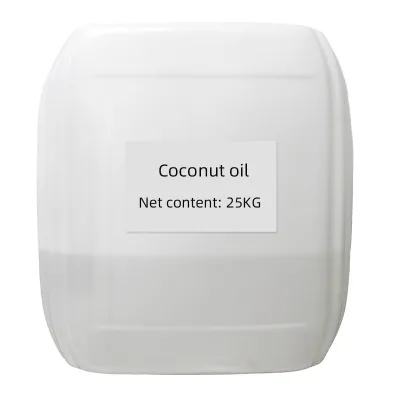


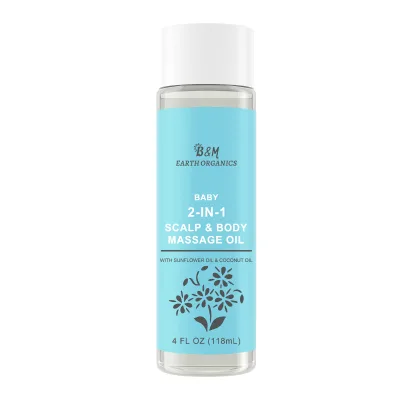


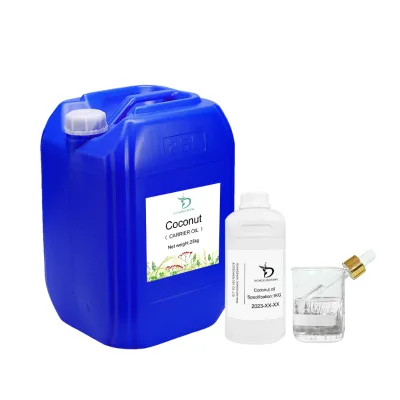

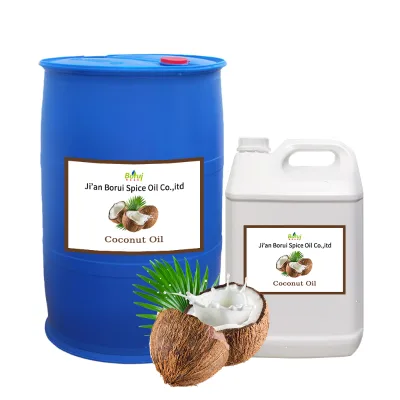

Comprehensive Sourcing Guide
Strategic Sourcing Guide for Halal Organic Virgin Coconut Oil
Navigating the global market for Halal Organic Virgin Coconut Oil requires a disciplined approach that balances technical specifications with rigorous compliance verification. Buyers seeking this specific commodity must understand that while the core keyword suggests a premium, consumer-ready product, the B2B supply chain often operates on a raw material basis where customization and grade separation are paramount. The following guide outlines the critical factors for sourcing this ingredient, drawing upon observed market data and standard industry practices to ensure a procurement strategy that mitigates risk and aligns with quality expectations.
Technical Specifications and Grade Differentiation
The foundation of any successful procurement for virgin coconut oil lies in understanding the precise technical definitions and grade separations available in the market. Based on observed product attributes, the raw material is fundamentally identified as coconut oil, often sourced from natural resources. However, the distinction between "virgin" and other processing methods is critical. The market data indicates that products are available in specific grades, including Food Grade and Cosmetic Grade, with some listings explicitly noting "Pure Essential Oil Grade A" or "Pure Essential Oil" classifications.
Buyers must verify the extraction method, as the term "virgin" implies a specific processing technique that preserves the oil's natural properties. The supplied context highlights "Extraction" as a primary method, but it does not explicitly define the temperature or mechanical constraints that define "virgin" status in every listing. Therefore, a buyer must request detailed processing parameters to confirm the oil meets the virgin standard. Furthermore, the physical appearance is consistently described as a liquid, with purity levels cited as high as 99% in certain contexts. However, these numerical values should be treated as observations of specific listings rather than universal guarantees. The nutrient composition is noted as containing minerals, and the oil is characterized as a natural resource with a specific function, such as anti-inflammatory properties, which are often relevant for cosmetic and therapeutic applications.
The physical form of the product is another key specification. While consumer-facing products may come in small units, B2B transactions frequently involve bulk packaging. Observed packing configurations range significantly, including drums of 180kg, 11kg, and IBC containers, as well as smaller units like 1kg, 3kg, 5kg, 10kg, 25kg, and 50kg in galvanized steel drums. The standard volume for specific product models is listed as 1L, 100ml, 200ml, and 500ml, indicating a wide spectrum of availability from laboratory samples to industrial bulk. Understanding these volume constraints is essential for aligning the procurement with storage capabilities and production schedules.
Compliance, Certification, and Halal Verification
For a product labeled as "halal organic," the verification of certifications is the most critical step in the sourcing process. The market data confirms that suppliers often provide certifications such as MSDS, GMP, and FDA. While these are standard indicators of quality and safety, they do not automatically equate to Halal or Organic status. A buyer must explicitly request Halal certification documents from the relevant Islamic authority and Organic certification from recognized bodies (such as USDA, EU Organic, or equivalent national standards). The presence of GMP (Good Manufacturing Practice) and FDA registration suggests a facility that adheres to strict hygiene and regulatory standards, which is a positive indicator for the integrity of the Halal claim, but it is not a substitute for specific Halal certification.
The "Halal" designation implies that the product is free from prohibited substances and has been processed according to Islamic law. In the context of coconut oil, this primarily concerns the absence of cross-contamination with non-halal substances during extraction and packaging. The "Organic" claim requires verification of the agricultural practices used in the cultivation of the coconuts, ensuring no synthetic pesticides or fertilizers were used. Buyers should demand a certificate of analysis (COA) that specifically addresses these compliance points. The supplied facts mention "Natural" as a resource type and "Pure Essential Oil Grade A" as a material grade, which supports the organic narrative, but the explicit Halal status must be confirmed through documentation provided by the supplier.
Cost Drivers and Pricing Structures
The pricing of virgin coconut oil in the B2B sector is influenced by a complex interplay of factors, including grade, packaging, certification, and order volume. The observed price range in the market is vast, spanning from $0.65 to $9,100. This extreme variance is likely driven by the difference between raw bulk commodities and finished, certified, or customized products. The minimum order quantity (MOQ) also plays a significant role, with observed ranges from 1 unit to 5,000 units. A buyer purchasing a single unit for sampling will face a significantly higher per-unit cost compared to a bulk purchaser of 180kg drums.
Several specific cost drivers must be analyzed. First, the grade of the oil is a primary determinant; Food Grade and Cosmetic Grade oils may carry different price premiums based on purity requirements and intended use. Second, the packaging format affects the cost; galvanized steel drums and IBC containers are more expensive than standard cartons but offer better protection for bulk transport. Third, the level of customization, such as logo printing or specific formulation adjustments, adds to the cost. The data indicates that customization and OEM/ODM services are available, which allows for tailored products but inevitably increases the unit price. Additionally, the supply type (OEM/ODM) suggests that the buyer may be paying for the manufacturer's expertise and branding services, which is a cost factor distinct from the raw material price.
Typical Applications and Usage Scenarios
Virgin coconut oil serves a diverse range of applications across multiple industries, making it a versatile ingredient for B2B buyers. The observed usage categories include cosmetic raw materials, detergent raw materials, hair care chemicals, and oral care chemicals. This breadth of application underscores the oil's compatibility with various formulations. In the cosmetic sector, the oil is utilized for its moisturizing properties, particularly for dry skin types, and its anti-inflammatory functions. The ingredient profile, which includes turmeric, lavender, almonds, and flowers in some formulations, suggests that buyers can source blends that offer enhanced therapeutic benefits.
The distinction between Food Grade and Cosmetic Grade is crucial for application alignment. Food Grade oil is suitable for culinary uses and dietary supplements, while Cosmetic Grade oil is optimized for topical application in skincare and haircare products. The data also notes the oil's use in detergent and oral care chemicals, indicating its role as a base ingredient for cleaning agents and hygiene products. For buyers in the food industry, the "Natural" resource status and "Mineral" nutrient composition are key selling points. In the pharmaceutical or therapeutic sector, the "Anti-Inflammatory" function and "Pure Essential Oil" classification are significant value drivers. Understanding these application-specific requirements helps buyers select the correct grade and specification to avoid compatibility issues in their final products.
Supplier Evaluation and Origin Considerations
Evaluating suppliers for virgin coconut oil requires a focus on origin, production capacity, and service flexibility. The primary place of origin identified in the market data is Guangdong, China, with a specific mention of the Loading Port as Xingang Port. While this provides a geographical baseline, buyers should verify the specific farm-to-factory traceability of the coconuts to ensure the "Organic" and "Halal" claims are authentic. The presence of OEM/ODM capabilities indicates that suppliers are willing to adapt their production lines to meet specific buyer requirements, which is a strong indicator of a flexible and capable partner.
When evaluating a supplier, buyers should assess their storage and handling protocols. The data specifies storage requirements such as "Cool Dry Place" or "Normal" conditions, which are essential for maintaining the oil's stability and shelf life. The shelf life is noted as 24 months, a standard duration for high-quality coconut oil, but this must be verified against the specific batch being purchased. Additionally, the availability of free samples, though freight charges may apply, is a critical tool for quality verification. Buyers should utilize this opportunity to test the oil's appearance, purity, and scent before committing to a large order. The supply type being OEM/ODM suggests that the supplier can handle custom branding and packaging, which is essential for buyers looking to build their own brand identity.
Quality Control and Long-Term Procurement Strategy
Implementing a robust quality control (QC) framework is essential for maintaining the integrity of the supply chain. Given the variability in observed specifications, buyers must establish clear acceptance criteria for each batch. Key QC checkpoints include verifying the purity level (targeting the observed 99% standard), checking for the absence of contaminants, and confirming the physical state (liquid appearance). The "Grade Separation" into Food Grade or Cosmetic Grade must be strictly enforced to prevent cross-contamination or mislabeling.
For long-term procurement, buyers should prioritize suppliers who offer consistent quality and reliable lead times. The observed delivery time is "Within 7 Days After Received The Order," which indicates a responsive supply chain, but this should be confirmed for specific large-volume orders. Building a relationship with a supplier that offers customization, such as logo printing and specific packaging (e.g., 180kg drums or 1kg units), can streamline the procurement process. Furthermore, maintaining a buffer stock of high-quality oil is advisable to mitigate supply chain disruptions. Buyers should also consider the environmental and ethical implications of their sourcing, ensuring that the "Natural" and "Organic" claims align with their corporate sustainability goals. By focusing on these strategic elements, buyers can secure a reliable supply of Halal Organic Virgin Coconut Oil that meets their technical and compliance requirements.
FAQs
Can I get custom logos and OEM services for this oil?
Yes, customization and OEM services are available for this product. Suppliers offer customized logos and accept OEM/ODM requests to tailor the product to your specific branding needs.
What grades of coconut oil are available for purchase?
The product is available in Food Grade and Cosmetic Grade, with some listings specifying Pure Essential Oil Grade A. You can also find options labeled as Food Grade or Cosmetic Grade depending on your intended application.
How long is the shelf life of the virgin coconut oil?
The shelf life is typically 24 months when stored correctly. Buyers should ensure storage in a cool, dry place or normal conditions to maintain the oil's stability and quality over this period.
What packaging options exist for bulk orders?
Packaging ranges from small units like 1kg to large drums of 180kg. Options include galvanized steel drums, IBC containers, and cartons, with specific volumes like 1L, 100ml, or 500ml for smaller needs.
What certifications do the suppliers typically provide?
Suppliers often provide MSDS, GMP, and FDA certifications. While these indicate quality and safety, buyers must explicitly request Halal and Organic certificates as these are not automatically included with the standard certifications.
What is the lead time for delivery after ordering?
Delivery is typically within 7 days after receiving the order. This fast turnaround applies to standard orders, though large volume shipments may require verification of specific capacity and logistics.
Is the raw material considered a natural resource?
Yes, the raw material is identified as a natural resource and is often described as pure essential oil. The oil is derived from coconut and may contain natural ingredients like turmeric or lavender in blends.