Source Hand Made Decorative Glass Vase for Home, Gift, Collection
Find 30 Hand Made Decorative Glass Vase options from Chinese manufacturers. Compare specifications, sizes, and customization features for home decor, gifts, and collection purposes.
Key considerations
Products List


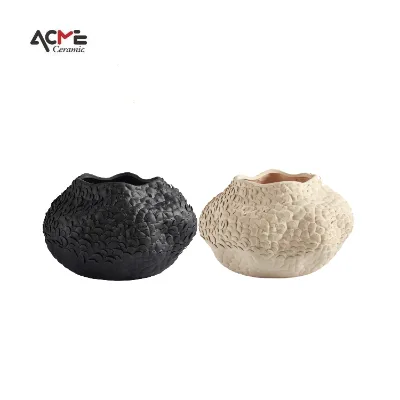


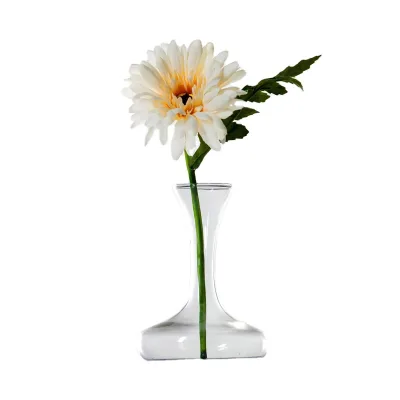
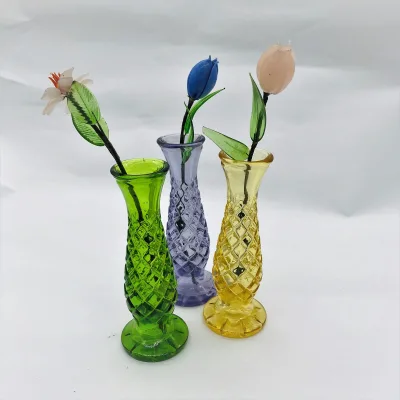


Comprehensive Sourcing Guide
Strategic Sourcing Guide for Hand-Made Decorative Glass Vases
Understanding Product Attributes and Variability in Glass Vases
When sourcing hand-made decorative glass vases, buyers must first recognize that "hand-made" represents a specific processing category distinct from machine-made production, yet it coexists with various other manufacturing methods in the broader market. The core product category involves glass vases designed primarily for decorative purposes, suitable for home environments, and often categorized under modern or everyday usage styles. A critical observation in the current market is the significant variability in product attributes. While the core keyword emphasizes hand-made techniques, the available data indicates a mix of processing methods, including blown, machine-made, and hand-made options. This suggests that a buyer searching for "hand-made" must explicitly filter for this specific attribute, as the term "glass vase" encompasses a wide spectrum of production techniques.
The physical characteristics of these vases vary widely in size and shape. Specifications observed in the market range from medium to large dimensions, with specific height measurements such as 12.5x31.5cm, 12.7x35cm, and 15cm/20cm/25cm/30cm options. Shapes are not limited to traditional cylinders; oval forms are also prevalent. The aesthetic finish is equally diverse, with glaze types ranging from color glazed and opaque to transparent finishes. Some products feature colored finishes, while others maintain the natural transparency of the glass. The weight of individual units can also vary, with specific examples noting a weight of 650g, indicating that buyers should verify the weight specifications for their specific model requirements to ensure compatibility with shipping and display logistics.
Technical Specifications and Dimensional Standards
Technical precision is paramount when ordering custom or standard glass vases, particularly for B2B procurement where consistency across large orders is required. The market data reveals that dimensional standards are often defined by specific height and width measurements. For instance, standard specifications include heights of 19.5cm, 31.5cm, and 35cm, with some models offering a range of sizes to accommodate different floral arrangements or display needs. The top size is another critical technical parameter, with specific examples showing a top diameter of 71mm. Buyers must verify these dimensions against their design requirements, as the "Large" or "Medium" classification is relative and depends on the specific model number, such as GA226-35P, 1977-31M, or HP-1008.
Packaging standards are equally technical and impact the final cost and safety of the shipment. The observed packaging methods include carton boxes, brown boxes, and color boxes, with specific configurations like 1 piece per color box and 36 pieces per carton. These packaging standards are essential for calculating the total volume and weight of the shipment, which directly influences freight costs. Furthermore, the origin of the products is a key technical specification, with the majority of the observed data pointing to China, specifically the Guangdong region. This geographical concentration suggests a mature supply chain ecosystem, but it also requires buyers to be aware of the specific logistics associated with shipping from this region.
Compliance, Certification, and Safety Standards
In the realm of decorative glass, compliance and certification are not merely bureaucratic hurdles but essential indicators of product safety and quality. The market data highlights several critical certifications that buyers should verify. Food safety certifications such as LFGB, FDA, and SGS are explicitly mentioned, which are crucial if the vases are intended for use with water, flowers, or potentially food-related decorative displays. These certifications ensure that the glass material does not leach harmful substances and meets international safety standards. Additionally, factory audit certifications like BSCI and FSC are noted, indicating that the manufacturing facilities adhere to social compliance and environmental sustainability standards.
It is important to distinguish between product certifications and factory audits. While LFGB, FDA, and SGS relate to the material safety of the glass vase itself, BSCI and FSC relate to the ethical and environmental practices of the manufacturing facility. Buyers should request valid certificates for both categories to ensure a comprehensive compliance check. The data also mentions ISO as a certification, though the specific standard number is not detailed in the provided context. Buyers should verify the exact ISO standard applicable to the product, as this can vary based on the manufacturing process and quality management systems. Without explicit verification of these certifications, buyers risk sourcing products that may not meet the regulatory requirements of their target markets.
Cost Drivers and Pricing Dynamics
The pricing of hand-made decorative glass vases is influenced by a complex interplay of factors, including material costs, labor intensity, customization levels, and order volume. The observed price range in the market is extensive, spanning from $0.32 to $57.85 USD. This wide disparity is driven by several key variables. First, the processing method plays a significant role; hand-made items generally command a higher price due to the labor-intensive nature of the craft compared to machine-made alternatives. Second, the level of customization is a major cost driver. Products offering OEM (Original Equipment Manufacturer) and ODM (Original Design Manufacturer) services, along with custom branding and design options, will typically be priced higher than standard off-the-shelf items.
Order volume, defined by the Minimum Order Quantity (MOQ), is another critical cost factor. The observed MOQ range is broad, extending from 0 to 5000 units, with specific examples citing MOQs of 1000 PCS and 3000 PCS. Higher MOQs often result in lower unit costs due to economies of scale, while smaller orders may incur premium pricing. Additionally, the complexity of the glaze type and finish affects the price. Opaque and color-glazed vases may require more complex firing processes than transparent ones, influencing the final cost. Lead time is also a hidden cost driver; longer lead times, such as the observed 45 days or ranges of 7-45 days, may impact inventory planning and potentially increase costs if expedited shipping is required.
Supplier Evaluation and Manufacturer Capabilities
Evaluating suppliers for hand-made decorative glass vases requires a deep dive into their manufacturing capabilities and business models. The market data indicates that suppliers often operate as OEM and ODM manufacturers, offering both private labeling and custom design services. This flexibility is a significant advantage for buyers looking to differentiate their product lines. However, the presence of both hand-made and machine-made processes in the same product listings necessitates careful supplier vetting. Buyers must explicitly confirm that the specific models they are ordering are indeed hand-made, as the "hand-made" attribute is not universal across all glass vases in the category.
Supplier location is another critical evaluation factor. The data points to China, specifically Guangdong, as a primary origin. This region is known for its glass manufacturing expertise, but buyers should verify the specific factory location to assess logistics and potential risks. Furthermore, the brand presence, such as the "Garbo" brand mentioned in the data, suggests that some suppliers may have established brand identities, while others may operate as white-label manufacturers. Buyers should assess the supplier's ability to handle custom orders, their response to quality issues, and their adherence to the observed certifications. The ability to provide samples and the transparency of their production process are also vital indicators of supplier reliability.
Quality Control and Inspection Protocols
Implementing a robust quality control (QC) protocol is essential when sourcing hand-made glass vases to mitigate the risks associated with manual production. The variability inherent in hand-made processes means that consistency can be a challenge. Buyers should establish clear acceptance criteria based on the observed specifications, such as dimensions, weight, and finish quality. For instance, verifying that the height matches the standard of 12.5x31.5cm or 12.7x35cm is crucial. Additionally, the inspection of the glaze type—whether it is color glazed, opaque, or transparent—must be performed to ensure it matches the agreed-upon sample.
Packaging integrity is another critical aspect of quality control. The observed packaging standards, such as 1PC per color box and 36PCS per carton, must be strictly adhered to prevent breakage during transit. Given the fragility of glass, buyers should request detailed packaging diagrams and conduct pre-shipment inspections to ensure that the protective measures are adequate. The weight of the product, such as the 650g example, should also be verified to ensure that the product meets the specified weight tolerance. Finally, buyers should verify the lead time and delivery time, as delays can disrupt supply chains. The observed delivery times of 45 days or ranges of 7-45 days should be confirmed in the contract to manage expectations and plan inventory accordingly.
Long-Term Procurement and Supply Chain Resilience
Sourcing hand-made decorative glass vases is not just a one-time transaction but a long-term strategic partnership. Buyers should consider the scalability of their supplier's operations, especially given the high MOQs observed in the market, such as 3000 PCS. As demand grows, the supplier must be able to maintain the quality and consistency of hand-made products without compromising on lead times. The flexibility of the supplier to offer both OEM and ODM services is a significant advantage for long-term growth, allowing buyers to adapt their product lines to market trends.
Sustainability and ethical sourcing are becoming increasingly important in long-term procurement strategies. The presence of BSCI and FSC certifications in the market data suggests that some suppliers are already addressing these concerns. Buyers should prioritize suppliers who can demonstrate a commitment to environmental and social responsibility, as this aligns with global market trends and consumer expectations. Additionally, diversifying the supplier base can mitigate risks associated with geopolitical issues or supply chain disruptions. By maintaining a relationship with multiple suppliers who offer similar hand-made capabilities, buyers can ensure business continuity and resilience in the face of unforeseen challenges.
FAQs
What certifications do hand made decorative glass vases have?
These vases hold LFGB, FDA, and SGS certifications for material safety. Factory audits like BSCI and FSC are also available to verify ethical and environmental compliance standards.
Which processing methods are used for glass vases?
Both hand-made and machine-made processes are available in the market. Some specific models are also produced using blown glass techniques to achieve different aesthetic finishes.
Can I customize the size and shape of the vases?
Customization is available for size, shape, and glaze type. Buyers can select from medium or large sizes and choose between oval or standard shapes with transparent or opaque finishes.
What is the typical lead time for these glass vases?
The lead time ranges from 7 to 45 days depending on order volume. Specific orders may require up to 45 days for delivery, so planning is essential for inventory management.
How are the vases packaged for shipping?
Packaging options include carton boxes, brown boxes, and color boxes. Specific configurations often feature one piece per color box with thirty-six pieces packed per master carton.
What are the minimum order quantities for these products?
Minimum order quantities vary from zero to 5000 pieces. Specific models list MOQs of 1000 or 3000 pieces, influencing the unit cost and pricing structure for buyers.