Source Hand Made Dolphin Fountain for Garden, Home, and Office
Find 30 Hand Made Dolphin Fountain options crafted from copper and marble. Compare European and American styles, custom sizes, and water pump features for garden, home, and outdoor decoration projects.
Key considerations
Products List


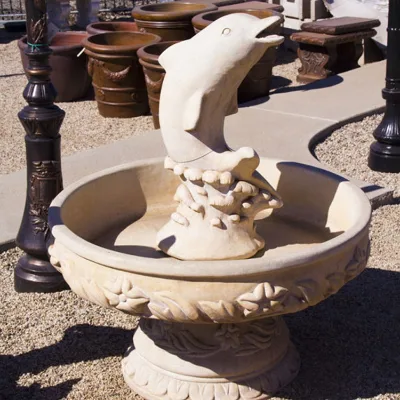


Outdoor Garden Bronze Dolphin and Life Size Mermaid Sculpture Water Fountains
$1200.00 - $3800.00
MOQ: 1 Pieces


High Polishing Garden Outdoor Large Bronze Dolphin Fountain Sculpture
$2000.00 - $5000.00
MOQ: 1 Pieces


Comprehensive Sourcing Guide
Hand Made Dolphin Fountain Sourcing Guide
Sourcing hand-made dolphin fountains requires a nuanced understanding of the intersection between artisanal craftsmanship and functional water feature engineering. These products are not merely decorative statues; they are complex assemblies that combine sculptural artistry with mechanical systems to create dynamic visual displays. Buyers must recognize that the "hand-made" designation implies a higher degree of variability and labor intensity compared to mass-produced resin or plastic alternatives. This guide provides a structured approach to evaluating suppliers, verifying technical integrity, and managing the commercial risks associated with importing large-scale, custom stone or metal water features.
The procurement process for these items is heavily influenced by the material choice, whether it be natural marble, copper, or composite stone, and the specific design complexity of the dolphin motif. Because each piece is often individually carved or cast, the lead times are significantly longer than standard industrial goods, and the quality control process must be rigorous to ensure that the final installation meets both aesthetic and hydraulic expectations. This guide outlines the critical verification steps necessary to secure a product that delivers long-term durability and visual impact without unexpected logistical or financial surprises.
Product Scope and Observed Listing Signals
The market for hand-made dolphin fountains spans a wide range of applications, from private garden installations to commercial hotel atriums and public plaza decorations. Observed listing signals indicate that these products are frequently categorized under home decor, souvenirs, and collection items, yet their physical scale often places them in the realm of architectural landscaping. Buyers should note that the style is predominantly European and American, featuring classical or modern interpretations of marine life. The usage extends beyond simple ornamentation to include functional water circulation, making the fountain a centerpiece that requires both aesthetic appreciation and technical maintenance.
Current market observations reveal a significant disparity in pricing, ranging from approximately $159.90 to $68,000 USD, which reflects the vast difference in material quality, size, and customization depth. The minimum order quantity (MOQ) is consistently observed at one piece, indicating that suppliers are primarily oriented toward custom orders and bespoke projects rather than bulk retail distribution. This low MOQ structure supports the "customized" nature of the product, allowing buyers to specify dimensions, water flow patterns, and base materials. However, this also means that economies of scale are limited, and buyers must carefully evaluate the value proposition of each unit based on its specific attributes rather than expecting volume discounts.
Technical Specifications to Verify
Verifying the technical specifications of a hand-made dolphin fountain is critical to ensuring it fits the intended installation space and functions correctly. Buyers must confirm the material composition, as listings may specify copper, marble, or other stone types, each with distinct maintenance requirements and weight considerations. For instance, marble fountains often come in medium sizes with heights ranging from 80cm to 100cm, while larger installations may reach heights of 300cm or more. The processing method is typically described as hand-carved and polished, which affects the surface finish and durability. Buyers should request detailed dimensional drawings and weight specifications to ensure that the receiving site has adequate structural support and access for delivery.
The hydraulic system is another crucial technical aspect that requires thorough verification. The fountain must include a water pump and appropriate nozzle types to create the desired visual effect, whether it be a gentle mist or a powerful jet. Buyers should inquire about the pump’s power rating, noise level, and energy efficiency, as these factors impact long-term operating costs. Additionally, the model numbers and design specifications, such as EQ409 or BF62, should be cross-referenced with the supplier’s catalog to ensure consistency. It is also important to verify the water supply requirements, including inlet pressure and flow rate, to ensure compatibility with the site’s plumbing infrastructure.
Compliance and Safety Documentation
Compliance and safety documentation are essential for hand-made dolphin fountains, particularly when they are installed in public spaces or commercial environments. Buyers must ensure that the electrical components, including the water pump and lighting systems, meet the safety standards of the destination country. This includes verifying that the equipment is certified for outdoor use if applicable, with appropriate IP ratings to protect against water ingress and electrical hazards. Although specific certification statuses may vary by supplier, buyers should explicitly request test reports and compliance certificates for all electrical and mechanical parts before finalizing the purchase.
Furthermore, the structural integrity of the fountain must be documented to prevent accidents during installation or operation. For large stone or metal fountains, buyers should request engineering calculations or load-bearing assessments to ensure that the base and supporting structures can handle the weight of the water and the sculpture itself. Insurance coverage for transit and installation risks should also be clarified, as these items are fragile and expensive to replace. Buyers should verify that the supplier offers comprehensive insurance that covers all risks during shipping, including protection against breakage, water damage, and handling errors, to mitigate financial exposure.
Cost Drivers and Commercial Terms
The cost of a hand-made dolphin fountain is driven by several key factors, including the raw material cost, the labor intensity of the hand-carving process, and the complexity of the hydraulic design. Buyers should expect higher prices for fountains made from premium materials like high-grade marble or solid copper, as well as those with intricate detailing and custom designs. The delivery time, often around 40 days, reflects the time required for crafting, curing, and quality control, which adds to the overall cost due to the extended production cycle. Additionally, packaging costs are significant, as these items require sturdy wooden crates with metal junctions and internal support to prevent damage during transit.
Commercial terms such as payment structure, shipping method, and after-sales service also impact the total cost of ownership. Buyers should negotiate clear terms regarding the port of dispatch, which is often Tianjin or other major Chinese ports, and determine whether shipping is by sea or air based on urgency and budget. After-sales service, including return and replacement policies, should be explicitly defined in the contract to address potential issues with damage or malfunction. Buyers should also consider the long-term maintenance costs, including pump replacement and water treatment, when evaluating the overall value of the fountain.
Supplier Qualification and Quality Control
Supplier qualification is a critical step in sourcing hand-made dolphin fountains, as the quality of the final product depends heavily on the manufacturer’s expertise and experience. Buyers should prioritize suppliers with a proven track record in stone carving and fountain manufacturing, ideally those with decades of industry experience. The brand name and reputation of the supplier can serve as an indicator of reliability, but buyers should also verify the supplier’s production capacity, such as the ability to produce 30 sets per month, to ensure they can meet project deadlines. Requesting references or case studies of previous installations can provide valuable insights into the supplier’s consistency and professionalism.
Quality control measures must be implemented throughout the production process to ensure that the fountain meets the agreed-upon specifications. Buyers should request detailed photos and videos of the fountain at various stages of production, including the initial carving, polishing, and assembly of the hydraulic system. Third-party inspection services can be employed to verify the quality of materials, craftsmanship, and functionality before shipment. It is also important to verify the supplier’s project solution capability, including their ability to provide 3D model designs and customize the fountain to specific site requirements. Clear communication and regular updates from the supplier are essential to maintaining quality standards and addressing any issues promptly.
Long-Term Procurement Checks
Long-term procurement checks involve establishing a framework for ongoing supplier performance evaluation and product lifecycle management. Buyers should monitor the supplier’s ability to maintain consistent quality over multiple orders, as variations in craftsmanship can occur with hand-made items. Regular audits of the supplier’s production facilities and quality control processes can help identify potential issues before they impact future orders. Additionally, buyers should track the performance of the fountain in the field, including any maintenance issues or customer feedback, to inform future purchasing decisions and supplier selection.
Building a strong relationship with the supplier can also facilitate better pricing, priority production, and improved after-sales support. Buyers should engage in regular communication with the supplier to discuss market trends, new design possibilities, and technological advancements in fountain manufacturing. This collaborative approach can lead to innovative solutions that enhance the value of the fountain and meet evolving customer needs. By maintaining a proactive approach to supplier management and quality assurance, buyers can ensure that their hand-made dolphin fountain investments continue to deliver aesthetic and functional benefits over the long term.
FAQs
Can I customize the Hand Made Dolphin Fountain design?
Yes, customization is available for this product. The design can be created by the design team to meet specific requirements, and the standard can be customized to fit your needs.
What is the lead time for delivery of these fountains?
The delivery time is about 40 days for production. This timeline applies to the hand-made process and includes the time needed for crafting the marble or copper statues before shipping.
Which materials are used to make these decorative fountains?
These fountains are crafted from copper and marble materials. The production technique involves pure hand carving and polishing to ensure high quality and durability for outdoor or garden use.
How are the hand made dolphin fountains packaged for shipping?
The products are packed in standard wooden crates with metal junctions and nails. Additional wood chunks support the inner products to prevent shaking, and strong straps secure the crate around the perimeter.
What is the minimum order quantity for these statues?
The minimum order quantity is one piece for these items. This low MOQ allows buyers to purchase single units for personal decoration, souvenirs, or home decoration purposes without bulk requirements.
Can I get after-sales service for the fountain products?
Yes, after-sales service including return and replacement is available. The supplier offers support to ensure customer satisfaction with the purchased marble or copper statues and their installation.
Where are these hand made fountains manufactured and shipped from?
The products originate from Hebei, China, and are shipped from Tianjin or other Chinese ports. Transportation is arranged by sea or air to deliver the items to the destination market.