Source hand-made eco-friendly resin easter rabbit for Holiday Gifts, Home Decoration, and Art & Collection
Compare 30 listings of hand-made eco-friendly resin easter rabbit options suitable for holiday gifts, home decoration, and art collection. Buyers can review customization, packaging, and certification details from verified Chinese manufacturers.
Key considerations
Products List


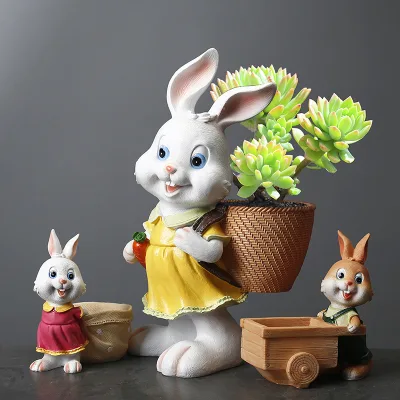
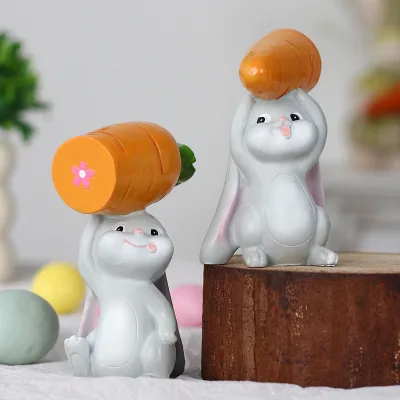
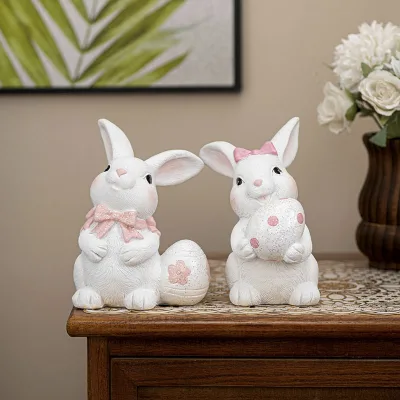
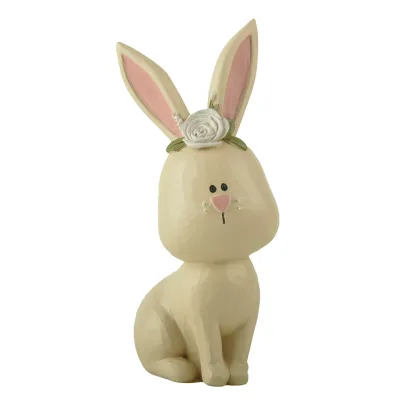
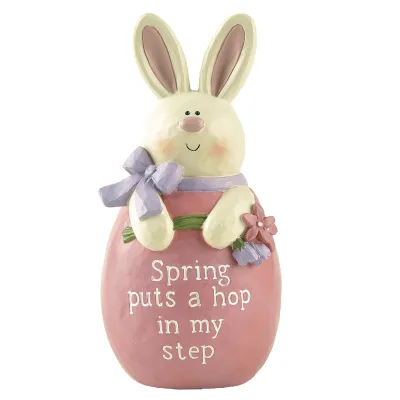
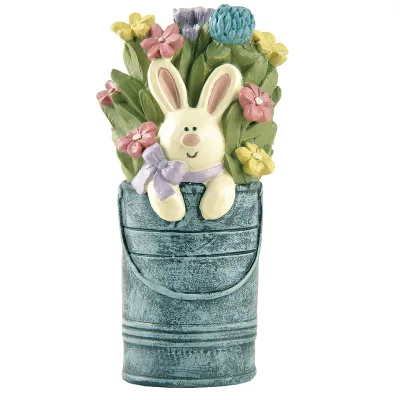
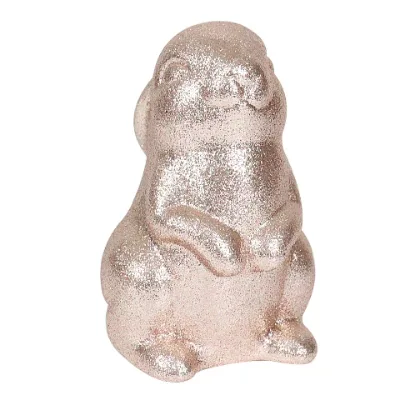
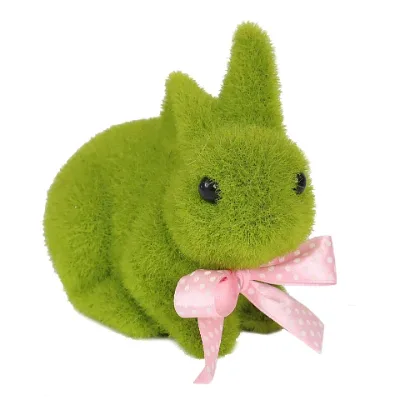
Funny Crafts Resin Easter Rabbit with Lotus Broken Egg Laughing Home Decoration
$0.10 - $5.50
MOQ: 500 Pieces


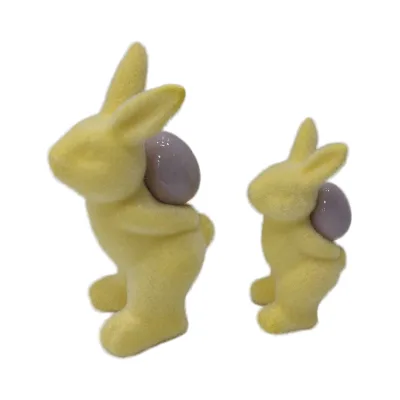
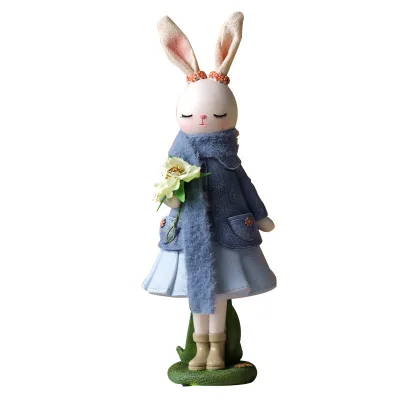

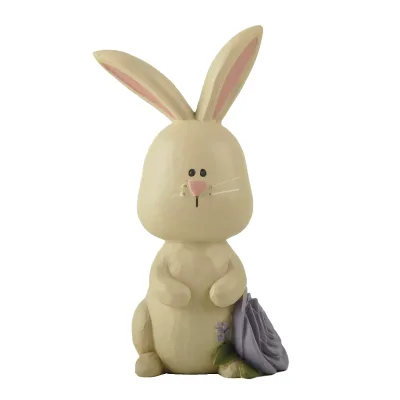
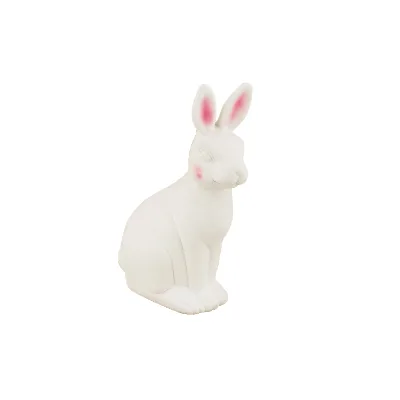
Hand Painted Resin Easter Rabbits for Easter Decoration Easter Figurines
$2.08 - $2.16
MOQ: 800 Pieces


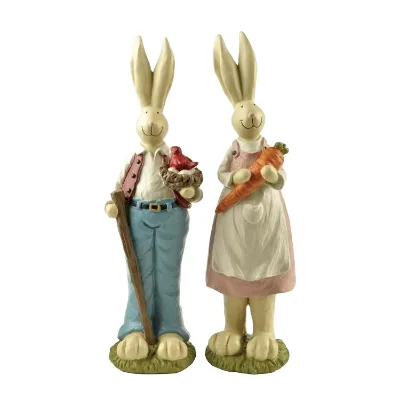
Resin Easter Rabbits Standing Rabbit Figurines, Set of 3, Easter Decoration
$2.08 - $2.16
MOQ: 800 Pieces
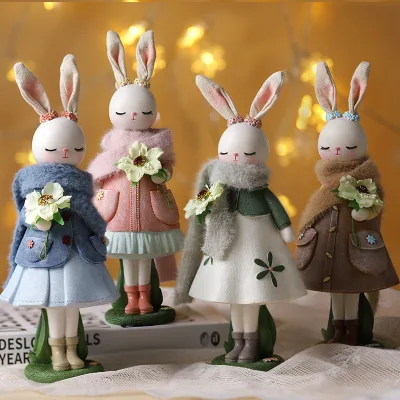
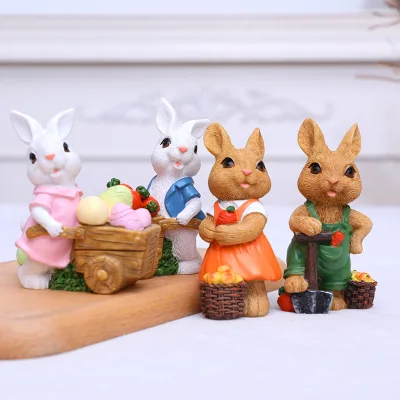


Comprehensive Sourcing Guide
Strategic Sourcing Guide for Hand-Made Eco-Friendly Resin Easter Rabbits
Understanding Product Composition and Technical Specifications
The core keyword "hand-made eco-friendly resin Easter rabbit" defines a specific niche within the seasonal home decoration and gift market. Sourcing this item requires a clear understanding of the material properties and manufacturing techniques that distinguish it from mass-produced plastic alternatives. The primary material identified in available product data is durable resin, often specified simply as "Resin Material" or "Durable Resin." This material choice is critical because it allows for high-fidelity detailing, which is essential for the "Lifelike" feature often requested in animal designs. Unlike injection-molded plastics, resin casting permits the creation of complex textures and organic shapes that mimic the natural fur and form of a rabbit.
The manufacturing process is a defining characteristic of this product category. The data explicitly confirms that the processing method is "Hand-Made." This implies a labor-intensive workflow where artisans manually mix, pour, and cure the resin, followed by significant manual intervention in the finishing stages. The surface treatment is frequently described as "Painted" or "Hand-painted," which is a crucial differentiator. Hand-painting ensures that color gradients, shading, and specific details like eye highlights are applied with a level of precision that automated machinery cannot easily replicate. This manual application directly contributes to the "Natural" style and "Animal" shape attributes observed in the product listings.
Dimensions and physical specifications vary significantly across suppliers, reflecting the custom nature of the product. Observed model numbers such as WT-22256, WT-22257, and LH25161 indicate that manufacturers often use internal SKUs rather than standardized industry sizes. Buyers must verify the specific dimensions for their needs, as observed single package sizes range from compact units like 1455cm to larger shipments measuring 20X40X35 cm. The weight is also a variable factor; a single item gross weight of 2.000 kg suggests that larger, more detailed sculptures are common, while smaller variants may weigh significantly less. The "Shape" is frequently listed as "Customized," allowing buyers to request specific poses or designs, such as the "Animals Design" mentioned in the product attributes.
Compliance, Certification, and Safety Standards
For B2B procurement, particularly in the toy and home decoration sectors, verifying compliance is non-negotiable. The product data highlights several certifications that buyers should request to ensure the resin material meets international safety standards. The observed certifications include SGS, CE, RoHS, GS, BSCI, and specific toy safety standards like EN71-3 and ASTM. These certifications are not merely marketing claims but are essential for market access, especially in regions with strict regulations regarding children's products and household items.
The "Eco-Friendly" attribute is a key selling point that must be substantiated. While the term is used frequently, buyers should verify that the resin used is free from hazardous substances such as lead, phthalates, or heavy metals. The presence of RoHS (Restriction of Hazardous Substances) and EN71-3 (Safety of Toys) certifications is a strong indicator that the material composition adheres to limits on toxic elements. Additionally, the CE mark indicates conformity with health, safety, and environmental protection standards for products sold within the European Economic Area. For the North American market, ASTM compliance is vital, as it covers the specific physical and chemical safety requirements for toys and decorative items intended for children.
It is important to note that while some listings mention "Eco-Friendly" as a feature, the specific type of resin (e.g., polyester, polyurethane, or a specific bio-based resin) is not always explicitly detailed in the summary data. Therefore, procurement teams must request Material Safety Data Sheets (MSDS) or specific test reports from the supplier to confirm the chemical composition. The "Safety" attribute is listed as "Eco-Friendly" in the data, but this should be treated as a claim that requires validation against the actual test results provided by the manufacturer. Buyers should also check for BSCI certification, which addresses social compliance in the supply chain, ensuring that the "Hand-Made" process does not involve unethical labor practices.
Cost Drivers and Pricing Dynamics
The pricing structure for hand-made resin Easter rabbits is influenced by several distinct factors, primarily the labor intensity and the customization level. The observed price range in the market spans from $0.10 to $6.80 USD. This wide variance is not necessarily indicative of quality differences alone but reflects the scale of production, the complexity of the design, and the packaging requirements. A unit priced at $0.10 likely represents a small, mass-produced item with minimal hand-painting or a simplified design, whereas a unit at $6.80 could be a large, intricately detailed sculpture with extensive hand-finishing and premium packaging.
The Minimum Order Quantity (MOQ) is a significant cost driver. The data shows an MOQ range from 2 to 2000 units, with specific listings citing an MOQ of 800 PCS. High MOQs are common for custom designs to amortize the setup costs of molds and the labor hours required for hand-painting. Buyers seeking lower quantities may face higher per-unit costs or may be limited to existing stock designs. The "Customization" attribute is available, but this often comes with a higher price point and a potentially higher MOQ. If a buyer requests a "Customized Shape" or "Customized Color," the supplier must adjust their production line, which increases the unit cost.
Packaging is another critical cost component. The observed packing methods include "PP Bag + Styrofoam + White Box," "PP Bag + Polyfoam Box + Inner Box," and simple "opp bag." The choice of packaging directly impacts the final landed cost. Fragile resin items require robust protection to prevent breakage during transit. The use of Styrofoam and inner boxes adds material costs and increases the volume of the shipment, which affects freight charges. Buyers must balance the need for product safety with the desire to keep costs low. Additionally, the "Single package size" and "Single gross weight" data provided (e.g., 20X40X35 cm and 2.000 kg) are essential for calculating freight costs, as resin is a dense material that can quickly fill container space.
Typical Applications and Market Segmentation
The versatility of hand-made resin Easter rabbits allows them to serve multiple market segments. The primary applications identified in the product data include "Holiday Gifts," "Home Decoration," and "Art & Collection." The "Easter" application is the most specific and seasonal, but the product's "Natural" style and "Lifelike" features also make it suitable for year-round home decor. The "Suitable For" attribute lists both "Home" and "Outdoor" usage, though buyers should exercise caution with outdoor applications. While some resin products are treated for weather resistance, standard hand-painted resin may degrade under direct sunlight or heavy rain unless specifically treated or coated.
The "Business Gift" and "Holiday Gifts" categories indicate a strong B2B potential. Companies often seek unique, high-quality items for client appreciation or employee rewards during the Easter season. The ability to accept "Custom brand" names and "OEM" (Original Equipment Manufacturer) services makes these products ideal for corporate branding. A buyer can have their company logo or a specific design printed on the rabbit or its packaging, turning a generic decoration into a branded marketing tool. The "Easter Decoration Gift" application further reinforces the seasonal nature of the product, where it is used as a centerpiece or a gift item during the holiday.
For the "Art & Collection" segment, the "Hand-Made" and "Hand-painted" attributes are paramount. Collectors value the uniqueness and the artisanal quality of each piece. The "Animals Design" and "Customized Shape" options allow artists and designers to create limited edition pieces that appeal to niche markets. The "Feature" of being "Durable" ensures that these items can withstand handling, making them suitable for retail display and long-term display in homes. The "Style" being "Natural" appeals to buyers who prefer organic, rustic aesthetics over modern, synthetic looks.
Supplier Evaluation and Quality Control Protocols
Evaluating suppliers for hand-made resin products requires a rigorous approach due to the variability inherent in manual labor. The "Place of Origin" data points to China, specifically regions like Fujian and Zhejiang, which are known hubs for resin crafts. Buyers should verify the supplier's capacity to handle "Hand-Made" processes consistently. A supplier claiming to be hand-made but using automated molds for the final shape may not deliver the expected quality. The "Technique" of "Hand-painted" must be verified through visual samples or video evidence of the production line.
Quality control (QC) is critical because resin is brittle and prone to chipping or cracking if dropped. The "Surface Treatment" of "Painted" can also be susceptible to fading or peeling if the paint quality is poor. Buyers should implement a multi-stage QC process: pre-production sample approval, in-line inspection during painting, and final random inspection before packing. The "Certificate" data suggests that suppliers should provide test reports for SGS, CE, and other relevant standards. Buyers must ensure that the test reports are current and cover the specific batch or production run.
When evaluating suppliers, look for those who offer "Customization" services with clear communication channels. The ability to provide "Customized Color" and "Customized Shape" requires a responsive design team. Buyers should also check the supplier's "MOQ" flexibility. A supplier with a high MOQ (e.g., 800 PCS) may not be suitable for small businesses, while one with a low MOQ (e.g., 2 units) might lack the capacity for large orders. The "Packing" method is another indicator of quality; a supplier using only an "opp bag" for a fragile resin item may be cutting corners. A robust packing solution involving "Styrofoam" and "White Box" is a sign of a supplier that understands the fragility of the product.
Long-Term Procurement and Supply Chain Considerations
Sourcing hand-made resin Easter rabbits involves planning for seasonality and supply chain resilience. The "Application" is heavily tied to the "Easter" holiday, meaning demand is highly seasonal. Buyers must align their production and delivery schedules to ensure stock arrives well before the holiday peak. The "Lead time" is not explicitly provided in the data, but the "Hand-Made" nature implies longer production cycles compared to mass-produced items. Buyers should factor in potential delays due to the labor-intensive process and the need for manual quality checks.
Long-term procurement relationships are beneficial for securing consistent quality and pricing. Suppliers who offer "OEM" and "Custom brand" services can become strategic partners, helping buyers differentiate their product lines. The "Standard" being "can be customized" suggests that buyers can work with suppliers to refine product specifications over time. However, buyers must be aware that changes in design or material can affect the "Certification" status. Any modification to the resin formula or paint composition may require re-testing and re-certification.
Sustainability is an increasingly important factor in long-term procurement. The "Eco-Friendly" attribute should be a core part of the supplier selection criteria. Buyers should inquire about the recyclability of the resin and the packaging materials. The use of "PP Bag" and "Styrofoam" is common, but buyers may prefer suppliers who are transitioning to more sustainable packaging options. The "Safety" and "Eco-Friendly" claims should be backed by verifiable data, such as third-party test reports, to ensure they align with corporate sustainability goals.
In conclusion, sourcing hand-made eco-friendly resin Easter rabbits requires a balanced approach that considers technical specifications, compliance, cost, and supplier reliability. By focusing on the "Hand-Made" and "Hand-painted" attributes, verifying certifications like CE and RoHS, and understanding the cost drivers associated with customization and packaging, buyers can build a robust supply chain for this seasonal product category. The ability to customize shapes, colors, and branding offers significant opportunities for differentiation, but it demands careful management of quality and lead times to ensure success in the competitive Easter market.
FAQs
What certifications do hand-made eco-friendly resin Easter rabbits have?
These products typically hold certifications such as CE, RoHS, SGS, and ASTM to ensure safety. Buyers should verify specific test reports for EN71-3 and BSCI to confirm compliance with international standards for toys and home decorations.
How are these resin rabbits manufactured and finished?
The manufacturing process is explicitly hand-made using durable resin material. Artisans apply hand-painted surface treatments to achieve lifelike details and a natural style, ensuring each piece is unique and high-quality.
Can I customize the shape and color of the Easter rabbit?
Yes, customization is available for both shape and color to meet specific brand needs. Suppliers accept OEM requests and can produce customized shapes like animals designs with specific colors such as yellow or other options.
What is the typical packaging method for these fragile items?
Products are packed securely using PP bags combined with Styrofoam or polyfoam boxes and inner white boxes. This robust packaging prevents breakage during transit, as the resin material is durable but brittle.
Where are these hand-made resin products typically sourced from?
The primary places of origin are China, specifically regions like Fujian and Zhejiang. These locations are known hubs for resin crafts and offer suppliers capable of handling hand-made production processes.
What are the minimum order quantities for custom designs?
MOQs vary significantly, ranging from as low as 2 units to as high as 2000 units depending on the supplier. Some specific listings require an MOQ of 800 pieces for custom orders to amortize setup and labor costs.
Is the resin material considered eco-friendly and safe?
The material is described as eco-friendly and durable, often meeting RoHS and EN71-3 safety standards. However, buyers should request Material Safety Data Sheets to confirm the specific chemical composition and absence of hazardous substances.