Source Hand Made Faux Fur Slides for Home, Indoor, and Winter Use
Compare 12 listings for Hand Made Faux Fur Slides featuring EVA, PVC, and TPR soles with customizable logos and colors. Buyers can review specifications for unisex and female styles suitable for indoor home occasions.
Key considerations
Products List


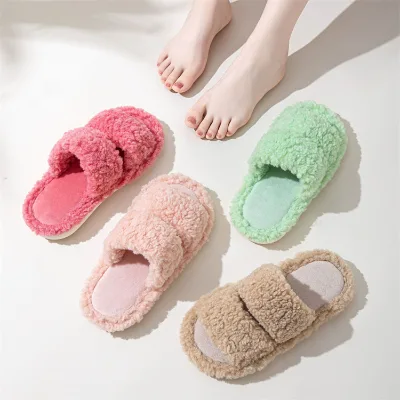

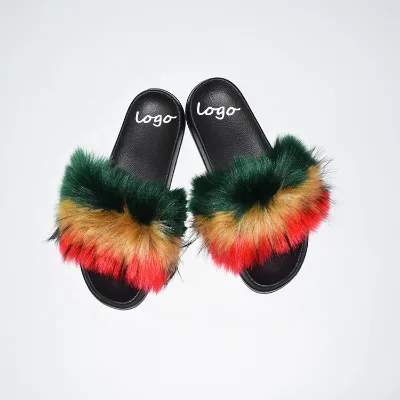
Comprehensive Sourcing Guide
Sourcing Strategy for Hand Made Faux Fur Slides
The global demand for comfortable, aesthetically pleasing indoor footwear has driven significant interest in hand-made faux fur slides. These products, often categorized as slippers or casual footwear, offer a blend of luxury texture and practical comfort suitable for home environments. For B2B procurement professionals, sourcing these items requires a nuanced understanding of material composition, manufacturing variability, and supply chain logistics. The following guide outlines the critical factors buyers must evaluate when sourcing hand-made faux fur slides, ensuring alignment with quality standards and operational requirements without relying on unverified claims.
Technical Specifications and Material Composition
Understanding the technical architecture of the product is the first step in defining a precise specification sheet. In the current market, hand-made faux fur slides are characterized by specific material pairings that define their comfort and durability. The upper material is predominantly faux fur, a synthetic textile designed to mimic the softness and warmth of natural fur while offering easier maintenance and ethical compliance. This material is often paired with a lining that also utilizes faux fur to ensure consistent thermal regulation throughout the foot.
The sole construction varies significantly between models, directly impacting the product's suitability for different surfaces. Common sole materials observed in this category include EVA (Ethylene-Vinyl Acetate) and PVC (Polyvinyl Chloride), with some variations utilizing TPR (Thermoplastic Rubber). EVA soles are typically lighter and provide excellent cushioning, making them ideal for extended indoor wear. Conversely, PVC soles may offer greater durability and slip resistance, though they can be heavier. The midsole often incorporates Texon fill or EPE Foam to enhance shock absorption. Buyers must verify the specific sole material for each model, as the performance characteristics differ markedly between EVA and PVC constructions.
Furthermore, the style of the slide is a critical differentiator. Many models feature an open-toe design, which is standard for summer or transitional indoor wear, while others may offer a more enclosed fit. The gender classification often spans unisex, female, or specific sizing ranges, such as 18-26cm for children or standard adult sizing. Color options are extensive, ranging from solid hues like black, grey, and white to vibrant selections including pink, yellow, red, and multi-color patterns. Some suppliers offer customized color options, allowing buyers to align the product with specific brand identities or seasonal trends.
Compliance, Certification, and Safety Standards
When sourcing footwear, particularly items intended for close contact with the skin, compliance with safety and material standards is paramount. While specific certification data for every listed product may not be immediately available, buyers must prioritize verifying the safety of the materials used. The supply chain often references standards such as OEKO-TEX, which tests for harmful substances in textiles. However, buyers should not assume that all products in this category automatically hold such certifications without explicit documentation from the supplier.
Instead of relying on general claims, procurement teams should request specific test reports for the faux fur and sole materials. These reports should confirm the absence of hazardous azo dyes, heavy metals, and other allergens. Additionally, the manufacturing process itself should be evaluated for compliance with labor standards, especially given the "hand-made" attribute. Hand-made production implies a higher degree of human involvement, which can lead to variations in quality but also raises questions about working conditions. Buyers should ensure that the supplier adheres to local labor laws and international ethical guidelines regarding fair wages and safe working environments.
Packaging standards also play a role in compliance and logistics. Products are typically packed individually in OPP (Oriented Polypropylene) bags, with bulk quantities consolidated into 5-layer cartons. The dimensions of the packaging, such as 30x12x5cm or 40x30x10cm, must be verified to calculate shipping costs accurately. Some suppliers offer customized packaging, which can be a valuable feature for branding but requires clear specifications to avoid errors in the final delivery.
Cost Drivers and Pricing Dynamics
The pricing of hand-made faux fur slides is influenced by a complex interplay of factors, including material costs, labor intensity, and order volume. The observed price range in the market spans from approximately $1.99 to $13.00 per unit, a wide variance that reflects differences in quality, design complexity, and brand positioning. Lower-priced items often utilize standard materials and mass-production techniques, even if marketed as hand-made, whereas higher-priced items may feature premium faux fur, specialized sole compounds, and more intricate hand-stitching.
Labor is a significant cost driver in this category. The "hand-made" designation suggests that a substantial portion of the assembly process is performed manually, which increases production time and cost compared to fully automated manufacturing. Buyers should anticipate that customization, such as adding a customized logo or selecting specific colors, will incur additional costs. These customizations often require setup fees or minimum order quantities (MOQs) that differ from standard stock items.
MOQs also vary widely, ranging from as low as 2 pairs for small sample orders to 1000 pairs for large-scale production runs. Specific models may have distinct MOQ requirements, such as 500 pieces or 100 pairs, depending on the complexity of the design. Buyers must balance the desire for customization with the economic efficiency of larger orders. Understanding these cost drivers allows for more accurate budgeting and negotiation strategies, ensuring that the final price reflects the true value of the product without compromising on essential quality metrics.
Typical Applications and Market Positioning
Hand-made faux fur slides are primarily designed for indoor use, making them ideal for residential settings, hotels, spas, and wellness centers. The "Home" occasion is the most common application, where comfort and warmth are the primary consumer needs. The soft texture of the faux fur and the cushioned sole make these slides perfect for post-shower wear, lounging, or sleeping. Additionally, the "Cow Style" feature or other unique design elements can position these products as fashion accessories rather than purely functional footwear, appealing to consumers looking for trendy home apparel.
The versatility of the product extends to various demographics. With options available for unisex, female, and specific size ranges, these slides can cater to a broad market. The seasonal attribute of "Winter" highlights their utility during colder months, though the indoor nature of the product allows for year-round use in climate-controlled environments. For B2B buyers, the potential applications include retail sales, corporate gifting, and hospitality supply chains. The ability to customize the logo and packaging further enhances their suitability as promotional items or branded merchandise for businesses looking to enhance their customer experience.
Supplier Evaluation and Production Capabilities
Evaluating suppliers for hand-made faux fur slides requires a thorough assessment of their production capabilities and quality control processes. The "hand-made" aspect implies that the supplier must have a skilled workforce capable of maintaining consistent quality across batches. Buyers should inquire about the supplier's location, with China being a common origin for these products, and verify their ability to meet specific production timelines. Sample times are typically around 5-7 days after details are confirmed, but this can vary based on the complexity of the customization.
When selecting a supplier, buyers should request a detailed product catalog that includes specific model numbers, such as FS-1-24, FFS-6-32, or SMT-JY39. These identifiers help in tracking specific product variations and ensuring that the correct specifications are met. The supplier's ability to handle customized orders, including logo placement and color selection, is another critical factor. Buyers should also assess the supplier's inventory management and their ability to scale production to meet fluctuating demand.
Quality control is essential to ensure that the hand-made nature of the product does not result in inconsistent quality. Buyers should ask about the supplier's inspection protocols, including checks for stitching integrity, material consistency, and sole adhesion. The use of specific materials like EVA, PVC, or TPR should be verified against the agreed specifications. Additionally, the packaging process should be reviewed to ensure that products are protected during transit, with clear labeling and appropriate carton strength.
Quality Control and Long-Term Procurement Considerations
Maintaining high quality in hand-made faux fur slides requires a robust quality control framework. Buyers should implement a multi-stage inspection process, starting with raw material verification and ending with final product inspection before shipment. Key quality metrics include the durability of the faux fur, the adhesion of the sole to the upper, and the overall finish of the product. Any defects in stitching or material flaws should be addressed immediately to prevent returns and maintain brand reputation.
Long-term procurement considerations involve building a sustainable relationship with suppliers who can consistently deliver high-quality products. This includes establishing clear communication channels, agreeing on quality standards, and setting realistic expectations for lead times and order volumes. Buyers should also consider the environmental impact of their sourcing decisions, particularly regarding the synthetic materials used in the product. While the "hand-made" aspect adds a human touch, the environmental footprint of synthetic materials like PVC and faux fur should be managed through responsible sourcing and waste reduction strategies.
Furthermore, the flexibility of the supply chain is crucial. Buyers should work with suppliers who can adapt to changing market trends, such as new color trends or design innovations. The ability to offer customized packaging and branding can provide a competitive edge in the market. By focusing on these long-term considerations, buyers can ensure a stable supply of high-quality hand-made faux fur slides that meet the evolving needs of their customers.
Comparative Analysis of Product Variations
To facilitate informed decision-making, buyers should compare the key attributes of different product models. The following table summarizes the variations in materials, specifications, and packaging observed in the market:
| Attribute | Model A (EVA Sole) | Model B (PVC Sole) | Model C (TPR Sole) |
|---|---|---|---|
| Upper Material | Faux Fur | Faux Fur | Faux Fur |
| Sole Material | EVA | PVC | TPR |
| Midsole | EPE Foam | PVC | EPE Foam |
| Style | Open Toe | Open Toe | Open Toe |
| MOQ | 2 Pairs | 100 Pairs | 500 PCS |
| Packing | 1 Pair in OPP Bag | Customized Package | 1PC in OPP Bag, Carton |
| Standard Size | 30x12x5cm | 352515 | 40X30X10 Cm |
| Color Options | Black, Grey, Pink | Black, Grey, White | Dark Blue, Red |
This comparison highlights the diversity in product offerings and the importance of selecting the right model based on specific business needs. Whether prioritizing lightweight comfort with EVA, durability with PVC, or a balance of both with TPR, buyers must align their choices with their target market's preferences.
In conclusion, sourcing hand-made faux fur slides requires a strategic approach that balances technical specifications, compliance, cost, and supplier reliability. By adhering to the guidelines outlined above, buyers can navigate the complexities of the market and secure high-quality products that meet their business objectives.
FAQs
What materials are used for the soles of these slides?
The soles are made from EVA, PVC, or TPR depending on the specific model. EVA provides cushioning, while PVC offers durability, and TPR is used in some variations for flexibility.
Can I customize the logo on these faux fur slides?
Yes, customized logos are available for these products. Buyers can request specific branding, though this may involve different minimum order quantities compared to standard stock items.
What is the minimum order quantity for these slippers?
The minimum order quantity varies by model, ranging from 2 pairs to 1000 pairs. Some specific models require 500 pieces or 100 pairs, so check the exact model requirements.
How are these hand-made slippers packaged for shipping?
Products are typically packed one pair in an OPP bag, then consolidated into cartons. Some options include customized packaging, with carton dimensions varying between 30x12x5cm and 40x30x10cm.
Which colors are available for these indoor slippers?
Standard colors include black, grey, pink, yellow, and multi-color options. Customized colors are also available to align with specific brand identities or seasonal trends for the product line.
What is the sample time for these hand-made slides?
The sample time is typically 5-7 days after details are confirmed. This timeline applies once the customization specifications and order details have been finalized with the supplier.
Are these slippers suitable for winter indoor use?
Yes, these products are designed for winter indoor use and home occasions. The faux fur lining and upper material provide warmth and comfort suitable for colder months and lounging.