Source Hand Made Eyelash Stamp for Beauty, Festival, and Daily Use
Find and compare 30 Hand Made Eyelash Stamp options from China. These tools, available in silicone or fur materials, support OEM branding and serve as beauty cosmetics tools for daily, television, and festival applications.
Key considerations
Products List


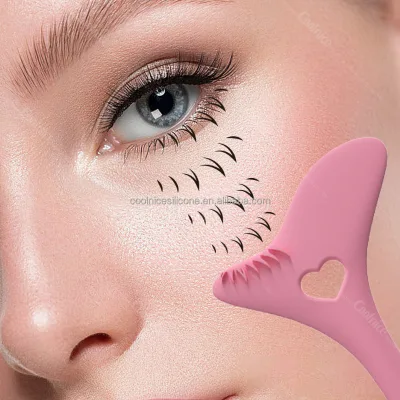
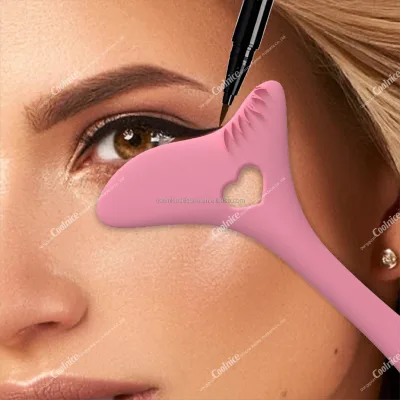
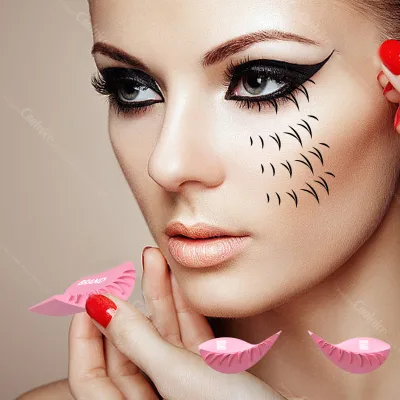
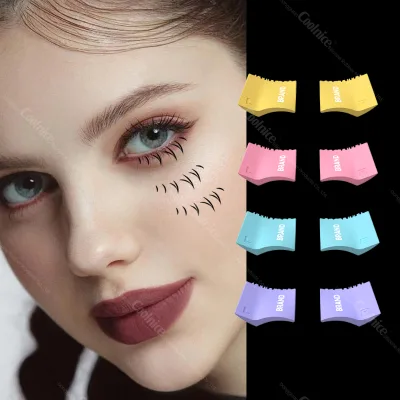
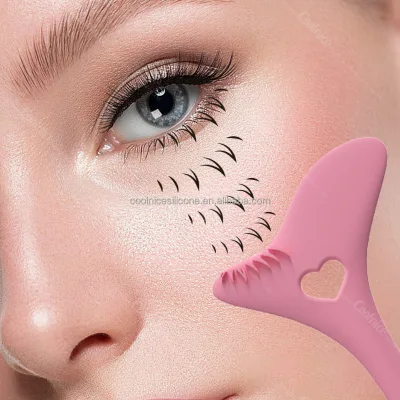
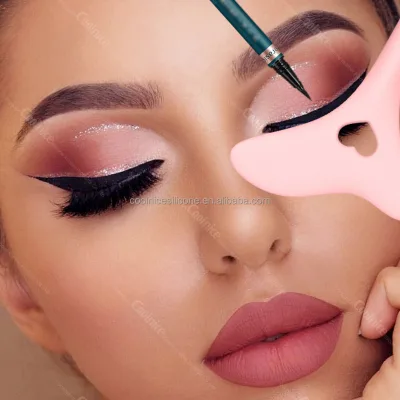


Eyelashes 3D False Eyelashes with Lash Packaging Box Eyelash Eyeliner Suit
$0.50 - $0.90
MOQ: 100 Pieces


Comprehensive Sourcing Guide
Hand Made Eyelash Stamp Sourcing Guide
The market for hand-made eyelash stamps presents a distinct category of beauty tools where artisanal production methods intersect with functional cosmetic application. Based on observed listings, these products are frequently marketed as "Eyelash Stamps Tool" or "Eyelash Stamps for Makeup Beginners," designed to assist users in applying mascara or creating specific lash patterns with precision. The core value proposition often centers on the "Hand Made" technique, which implies a level of craftsmanship in the manufacturing process that may differ from mass-produced injection-molded alternatives. Buyers should recognize that while the term "hand made" suggests manual assembly, the final product often incorporates standardized components like silicone stamps or fur-based applicators to ensure consistency in the beauty tool's performance.
Procurement decisions for this category require a clear understanding of the dual nature of the supply chain, where some items are sold as standalone beauty tools while others are integrated into broader cosmetic kits. The observed product range includes variations such as "2 in 1" tools and specific models like SM8# or S19#, indicating that buyers must navigate a complex array of specifications rather than a single uniform product. The "Hand Made" attribute is a key differentiator, often paired with customization options for packaging and branding, suggesting that these items are frequently sourced for private label opportunities or boutique beauty brands looking to differentiate their offerings through unique manufacturing narratives.
Product Scope and Observed Listing Signals
The product scope for hand-made eyelash stamps encompasses a variety of functional designs, ranging from simple silicone applicators to more complex tools intended for specific makeup techniques. Observed listings indicate that materials vary significantly, with some products utilizing "Fur" for a specific texture or "Silicone" for durability and ease of cleaning. The functional application is explicitly defined as "Beauty Cosmetics Tools" and "Eye Makeup Tools," with specific usage scenarios including "Ragdoll," "Television," "Emulation," and "Festival" contexts, suggesting these tools are marketed for both professional styling and creative, high-visibility applications. Buyers must verify that the specific model they select aligns with their intended use case, as the "Hand Made" designation may apply to different components within the tool's assembly.
Listing signals reveal a high degree of customization available to buyers, with options for "Customized Logo Magnet Box," "Round Box," or standard "Opp Bag" packaging. The "Customization" attribute is prominently featured, allowing for private labeling and tailored packaging solutions, which is critical for B2B buyers seeking to build a branded product line. However, the observed data also highlights a wide range of product models, from "SM3#" to "S7#", each potentially having distinct size specifications and functional attributes. This variability means that buyers cannot assume a single "hand-made" product definition applies to all listings; instead, they must evaluate each model's specific features, such as the "2 in 1" functionality or the specific "Used With" requirements like mascara application.
Technical Specifications to Verify
When evaluating technical specifications, the physical dimensions and material composition of the eyelash stamp are paramount for ensuring compatibility with the user's needs. Observed size ranges vary considerably, with some models specified as "9-16mm" while others are "5-15mm" or "12-16mm," indicating that the curvature and width of the stamp must be matched to the specific lash line or application technique. The material is a critical differentiator, with listings explicitly noting "Fur" or "Silicone" as the primary component. Buyers must verify which material is used for the stamping surface, as fur may offer a softer application for delicate lashes, whereas silicone might provide a more structured, precise transfer of product.
Beyond dimensions and materials, the functional specifications of the tool must be scrutinized to ensure it meets the intended performance standards. The "Hand Made" attribute suggests that the construction may involve manual assembly, which could impact the consistency of the "2 in 1" functionality or the durability of the tool over repeated use. Specifications such as "Reuseful: Yes (25 Times with Proper Care)" provide a benchmark for longevity, but buyers should confirm that this claim is supported by the specific model's construction. Additionally, the "Model Number" serves as a unique identifier for these technical variations, and buyers should cross-reference the model number with the specific size and material attributes to avoid ordering a tool that does not match their product requirements.
Compliance and Safety Documentation
Compliance and safety documentation for beauty tools like hand-made eyelash stamps must address the direct contact with sensitive areas of the human body, specifically the eye region. While the provided data does not list specific certification numbers, the "Reasonable package size save shipping for you" standard implies a focus on logistical efficiency, but it does not substitute for safety compliance. Buyers should verify that the materials used, particularly "Silicone" or "Fur," meet relevant safety standards for cosmetic tools, ensuring they are non-toxic and hypoallergenic. The "OEM/ODM" nature of many listings suggests that the supplier may be responsible for ensuring the final product meets the regulatory requirements of the destination market, but this must be explicitly confirmed in the procurement agreement.
Safety verification also extends to the manufacturing process and the quality of the "Hand Made" components. Since the product is often marketed as a tool for "Makeup Beginners," the risk of injury or irritation must be minimized through rigorous quality control. Buyers should request documentation confirming that the "Silicone" or "Fur" materials are sourced from reputable suppliers and that the manufacturing process adheres to hygiene standards. The "Private Label Acceptable" feature indicates that the supplier is willing to work with the buyer's branding, but this does not absolve the buyer of the responsibility to ensure the product itself is safe for end-users. Verification of material safety data sheets (MSDS) or equivalent documentation is essential before finalizing any bulk order.
Cost Drivers and Commercial Terms
Cost drivers for hand-made eyelash stamps are heavily influenced by the level of customization and the complexity of the "Hand Made" production process. The observed MOQ range of 1 to 5000 units suggests that buyers can start with small test orders, but the "MOQ: 100 Pcs" and "MOQ: 50 Sets" figures indicate that specific models or customization levels may require higher minimums. The "Customized Package Box" and "Customized Logo" options add significant value but also increase the unit cost, as these require additional setup and production steps. Buyers must balance the desire for unique branding with the economic reality that higher customization levels will result in a higher per-unit price.
Commercial terms for this category often include flexible packaging options, such as "1pair Per Case" or "4pairs Per Case," which can impact shipping costs and inventory management. The "Supply Ability: 100000 pieces per Month" indicates that suppliers have the capacity to handle large orders, but buyers should confirm lead times and production schedules to ensure timely delivery. The "Port of dispatch: shenzhen" is a common logistical hub, but buyers should verify the specific shipping terms and any potential delays associated with the "Hand Made" nature of the product. Additionally, the "Sample: Aavilable" option allows buyers to test the product before committing to a large order, which is a crucial step in managing cost risks and ensuring product quality.
Supplier Qualification and Quality Control
Supplier qualification for hand-made eyelash stamps requires a thorough assessment of the manufacturer's ability to maintain consistency in "Hand Made" production. The "OEM" and "Customized" branding options suggest that many suppliers are capable of producing private label goods, but buyers must verify the supplier's track record in delivering high-quality, consistent products. The "Hand Made" attribute implies a reliance on human skill, which can introduce variability; therefore, suppliers should have robust quality control processes in place to ensure that every unit meets the specified standards. Buyers should request samples and inspect them for defects, ensuring that the "Silicone" or "Fur" components are securely attached and free from imperfections.
Quality control measures should also focus on the durability and performance of the tool, particularly given the "Reuseful: Yes (25 Times with Proper Care)" claim. Buyers should verify that the supplier has a clear protocol for testing the longevity of the product and that the "Hand Made" construction does not compromise the tool's structural integrity. The "Customized Lashes: Yes (Should Provide Sample)" feature indicates that some suppliers offer tailored solutions, but this requires a rigorous vetting process to ensure the custom components meet the buyer's specifications. Establishing a clear communication channel with the supplier for quality feedback and issue resolution is essential for maintaining product standards over the long term.
Long-Term Procurement Checks
Long-term procurement checks for hand-made eyelash stamps should focus on the supplier's ability to maintain consistent quality and supply over time. The "Supply Ability: 100000 pieces per Month" suggests that the supplier has the capacity to scale, but buyers should regularly audit the production process to ensure that the "Hand Made" standards are not compromised as order volumes increase. Regular quality checks should include testing the durability of the "Silicone" or "Fur" components and verifying that the "Customized" packaging remains consistent with the brand's requirements. This proactive approach helps prevent issues such as material degradation or packaging errors that could damage the brand's reputation.
Buyers should also monitor market trends and consumer feedback to ensure that the product remains relevant and competitive. The "Usage" attributes, such as "Ragdoll," "Television," and "Festival," indicate that the product may be subject to changing fashion trends and consumer preferences. Regularly reviewing the product's performance in the market and adjusting specifications or designs accordingly will help maintain a competitive edge. Additionally, maintaining a strong relationship with the supplier and keeping open lines of communication about future needs and potential improvements will facilitate a smoother procurement process and ensure that the "Hand Made" eyelash stamps continue to meet the buyer's evolving requirements.
FAQs
What materials are used for hand made eyelash stamps?
Hand made eyelash stamps are typically crafted from fur or silicone materials. Fur options often feature cotton terrier textures for a natural look, while silicone versions provide durability and ease of cleaning. The choice depends on whether the user prefers a soft, textured application or a smooth, hygienic tool for makeup routines.
Can I customize the eyelash stamp model and packaging?
Yes, customization is available for both the product model and packaging. Buyers can request specific models like SM8# or S7# and choose packaging options such as plastic cases, magnet boxes, or round boxes. Private labels and customized logos are also acceptable, allowing brands to tailor the product to their specific market identity and shipping needs.
What are the size specifications for different eyelash stamp models?
Size specifications vary by model, ranging from 5-11mm for model S19# to 12-16mm for model SM4#. Other models like SM3# and SM37 offer sizes between 5-15mm and 8-15mm respectively. These dimensions allow users to select the appropriate stamp size for their desired eyelash style, ensuring precise application for beginners or professionals.
What is the minimum order quantity for these tools?
The minimum order quantity varies by product type, with some items requiring 100 pieces and others needing 50 sets. However, general listings may accept orders as low as 1 unit. Buyers should verify the specific MOQ for their chosen model, as bulk orders often benefit from more favorable shipping and pricing structures provided by the supplier.
How are the eyelash stamps packaged for shipping?
Packaging is designed to save shipping costs while protecting the product. Options include one pair per case or four pairs per case, packed in OPP bags or customized boxes. The reasonable package size ensures efficient logistics, and buyers can choose between standard DHL boxes or branded packaging to suit their distribution requirements and retail presentation needs.
Are these eyelash stamps suitable for beginners?
Yes, these tools are explicitly designed for makeup beginners. The 2-in-1 function and easy-to-use design help users apply eyelash stamps effectively without professional training. The product serves as a beauty cosmetics tool that simplifies the application process, making it accessible for daily use, festivals, or emulation purposes for those new to eye makeup techniques.