Source Handheld Alcohol Refractometer for Beer and Fruit Drinks
Compare 30 Handheld Alcohol Refractometer for Beer and Fruit Drinks options from verified suppliers. These devices measure Brix, alcohol, and salinity with varying accuracy and ranges to suit beverage testing needs.
Key considerations
Products List



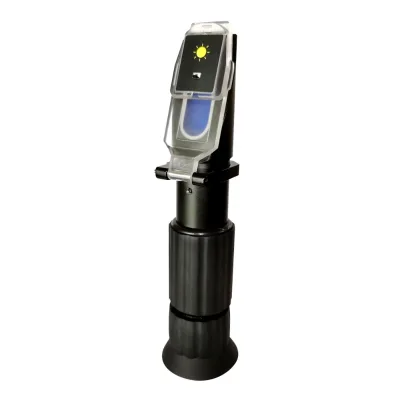
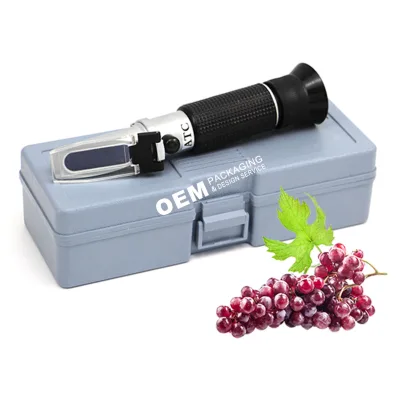
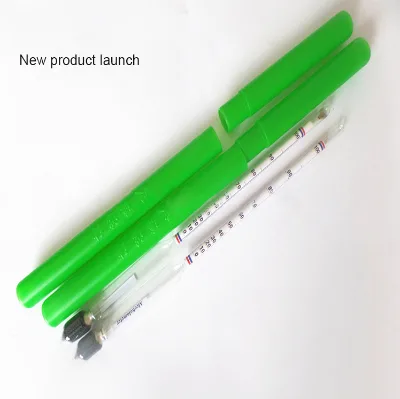


Comprehensive Sourcing Guide
Strategic Sourcing Guide for Handheld Alcohol Refractometers in Beverage Production
Understanding the Technical Landscape of Digital and Manual Refractometers
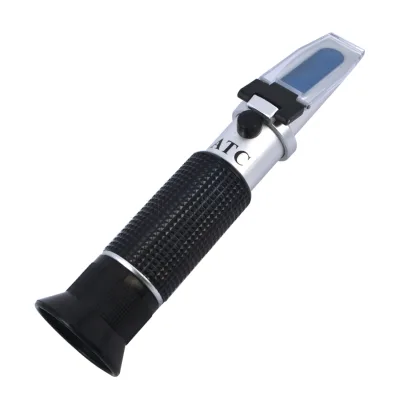
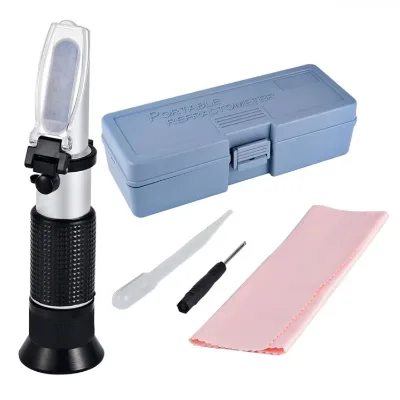
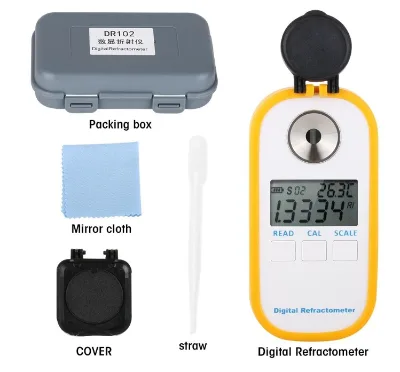
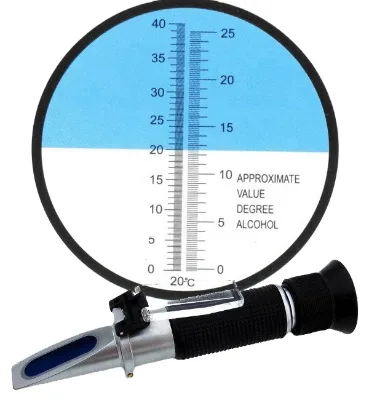
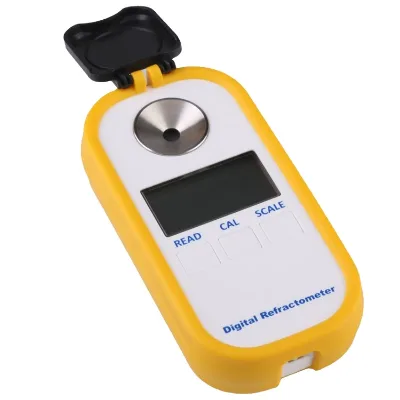
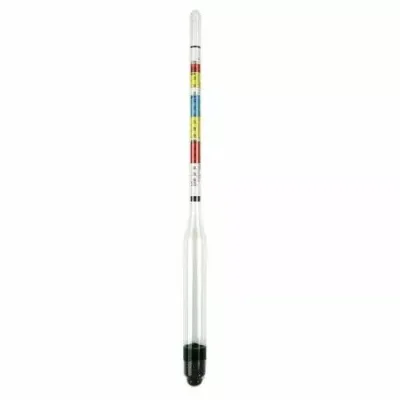
The procurement of handheld alcohol refractometers for beer and fruit drinks requires a precise understanding of the distinct technological variations available in the current market. These instruments are critical for quality control, allowing producers to measure specific gravity, sugar content (Brix), and alcohol by volume (ABV) rapidly. The supplied data indicates a diverse range of product types, including automatic, digital, handheld, laboratory, and Abbe refractometers. Buyers must distinguish between these categories based on their specific operational needs.
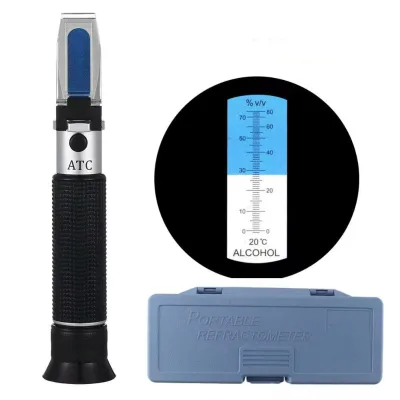
For applications involving beer and fruit drinks, the measurement range is the most critical technical specification. The market offers devices with varying capabilities. Some units are designed for a broad sugar range of 0-80% Brix, suitable for high-concentration fruit juices or honey. Others are specialized for lower concentrations, such as 0-30% Brix or 0-25% Brix, which are often more appropriate for finished beer or light fruit beverages. Furthermore, multi-function devices are available that combine measurements. For instance, specific models support a 3-in-1 configuration, measuring 0-25% Vol, 0-40% Brix, and 0-22 Baume simultaneously. This versatility is highly valuable for breweries that need to monitor fermentation progress (Brix) and final alcohol content (Alcohol) without switching instruments.
Accuracy is another paramount technical factor. While some general-purpose units list an accuracy of ±1%, high-end digital models for laboratory or precise production environments may offer a measurement accuracy of ±0.01 Ri or 0.5%. The minimum division, or the smallest increment the device can detect, also varies, with some advanced digital units capable of reading down to 0.00001. When sourcing for beer and fruit drinks, buyers should verify that the device's resolution matches the sensitivity required for their specific quality assurance protocols. A device with a coarse resolution may fail to detect subtle deviations in fermentation that could impact the final product's consistency.
Compliance, Certification, and Standard Verification
In the B2B procurement of scientific instruments, compliance and adherence to standards are non-negotiable, yet the specific certification status of individual suppliers must be verified on a case-by-case basis. The supplied product data does not explicitly list third-party certifications such as ISO 9001 or CE marks for every listed item. Therefore, buyers cannot assume that all available handheld alcohol refractometers meet international safety or quality standards without direct confirmation from the supplier.
When evaluating potential suppliers, particularly those originating from major manufacturing hubs like Jiangsu and Guangdong in China, procurement teams must request documentation regarding the manufacturing standards. The data mentions a product standard dimension of 3040170mm for certain models, but this refers to physical dimensions rather than a regulatory standard. Buyers should explicitly ask for proof of compliance with relevant industry standards for optical instruments. For equipment used in food and beverage production, it is essential to ensure that the materials in contact with the sample, such as the prism or the casing, are food-grade and non-toxic.
Furthermore, the "Place of Origin" is a significant factor in supply chain transparency. The data confirms that products originate from Jiangsu and Guangdong, China. While these regions are established manufacturing centers, the specific factory audits and quality management systems vary widely between vendors. Buyers should not rely on the general reputation of the region but rather demand specific audit reports or quality certificates for the specific batch of equipment being purchased. If the equipment is intended for export to markets with strict regulatory requirements, verifying that the supplier can provide necessary conformity declarations is a critical step before finalizing any order.
Cost Drivers and Pricing Dynamics in the Refractometer Market
The pricing structure for handheld alcohol refractometers is influenced by a complex interplay of features, build quality, and customization options. The observed listed price range in the market spans from $0.48 to $1190, a variance that reflects the difference between basic manual optical devices and sophisticated digital units with advanced features.
Several key factors drive these costs. First, the technology type is a primary driver. Manual refractometers, which rely on optical prisms and visual reading, are generally at the lower end of the price spectrum. In contrast, digital refractometers, which feature LCD displays, automatic temperature compensation (ATC), and electronic sensors, command a significantly higher price. The data highlights "Digital Brix Refractometer" and "Automatic Refractometer" as distinct categories, suggesting that the integration of automation and digital processing adds substantial value and cost.
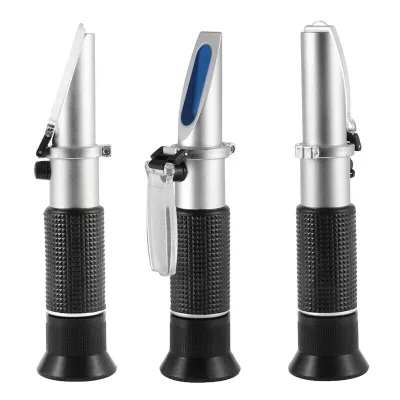
Second, the material composition affects pricing. The supplied information identifies aluminum as a common material for the casing. Aluminum offers durability and a professional aesthetic, but the quality of the alloy and the manufacturing precision of the housing can influence the final cost. Additionally, the complexity of the internal optical system, including the quality of the prism and the lens, plays a major role. Devices with higher accuracy specifications, such as ±0.01 Ri, require more precise engineering and calibration, which increases the unit price.
Customization is another significant cost driver. The data confirms that OEM, ODM, and OBM support are available. Suppliers offering logo printing via heat transfer or digital printing, as well as custom packaging, will typically charge a premium. The Minimum Order Quantity (MOQ) also impacts the effective unit cost. The observed MOQ range is 1 to 10,000 units. Buyers purchasing small quantities may face higher per-unit costs due to the lack of economies of scale, whereas large volume orders can negotiate lower prices. Buyers must balance the initial unit cost against the long-term value of features like ATC and digital data logging, which can reduce labor time and human error in the production line.
Typical Applications and Operational Scenarios
The versatility of handheld alcohol refractometers makes them indispensable across various segments of the beverage industry. The supplied data explicitly lists "Beer/Fruit Drinks/Mariculture/Honey Food" and "Canned Food/Fruit Drinks/Mariculture/Honey Food" as applicable scenarios. This confirms that the primary use case for these devices is in the monitoring of sugar content and alcohol levels in liquid products.
In the beer brewing industry, these instruments are used at multiple stages of production. During the mashing and boiling stages, brewers measure the Brix to determine the sugar concentration of the wort. As fermentation progresses, the Brix level drops as yeast converts sugar into alcohol. A handheld refractometer allows brewers to take quick spot checks without waiting for a laboratory analysis. For finished beer, the device can be used to estimate the Alcohol by Volume (ABV), provided the user accounts for the presence of alcohol, which can skew Brix readings. Some specialized models, such as the "Alcohol Refractometer" with a range of 0-25% Alcohol or 0-80% Alcohol, are specifically calibrated for these high-alcohol measurements.
Similarly, in the fruit drink and canned food sectors, consistency in sweetness is a key quality metric. Manufacturers use these devices to ensure that every batch meets the target Brix level, which directly correlates to the consumer's perception of taste. The data mentions a "3in1 Refractometer" capable of measuring Brix, Alcohol, and Baume, which is particularly useful for complex formulations where multiple parameters must be tracked simultaneously.
Beyond beverages, the data indicates applicability in mariculture and honey food production. In mariculture, refractometers are used to measure salinity, ensuring the water quality is suitable for aquatic life. For honey producers, the device is essential for determining the moisture content, which affects the shelf life and crystallization properties of the honey. The "Digital Coffee Refractometer" mentioned in the data also suggests that these instruments are adapting to new markets, highlighting the importance of selecting a device with the correct measurement range for the specific liquid being tested.
Supplier Evaluation and Customization Capabilities
Selecting the right supplier involves more than just comparing prices; it requires a thorough evaluation of their manufacturing capabilities and support services. The data indicates that suppliers offer "OEM, ODM, OBM" support, meaning they can manufacture products under the buyer's brand, design custom products, or sell under their own brand. This flexibility is crucial for companies looking to establish a private label or require specific modifications to the standard product.
When evaluating suppliers, buyers should assess their ability to provide logo and graphic design services. The data lists "Heat Transfer Printing" and "Digital Printing" as available customization options. This allows buyers to brand the refractometer with their company logo, which is important for corporate identity and professional presentation. However, the feasibility of these customizations often depends on the order volume. Buyers must clarify the MOQ requirements for custom branding, as some suppliers may require a minimum of 100 or 1000 units to set up the printing plates or digital files.
The "Place of Origin" is also a factor in supplier evaluation. With products originating from Jiangsu and Guangdong, buyers should verify the specific factory's capacity and reputation. While these regions are known for manufacturing, the level of quality control varies. Buyers should request samples to test the build quality, the clarity of the display, and the accuracy of the readings. Additionally, the warranty period is a key indicator of supplier confidence. The data mentions a "6 Months" warranty, which is a standard offering, but buyers should inquire if extended warranties or on-site support are available for larger orders.
Furthermore, the "Customization" attribute is listed as "Available," but the extent of this customization should be defined. Does it include software customization for digital models, or is it limited to physical branding? Buyers should explicitly discuss their specific needs with the supplier to ensure that the final product meets their operational requirements.
Quality Control and Long-Term Procurement Considerations
Ensuring the long-term reliability of handheld alcohol refractometers requires a robust quality control (QC) strategy. The physical specifications provided, such as a single package size of 21X9X6 cm or 17X4X3 cm, and a single gross weight of 0.300 kg or 356G, indicate that these are portable, lightweight devices. However, portability does not equate to durability. Buyers must verify the impact resistance of the casing and the stability of the optical components.
For digital models, the battery life and the availability of replacement parts are critical long-term considerations. The data mentions "Automatic Refractometer" and "Digital Refractometer," which implies electronic components that may require maintenance. Buyers should ask about the expected lifespan of the battery and the availability of charging cables or replacement batteries. Additionally, the calibration process is essential. A refractometer that drifts over time will produce inaccurate results. Buyers should inquire about the calibration procedure and whether the supplier provides calibration standards or certificates with the initial shipment.
The "Warranty" of 6 months is a baseline protection, but for high-volume procurement, buyers should negotiate extended warranty terms or service level agreements (SLAs). This is particularly important for production lines where equipment downtime can halt operations. The "Selling Units" being listed as "Single item" suggests that the market is fragmented, with many suppliers offering individual units. For large-scale procurement, buyers should consolidate orders to ensure consistency in the product batch and to negotiate better terms for after-sales support.
Finally, the "Product Name" variations, such as "Digital Brix Refractometer" versus "3in1 Refractometer," highlight the need for precise specification matching. Buyers must ensure that the ordered model matches the exact functional requirements of their application. Ordering a general-purpose Brix meter for a high-alcohol beer application without verifying the specific range and compensation features could lead to significant measurement errors. By conducting thorough due diligence on technical specs, supplier capabilities, and quality control measures, buyers can secure a reliable supply of handheld alcohol refractometers that enhance their production efficiency and product quality.
FAQs
What is the measurement accuracy for handheld alcohol refractometers?
Accuracy varies by model, with some units offering ±1% while high-end digital models provide ±0.01 Ri. Buyers should verify the specific measurement accuracy required for their quality control protocols before purchasing.
Which measurement ranges are available for beer and fruit drinks?
Devices offer ranges like 0-80% Brix for high-concentration juices or 0-25% Vol for alcohol. Some 3-in-1 models measure 0-25% Vol, 0-40% Brix, and 0-22 Baume simultaneously for versatile brewing applications.
Can suppliers provide custom logo printing on these devices?
Yes, customization is available with options for Heat Transfer Printing and Digital Printing. Buyers should confirm the minimum order quantity required for these branding services as it impacts the unit cost.
What is the warranty period for these refractometers?
The standard warranty period listed for these products is 6 months. Buyers should inquire about extended warranty options or on-site support availability when placing large volume orders with manufacturers.
How does the material affect the durability of the device?
Many units feature an aluminum casing which offers durability and a professional aesthetic. The quality of the alloy and manufacturing precision of the housing can influence the final cost and longevity of the instrument.
What is the typical price range for these instruments?
Listed prices range from $0.48 to $1190 depending on the technology and features. Manual optical devices are cheaper, while digital models with Automatic Temperature Compensation command a significantly higher price.
Where are these refractometers typically manufactured?
Products originate from major manufacturing hubs in Jiangsu and Guangdong, China. Buyers should verify specific factory audits and quality management systems for the batch being purchased rather than relying on regional reputation.