Source Handheld 7in1 Soil Tester for Garden, Farm, and Lab
Find and compare 30 Handheld 7in1 Soil Tester models from verified suppliers. Evaluate features like pH, moisture, light, and nutrient detection to select the right tool for garden planting, crop inspection, and resource management.
Key considerations
Products List


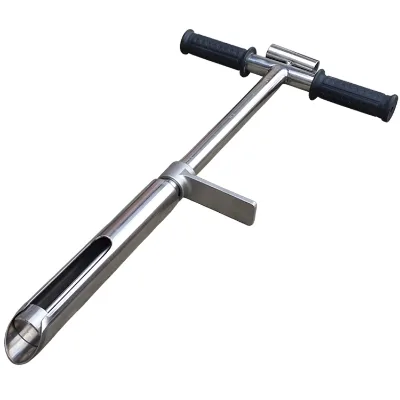
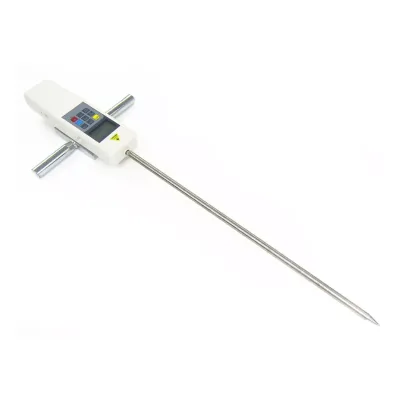

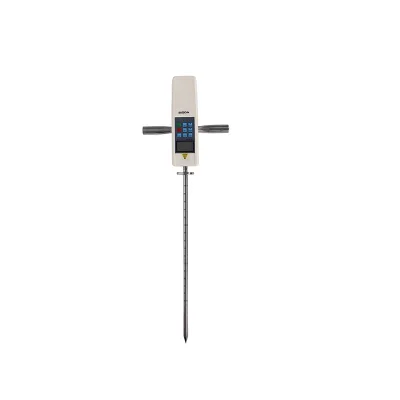


Precision Gardening Soil Tester: 6 Critical Metrics for Home & Farm Soil
$10.70 - $13.00
MOQ: 50 Pieces


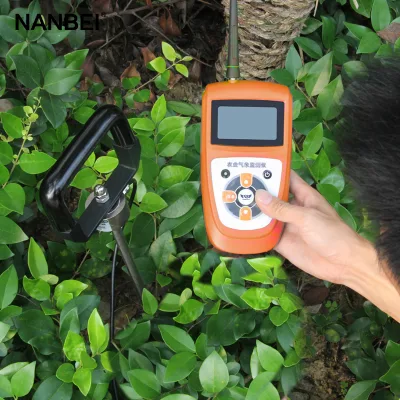
High Quality Durable Handheld Soil Multi-Parameter Soil Moisture Tester
$330.00 - $1020.00
MOQ: 1 Pieces


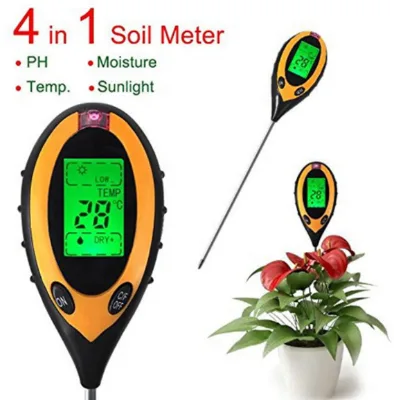




Comprehensive Sourcing Guide
Handheld 7in1 Soil Tester Sourcing Guide
The Handheld 7in1 Soil Tester represents a specialized category of agricultural instrumentation designed to provide rapid, multi-parameter analysis directly in the field. While the specific "7-in-1" configuration is a common market descriptor, the actual sensor suite varies significantly between suppliers, often ranging from 4-in-1 to 6-in-1 configurations in observed listings. Buyers must recognize that the core value proposition lies in the integration of multiple sensors into a single portable unit, typically measuring parameters such as pH, moisture, light intensity, and nutrient levels. This consolidation allows for efficient crop inspection and garden planting without the need for multiple distinct devices, though the exact number of measurable parameters should be verified against the specific product model before procurement.
Sourcing this equipment requires a clear distinction between marketing terminology and actual technical capability, as the observed market includes models with varying sensor counts and measurement ranges. For instance, available data indicates products labeled as "4in1 Soil Tester" and "6 in 1 Soil Meter" with specific ranges like pH 3.5-9 and moisture 0-99%, yet a true 7-in-1 unit may include additional sensors for electrical conductivity or temperature that are not universally present. Procurement teams should treat the "7-in-1" label as a starting point for inquiry rather than a guaranteed specification, ensuring that the supplier explicitly confirms the inclusion of all seven required parameters to avoid receiving a device that falls short of operational needs.
Product Scope and Observed Listing Signals
The product scope for handheld soil testers encompasses a variety of form factors and material compositions, ranging from simple plastic probes to more robust units constructed with ABS and alloy materials. Observed listings reveal that these devices are generally designed for both indoor and outdoor applications, serving users involved in garden planting, crop inspection, and resource management. The physical attributes vary, with some units weighing as little as 0.2kg and others featuring dimensions around 5644230mm, indicating that portability is a primary design constraint. Buyers should evaluate the material composition, such as plastics and stainless metal or ABS+Alloy, to ensure the device can withstand the environmental conditions of their specific use case, whether it be a delicate indoor greenhouse or a rugged outdoor farm.
Listing signals often highlight customization capabilities, with many suppliers offering OEM and ODM support to tailor the device for specific branding or functional requirements. The observed market includes models with digital displays, LCD screens, and varying measuring times, such as an 8-second response time for certain units. Packaging is typically standardized in cartons, but the internal configuration and included accessories may differ. When reviewing listings, buyers should look for specific model numbers like BGT-SMPS, BSK-4IN1-02, or BSK-LY201 to distinguish between different generations or versions of the technology, as these identifiers often correlate with specific feature sets and sensor calibrations.
Technical Specifications to Verify
Verification of technical specifications is critical because the measurement ranges and accuracy of soil testers can vary widely between models. Buyers must confirm the specific ranges for key parameters, such as the pH range of 3.5-9 or the moisture test range of 1-10, which may differ from the broader 0-99% moisture range observed in other listings. The light test range is another critical specification, with some units capable of measuring up to 100,000 lux, while others may have lower thresholds. It is essential to request detailed datasheets that explicitly state the measurement range for every sensor included in the "7-in-1" configuration to ensure the device covers the full spectrum of conditions expected in the target environment.
The physical and operational specifications, including power requirements and display types, also require rigorous verification to ensure compatibility with existing workflows. Some observed units operate on standard voltages like 220V, while others may be battery-powered for true portability, and the display type, whether LCD or digital, impacts readability in various lighting conditions. The measuring time, which can be as fast as 8 seconds for certain models, is a key performance indicator for field efficiency. Procurement teams should validate that the device's rated voltage and power consumption align with the available power sources in the field, and that the display technology provides sufficient contrast and clarity for the intended user demographic.
Compliance and Safety Documentation
Compliance and safety documentation for handheld soil testers often include certifications such as CE and RoHS, which indicate adherence to specific environmental and safety standards. However, the presence of these certifications should be verified on a per-unit basis, as not all listed products may carry the same level of regulatory approval. The observed data mentions ISO standards and specific product standards like 2656534mm or 5644230mm, which likely refer to dimensional tolerances or manufacturing standards rather than safety certifications. Buyers must request valid certification documents from the supplier to ensure that the device meets the regulatory requirements of the destination market, particularly regarding electrical safety and material composition.
Safety documentation also extends to the materials used in the construction of the device, such as the use of ABS, PVC, or stainless metal, which must be free from hazardous substances. The "Plastics and Stainless Metal" composition observed in some listings suggests a need for verification regarding the durability and chemical resistance of the housing, especially if the device will be exposed to fertilizers or harsh soil conditions. Buyers should ensure that the supplier provides a material safety data sheet (MSDS) or equivalent documentation confirming that the materials used are safe for handling and do not leach harmful chemicals into the soil. This due diligence is essential for maintaining the integrity of the agricultural products being tested and ensuring the safety of the operators.
Cost Drivers and Commercial Terms
Cost drivers for handheld soil testers are influenced by the complexity of the sensor array, the quality of materials, and the level of customization required. The observed price range of 1-2000 USD reflects the vast difference between basic single-parameter probes and advanced multi-sensor units with digital displays and robust housing. Buyers should anticipate that higher costs are associated with devices offering wider measurement ranges, faster response times, and more durable materials like ABS+Alloy. Additionally, the inclusion of OEM or ODM services, such as custom branding or specific packaging, will add to the overall cost, as these services require additional engineering and production setup time.
Commercial terms, including minimum order quantities (MOQ) and lead times, vary significantly across the market, with observed MOQs ranging from 1 to 300 units and delivery times as short as 10 days after payment. These terms are often negotiable and depend on the supplier's production capacity and the specific configuration of the order. Buyers should clarify the payment terms and delivery schedules early in the negotiation process to avoid delays, especially if the order requires customization. It is also important to understand the shipping costs and packaging requirements, as the "Carton Packaging" observed in listings may need to be reinforced for international shipping to prevent damage during transit.
Supplier Qualification and Quality Control
Supplier qualification for handheld soil testers should focus on the manufacturer's ability to provide consistent quality and technical support, particularly given the customization options available. The observed data indicates that many suppliers are located in regions like Henan and Zhejiang in China, which are known for their manufacturing capabilities in agricultural equipment. Buyers should verify the supplier's production capacity and quality control processes to ensure that the devices meet the specified standards and performance claims. This includes checking for ISO certification and other relevant quality management systems that demonstrate a commitment to consistent product quality.
Quality control measures should extend to the testing of individual units before shipment, ensuring that the sensors are calibrated correctly and the device functions as advertised. Buyers should request sample units for testing to verify the accuracy of the pH, moisture, and light measurements against known standards. The "Customized Support" and "Other Service: Customized Optional" features observed in listings suggest that suppliers are willing to work with buyers to address specific quality concerns, but this requires clear communication and defined quality benchmarks. Establishing a robust quality control protocol with the supplier, including pre-shipment inspections and post-delivery support, is essential for mitigating the risk of receiving defective or non-compliant units.
Long-Term Procurement Checks
Long-term procurement checks for handheld soil testers involve monitoring the device's performance over time and ensuring that the supplier can provide ongoing support and replacement parts. The durability of the device, particularly the sensor probes and the housing material, is a key factor in determining its lifespan in the field. Buyers should assess the warranty terms and the availability of spare parts, such as replacement probes or batteries, to ensure that the device can be maintained effectively over its intended service life. The "Customized Support" and "OEM, ODM" capabilities observed in the market suggest that suppliers may offer long-term service agreements, which can be valuable for maintaining a consistent fleet of testing equipment.
Regular calibration and maintenance are also critical for ensuring the accuracy of the soil tester over time. Buyers should establish a schedule for recalibrating the device, especially if it is used frequently in varying environmental conditions. The "Measuring Time" and "Display Type" specifications observed in listings can impact the ease of maintenance and the frequency of calibration required. By implementing a proactive maintenance strategy and maintaining a strong relationship with the supplier, buyers can ensure that their handheld soil testers continue to provide reliable data for crop yields and resource management, maximizing the return on investment over the long term.
FAQs
What models are available for handheld soil testers?
Several models are available including BGT-SMPS, BSK-4IN1-02, BSK-W6L, and BSK-LY201. These devices vary in measurement capabilities, with some offering four-in-one functions like pH, moisture, light, and nutrient testing. Other models provide six-in-one or seven-in-one analysis. Each model is designed for specific garden planting and crop inspection needs, ensuring accurate data for indoor and outdoor plants.
Can I customize the handheld soil tester for my brand?
Yes, customization support is available for OEM and ODM requirements. Buyers can request specific branding, packaging, or functional adjustments to meet their market needs. The products support customized options, allowing businesses to tailor the device appearance and features. This flexibility ensures that the soil testers align with your brand identity and specific operational requirements for professional use.
What certifications do these soil testers have?
The handheld soil testers hold CE, RoHS, and ISO certifications. These standards ensure compliance with international safety and environmental regulations. The devices are manufactured in China, with specific origins in Henan and Zhejiang provinces. These certifications provide assurance of quality and safety for global distribution, making them suitable for export to various international markets without regulatory hurdles.
What is the typical delivery time for orders?
The typical delivery time is 10 days after receiving payment. This lead time applies to standard orders and ensures prompt processing. Buyers should account for this duration when planning inventory replenishment. The efficient production cycle supports timely fulfillment, allowing businesses to maintain stock levels and meet customer demands without significant delays in the supply chain.
What materials are used in the soil tester construction?
The devices are constructed from durable materials including ABS plastic, alloy, stainless metal, and PVC components. These materials ensure longevity and resistance to environmental factors during use. The combination of plastics and metals provides a robust structure for the probe and housing. This construction supports reliable performance in various soil conditions, from garden planting to professional crop inspection applications.
What is the MOQ for these soil testers?
The minimum order quantity ranges from 1 to 300 units depending on the specific model and customization requirements. This flexible MOQ allows buyers to start with small test orders or scale up for larger distributions. The range accommodates both individual gardeners and bulk commercial purchasers. Buyers can select quantities that best fit their inventory strategy and budget constraints.