Source Handmade Adjustable Gold Engagement Ring for Wedding, Gift, Decoration
Compare 30 listings for Handmade Adjustable Gold Engagement Ring featuring 925 sterling silver, stainless steel, and tungsten options. Buyers can review unique 3D designs, plating choices, and supplier details for wholesale needs.
Key considerations
Products List


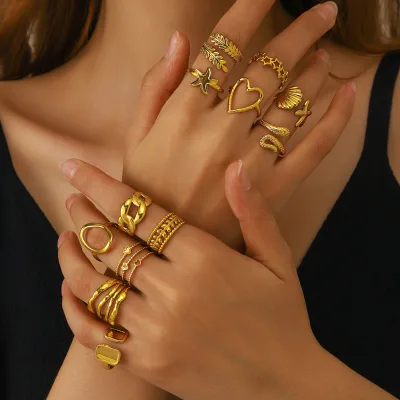


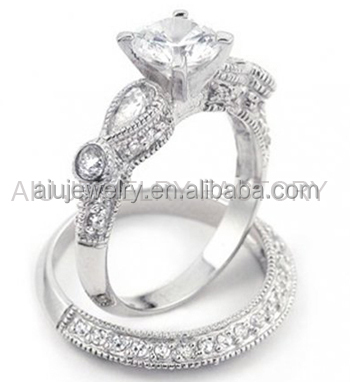

Fashion Moissanite Jewelry 925 Sterling Silver Wedding Rings with Gold Plated
$19.38 - $19.98
MOQ: 20 Pieces

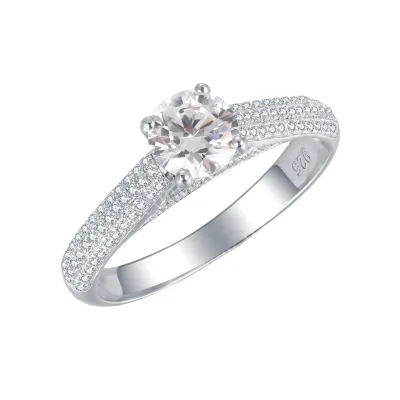
Fashion 18K Gold Plated Jewelry 925 Silver Engagement Rings with Moissanite
$18.58 - $18.98
MOQ: 20 Pieces




Comprehensive Sourcing Guide
Strategic Sourcing Guide for Handmade Adjustable Gold Engagement Rings
The global market for bridal and fashion jewelry has seen a significant shift toward personalized, adjustable, and cost-effective solutions that do not compromise on aesthetic appeal. For procurement professionals and B2B buyers seeking a "Handmade Adjustable Gold Engagement Ring," the sourcing landscape requires a nuanced understanding of material science, manufacturing processes, and supply chain logistics. The term "handmade" often implies artisanal craftsmanship, yet in a B2B context, it frequently denotes specific fabrication techniques like electroplating or polishing that mimic hand-finished textures. The "adjustable" feature is a critical functional attribute that expands the market reach, allowing wholesalers to serve diverse demographics without maintaining extensive size inventories. This guide synthesizes available product data and industry standards to provide a disciplined framework for sourcing these specific items.
Material Composition and Fabrication Processes
The foundation of any jewelry procurement strategy lies in the verification of material composition. In the current market, the term "gold" in product listings can be ambiguous. It may refer to solid gold, gold plating over a base metal, or gold-colored alloys. Based on observed product attributes, buyers must distinguish between items plated with gold, rhodium, or silver over a base of 925 Sterling Silver or Stainless Steel. The data indicates that electroplating is a primary fabrication processing method used to achieve the gold finish. This process involves depositing a thin layer of gold onto a substrate, which significantly impacts the cost and longevity of the piece.
When evaluating suppliers, the distinction between "925 Sterling Silver" and "Stainless Steel" is paramount. Sterling silver offers a traditional, high-value perception suitable for premium engagement lines, while stainless steel provides durability and hypoallergenic properties at a lower cost point. Some listings also feature Tungsten, known for its scratch resistance, though it presents challenges regarding resizing. The "adjustable" nature of the ring often suggests a design that does not rely on traditional resizing but rather on a flexible band structure or an open-shank design. Buyers should verify the specific substrate material before committing to a bulk order, as the plating adhesion and wear resistance vary drastically between silver and steel.
Design Specifications and Functional Attributes
The design of an adjustable engagement ring must balance aesthetic trends with functional utility. The observed product data highlights a "Unique 3D Design" and "Round" or "Oval" shapes as common characteristics. The "Fashion" style indicates that these rings are often intended for contemporary markets where trends shift rapidly. The "Inlaid Ring" and "Prime Ring" classifications suggest that the design may incorporate gemstones or specific structural elements that require precise manufacturing tolerances.
A critical specification for adjustable rings is the sizing mechanism. While some listings explicitly state "Ring Size: Adjustable," others provide fixed sizes like 8#, 9#, 10#, and 11#. For a buyer seeking a truly adjustable product, it is essential to confirm that the mechanism allows for a range of finger sizes without compromising the structural integrity of the band. The "Feather: Friendly" attribute, likely referring to a lightweight or skin-friendly finish, is another key consideration for consumer comfort. The weight of the product, observed in some listings as 10g or 15g, serves as a proxy for material density and perceived value. Lighter rings may be more comfortable for daily wear but could be perceived as less substantial by some customers.
Cost Drivers and Pricing Dynamics
Understanding the cost structure of adjustable gold engagement rings is essential for maintaining healthy profit margins. The observed price range in the market spans from $0.40 to $50.89 USD, a wide variance that reflects differences in material quality, plating thickness, and brand positioning. The lower end of the spectrum typically corresponds to stainless steel or tungsten rings with standard electroplating, while the higher end likely involves sterling silver with thicker plating or more intricate 3D designs.
Several factors drive these costs. First, the base material cost fluctuates with market rates for silver and steel. Second, the electroplating process adds significant value; the thickness of the gold layer and the quality of the rhodium or silver plating affect durability and price. Third, the "Unique 3D Design" requires more complex tooling and labor, increasing the unit cost. Finally, packaging plays a role; options range from simple "OPP Bag" or "PP Bag" to "Strong Carton" or "Carton" packaging, which impacts the final landed cost. Buyers should request detailed cost breakdowns to understand where the value is being added, particularly regarding the plating process and the complexity of the adjustable mechanism.
Compliance, Certification, and Standards Verification
In the B2B jewelry sector, compliance is not merely a formality but a risk management strategy. The supplied data mentions "Custom" standards and specific weights like "10g" or "15g," but it does not list universal certifications such as ISO or specific hallmarks for gold purity. This absence underscores the need for buyers to conduct their own due diligence. When sourcing from regions like Guangzhou or Guangdong, China, buyers must verify that the products meet the import regulations of their target market.
For gold-plated items, regulations often require disclosure of the base metal and the plating thickness. Buyers should request test reports or certificates of analysis to confirm that the materials do not contain prohibited substances like lead or nickel, which are common allergens. The "OEM&ODM: Warmly Welcome" attribute suggests that suppliers are open to customizing products to meet specific compliance needs, such as adding specific hallmarks or adjusting plating thickness to meet local standards. However, buyers must explicitly define these requirements in their contracts, as the default "Custom" standard mentioned in the data implies flexibility rather than adherence to a specific global norm.
Supplier Evaluation and Operational Capabilities
Selecting the right supplier involves assessing their operational capacity and flexibility. The data indicates a Minimum Order Quantity (MOQ) range of 2 to 1200 pieces, with a specific observation of 30 PCS. This variability suggests that some suppliers cater to small boutique orders while others focus on large-scale distribution. For a buyer seeking "handmade" quality, it is crucial to verify if the "handmade" aspect is a marketing term or a reflection of actual artisanal involvement. Suppliers that welcome OEM and ODM requests are generally better equipped to handle custom design specifications and quality control requirements.
Payment and shipping terms are also critical components of supplier evaluation. The observed payment methods include T/T, Bank Transfer, Paypal, and Western Union, offering flexibility for international transactions. Shipping is typically handled via major carriers like DHL, FedEx, TNT, and UPS, ensuring reliable delivery. Buyers should evaluate the supplier's ability to handle the "OPP Bag, Strong Carton" or "PP Bag" packaging requirements to ensure products arrive in pristine condition. Additionally, the "Suit to: Jewelry Wholesaler, Distributor" attribute indicates that the supplier is experienced in B2B logistics, but buyers should still verify their lead times and capacity to scale production during peak seasons.
Quality Control and Long-Term Procurement Strategy
Implementing a robust quality control (QC) protocol is essential for maintaining brand reputation in the jewelry sector. Given the wide range of materials and plating processes, buyers should establish clear acceptance criteria for color consistency, plating adhesion, and the functionality of the adjustable mechanism. The "Electroplating" process, while effective, can be prone to peeling if not executed correctly. Regular sampling and third-party testing are recommended to verify that the gold plating meets the agreed-upon thickness and durability standards.
Long-term procurement considerations include the scalability of the supply chain and the ability to adapt to market trends. The "Fashion" style and "Unique 3D Design" attributes suggest that these products are subject to rapid trend cycles. Buyers should work with suppliers who can offer quick turnaround times for new designs and maintain a consistent supply of raw materials. The "Custom" standard allows for flexibility in design, but it requires clear communication to ensure that the final product aligns with the buyer's vision. By establishing a partnership based on transparency and mutual growth, buyers can secure a reliable supply of high-quality adjustable gold engagement rings that meet the demands of their target market.
Typical Applications and Market Segmentation
The versatility of adjustable gold engagement rings makes them suitable for a wide range of applications. The "Wedding, Decoration, Gift" usage categories highlight their primary function as bridal accessories, but their "Fashion" style and "Decoration" attributes also position them as everyday wear or promotional items. The "Female" and "Unisex" gender attributes indicate that these rings can be marketed to diverse demographics, expanding the potential customer base.
For wholesalers and distributors, the "Adjustable" feature is a significant competitive advantage. It reduces the need for extensive size inventory, simplifying logistics and reducing the risk of unsold stock. The "Prime Ring" and "Inlaid Ring" classifications suggest that these products can be positioned in various price tiers, from affordable fashion jewelry to premium bridal collections. By understanding the specific needs of their target market, buyers can tailor their sourcing strategy to maximize the appeal of these rings, whether for direct-to-consumer sales or B2B distribution channels.
Conclusion
Sourcing handmade adjustable gold engagement rings requires a balanced approach that considers material integrity, design innovation, and supply chain reliability. By leveraging the observed product attributes and adhering to strict quality control measures, buyers can navigate the complexities of the global jewelry market. The key to success lies in clear communication with suppliers, rigorous verification of materials and processes, and a strategic approach to inventory management. As the market continues to evolve, maintaining a focus on quality and compliance will ensure long-term success in this dynamic sector.
FAQs
What materials are used for handmade adjustable gold engagement rings?
These rings are crafted from 925 Sterling Silver, Stainless Steel, or Tungsten. The gold finish is achieved through electroplating processes, offering options like gold, rhodium, or silver plating to suit different aesthetic preferences and durability needs.
How can buyers customize the design of these rings?
Suppliers warmly welcome OEM and ODM requests to create unique 3D designs. Buyers can specify custom standards, shapes like round or oval, and plating colors to align with specific brand requirements or target market trends.
Which sizes are available for adjustable gold engagement rings?
Available sizes include fixed options like 8#, 9#, 10#, and 11#, alongside adjustable models. Some listings explicitly state the ring size is adjustable, allowing wholesalers to serve diverse demographics without maintaining extensive size inventories.
Can buyers find rings suitable for wedding and gift purposes?
Yes, these rings are designed for wedding, decoration, and gift usage. They are marketed as fashion items for females and unisex customers, making them versatile choices for bridal collections and promotional giveaways.
What is the typical minimum order quantity for these rings?
The minimum order quantity ranges from 2 to 1200 pieces, with a common observation of 30 pieces. This flexibility allows both small boutique buyers and large distributors to source products according to their specific inventory needs.
How are these rings packaged for shipment?
Products are packed in OPP bags, PP bags, or strong cartons depending on the order. This packaging ensures the rings arrive in pristine condition, protecting the electroplated finish during transit via carriers like DHL or FedEx.
Where are these rings manufactured and shipped from?
Manufacturing takes place in Guangzhou and Guangdong, China. Products are shipped globally using major carriers, ensuring reliable delivery for wholesalers and distributors seeking to source from established production hubs in the region.