Source Handmade Beaded Bracelet for decoration, gifts, and fashion
Compare 30 listings for Handmade Beaded Bracelet options including acrylic, beads, and stainless steel materials. Buyers can evaluate styles, MOQs, and customization features from verified Chinese suppliers.
Key considerations
Products List
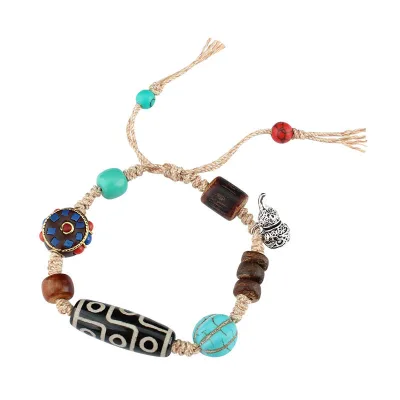


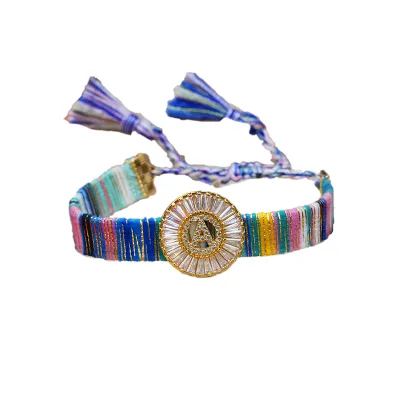
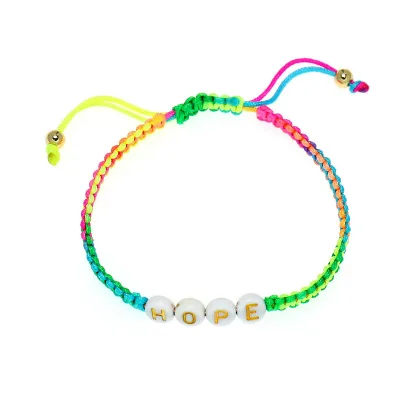
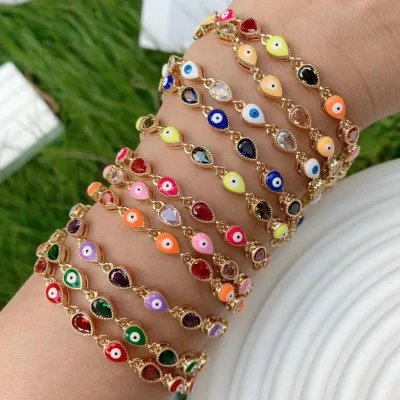


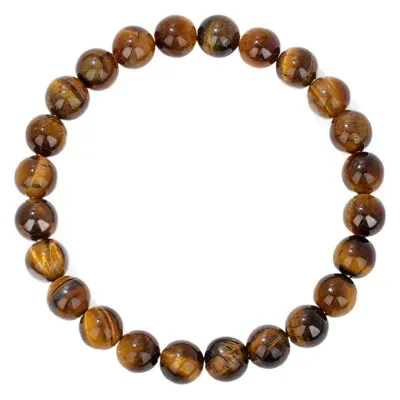
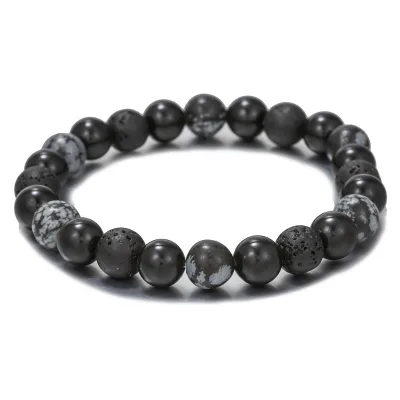
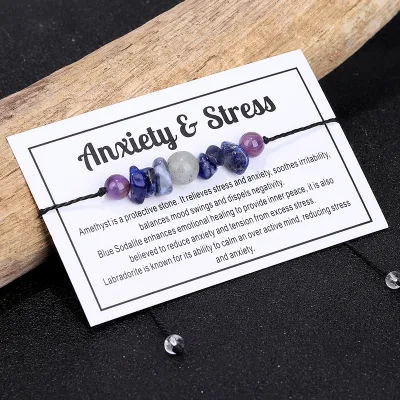
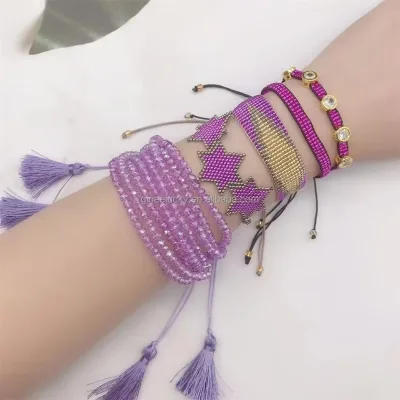
Multicolour Natural Stone Geometric 8mm Elastic Handmade Beaded Bracelet Wholesale
$0.46 - $0.80
MOQ: 100 Pieces




Comprehensive Sourcing Guide
Strategic Sourcing Guide for Handmade Beaded Bracelets
Understanding Product Specifications and Material Variability
When sourcing handmade beaded bracelets, the first critical step is defining the precise technical specifications that align with your target market. The product landscape for this category is diverse, ranging from simple acrylic designs to more complex stainless steel constructions. A primary observation in the current market is the significant variation in material composition. Buyers must distinguish between products listed with "Acrylic" as the primary material and those utilizing "Beads" as a general descriptor or "Stainless Steel" for structural components. The choice of material directly influences the weight, durability, and perceived value of the final item. For instance, acrylic options often offer a lightweight profile suitable for casual wear, while stainless steel variants provide a different aesthetic and potentially higher resistance to tarnish.
The physical dimensions of these bracelets are equally critical for inventory planning and customer satisfaction. Standardized sizing is not universal across all suppliers. Market data indicates that specific product standards vary significantly, with some items adhering to a size of 810cm, while others are listed at 1012cm. Furthermore, chain specifications can differ, with some bracelets featuring a chain size of 19 cm and a bead diameter of 8mm. Other listings suggest a total length of 45cm plus a 5cm extension chain, which is a common configuration for adjustable jewelry. Buyers must verify these exact measurements against their target demographic's preferences, as a mismatch in length or bead diameter can lead to high return rates. The design style is another key specification; the majority of available options fall under the "Simple" or "Star Fashion" categories, with "Beads bracelet" being a dominant design attribute. Understanding these specific designations helps in filtering suppliers who can meet the aesthetic requirements of your brand.
Compliance, Certification, and Safety Standards
Navigating the compliance landscape for handmade jewelry requires a rigorous approach to safety and material standards, particularly when the end-user demographic includes younger consumers. Several product listings explicitly state that the items are "Suitable for Female" and "Suitable for Girl," with an age recommendation of "More Than 16." This distinction is vital for regulatory compliance. If a supplier markets a beaded bracelet as suitable for children or teenagers under 16, the product must adhere to stricter safety standards regarding small parts, choking hazards, and material toxicity.
While specific certification names are not universally applied to every listing in the current market data, buyers must verify that materials meet international safety benchmarks. For acrylic and bead-based products, this often involves checking for lead-free and phthalate-free certifications, especially if the product is intended for export to regions with strict chemical regulations. Stainless steel components should be verified for corrosion resistance and hypoallergenic properties to prevent skin irritation. The "Standard" attribute listed in some product data, such as "10mm" or specific bead diameters, serves as a baseline for quality control but does not replace formal safety testing. Buyers should request third-party test reports to confirm that the "High Quality" claims made by suppliers are backed by verifiable data regarding material safety and structural integrity.
Cost Drivers and Pricing Dynamics
The pricing structure for handmade beaded bracelets is influenced by a complex interplay of material costs, labor intensity, and order volume. The observed price range in the market spans from $0.14 to $10.00 USD per unit. This wide disparity is not merely a reflection of brand value but is heavily driven by the specific materials used and the complexity of the design. Acrylic bracelets, which are generally less expensive to manufacture, tend to cluster at the lower end of this spectrum. In contrast, bracelets incorporating stainless steel or intricate beadwork may command prices closer to the upper limit.
Order Volume is the most significant variable affecting the unit cost. The Minimum Order Quantity (MOQ) varies drastically, ranging from as low as 2 pieces to as high as 3,800 pieces. Suppliers offering an MOQ of 50 pieces or 500 pieces often operate on a different business model than those requiring bulk orders of thousands. A lower MOQ allows for smaller, more agile inventory cycles but typically comes with a higher per-unit cost. Conversely, an MOQ of 500 or 540 pieces per carton suggests a production run optimized for bulk efficiency, which can significantly reduce the cost per unit. Buyers must calculate the total landed cost, including shipping and duties, rather than focusing solely on the unit price. The "Selling Units" attribute, which sometimes lists "Single Item," indicates that some suppliers are willing to sell samples or small batches, which is useful for prototyping but less cost-effective for mass production.
Typical Applications and Market Segmentation
The application of handmade beaded bracelets extends beyond simple adornment, serving multiple functional and emotional purposes in the market. The primary usage categories identified include "Decoration," "Gift," and "Beauty." This versatility allows buyers to target diverse market segments. For the "Decoration" sector, the focus is on aesthetic appeal, with styles ranging from "Simple" to "Star Fashion." These items are often marketed for "Informal Occasions," making them ideal for casual wear, festivals, or everyday accessories.
The "Gift" application is particularly strong, with many listings explicitly stating "Usage: Gift" or "Decoration, Gift." This suggests that the product is positioned as a thoughtful, personalized item. The availability of "Customized Logo" services further enhances this positioning, allowing brands to create branded merchandise for corporate events, promotional campaigns, or special occasions. The "Beauty" usage category implies a connection to self-care and personal styling, appealing to consumers looking to enhance their personal image. Additionally, the "Suitable for: Female" and "Suitable: Girl" attributes indicate a clear gender targeting, though the "Multicolour" and "8 Color" or "9 Color" options suggest a broad appeal across different style preferences. Understanding these applications helps in tailoring marketing strategies and selecting the right product variations for specific sales channels.
Supplier Evaluation and Customization Capabilities
Evaluating suppliers for handmade beaded bracelets requires a deep dive into their customization capabilities and operational flexibility. A key differentiator in this market is the "OEM/ODM/Custom" attribute, which is listed as "Warmly Welcome" by many suppliers. This indicates a high degree of flexibility in product development. Buyers should look for suppliers who can accommodate specific design requests, such as custom color combinations (e.g., "Multicolour," "8 Color," "9 Color") and specific material mixes. The ability to add a "Customized Logo" is another critical factor for brands looking to establish a unique identity.
Packaging standards are another area where supplier evaluation is essential. The data shows variations in packaging, ranging from "1 PCS/OPP Bag" to "OPP Bag + Bubble Bag + Carton" and even bulk options like "540PCS/CTN." The choice of packaging affects the perceived value of the product and the logistics of shipping. For high-end gift items, a more protective and aesthetically pleasing packaging solution like "OPP Bag + Bubble Bag + Carton" is necessary. For bulk wholesale, the "540PCS/CTN" configuration is more efficient. Buyers must also verify the "Place of Origin," with "China" and specifically "Guangdong, China" being common locations. While these locations are known for strong manufacturing capabilities, buyers should ensure that the specific factory has the infrastructure to handle the required quality control and lead times.
Quality Control and Long-Term Procurement Considerations
Implementing a robust quality control (QC) protocol is essential for maintaining brand reputation in the handmade jewelry sector. Given the manual nature of "handmade" production, consistency can be a challenge. Buyers should establish clear acceptance criteria based on the observed specifications, such as bead diameter consistency (e.g., 8mm) and chain length accuracy (e.g., 19 cm or 45cm+5cm). Regular inspections should focus on the structural integrity of the beads, the strength of the clasps, and the uniformity of the color application. The "Feature: High Quality" claim found in some listings must be validated through physical sampling and, if possible, third-party testing.
Long-term procurement success depends on building a reliable supply chain that can scale with demand. The wide range of MOQs, from 2 to 3,800 pieces, offers flexibility but requires careful inventory management. Buyers should aim to negotiate a tiered pricing structure that rewards increased order volumes while maintaining a manageable MOQ for initial orders. Communication regarding lead times and production schedules is vital, as handmade items often have longer lead times than mass-produced goods. Establishing a clear timeline for sample approval, production, and shipping will prevent delays. Furthermore, maintaining a relationship with suppliers who offer "Customization" and "OEM/ODM" services will allow for product evolution and adaptation to changing market trends. By focusing on these strategic elements, buyers can secure a steady supply of high-quality handmade beaded bracelets that meet both operational and market demands.
Comparative Analysis of Product Attributes
To facilitate better decision-making, the following table summarizes the key variations observed in the product attributes, helping buyers identify the specific configurations that match their needs.
| Attribute Category | Observed Variations | Strategic Implication |
|---|---|---|
| Material | Acrylic, Beads, Stainless Steel | Determines durability, weight, and price point. |
| Dimensions | 810cm, 1012cm, 19cm chain, 45cm+5cm | Must match target demographic sizing preferences. |
| Color Options | Multicolour, 8 Color, 9 Color, Gold | Affects aesthetic appeal and inventory breadth. |
| MOQ Range | 2, 50, 500, 3800 | Influences cash flow and inventory risk management. |
| Packaging | 1 PCS/OPP, 540PCS/CTN, Bubble Bag + Carton | Impacts shipping costs and retail presentation. |
| Customization | Logo, OEM/ODM, Color | Enables brand differentiation and private labeling. |
| Target Audience | Female, Girl, >16 Age | Defines marketing channels and compliance requirements. |
By carefully analyzing these attributes and aligning them with specific business goals, buyers can navigate the complex landscape of Handmade Beaded Bracelet sourcing with confidence and precision.
FAQs
What materials are used for handmade beaded bracelets?
Common materials include acrylic, beads, and stainless steel. Buyers should verify the specific material composition as it influences weight and durability, with acrylic being lightweight and stainless steel offering higher resistance to tarnish.
Which dimensions are standard for these bracelets?
Standard sizes vary, including 8x10cm, 10x12cm, or specific chain lengths like 19cm and 45cm plus 5cm. Buyers must verify exact measurements against target demographic preferences to avoid sizing mismatches and high return rates.
Can suppliers provide customized logos and designs?
Yes, customization is widely available with OEM and ODM services warmly welcomed. Suppliers often offer customized logos and color options like multicolour or specific color counts to help brands establish a unique identity.
What is the typical minimum order quantity for these items?
MOQs range widely from 2 pieces up to 3,800 pieces depending on the supplier. Lower MOQs allow for agile inventory but higher unit costs, while bulk orders often require 500 pieces or more for efficiency.
How are these bracelets typically packaged for shipping?
Packaging varies from single OPP bags to bulk cartons containing 540 pieces. High-end gifts often use protective bubble bags and cartons, while wholesale buyers may prefer bulk carton configurations to reduce shipping costs.
Which age groups are these bracelets suitable for?
Most listings specify suitability for females and girls over 16 years of age. This distinction is vital for regulatory compliance, as products intended for younger children require stricter safety standards regarding small parts and toxicity.
What are the primary usage categories for these products?
Primary uses include decoration, gifts, and beauty applications. They are often marketed for informal occasions and can serve as personalized items with customized logos for corporate events or promotional campaigns.