Source Handmade Art Quilling Paper for gifts, weddings, and crafts
Find 30 listings for Handmade Art Quilling Paper with varying sizes, weights, and colors. Buyers can compare specifications like paper grams, strip widths, and packaging options to select the right materials for DIY projects.
Key considerations
Products List
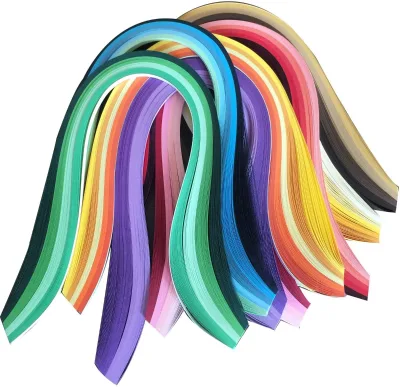
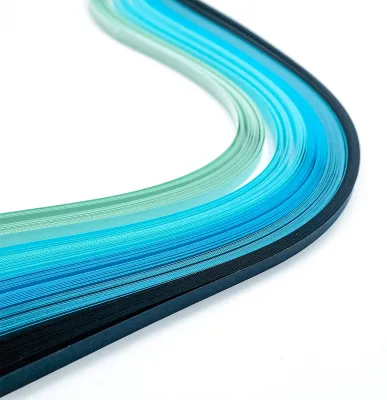
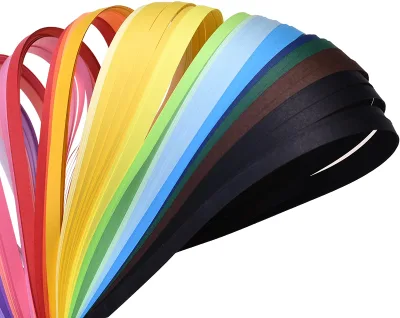
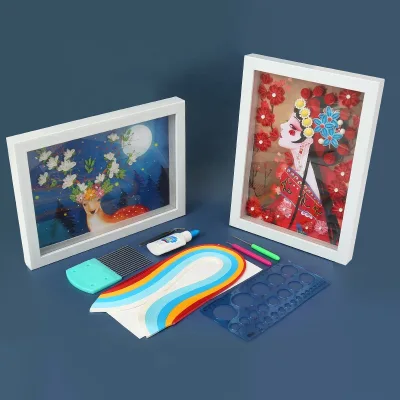
Wholesale Quilling Art DIY Craft Paper Quilling Set for decoration home and diy craft
$0.42 - $0.68
MOQ: 10000 Minimum
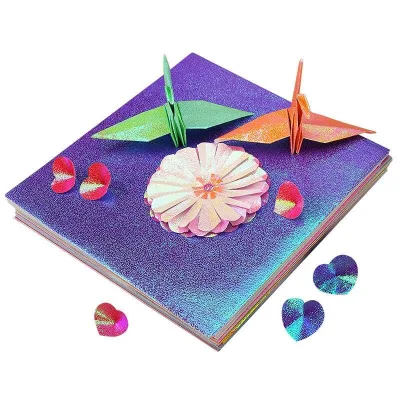
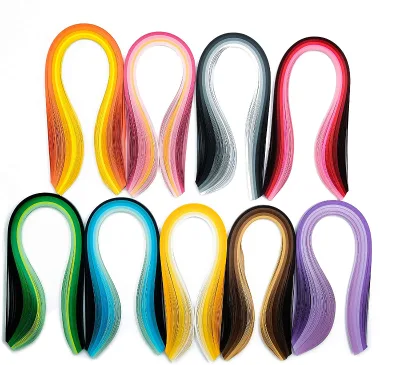
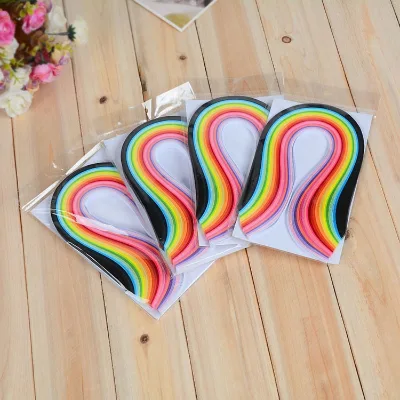
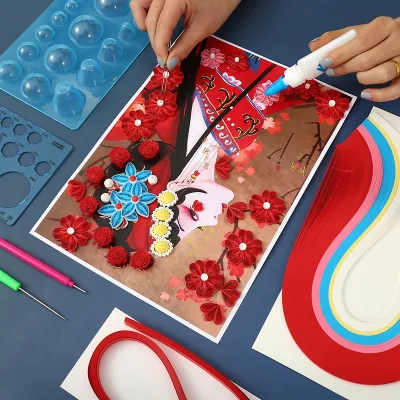
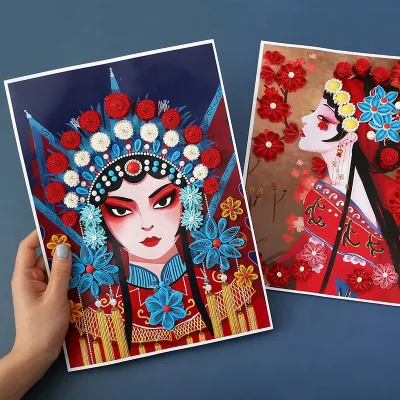


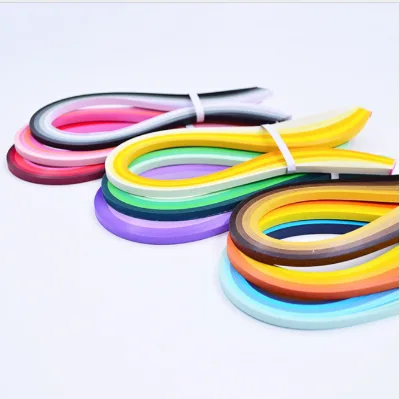
Single Face Color Fluting Paper Art Craft Corrugated Paper for Handicraft
$0.30 - $0.33
MOQ: 2000 Square Meters




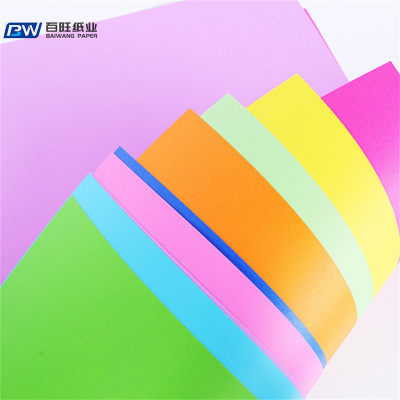
School Papers DIY Papers Origami Papers Construction Papers Handmade Papers
$0.05 - $0.50
MOQ: 100 Pieces




Comprehensive Sourcing Guide
Handmade Art Quilling Paper Sourcing Guide
Sourcing Handmade Art Quilling Paper requires a nuanced understanding of material properties, manufacturing processes, and commercial terms that differ significantly from standard office or printing paper. This guide synthesizes observed market signals and technical specifications to help procurement professionals navigate the complexities of acquiring high-quality quilling strips for craft, decorative, and artistic applications. By focusing on verified attributes such as paper weight, width, and origin, buyers can mitigate risks associated with inconsistent supply chains and ensure that the final products meet the aesthetic and functional demands of their end customers.
The following sections provide a structured approach to evaluating suppliers, verifying technical specifications, and establishing robust commercial agreements. Each section is designed to address specific decision points in the procurement lifecycle, from initial product scope definition to long-term supplier relationship management. The guidance is grounded in observed listing data and trusted category knowledge, ensuring that all recommendations are actionable and relevant to the current market landscape for quilling paper products.
Product Scope and Observed Listing Signals
The market for quilling paper is characterized by a diverse range of product variations, primarily distinguished by paper weight, strip width, and color availability. Observed listings indicate that materials are typically sourced from virgin wood pulp, with common grammages including 80gsm, 120gsm, and 160gsm, allowing buyers to select the appropriate stiffness and durability for their specific craft needs. The product type is generally classified as folded paper or paper cutting, with techniques ranging from collage to other specialized handmade processes. Buyers should note that while some listings specify a hexagon shape, the primary form factor is long, thin strips, often available in widths such as 3mm, 5mm, 7mm, and 10mm, which are critical for achieving precise quilling designs.
Color variety is a significant differentiator in this category, with suppliers offering extensive palettes that can exceed thirty colors or provide specific sets like 26-color assortments containing 260 strips. The paper is typically uncoated and made from mixed pulp, which contributes to its suitability for offset printing and other decorative applications. Applications span art and collectibles, wedding decorations, and holiday gifts, indicating a broad market reach. Buyers must carefully distinguish between products labeled as "handmade" and those that are machine-processed, as the former may involve additional labor costs and longer lead times, while the latter might offer more consistent dimensions and lower prices.
Technical Specifications to Verify
Verifying the physical dimensions and material composition of quilling paper is essential to ensure compatibility with quilling tools and the desired aesthetic outcome. Buyers should confirm the exact width of the strips, as variations between 3mm and 10mm can significantly impact the complexity and scale of the final artwork. Additionally, the paper weight, typically ranging from 80gsm to 160gsm, must be verified to ensure it is neither too flimsy nor too rigid for the intended use. The length of the strips, often standardized at 45cm, 50cm, or 75cm, should also be confirmed, as this affects the number of shapes that can be created per strip and the overall efficiency of the crafting process.
Packaging and presentation details are equally important for retail and wholesale buyers. Standard packaging often consists of assorted sets, such as 12 assorted colors with 12 pieces per set, packed in bags with header cards and then consolidated into cartons. The single package size and gross weight, which may be around 49x49x52 cm and 0.13 kg respectively, are critical for calculating shipping costs and storage requirements. Buyers should also verify whether the paper is customized or comes in standard patterns, and whether the brand name or model number corresponds to specific quality tiers or design exclusivities.
Compliance and Safety Documentation
While specific certification statuses are not universally disclosed in all listings, buyers must ensure that the quilling paper complies with relevant safety standards, particularly if the product is intended for children or educational use. The material is described as virgin wood pulp, which generally implies a higher quality and fewer impurities compared to recycled pulp, but buyers should request documentation to verify the absence of harmful chemicals or allergens. Since the paper is uncoated, it is less likely to contain volatile organic compounds (VOCs) associated with certain coatings, but this should be confirmed through supplier declarations or third-party testing reports.
For products originating from China, particularly from regions like Hunan, buyers should be aware of export regulations and any specific requirements for craft materials. Although no specific standards are listed in the observed data, buyers should proactively ask for compliance certificates such as EN71 for toys or ASTM F963 if the quilling paper is marketed towards younger audiences. Additionally, verifying the pulp material source and ensuring it meets environmental sustainability standards can be a valuable differentiator for eco-conscious buyers. Buyers should also check for any restrictions on the use of certain dyes or pigments in the coloring process to ensure global market accessibility.
Cost Drivers and Commercial Terms
The cost of quilling paper is influenced by several factors, including the paper weight, the number of colors, and the level of customization. Higher grammages like 160gsm and a wider range of colors typically command higher prices, while standard 80gsm options may be more cost-effective for bulk orders. The observed price range in the market is broad, spanning from $0.05 to $912.53, reflecting the variability in product quality, packaging, and order volume. Buyers should be cautious of extremely low prices, as they may indicate inferior paper quality or inconsistent strip dimensions.
Minimum Order Quantities (MOQs) vary significantly, with some suppliers requiring as few as 10 pieces for trial orders, while others set MOQs at 5000 bags for bulk production. Lead times are typically between 30 to 45 days, which buyers must factor into their inventory planning and cash flow management. Customization options, such as specific colors, widths, or packaging designs, may incur additional setup fees or higher per-unit costs. Buyers should negotiate clear terms regarding payment methods, shipping responsibilities, and penalties for delays to protect their interests and ensure a smooth procurement process.
Supplier Qualification and Quality Control
Evaluating supplier qualifications is crucial to ensuring a reliable supply of high-quality quilling paper. Buyers should verify the supplier's production capabilities, including their ability to handle customized orders and maintain consistent quality across large batches. The observed data indicates that suppliers accept custom orders and offer OEM services, which suggests flexibility in meeting specific buyer requirements. However, buyers should request samples to assess the paper's texture, color consistency, and ease of use before committing to large orders.
Quality control measures should be clearly defined in the purchase agreement, including criteria for acceptable variations in strip width, length, and color. Buyers should inquire about the supplier's internal quality control processes, such as random sampling during production and final inspection before shipment. Additionally, verifying the supplier's place of origin, such as Hunan, China, can provide insights into their regional expertise and supply chain efficiency. Buyers should also check for any past performance issues or customer feedback to gauge the supplier's reliability and responsiveness to problems.
Long-Term Procurement Checks
Establishing long-term procurement relationships requires ongoing monitoring of supplier performance and market trends. Buyers should regularly review supplier delivery times, product quality, and responsiveness to ensure they continue to meet business needs. As the market for handmade art supplies evolves, staying informed about new materials, techniques, and consumer preferences can help buyers adapt their sourcing strategies. Buyers should also consider diversifying their supplier base to mitigate risks associated with single-source dependencies and potential supply chain disruptions.
Continuous improvement in the procurement process can be achieved by implementing feedback loops with both suppliers and end-users. Buyers should collect data on product performance, customer satisfaction, and any issues encountered during the crafting process to inform future purchasing decisions. Additionally, exploring opportunities for collaboration with suppliers on product development, such as new color palettes or eco-friendly materials, can enhance the competitive advantage of the buyer's offerings. By maintaining a proactive and strategic approach to sourcing, buyers can build resilient and profitable supply chains for Handmade Art Quilling Paper.
FAQs
What materials are used for Handmade Art Quilling Paper?
The paper is made from virgin wood pulp or mixed pulp with a chemical-mechanical pulping process. Available grades include 80gsm, 120gsm, and 160gsm options to suit different crafting needs.
How many colors are available for quilling paper strips?
More than 30 colors are available for standard orders, with some specific sets offering 26 distinct colors. Custom color requests are also accepted to match specific design requirements.
What is the minimum order quantity for quilling paper?
The minimum order quantity varies by supplier, ranging from 10 pieces to 5000 bags. Buyers should verify specific MOQs as some vendors require bulk purchases while others accept small trial orders.
Can I customize the width and size of the paper strips?
Yes, customization is accepted for width and size specifications. Available widths include 3mm, 5mm, 7mm, and 10mm, while lengths can be customized to 10cm, 45cm, 50cm, or 75cm.
What is the typical delivery time for these paper products?
The standard delivery time is between 30 to 45 days after order confirmation. This lead time applies to standard production runs and may vary based on order volume and customization levels.
Which applications are suitable for Handmade Art Quilling Paper?
These papers are suitable for art and collectibles, wedding decorations, and holiday gifts. They are also used for folded paper crafts, collage techniques, and creating flowers, trees, or letters.