Source Handmade Cartoon Acrylic Coaster for gifts, decor, and events
Find 30 listings for Handmade Cartoon Acrylic Coaster options suitable for business gifts, home decor, and promotional events. Buyers can compare materials, sizes, and customization features across multiple suppliers to identify the best fit for their needs.
Key considerations
Products List
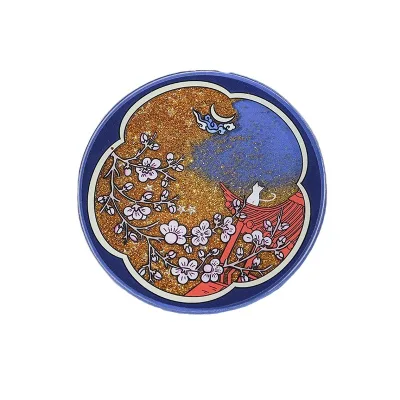
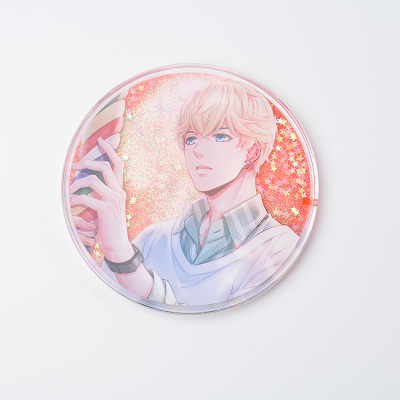
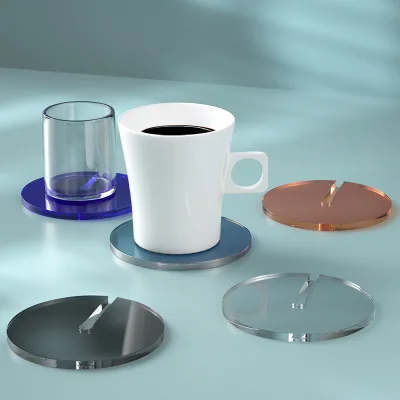
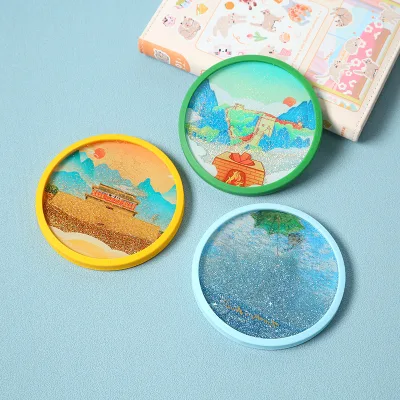
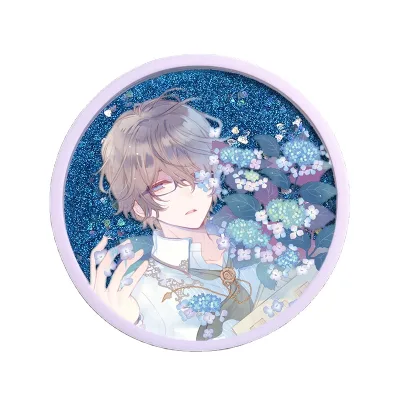

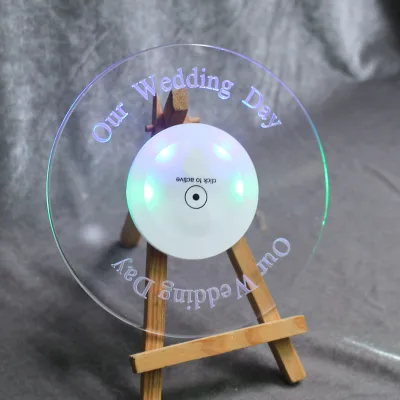
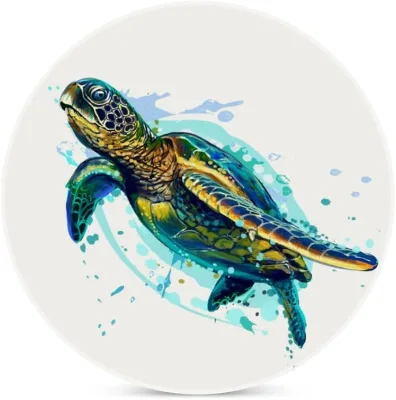
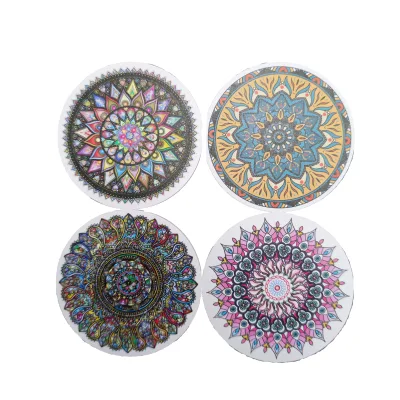
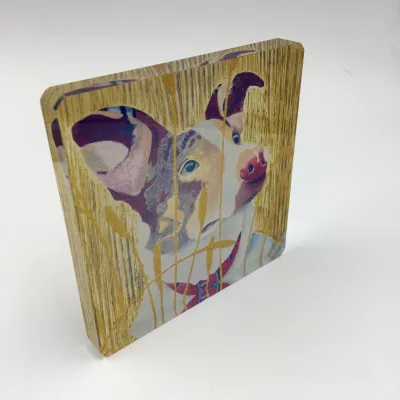
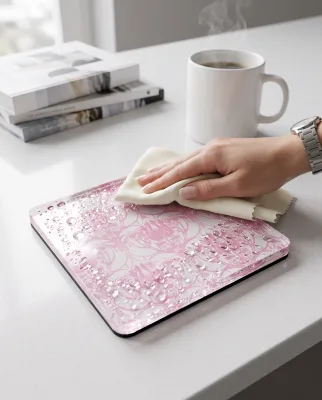
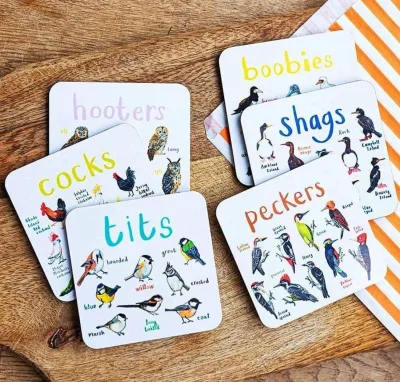
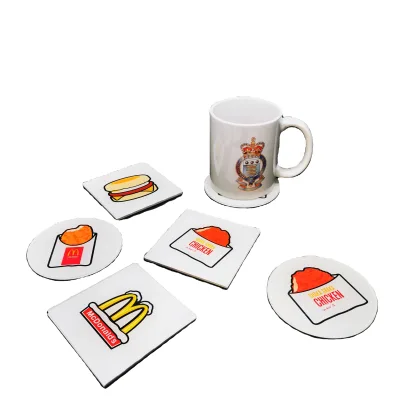






Comprehensive Sourcing Guide
Strategic Sourcing Guide for Handmade Cartoon Acrylic Coasters
Understanding Product Specifications and Material Composition
When sourcing handmade cartoon acrylic coasters, buyers must first establish a clear understanding of the physical and material attributes that define this category. The core material identified in available product data is acrylic, often paired with silicone for enhanced functionality. This combination suggests a product designed for both aesthetic appeal and practical utility. The acrylic component provides the clarity and rigidity necessary for detailed cartoon graphics, while the silicone layer, when present, typically serves as a non-slip base to protect table surfaces from moisture and scratches.
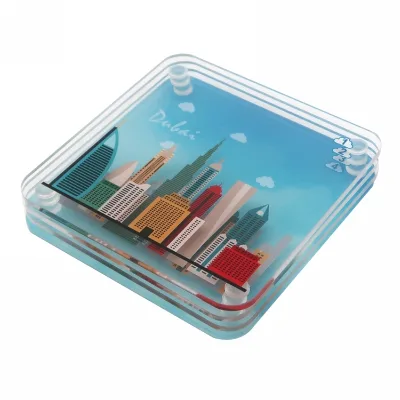
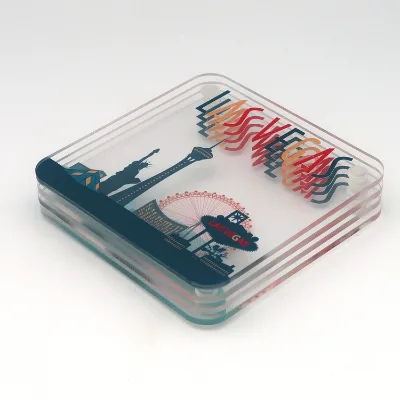
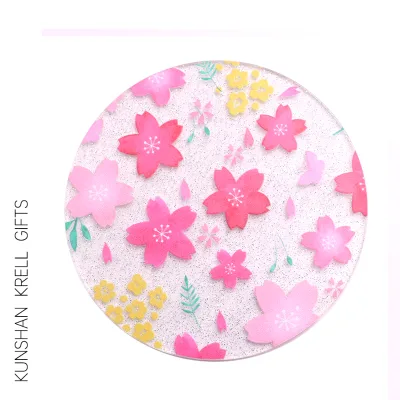
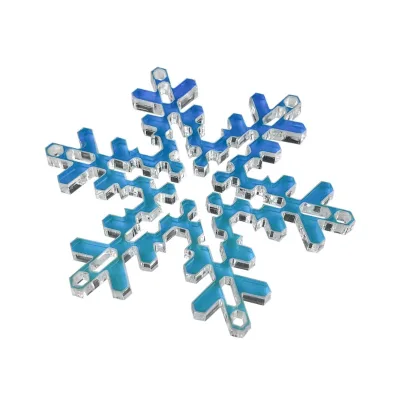
The dimensional specifications for these items vary significantly across the market. Observed data indicates a range of sizes, from compact units measuring 4 inches in diameter to more standardized dimensions such as 100mm in diameter with a thickness of 4mm. Some suppliers offer fully customized sizing, allowing for unique shapes that extend beyond the traditional round or square formats. The "die-cut" technique is frequently mentioned, enabling the production of coasters in specific cartoon character outlines rather than standard geometric shapes. This flexibility is a critical technical feature for brands seeking distinctive promotional items or unique home decor pieces.
The surface finish and printing techniques are equally vital. The primary method observed is UV printing, which allows for high-resolution, full-color reproduction of cartoon designs. This technique ensures that vibrant colors and fine details remain durable and resistant to fading. Other techniques noted include thermoforming, which may be used to create specific contours or textures, and standard printing methods for logo placement. The product attributes also highlight a "printed" technique, suggesting that the cartoon imagery is applied directly to the acrylic surface. Buyers should verify that the printing process used by a potential supplier is compatible with the specific acrylic grade being utilized to prevent delamination or color bleeding over time.
Design Flexibility and Customization Capabilities
The "handmade" aspect of the keyword implies a level of artisanal attention to detail, particularly when dealing with complex cartoon illustrations. In the context of B2B procurement, this often translates to custom die-cutting and specialized printing services rather than purely mass-produced, off-the-shelf items. The product data confirms that designs can be customized to "any" shape, supporting the creation of intricate cartoon figures. This capability is essential for businesses looking to create branded merchandise, souvenirs, or promotional gifts that stand out in a crowded market.
Customization extends beyond just the shape. The "Design" attribute in the source data explicitly states that designs can be customized, and the "Feature" attribute highlights "Promotion logo" as a key selling point. This indicates that suppliers are equipped to handle the integration of brand logos alongside cartoon characters. The "OEM/ODM" status being "yes" further reinforces that manufacturers are willing to produce goods based on client-provided artwork or to develop designs in collaboration with the buyer.
However, the "handmade" descriptor requires careful interpretation. While the final assembly or finishing touches may be manual, the production process often involves automated cutting and printing machinery. Buyers should clarify the extent of manual labor involved. Is the "handmade" aspect limited to quality control and packaging, or does it involve hand-painting or hand-assembling of multiple layers? The presence of "no mold fee" as an advantage suggests that for many suppliers, the die-cutting process may not require expensive custom molds for every order, or that the molds are reusable for different shapes. This is a significant cost driver to investigate, as traditional molding can be expensive for low-volume orders.
Cost Drivers and Pricing Structure Analysis
The pricing structure for acrylic coasters is influenced by several variables, including material quality, design complexity, order volume, and finishing techniques. The observed price range in the market spans from $0.13 to $3.50 per unit. This wide disparity indicates that the final cost is highly dependent on the specific configuration of the order. Lower-priced items likely correspond to standard sizes, simple round shapes, and minimal customization, utilizing basic acrylic materials. Conversely, the higher end of the price spectrum likely reflects custom die-cut shapes, multi-layer constructions (acrylic plus silicone), high-resolution UV printing, and smaller order quantities that do not benefit from economies of scale.
The Minimum Order Quantity (MOQ) is another critical cost driver. Data shows an MOQ range from 1 to 1000 units. An MOQ of 1 suggests a supplier capable of handling sample orders or very small boutique runs, which typically commands a higher unit price. In contrast, an MOQ of 100 units or higher is common for bulk orders where the per-unit cost drops significantly. The "no mold fee" advantage is particularly relevant for buyers looking to minimize upfront costs, especially for custom shapes. If a supplier charges a mold fee, it adds a fixed cost that must be amortized over the order quantity, making smaller orders less economical.
Buyers must also consider the "Selling Units" attribute, which is listed as "Single item." This implies that pricing is often calculated per piece, but bulk discounts are likely available. The "Sample" attribute is noted as "vailabel" (likely meaning available), which is a standard practice for verifying quality before committing to a large order. The cost of samples should be factored into the overall procurement budget, as high-quality samples may be expensive to produce but are essential for validating the "handmade" quality and print fidelity.
Typical Applications and Market Positioning
The versatility of handmade cartoon acrylic coasters makes them suitable for a diverse range of applications. The "Usage" attributes in the data point to "Business Gift," "Home Decoration," and "Souvenir." This triad of applications highlights the product's dual nature as both a functional item and a marketing tool. As business gifts, these coasters serve as memorable promotional items that can be branded with company logos alongside popular cartoon characters, increasing brand recall. The "Promotion logo" feature directly supports this use case.
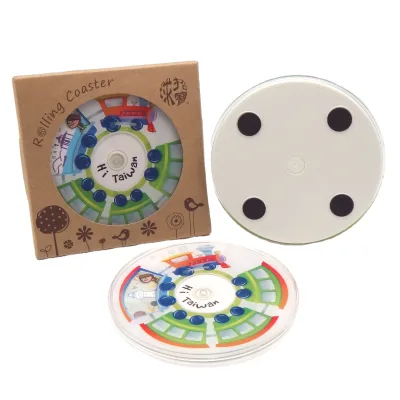
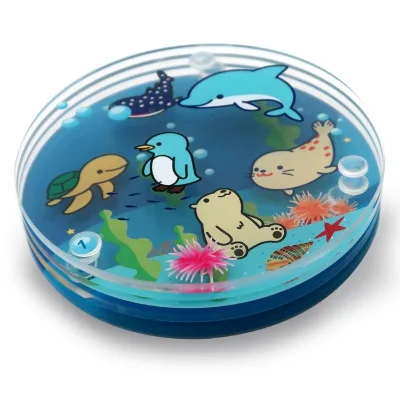
In the home decor sector, the "Product Type" is listed as "Home Decor," and the "Style" includes "Classic," "Folk Art," and "Animal." This suggests that these coasters are marketed not just as utility items but as decorative accents. The "Pattern" attribute mentions "train" and "Animal," indicating that cartoon themes are a primary design driver. These items are particularly effective for targeting specific demographics, such as families, children, or fans of specific franchises. The "Regional Feature" of "worldwide" suggests that these products have broad appeal and can be shipped to various international markets.
The "Application" field also lists "Other," which is a catch-all category that often includes events, trade shows, and hospitality settings. The "Usage" description "for cup, plate, coffice..." confirms their primary function is to protect surfaces from drink condensation and spills. The "Advantage" of being "Durable" is crucial for these applications, as coasters must withstand frequent use and cleaning. The combination of acrylic and silicone materials enhances this durability, making them suitable for high-traffic environments like cafes, bars, and offices.
Supplier Evaluation and Verification Protocols
Selecting the right supplier for handmade cartoon acrylic coasters requires a rigorous evaluation process. Buyers should prioritize suppliers who demonstrate transparency in their manufacturing capabilities and material sourcing. The "Place of Origin" is listed as "Taiwan, China," a region known for its manufacturing expertise in acrylic products. However, buyers must verify that the specific factory meets their quality standards, as "Taiwan, China" can refer to different manufacturing hubs with varying levels of quality control.
Key verification steps include requesting detailed product samples to assess the "Technique" of printing and the quality of the die-cut edges. The "UV print" should be sharp, with no bleeding or fading, and the "acrylic" should be free of bubbles or scratches. Buyers should also verify the "OEM/ODM" capabilities by reviewing the supplier's portfolio of previous custom projects. The "Design" attribute stating "can be any customized design" is a strong claim that needs validation through actual examples.
Compliance and certification checks are essential, even if specific certification data is not explicitly listed in the product attributes. Buyers should inquire about the supplier's adherence to international safety standards, particularly regarding the materials used. Acrylic and silicone must be food-safe if the coasters are intended for use with beverages. While the "Feature" list mentions "Durable," it does not explicitly state compliance with specific standards like FDA or LFGB. Therefore, buyers must request test reports or certification documents to ensure the materials are safe for contact with food and drink.
Quality Control and Long-Term Procurement Considerations
Maintaining consistent quality in the production of handmade cartoon acrylic coasters requires a robust quality control (QC) framework. The "handmade" nature of the product introduces variability, making standardized QC procedures even more critical. Buyers should establish clear acceptance criteria for print quality, color accuracy, and dimensional tolerances. The "Size" attribute shows variations like "4"dia" and "DIA 100mm x 4mm H," so precise measurement tools should be used during the inspection phase to ensure consistency across the batch.
Long-term procurement considerations involve building a sustainable relationship with the supplier. The "OEM/ODM: yes" status suggests a potential for ongoing collaboration. Buyers should negotiate terms that allow for flexibility in order volumes and design updates. The "Sample" availability is a positive indicator, but buyers should also discuss the process for re-ordering and how quickly the supplier can accommodate design changes. The "no mold fee" advantage is a significant long-term benefit, as it reduces the barrier to entry for new designs or seasonal updates.
Environmental and sustainability factors are increasingly important in B2B procurement. While the "Material" is listed as "Acrylic" and "Plastic," buyers should inquire about the recyclability of the materials and the supplier's waste management practices. The "Technique" of "thermoforming" and "UV print" may have environmental implications that need to be addressed. Additionally, the "Advantage" of "Durable" contributes to sustainability by extending the product's lifespan and reducing the frequency of replacement.
Finally, buyers should consider the logistics of shipping and storage. The "Single package size" is listed as "XX cm," which is a placeholder that requires clarification. Accurate packaging dimensions are necessary for calculating shipping costs and optimizing storage space. The "Lead time" is not explicitly provided in the data, so buyers must confirm this metric with the supplier to ensure it aligns with their production schedules. A clear understanding of the supply chain, from raw material sourcing to final delivery, is essential for managing risks and ensuring timely fulfillment of orders.
Conclusion
Sourcing handmade cartoon acrylic coasters involves a careful balance of aesthetic requirements, functional needs, and logistical constraints. The available data highlights a product category defined by customization, durability, and versatility. By focusing on material composition, design flexibility, cost drivers, and supplier verification, buyers can make informed decisions that align with their specific procurement goals. The wide range of applications, from business gifts to home decor, underscores the potential value of these items in various market segments. Ultimately, success in this category depends on rigorous quality control, clear communication with suppliers, and a strategic approach to managing the unique challenges of custom acrylic production.
FAQs
What materials are used for handmade cartoon acrylic coasters?
These coasters are primarily made from acrylic, often combined with silicone for a non-slip base. Some listings also mention plastic or crystal as material options. The combination ensures durability and protects table surfaces from moisture and scratches effectively.
Can I customize the shape and design of these coasters?
Yes, designs can be customized to any shape, including die-cut cartoon figures. Suppliers offer OEM and ODM services to integrate specific logos or artwork. This flexibility allows for unique promotional items or home decor pieces tailored to specific brand needs.
What is the typical minimum order quantity for these items?
The minimum order quantity ranges from 1 to 1000 units depending on the supplier. Some vendors offer samples with an MOQ of 1, while bulk orders often start at 100 pieces. Lower MOQs may result in higher per-unit costs compared to larger volume purchases.
How are the cartoon graphics printed on the acrylic surface?
The graphics are typically applied using UV printing techniques for high-resolution, full-color reproduction. This method ensures vibrant colors and fine details remain durable and resistant to fading. Other techniques like thermoforming may also be used for specific contours or textures.
Where are these acrylic coasters typically manufactured?
The place of origin for these products is listed as Taiwan, China. This region is known for manufacturing expertise in acrylic products. Buyers should verify specific factory quality standards as the location can refer to different manufacturing hubs with varying levels of control.
What are the common applications for these promotional coasters?
These items are used for business gifts, home decoration, and souvenirs. They serve as functional protective layers for cups and plates while acting as marketing tools with custom logos. Their durability makes them suitable for cafes, bars, offices, and trade show events.