Source Handmade Cartoon Plush Toy for Gifts, Decor, and Promotions
Explore 30 listings for Handmade Cartoon Plush Toy options featuring custom designs, CE and ASTM certifications, and various animal styles. Buyers can compare customization capabilities, sample times, and production details to find suitable suppliers for gifts, decorations, and promotional events.
Key considerations
Products List


Plush Animal Toy Hand Puppet Custom Hand Puppet Promotional Hand Puppets Toys
$1.00 - $5.00
MOQ: 500 Pieces


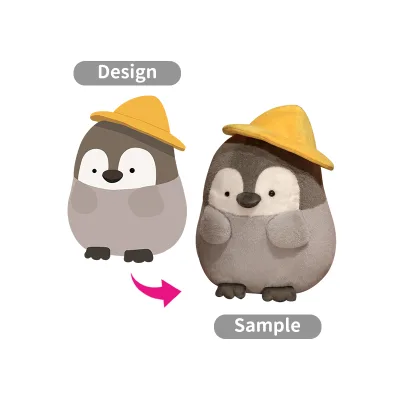


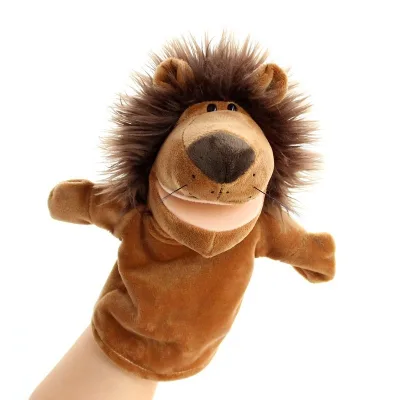
Comprehensive Sourcing Guide
Strategic Sourcing Guide for Handmade Cartoon Plush Toys
The global market for handmade cartoon plush toys represents a dynamic intersection of traditional craftsmanship and modern character licensing. For B2B procurement professionals, sourcing these items requires a nuanced understanding of production capabilities, regulatory landscapes, and supply chain logistics. Unlike mass-produced factory items, handmade plush toys emphasize artisanal quality, often utilizing specific materials like polyester fiber filling and custom modeling sources ranging from cartoon characters to animals. This guide provides a structured approach to navigating the procurement of these unique products, ensuring that buyers can identify reliable suppliers while maintaining strict adherence to safety and quality standards.
Technical Specifications and Product Attributes
When evaluating handmade cartoon plush toys, the technical specifications form the foundation of the product definition. The core material for these items is typically plush fabric, which offers a soft texture essential for the target demographic. The filling material is frequently polyester fiber, chosen for its durability and hypoallergenic properties. A critical distinction in this category is the production method; many listings explicitly state that the products are hand-made, which often implies a higher level of attention to detail in stitching and assembly compared to fully automated lines.
The design specifications vary significantly based on the intended style. Buyers may encounter products categorized as hand/finger puppets, sitting animals, or standing animals. The modeling source is a key differentiator, with options including specific cartoon characters or generic animal figures. For instance, some models are designed to represent specific characters like Chibi Maruko-Chan, while others are generic animal representations. The physical dimensions are also variable; specifications may range from short plush toys to larger variations, with lengths often defined by the specific product model number.
Packaging is another technical consideration that directly impacts logistics costs. Standard practices often involve packing per toy size and request from the client, with options for customized packing solutions. The final shipment is typically contained in cartons, but the exact configuration depends on the client's request. Understanding these attributes is vital for calculating volumetric weight and ensuring that the final product meets the visual and tactile expectations of the end consumer.
Compliance and Certification Verification
Safety compliance is non-negotiable in the toy industry, particularly when the target audience includes children over eight years of age or all ages. The regulatory landscape for plush toys is stringent, requiring verification of specific certifications before any procurement decision is finalized. Based on observed market data, reputable suppliers often provide documentation for a suite of international safety standards.
Buyers must verify that the products hold certifications such as CE, EN71, ASTM, and CPSIA. These certifications indicate that the toys have undergone testing for mechanical and physical safety, flammability, and chemical composition. Some suppliers may also list additional compliance markers like REACH and Azo Free status, which are critical for ensuring the absence of harmful substances in the dyes and materials used. It is important to note that while these certifications are frequently observed, they are not universal guarantees for every listed product. Procurement teams must request valid test reports for each specific batch or model to confirm that the compliance status is current and applicable to the specific design.
The following table outlines the typical certification landscape for this product category:
| Certification Standard | Region of Applicability | Primary Focus |
|---|---|---|
| CE | European Union | General safety and health requirements |
| EN71 | Europe | Mechanical, physical, and chemical safety |
| ASTM | United States | Safety standards for consumer products |
| CPSIA | United States | Lead content and phthalates testing |
| REACH | European Union | Chemical safety and registration |
| Azo Free | Global | Absence of harmful azo dyes |
Cost Drivers and Pricing Structures
The pricing of handmade cartoon plush toys is influenced by a complex matrix of factors, including customization levels, material costs, and labor intensity. The observed price range in the market typically spans from $0.50 to $5.99 USD per unit. However, this range is highly dependent on the complexity of the design and the volume of the order.
Customization is a primary cost driver. Products described as "custom made" or featuring specific modeling sources like unique cartoon characters often command higher prices due to the additional design and pattern-making work required. The "hand-made" attribute also contributes to the cost structure, as it implies a slower production rate and higher labor input compared to fully automated manufacturing. Furthermore, the choice of materials, such as the quality of the plush fabric and the density of the polyester fiber filling, will directly impact the unit cost.
Minimum Order Quantities (MOQ) play a significant role in the overall cost per unit. The observed MOQ range for these products is between 50 and 3,000 units. Orders at the lower end of this spectrum, such as 50 units, will naturally carry a higher unit price due to the fixed costs of setup and sampling. Conversely, larger orders can leverage economies of scale to reduce the per-unit cost. Buyers should also consider the cost of sample revisions, which are often unlimited in this sector, allowing for iterative design improvements without incurring additional fees, though this does not negate the initial sample cost.
Typical Applications and Market Usage
Handmade cartoon plush toys serve a diverse range of applications beyond simple play. The primary usage is as a toy, but the market data indicates significant utility in gift-giving, promotional campaigns, and home decoration. The "all ages" and "over 8 years" classifications suggest that these products are versatile enough for a broad consumer base, though the specific design style often dictates the primary demographic.
For promotional use, the customization capabilities are particularly valuable. Brands can commission plush toys featuring their own logos or specific character designs to create unique merchandise. The "hand/finger puppet" style is particularly effective for interactive marketing events or educational settings, while "sitting" and "standing" animal styles are ideal for retail display or home decor. The versatility of the product allows it to function as a collectible item for older children and adults, expanding the potential market reach.
Supplier Evaluation and Production Capabilities
Evaluating a supplier for handmade plush toys requires a deep dive into their production timeline and logistical capabilities. The production time for these items typically ranges from 25 to 35 working days, reflecting the labor-intensive nature of hand-made assembly. This timeline is distinct from the sample time, which is generally much shorter, ranging from 5 to 8 working days. Buyers must account for this lead time when planning their inventory and marketing schedules.
The origin of the products is predominantly China, with specific manufacturing hubs noted in locations like Ningbo. The loading ports are often Shenzhen or Guangzhou, which are major logistics gateways. Buyers should verify the supplier's ability to provide door-to-door delivery services, as this can simplify the logistics chain and reduce the burden on the buyer's internal team. Additionally, the availability of unlimited sample revisions is a positive indicator of a supplier's willingness to collaborate and ensure the final product meets the buyer's exact specifications.
When assessing a supplier, it is crucial to verify their capacity to handle the specific customization requests. The ability to produce "custom made" standards and offer "customized packing" suggests a flexible manufacturing environment. However, buyers should not assume that all suppliers can meet every specification; the "custom made" attribute should be treated as an observation of the product type rather than a universal guarantee of capability for every listed item.
Quality Control and Long-Term Procurement Considerations
Maintaining quality in handmade products requires a robust quality control (QC) strategy. Since the production involves manual labor, consistency can vary between batches. Buyers should implement a rigorous QC process that includes pre-shipment inspections to verify stitching quality, material integrity, and adherence to the approved sample. The presence of certifications like CE and ASTM provides a baseline for safety, but visual and tactile inspections are necessary to ensure the "hand-made" quality is consistent.
For long-term procurement, establishing a clear communication channel regarding design changes is essential. The "unlimited sample revised" attribute suggests that the supplier is open to iterative design processes, but buyers must manage this carefully to avoid production delays. Additionally, understanding the shipping terms, such as Ocean/Air freight options, is vital for managing costs and delivery timelines. The "per toy size and request from client" packing standard allows for optimization of shipping volume, which can lead to significant cost savings over time.
Buyers should also consider the sustainability and ethical implications of their sourcing. While the provided data does not explicitly detail ethical labor practices, the "hand-made" nature of the product often implies a reliance on skilled labor. Ensuring that the supplier adheres to fair labor practices is a critical component of responsible procurement. Finally, maintaining a relationship with a supplier who understands the specific nuances of the "cartoon character" and "animal" modeling sources will ensure that the brand's vision is accurately translated into the final product.
Conclusion
Sourcing handmade cartoon plush toys requires a balanced approach that combines technical precision with strategic supplier management. By focusing on the specific attributes of material, certification, and production time, buyers can navigate the complexities of this market effectively. The variability in customization, pricing, and lead times necessitates a thorough evaluation process that goes beyond surface-level product descriptions. With a clear understanding of the technical specifications, compliance requirements, and logistical considerations, procurement professionals can secure high-quality products that meet the demands of the global market while maintaining the integrity of the handmade craft.
FAQs
What certifications do handmade cartoon plush toys typically have?
These toys typically hold CE, EN71, ASTM, and CPSIA certifications. Some listings also include REACH and Azo Free status to ensure safety for children over eight years or all ages, though valid test reports must be verified for each batch.
How long does production take for custom handmade plush toys?
Production time generally ranges from 25 to 35 working days. This duration reflects the labor-intensive nature of hand-made assembly, while sample creation usually requires only 5 to 8 working days before mass production begins.
Can buyers request custom packaging for these plush toys?
Yes, packaging is available per toy size and request from the client. Options include customized packing solutions contained in cartons, allowing buyers to optimize shipping volume and meet specific visual expectations for the final product.
What is the minimum order quantity for handmade cartoon plush toys?
The minimum order quantity typically ranges from 50 to 3,000 units. Orders at the lower end like 50 units carry higher unit prices due to setup costs, while larger orders leverage economies of scale to reduce costs.
Which materials are used to fill these handmade plush toys?
The filling material is frequently polyester fiber, chosen for its durability and hypoallergenic properties. The core material is plush fabric, offering a soft texture essential for the target demographic of children and collectors.
Can buyers get unlimited sample revisions for custom designs?
Yes, suppliers often offer unlimited sample revisions to ensure the final product meets exact specifications. This allows for iterative design improvements without incurring additional fees, though the initial sample cost and lead time must still be accounted for.
Where are these handmade cartoon plush toys typically manufactured?
Products originate predominantly from China, with specific manufacturing hubs noted in locations like Ningbo. The loading ports are often Shenzhen or Guangzhou, facilitating ocean or air freight for global delivery to customers.