Source Handmade Modern Cake Topper for Birthdays Parties Events
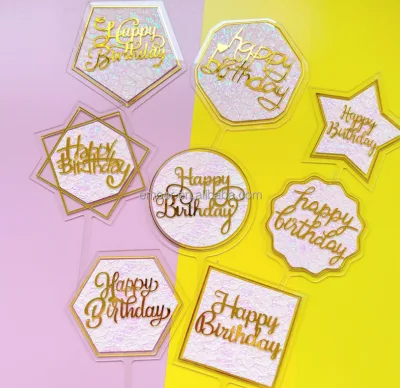
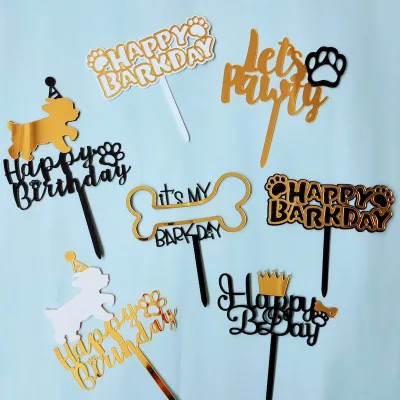
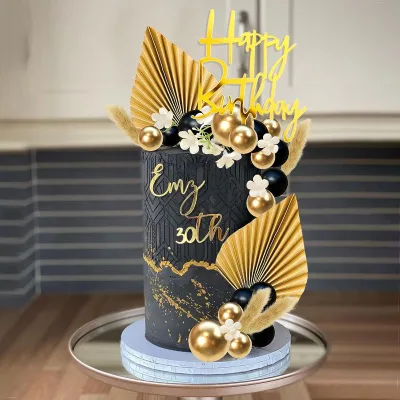
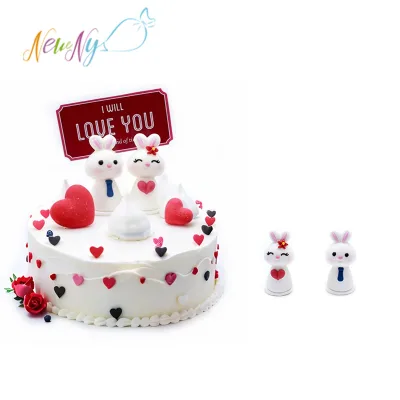
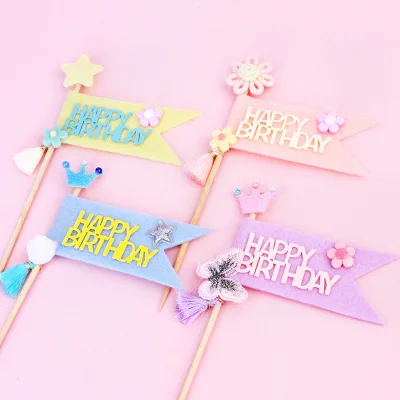
Explore 30 listings for Handmade Modern Cake Topper options suitable for birthdays, family parties, and festivals. Buyers can compare materials like paper and plastic, sizes, and customization features from verified Chinese suppliers.
Key considerations
Products List




Comprehensive Sourcing Guide
Handmade Modern Cake Topper Sourcing Guide
Sourcing handmade modern cake toppers requires a nuanced understanding of the intersection between artisanal craftsmanship and commercial scalability. These decorative elements serve as the visual focal point for celebrations, ranging from intimate family gatherings to large-scale corporate events. Buyers must recognize that "handmade" implies a level of human intervention in the manufacturing process, which introduces natural variations in texture, color, and shape. This variability is often a feature rather than a defect, contributing to the unique aesthetic appeal that distinguishes these products from mass-produced, machine-made alternatives. However, this characteristic necessitates stricter quality control protocols during the inspection phase to ensure consistency across large orders.
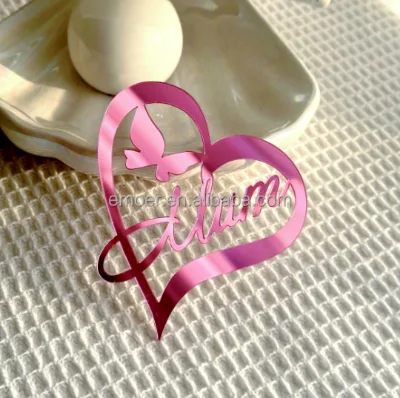
The modern aesthetic associated with these toppers often involves minimalist designs, geometric shapes, or contemporary color palettes, contrasting with traditional ornate styles. Procurement teams should focus on suppliers who demonstrate proficiency in both traditional handcrafting techniques and modern design trends. The ability to customize logos, colors, and materials is a critical differentiator in this market. Buyers should prioritize suppliers who offer OEM/ODM services, allowing for brand integration and tailored designs that align with specific event themes or corporate branding guidelines. This flexibility is essential for creating cohesive party accessories that enhance the overall customer experience.
Product Scope and Observed Listing Signals
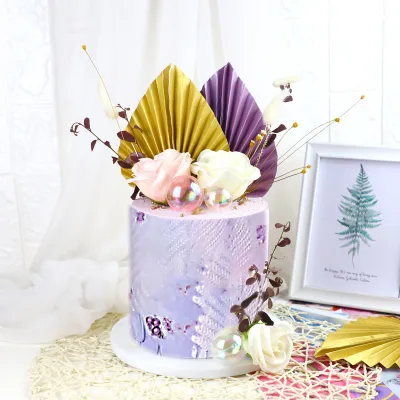
The observed product landscape for handmade modern cake toppers reveals a diverse range of materials, with paper and plastic being the most prevalent options. Paper-based toppers, such as those made from handmade paper palm leaves, offer an eco-friendly and textured appearance that appeals to environmentally conscious consumers. These items often feature specific dimensions, such as diameters ranging from 12.5 to 13 cm, and shapes like ovals, which provide a balanced visual presence on standard-sized cakes. The use of paper allows for intricate cutting and layering, enabling designers to create complex, multi-dimensional structures that stand out on a cake surface.
Plastic toppers, on the other hand, provide durability and a sleek, modern finish. These materials are often used for geometric or minimalist designs that require precise edges and uniformity. The observed listings indicate a variety of model numbers, such as AC-894, EI-210513, and LP-CP16, suggesting a wide array of design options available from different suppliers. Buyers should note that while plastic offers longevity and resistance to moisture, it may not align with the "handmade" narrative if the production process is heavily automated. Therefore, verifying the actual manufacturing method is crucial to ensure the product meets the expected quality and aesthetic standards.
Color options are another significant aspect of the product scope, with listings showing gold, purple, and multi-color variations. The availability of custom colors allows buyers to match toppers to specific event themes, such as birthday parties or family gatherings. The observed "muti" color attribute and "as Photo" descriptions highlight the importance of visual reference in the ordering process. Buyers should request physical samples or high-resolution images to verify color accuracy, as digital representations can sometimes differ from the final product. Additionally, the inclusion of custom logo options enables brands to incorporate their identity into the topper design, enhancing brand visibility at events.
Technical Specifications to Verify
When evaluating technical specifications, buyers must pay close attention to the dimensions and packaging details provided by suppliers. The observed standard sizes, such as 14 cm, 5.5 cm, and 20135 cm, indicate that there is no single industry standard for cake topper dimensions. This variability requires buyers to carefully match the topper size to the cake size and design to ensure a proportional and aesthetically pleasing result. Packaging specifications, such as OPP bags or cartons containing 2 to 5 pieces, are critical for logistics planning. Buyers should verify the packaging integrity to prevent damage during transit, especially for fragile paper-based toppers.
Model numbers and product codes, such as LP-CT02 and LP-CP10, serve as unique identifiers for specific designs. Buyers should ensure that these codes are clearly communicated in purchase orders to avoid mix-ups, particularly when ordering multiple designs. The "Selling Units" attribute, often listed as "Single item," suggests that pricing and ordering are typically done per piece. However, bulk discounts may be available for larger quantities, so buyers should inquire about tiered pricing structures. Additionally, the "Sample: Free" attribute indicates that many suppliers offer complimentary samples, which is a valuable opportunity to assess quality before committing to a large order.
Shipping and logistics options are also key technical considerations. The observed shipping methods, including express, sea, air, and truck, provide flexibility for different order sizes and urgency levels. Buyers should consider the lead times associated with each shipping method and factor them into their procurement timeline. For handmade items, production lead times can be longer due to the manual nature of the work. Therefore, early communication with suppliers regarding production schedules is essential to ensure timely delivery for upcoming events.
Compliance and Safety Documentation
Compliance and safety are paramount when sourcing cake toppers, as these items come into direct contact with food. Buyers must verify that the materials used, whether paper or plastic, are food-safe and non-toxic. For paper-based toppers, this involves ensuring that the inks and adhesives used are food-grade and do not contain harmful chemicals. Suppliers should provide documentation confirming the safety of their materials, such as material safety data sheets (MSDS) or certificates of compliance. This is particularly important for toppers that may have parts that could potentially break off and fall into the cake.
Plastic toppers must also meet specific safety standards, particularly regarding the type of plastic used. Buyers should inquire about the specific plastic resin used and verify that it is free from BPA and other harmful substances. Certifications such as FDA compliance or EU food contact regulations may be relevant, depending on the target market. Buyers should request these certifications from suppliers and keep them on file for audit purposes. Additionally, suppliers should adhere to good manufacturing practices (GMP) to ensure a clean and safe production environment.
Labeling and packaging compliance are also important aspects of regulatory adherence. Buyers should ensure that the packaging includes all required information, such as material composition, care instructions, and safety warnings. This is particularly relevant for toppers that may have small parts or sharp edges. Clear labeling helps retailers and consumers understand how to handle and use the product safely. Buyers should work with suppliers who are knowledgeable about the regulatory requirements in their target markets to ensure full compliance.
Cost Drivers and Commercial Terms
The cost of handmade modern cake toppers is influenced by several factors, including material costs, labor intensity, and customization requirements. Paper-based toppers may be less expensive in terms of material costs but can be more labor-intensive to produce, especially for intricate designs. Plastic toppers may have higher material costs but can be produced more efficiently if the design allows for some automation. Buyers should request detailed cost breakdowns from suppliers to understand the components of the final price. This transparency helps in negotiating better terms and identifying areas for cost reduction.
Minimum Order Quantities (MOQs) are another significant cost driver. The observed MOQ range of 1 to 1000 pieces indicates that suppliers have varying flexibility in terms of order sizes. Lower MOQs are beneficial for buyers testing new designs or ordering for small events, but they may come with higher per-unit costs. Higher MOQs often result in lower per-unit prices due to economies of scale. Buyers should align their order quantities with their sales forecasts and storage capacity to optimize costs. Additionally, buyers should inquire about sample costs and whether they can be credited against future orders.
Payment terms and shipping costs also impact the overall procurement cost. The observed payment terms, such as TT or Trade Assurance, provide different levels of security for buyers. Trade Assurance offers protection against non-delivery or quality issues, which can be valuable for new supplier relationships. Buyers should consider the total landed cost, including shipping, duties, and taxes, when evaluating supplier quotes. Negotiating favorable shipping terms, such as FOB or CIF, can also help manage logistics costs. Clear communication about all commercial terms is essential to avoid unexpected expenses.
Supplier Qualification and Quality Control
Supplier qualification is a critical step in the sourcing process, especially for handmade products where quality can vary significantly. Buyers should conduct thorough due diligence on potential suppliers, including verifying their business licenses, production capabilities, and past performance. Requesting references from previous clients can provide insights into the supplier's reliability and quality standards. Buyers should also assess the supplier's ability to handle customization requests, as this is a key feature of handmade modern cake toppers. Suppliers with strong OEM/ODM capabilities are better positioned to meet specific buyer requirements.
Quality control measures should be established early in the procurement process. Buyers should define clear quality standards and inspection criteria, including acceptable levels of variation for handmade items. Conducting pre-shipment inspections is essential to ensure that the products meet these standards. Buyers may choose to hire third-party inspection agencies to perform these inspections, providing an objective assessment of the product quality. Additionally, buyers should establish a process for handling defects or non-conforming products, including return policies and compensation agreements.
Communication and relationship management are also vital for maintaining quality. Regular communication with suppliers helps to address any issues promptly and ensures that both parties are aligned on expectations. Building a strong relationship with suppliers can lead to better pricing, priority production, and improved service. Buyers should consider visiting supplier facilities, if possible, to gain a deeper understanding of their production processes and quality control systems. This hands-on approach can provide valuable insights and help build trust.
Long-Term Procurement Checks
Long-term procurement success depends on continuous monitoring and evaluation of supplier performance. Buyers should establish key performance indicators (KPIs) to track metrics such as on-time delivery, product quality, and responsiveness to issues. Regular performance reviews help identify areas for improvement and ensure that suppliers are meeting expectations. Buyers should also stay informed about industry trends and changes in consumer preferences, which may impact the demand for specific types of cake toppers. Adapting to these changes requires flexibility and a proactive approach to sourcing.
Sustainability is an increasingly important factor in long-term procurement strategies. Buyers should prioritize suppliers who demonstrate a commitment to sustainable practices, such as using eco-friendly materials and reducing waste. This not only aligns with consumer values but also helps mitigate regulatory risks associated with environmental regulations. Buyers should encourage suppliers to adopt sustainable practices and provide support for their transition. Collaborating with suppliers on sustainability initiatives can lead to mutual benefits and enhance the brand's reputation.
Finally, buyers should maintain a diversified supplier base to mitigate risks associated with single-source dependencies. Having multiple qualified suppliers provides flexibility in case of supply chain disruptions or quality issues with one supplier. Regularly evaluating and onboarding new suppliers ensures that the buyer has access to the latest designs and technologies. This dynamic approach to sourcing helps maintain a competitive edge and ensures a steady supply of high-quality handmade modern cake toppers.
FAQs
What materials are used for handmade modern cake toppers?
These toppers are primarily made from paper or plastic materials. The product page lists both paper and plastic as available options for different styles. Buyers can select the material that best fits their specific party theme or durability requirements.
Can I request a custom logo on the cake topper?
Yes, custom logo customization is available for these products. The listing explicitly states that OEM services are accepted and logos can be customized. This allows buyers to brand the toppers for specific events or corporate functions.
What is the minimum order quantity for these items?
The minimum order quantity is 50 pieces for this specific product listing. Some variations may allow orders starting from 1 piece, but the high-confidence fact confirms a 50-piece threshold for the main offering. Buyers should verify the exact MOQ for their chosen model.
How are the handmade modern cake toppers packaged?
Packaging options include OPP bags or cartons depending on the specific model. Some items come in boxes containing two or five pieces each. The standard packing method ensures the toppers remain protected during shipping to the destination.
Which occasions are these cake toppers suitable for?
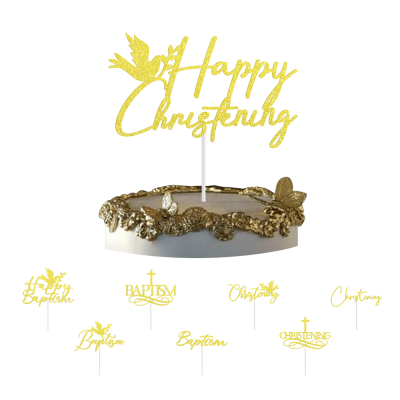
These toppers are designed for birthday parties and family gatherings. They also serve as general party accessories and festival home decorations. The product is suitable for children and can be used for various celebration types including independence day events.
What payment terms are accepted for these orders?
Accepted payment terms include TT or Trade Assurance. These methods provide secure transaction options for international buyers. Buyers should confirm the specific payment schedule with the supplier before finalizing the purchase agreement.
Where are these cake toppers manufactured?
The products originate from China, specifically from the Hebei region. This location is noted in the product facts as the place of origin. Buyers can expect shipping from this region via express, sea, air, or truck methods.