Source Handmade Mouth Blown Wine Glasses for Bars, Hotels, Restaurants
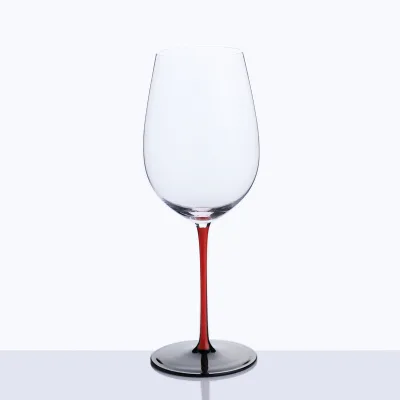
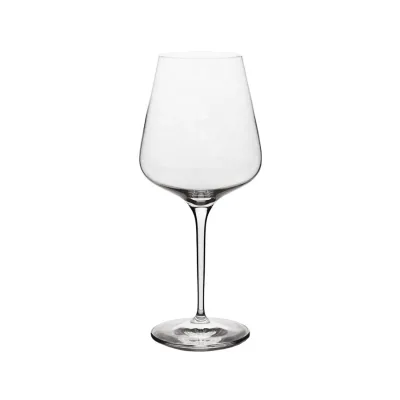
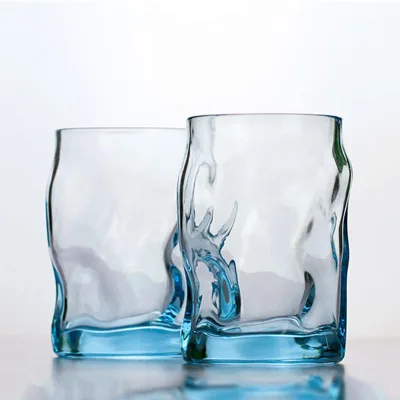
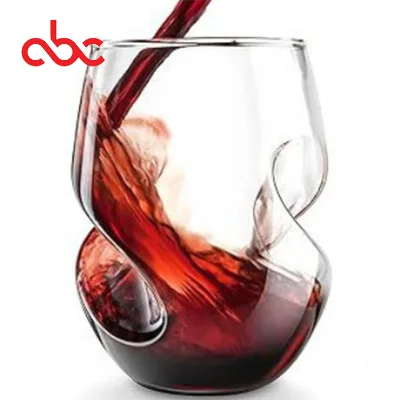
Explore 30 listings of Handmade Mouth Blown Wine Glasses available from suppliers in China. Buyers can compare specifications, certifications, and customization options for use in bars, hotels, and restaurants.
Key considerations
Products List


New Design Handmade Crystal Glass Champagne Glasses Highball Sparkling Wine Glasses
$2.30 - $2.71
MOQ: 350 Pieces

Multi-Style Hand Blown Mountain Bottom Crystal Whiskey Lead-Free Shot Wine Glasses
$1.20 - $1.41
MOQ: 700 Pieces
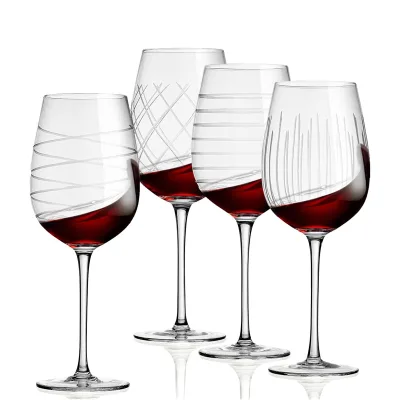


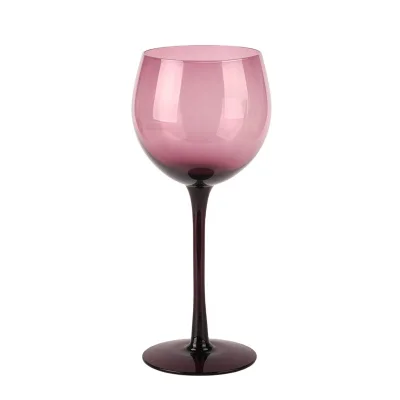
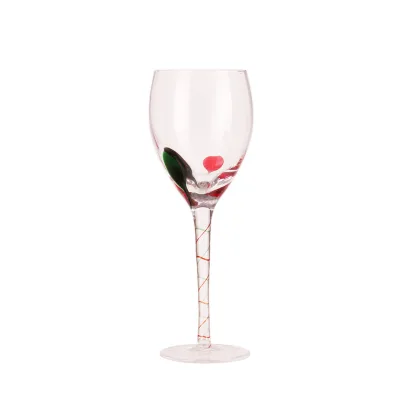


Comprehensive Sourcing Guide
Strategic Sourcing Guide for Handmade Mouth-Blown Wine Glasses
Understanding Product Definitions and Material Variations
When sourcing handmade mouth-blown wine glasses, buyers must first distinguish between the specific manufacturing techniques and the resulting material properties. The core keyword implies a production method where molten glass is gathered on a blowpipe and shaped by a craftsman using breath and gravity, rather than automated pressing or molding. This distinction is critical because the "Handmade.Mouth Blown" attribute often correlates with unique aesthetic variations, such as slight asymmetries in the bowl or stem, which are characteristic of artisanal quality rather than defects.
The supplied product data indicates that the market for these items includes variations in material composition. While the primary material observed is "Glass," specific listings also highlight "Crystal" as a material option. Crystal glass typically offers higher clarity, greater refractive index, and a distinct ring when tapped, which are desirable traits for premium wine service. However, the presence of "Melt Glass" as a specific glass type in the data suggests that some suppliers may offer a broader range of glass formulations that prioritize durability or specific thermal properties over traditional crystal clarity. Buyers should verify whether the "Handmade" designation applies to the entire vessel or just specific components, as some products may combine machine-pressed bases with hand-blown stems.
Furthermore, the shape of the vessel is a primary differentiator. The data lists "Cylindrical Shape" for specific wine glass models, while other entries mention "Rectangular" shapes, which are less common for traditional wine service but may appear in modern or experimental designs. The "Goblet" type is explicitly identified as a product category, confirming the presence of stemmed vessels. Buyers must align their technical specifications with the intended use; a cylindrical goblet may offer a different aerodynamic profile for wine release compared to a traditional tulip shape. The "10 oz" capacity observed in the data provides a concrete reference point for standard serving sizes, but buyers should confirm if the "Handmade" process allows for custom capacity adjustments, as mouth-blown glass often permits more flexibility in volume than mass-produced alternatives.
Technical Specifications and Standardization Challenges
One of the most significant challenges in sourcing handmade mouth-blown wine glasses is the tension between artisanal variation and industrial standardization. The supplied facts reveal a mix of specific dimensional standards and general packaging metrics. For instance, one product standard is listed as "878285mm," which likely refers to the physical dimensions of a specific model. Another entry cites a capacity of "150ml," while others list ranges like "350/450/550/650ml" or "350/500ml." This variance indicates that while some models adhere to strict capacity standards, others may be defined by a range of acceptable volumes.
Buyers must understand that "Handmade" production inherently introduces tolerance levels that differ from machine-pressed glass. The "Cylindrical Shape" and "Rectangular Shape" attributes suggest that geometric precision is a key specification to verify. In a mouth-blown process, the diameter of the bowl and the height of the stem may vary slightly from unit to unit. Therefore, relying solely on a single standard dimension like "878285mm" without a defined tolerance range can lead to procurement issues. Buyers should request detailed technical drawings that specify acceptable deviation limits for height, diameter, and wall thickness.
Packaging standards also play a crucial role in the technical evaluation of these products. The data mentions a standard packing configuration of "605045cm" containing "48 pieces/carton" with a weight of "16kg." Another entry specifies "1PCS Per Box, 48PCS Per Carton." These metrics are essential for logistics planning and cost calculation. However, the "Handmade" nature of the product often requires more protective packaging to prevent breakage during transit, especially given the fragility of mouth-blown glass. The observation of "Carton Box or Wooden Box" as packaging options suggests that suppliers may offer different levels of protection based on the value and fragility of the specific model. Buyers should verify if the "Wooden Box" option is mandatory for high-value crystal items or if it is an optional upgrade for international shipping.
Compliance, Certification, and Safety Standards
For B2B procurement, particularly in the food and beverage sector, compliance with international safety and quality standards is non-negotiable. The supplied product data provides a robust list of certifications that buyers should verify for authenticity and relevance to their target markets. The observed certifications include "EEC," "CIQ," "LFGB," "FDA," "CE / EU," and "ROHS." These acronyms represent critical regulatory frameworks:
| Certification | Region/Scope | Relevance to Glassware |
|---|---|---|
| LFGB | Germany/EU | Strict food safety standards for glass and ceramics; tests for heavy metal leaching. |
| FDA | USA | Ensures the glass is safe for food contact and does not leach harmful substances. |
| CE / EU | European Union | Indicates conformity with health, safety, and environmental protection standards. |
| ROHS | EU | Restricts the use of specific hazardous materials in manufacturing. |
| EEC | European Economic Community | Often relates to general product safety and market access within the EU. |
| CIQ | China | China Inspection and Quarantine, often required for export clearance. |
The presence of "LFGB" and "FDA" is particularly significant for wine glasses, as these certifications ensure that the glass does not leach lead or other heavy metals into acidic beverages like wine. The "Eco-Friendly" feature mentioned in the data further suggests that some suppliers are aligning with sustainability goals, which may be a requirement for certain corporate buyers or retailers.
However, buyers must treat these certifications as observations of specific listings rather than universal guarantees for all "Handmade" products. The data shows that while some models carry the full suite of certifications, others may only list "LFGB" or "FDA" individually. It is imperative for buyers to request valid certification documents for the specific batch they intend to purchase. Additionally, the "Safe" attribute listing "Microwave, Dishwasher, Oven, Freezer" indicates that the glass is designed for thermal shock resistance. This is a critical safety feature, as mouth-blown glass can sometimes be more susceptible to thermal stress than tempered glass. Buyers should verify that the "Handmade" process does not compromise the thermal integrity of the glass, especially if the product is marketed for oven or freezer use.
Cost Drivers and Pricing Dynamics
The pricing structure for handmade mouth-blown wine glasses is influenced by a complex interplay of labor intensity, material quality, and customization requirements. The observed price range in the market data spans from $0.42 to $10.88 USD. This wide variance reflects the diversity of the product offerings, from basic glass tumblers to premium crystal goblets. The lower end of the range likely corresponds to simpler designs, possibly machine-assisted or less intricate mouth-blown pieces, while the higher end represents high-end crystal, complex shapes, or extensive customization.
Labor is the primary cost driver for "Handmade.Mouth Blown" products. Unlike automated manufacturing, where economies of scale drastically reduce unit costs, the artisanal process requires skilled labor for each unit. This labor intensity makes the cost per unit less sensitive to volume increases compared to machine-pressed glass. Consequently, buyers should expect a higher baseline cost for genuine mouth-blown items, even at larger order quantities.
Customization is another significant factor affecting price. The data confirms that "Customization: Available" and lists options such as "Laser, Spray, Decal, Painted" for logos. The "Service: ODM OEM Logo" attribute indicates that suppliers can modify the product design or branding. Each layer of customization adds to the production time and cost. For example, a laser-engraved logo on a crystal goblet will cost significantly more than a simple decal on a standard glass. Buyers must balance the desire for unique branding with the budget constraints, understanding that complex customization may extend the "Sample Time" of 3-7 days and potentially increase the lead time for mass production.
The "MOQ" (Minimum Order Quantity) observed in the data ranges from 1 to 3000 pieces, with a specific listing showing an MOQ of 480 pieces. This variability suggests that suppliers have different thresholds for production runs. High-MOQ orders may benefit from lower unit costs due to the amortization of setup and labor costs, but the initial capital outlay is higher. Buyers with smaller budgets may need to target suppliers with lower MOQs, though they should be prepared for a higher per-unit price.
Supplier Evaluation and Quality Control Protocols
Evaluating suppliers for handmade mouth-blown wine glasses requires a focus on their craftsmanship capabilities and quality control systems. The "Craft: Handmade.Mouth Blown" attribute is a key differentiator, but it must be verified through on-site audits or detailed video evidence of the production process. Buyers should look for suppliers who can demonstrate a consistent workflow from the gathering of molten glass to the final annealing process. The annealing process is critical for relieving internal stresses in the glass, ensuring that the final product is durable and safe for dishwasher use.
Quality control should be a multi-stage process. First, buyers must verify the "Feature: in Stock" status, which indicates immediate availability for certain models. However, for custom orders, the "Sample Time: 3-7 Days" becomes the primary timeline metric. Buyers should request physical samples to evaluate the finish, clarity, and balance of the glasses. The "Transparent" color attribute is standard, but buyers should also check for bubbles, streaks, or uneven wall thickness, which are common defects in mouth-blown glass if not properly controlled.
The "Product Name" and "Model" variations in the data, such as "WG-013," "WG-005," and "HM-GB39," suggest that suppliers have a diverse catalog. Buyers should ensure that the specific model they select matches their technical requirements for capacity and shape. For instance, a "Whiskey Glass Cup" with a "Rectangular" shape may not be suitable for wine service, despite the supplier's broad catalog.
Logistics and packaging are also part of the quality control equation. The "Packing: White or Color Box" and "prod_packing: by Sea, by Air, by Train" options indicate flexibility in shipping methods. However, the fragility of mouth-blown glass necessitates rigorous packaging standards. Buyers should verify that the "Carton Box or Wooden Box" options include internal dividers or cushioning to prevent breakage during transit. The "16kg" weight per carton and "48 pieces/carton" density should be used to calculate shipping costs accurately, as heavier or denser shipments may incur higher freight charges.
Long-Term Procurement and Application Strategy
The long-term success of sourcing handmade mouth-blown wine glasses depends on aligning the product with specific applications and maintaining a sustainable supply chain. The data lists applications such as "Restaurant, Bar, Hotel" and "Daily Use," indicating that these products are versatile for both commercial and residential markets. The "Useage: Bar, Home, Office" attribute further expands the potential market segments. Buyers should consider the durability requirements of their target application; for high-volume commercial settings like bars, the "Dishwasher" safety feature is essential to withstand frequent washing cycles.
Sustainability is another long-term consideration. The "Eco-Friendly" feature observed in the data suggests that some suppliers are adopting greener manufacturing practices. Buyers interested in sustainability should inquire about the energy efficiency of the kilns used for annealing and the recyclability of the glass material. The "LFGB" and "FDA" certifications also support sustainability claims by ensuring the product is free from harmful chemicals.
Finally, buyers should plan for the lifecycle of the product. The "Sample: Provide Free" attribute offers an opportunity to test the product before committing to a large order. However, buyers should be aware that free samples may not represent the full production quality of mass orders. Establishing a long-term relationship with a supplier who can consistently deliver "Handmade.Mouth Blown" quality is crucial. This relationship should include clear communication channels for addressing any quality issues, such as breakage rates or certification renewals. By focusing on these long-term factors, buyers can ensure a steady supply of high-quality wine glasses that meet both aesthetic and functional requirements.
FAQs
What certifications do Handmade Mouth Blown Wine Glasses typically have?
These glasses often carry LFGB, FDA, CE, and ROHS certifications to ensure safety. Buyers should verify specific batch documents as certifications vary by listing. Some products also include EEC and CIQ marks for international export compliance.
Can I get custom logos on these mouth blown wine glasses?
Yes, customization is available with options like laser, spray, decal, or painted logos. Suppliers offer ODM and OEM services to apply branding directly to the glass. This service allows for unique designs while maintaining the handmade quality.
What is the typical MOQ for ordering Handmade Mouth Blown Wine Glasses?
The minimum order quantity ranges from 1 to 3000 pieces depending on the supplier. One specific listing requires an MOQ of 480 pieces for standard orders. Buyers should check individual product pages for the exact threshold applicable to their chosen model.
How long does it take to receive a sample of these wine glasses?
Sample time is typically 3 to 7 days for production and delivery. Free samples are often provided by suppliers to help buyers evaluate quality. This timeline applies to standard requests before mass production begins.
Which materials are used for Handmade Mouth Blown Wine Glasses?
The primary materials observed are glass and crystal, with some listings specifying melt glass. Crystal offers higher clarity while glass provides durability. The specific material depends on the model, such as the WG-013 or HM-GB39 series.
Are these Handmade Mouth Blown Wine Glasses safe for dishwashers?
Yes, many models are safe for microwave, dishwasher, oven, and freezer use. This safety feature ensures thermal shock resistance despite the handmade nature. Buyers should confirm the specific thermal rating for the exact model they intend to purchase.