Source Handmade Soy Wax Candle Jar for Home, Wedding, and Party
Find 30 options for Handmade Soy Wax Candle Jar products suitable for indoor use. Compare glass jars and soy wax candles with custom sizes, multicolor designs, and various certifications to meet your specific sourcing needs.
Key considerations
Products List


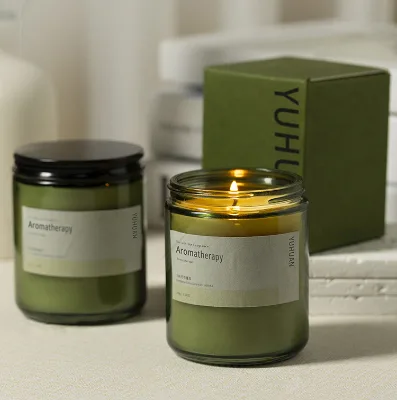


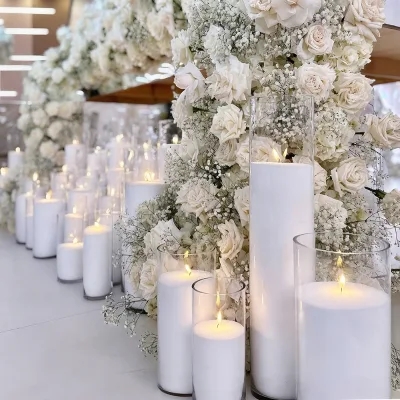


100% Natural Soy Wax Scented Candle 160g Soy Wax Candle Jar with Wood Lid
$2.50 - $5.60
MOQ: 1000 Pieces


Comprehensive Sourcing Guide
Handmade Soy Wax Candle Jar Sourcing Guide
Sourcing handmade soy wax candle jars requires a nuanced understanding of the intersection between artisanal craftsmanship and industrial scalability. Buyers must distinguish between products that are truly handcrafted in small batches and those that are mass-produced using molds that mimic a handmade aesthetic. The core keyword "Handmade Soy Wax Candle Jar" often appears in listings where the "handmade" aspect refers to the pouring or finishing process, while the jar itself is a standardized glass container. Understanding this distinction is critical for managing expectations regarding consistency, lead times, and unit costs. Procurement teams should prioritize suppliers who transparently define their production methods, ensuring that the "handmade" claim aligns with the brand’s quality standards and marketing narrative.
The market for these products is diverse, ranging from simple white glass jars filled with soy wax to complex, multicolored decorative containers designed for specific holidays or events. Observed listing signals indicate a wide variance in product attributes, including materials such as glass and soybean wax, and applications spanning home decoration, weddings, parties, and religious ceremonies. Buyers need to navigate this variety by clearly defining their target use case. For instance, a buyer seeking jars for spa products will have different requirements for scent retention and visual clarity compared to a buyer sourcing holiday-themed decorations. Establishing a clear product scope early in the sourcing process helps filter out irrelevant suppliers and focuses negotiations on vendors who can deliver the specific aesthetic and functional qualities required.
Product Scope and Observed Listing Signals
The observed product landscape reveals a significant diversity in design, capacity, and intended use. Listings indicate that products are suitable for women and often feature multicolored or white glass options, with specific models identified by codes such as CREM-309, IDBE2024022901, and SN1343. These identifiers suggest that suppliers offer a range of SKUs, from standard 4oz, 8oz, 10oz, and 16oz jars to custom sizes. The presence of keywords like "Tarro De Velas" and "Candelabro" highlights the global nature of the market, where products may be marketed under different names in different regions. Buyers should recognize that a single supplier may offer both generic white jars and specialized decorative items, requiring careful selection to ensure the product matches the brand’s identity.
Applications for these jars are broad, including home lighting, wedding decor, birthday parties, and religious rituals. Some listings specifically mention "Christmas Decorations," indicating seasonal demand fluctuations that can impact inventory planning. The material composition is primarily glass for the jar and soy wax for the candle, with some products emphasizing advantages like longer burning times and custom fragrances. Buyers must verify whether the "handmade" aspect applies to the wax pouring, the label application, or the entire assembly process. Understanding these nuances is essential for accurate cost modeling and quality assurance, as handmade elements often introduce variability that mass-produced items do not.
Technical Specifications to Verify
Technical verification begins with confirming the physical dimensions and capacity of the jars. Observed standards include sizes ranging from 100-700ml and specific dimensions like 7.5x7.7cm, alongside standard ounce measurements. Buyers must ensure that the selected jar size aligns with the weight of the soy wax and any additives, such as fragrance oils, to prevent overflow or insufficient fill levels. The weight of the product is another critical specification, with some listings noting a weight of 140g, which likely refers to the finished candle unit. Accurate weight and volume data are essential for calculating shipping costs, as glass is heavy and fragile, and improper packaging can lead to breakage during transit.
Packaging and lead times are also key technical factors that influence procurement decisions. Listings indicate various packing methods, including carton packaging and custom requirements according to the customer. Buyers should specify whether they need retail-ready packaging or bulk shipping cartons to minimize costs. Lead times vary, with some suppliers offering 7-15 days and others citing 15 days as a standard. These timelines can be affected by customization requests, such as custom fragrances or specific mold designs. Buyers must clarify whether the lead time includes production, quality control, and shipping, and whether expedited options are available for urgent orders.
Compliance and Safety Documentation
Safety and compliance are paramount when sourcing candles, as they involve flammable materials and potential chemical exposure. Buyers should request documentation for certifications such as BV, SGS, and Reach, which indicate adherence to international safety and environmental standards. These certifications help ensure that the soy wax and fragrance oils used are free from harmful substances and that the glass jars meet safety requirements for heat resistance. Without proper documentation, buyers risk regulatory issues in their target markets, particularly in regions with strict consumer product safety laws. It is essential to verify that the certifications are current and applicable to the specific products being ordered.
In addition to product certifications, buyers must ensure that suppliers provide clear labeling and usage instructions. This includes warnings about fire safety, proper ventilation, and disposal methods. For handmade products, consistency in labeling can be a challenge, so buyers should establish strict guidelines for label placement and content. Compliance also extends to environmental regulations, particularly regarding the sourcing of soy wax and the recyclability of glass jars. Buyers should inquire about the sustainability practices of their suppliers, such as the use of renewable energy in production or the sourcing of ethically produced soy.
Cost Drivers and Commercial Terms
Cost structures for handmade soy wax candle jars are influenced by several factors, including material costs, labor intensity, and customization levels. Glass jars are generally less expensive than ceramic or metal alternatives, but the cost can vary based on thickness, color, and mold complexity. The "handmade" aspect adds labor costs, as each jar may require individual attention during the pouring and finishing stages. Buyers should request detailed cost breakdowns to understand how much of the price is attributed to materials versus labor. This transparency helps in negotiating better terms and identifying areas where costs can be reduced without compromising quality.
Commercial terms such as MOQ, payment conditions, and sample availability also impact the overall cost of procurement. Observed MOQs range from 100 to 5000 pieces, with some suppliers offering free samples to help buyers evaluate quality. Payment terms often include a 30% deposit, which is common in manufacturing but requires careful cash flow management. Buyers should negotiate for favorable payment terms, such as longer credit periods or lower deposits, especially for repeat orders. Additionally, buyers should clarify any additional costs for customization, such as custom fragrances or packaging, to avoid unexpected expenses.
Supplier Qualification and Quality Control
Qualifying suppliers involves assessing their production capabilities, quality control processes, and reputation. Buyers should request samples to evaluate the consistency of the handmade elements, such as the smoothness of the wax surface and the clarity of the glass. It is also important to verify the supplier’s ability to meet customization requests, such as specific sizes or colors. Suppliers with a history of producing for reputable brands or those with positive customer reviews are generally more reliable. Buyers should conduct site visits or virtual tours to inspect the production facilities and ensure that hygiene and safety standards are maintained.
Quality control measures should be clearly defined in the purchase agreement. This includes specifications for acceptable defect rates, packaging integrity, and labeling accuracy. Buyers should establish a process for inspecting goods upon receipt, including random sampling and detailed checks for damage or inconsistencies. For handmade products, some variability is expected, but buyers should set clear limits on acceptable deviations. Regular communication with the supplier and periodic quality audits can help maintain high standards and address issues before they escalate. Building a strong relationship with the supplier can also lead to better support and flexibility in future orders.
Long-Term Procurement Checks
Long-term procurement success depends on continuous monitoring of supplier performance and market trends. Buyers should track key performance indicators such as on-time delivery, product quality, and responsiveness to issues. Regular reviews of supplier performance can help identify areas for improvement and strengthen the partnership over time. Additionally, buyers should stay informed about changes in regulations, material costs, and consumer preferences that may impact the sourcing strategy. Adapting to these changes ensures that the product offering remains competitive and compliant.
Sustainability and ethical sourcing are increasingly important factors in long-term procurement. Buyers should regularly assess their suppliers’ practices regarding environmental impact and labor conditions. This includes verifying the sourcing of soy wax to ensure it is not linked to deforestation or unfair labor practices. By prioritizing sustainable and ethical suppliers, buyers can enhance their brand reputation and meet the growing demand for responsible products. Long-term checks should also include evaluating the potential for innovation, such as new designs or materials that could differentiate the product in the market.
FAQs
What materials are used for the candle jars?
The candle jars are made from glass, while the wax inside is soybean wax. This combination ensures a clean burn and a durable container suitable for various indoor applications like home decoration and holiday events.
Can I request custom sizes for the candle jars?
Yes, customization is available for the candle jars with options for any size. Buyers can specify dimensions such as 4oz, 8oz, 10oz, or 16oz, or request other measurements to fit specific packaging requirements.
What is the minimum order quantity for these jars?
The minimum order quantity varies by supplier but typically ranges from 100 to 1000 pieces. Some listings indicate an MOQ of 100 pieces, while others require 1000 pieces for custom orders.
How long does it take to receive the order?
The lead time for delivery is generally between 7 to 15 days. This timeframe applies to standard production cycles, though specific dates may depend on the supplier's current capacity and customization needs.
Are samples available for testing before bulk purchase?
Free samples are provided freely to potential buyers for evaluation purposes. This allows clients to verify the quality of the glass jars and soy wax before committing to a larger order quantity.
What certifications do the products hold?
The products hold certifications from BV, SGS, and Reach standards. These documents verify that the materials and manufacturing processes meet international safety and quality requirements for export and domestic use.
Is the product suitable for women and specific events?
The product is suitable for women and designed for events like weddings, parties, and birthdays. It serves as a versatile decoration item for indoor lighting and religious ceremonies with a multicolored or white finish.