Source Handmade Shoe Charm for Crocs, Sneakers, and Sandals
Compare 30 Handmade Shoe Charm listings from Fujian, China. Buyers can review rubber materials, sizes from 2 to 4cm, and customization options for various shoe types including Crocs and sneakers; compare the available evidence and request quotations based on your requirements.
Key considerations
Products List
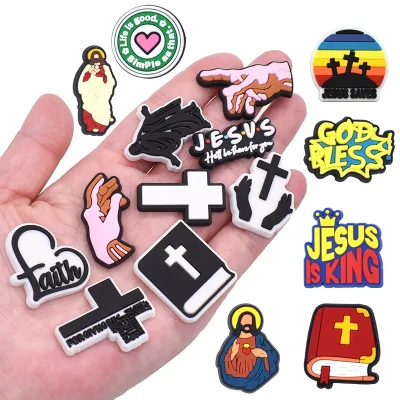
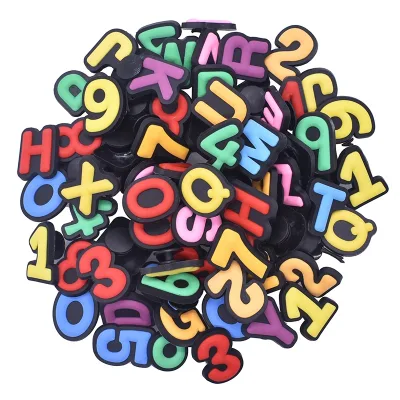
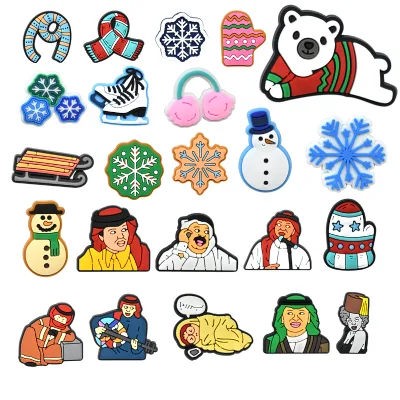


New Design Shoe Charms Personalized Logo Customizable Shoe Charm for Charms DIY
$0.15 - $0.25
MOQ: 100 pieces


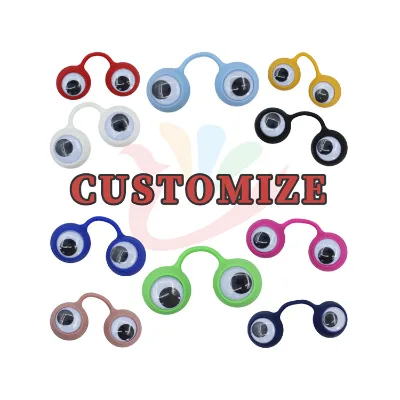


Promo Products Fashionable Shoe Charms Thanksgiving Day Character Shoe Charms
$0.15 - $0.25
MOQ: 500 Pieces


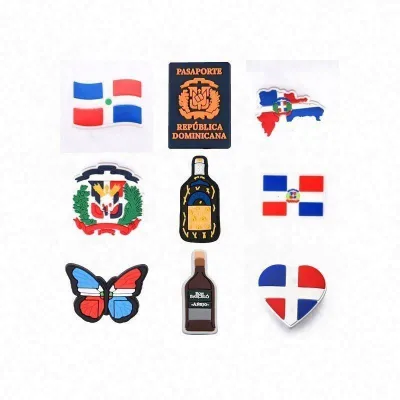
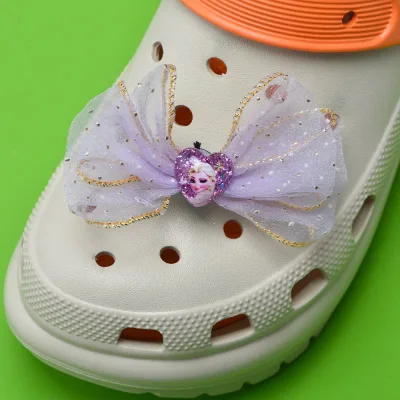
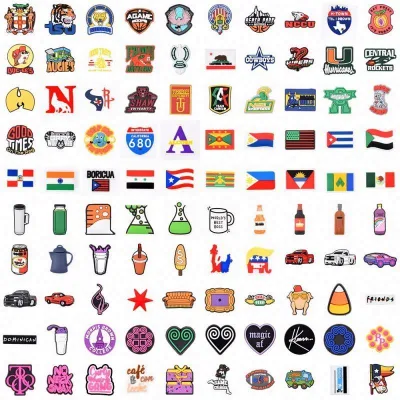
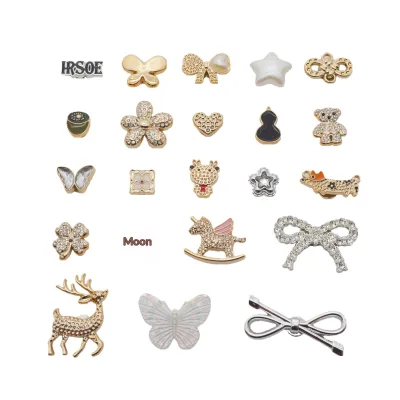


Comprehensive Sourcing Guide
Handmade Shoe Charm Sourcing Guide
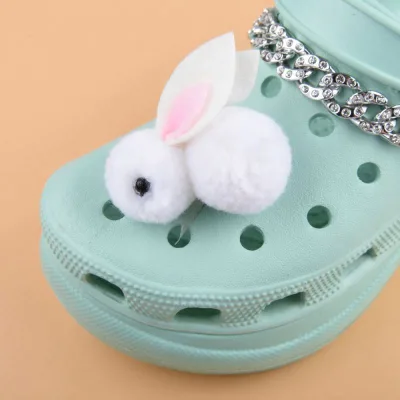
Buyers evaluating handmade shoe charms must first distinguish between generic rubber accessories and specialized clog decorations, as the supplied data indicates a primary focus on footwear ornaments for Croc-style shoes. The observed product attributes highlight a diverse range of model numbers, including XH-767 and XH-100, which suggests a market segment offering varied designs rather than a single standardized item. Procurement teams should verify that the specific charm type aligns with the intended shoe application, noting that some listings explicitly mention "Vamp" decoration parts while others focus on general shoe accessories.
The commercial landscape for these items reveals significant variability in minimum order quantities and design availability, ranging from small batches of 100 pieces to larger orders of 3000 units. Suppliers appear to offer extensive customization options, including cutomzied logos and specific color selections, which requires careful alignment with brand identity goals. Buyers must assess whether the "5000 Designs" or "3000 Designs" claims reflect actual inventory depth or marketing language, ensuring that the requested aesthetic variety is genuinely available before committing to a large-scale purchase order.
Product Scope and Observed Listing Signals
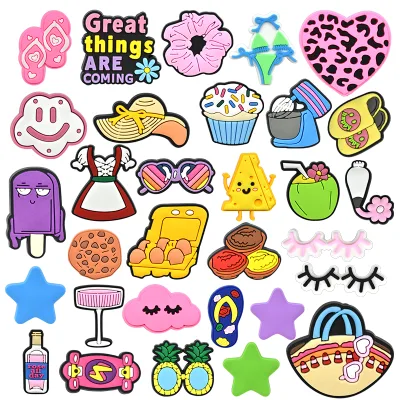
The product scope centers on durable, soft rubber charms designed to attach to various shoe types, with specific mentions of clogs and general shoe applications. Listings indicate a size range between 2cm and 4cm, with single package dimensions typically around 3x3x1 cm, which is critical for logistics planning and storage capacity. The material composition is consistently identified as rubber, a choice that supports the claimed durability and softness, making these items suitable for frequent wear and tear associated with casual footwear accessories.
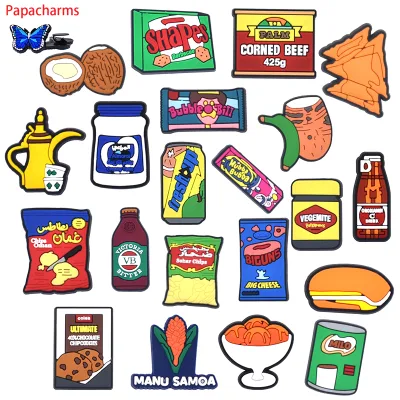
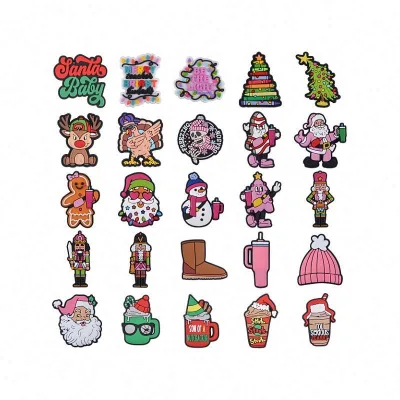
Observations of listing signals show a wide array of color codes and model numbers, suggesting a high degree of SKU proliferation that can complicate inventory management. Some entries specify "Color: as Picture" while others accept customized colors, indicating a need for clear visual confirmation during the sampling phase. The presence of multiple design counts, such as 2000, 3000, and 5000 designs, implies that buyers should request a physical catalog or digital library to verify the actual variety available, rather than relying solely on the stated design numbers in the initial inquiry.
Technical Specifications to Verify
Technical verification must begin with the physical dimensions, as the observed data presents conflicting size ranges from 2-4cm to 2.5-3.5cm, requiring precise confirmation for compatibility with specific shoe holes. Buyers should demand a detailed specification sheet that clarifies the exact diameter and thickness of the charm, as well as the dimensions of the attachment mechanism, which is often described as a buckle, button, or applique. The single gross weight of 0.003 kg is a useful baseline for shipping calculations, but actual weight may vary depending on the specific model and any added decorative elements.
Further technical due diligence involves confirming the material properties and structural integrity of the rubber used in production. While the listings claim the product is durable and soft, these are qualitative observations that must be validated through physical testing or third-party material reports. Procurement teams should also verify the single package size consistency, as variations between 3x3x1 cm and 3x1x2 cm could impact packaging efficiency and shipping costs. Ensuring that the "Custom Logo" placement on the upper part of the charm is feasible with the chosen manufacturing process is another critical technical check.
Compliance and Safety Documentation
Safety compliance for rubber shoe charms is paramount, particularly given their direct contact with footwear worn by children and adults. Buyers should request documentation confirming that the rubber material meets relevant safety standards for toys and general consumer goods, ensuring the absence of harmful substances like phthalates or heavy metals. Although specific certification names are not provided in the source data, the "prod_standard" field mentions "custom," which necessitates a clear agreement on which regulatory frameworks the supplier will adhere to for the specific market destination.
Documentation regarding the manufacturing process should also be reviewed to ensure that the "handmade" or customized nature of the product does not compromise safety consistency. Suppliers must provide evidence of quality control measures that prevent defects such as sharp edges or loose parts that could pose a choking hazard. It is essential to verify that the "Custom Logo" application process does not introduce toxic inks or adhesives, and that the final product remains compliant with the safety regulations of the target export region.
Cost Drivers and Commercial Terms
Cost drivers for handmade shoe charms are heavily influenced by the level of customization required, including specific color matching, logo placement, and unique design requests. The observed MOQ range of 2 to 3000 units suggests that unit costs will fluctuate significantly based on order volume, with smaller orders likely carrying a premium for setup and handling. Buyers should analyze the price range of 0.04 to 30.48 USD to understand the cost structure, noting that the lower end likely represents basic, non-customized items while the higher end reflects complex, branded, or limited-run designs.
Commercial terms regarding delivery and payment must be clarified early, as the listed delivery time of 3-5 days may refer to sample production rather than bulk manufacturing. Procurement teams should negotiate clear lead times for mass production, distinguishing between the time required for sample approval and the actual manufacturing and shipping duration. The availability of free samples is a positive indicator, but buyers must confirm whether shipping costs for these samples are included or if they will be deducted from the first bulk order invoice.
Supplier Qualification and Quality Control
Supplier qualification should focus on their ability to manage the high volume of design variations and customization requests indicated by the extensive model number lists. Buyers must assess the supplier's capacity to maintain consistency across different batches, especially when dealing with "colorful" products where color matching can be a significant challenge. The claim of "5000 Designs" or similar figures requires verification of the supplier's design library and their ability to source or produce specific patterns on demand without compromising quality.
Quality control protocols must be robust enough to handle the "durable and soft" attributes claimed in the product descriptions. Suppliers should demonstrate a clear process for inspecting the rubber material for defects and ensuring that the attachment mechanisms, such as buckles or buttons, are securely fastened. Buyers should request a quality control plan that outlines inspection points for size, weight, and visual appearance, ensuring that the final product meets the agreed-upon specifications before shipment.
Long-Term Procurement Checks
Long-term procurement success depends on establishing a reliable supply chain that can adapt to changing fashion trends and design demands. Buyers should monitor the supplier's ability to maintain the "3-5 days" delivery time for samples and their capacity to scale production for larger orders without significant delays. Regular audits of the supplier's design updates and color availability are necessary to ensure that the product line remains fresh and competitive in the market.
Continuous communication regarding material sourcing and production capacity is essential to mitigate risks associated with supply chain disruptions. Buyers should verify that the supplier can consistently meet the "Custom Logo" and "Customization" requirements over time, ensuring that brand identity remains consistent across all orders. Establishing a feedback loop for quality issues and design preferences will help refine the procurement process and strengthen the partnership between the buyer and the supplier.
FAQs
What is the typical MOQ for handmade shoe charms?
The typical minimum order quantity is 100 pieces for this product line. Some listings show a range from 2 to 3000 units depending on the specific model and customization needs. Buyers should verify the exact requirement for their chosen design before placing an order.
Which materials are used for these shoe charms?
These charms are primarily made from durable and soft rubber material. The product is designed to be flexible and comfortable for use on various footwear types. This material choice ensures longevity while maintaining a soft texture for the wearer.
Can I get a custom logo on the shoe charms?
Yes, customized shoe charms with a custom logo are available for this product. The logo position is typically on the upper part of the decoration. Buyers can request specific branding options to match their unique style or business requirements.
How long does delivery take for these items?
The standard delivery time is 3 to 5 days for confirmed orders. This lead time applies to the production and preparation of the shoe charms before shipment. Buyers should confirm specific timelines with the supplier for large or customized batches.
What is the size range of the shoe charms?
The size of the charms ranges from 2 to 4 centimeters in diameter. Some specific models may have dimensions between 2.5 and 3.5 centimeters. The single package size is typically around 3 by 3 by 1 centimeters for efficient shipping.
Where are these handmade shoe charms manufactured?
These products originate from Fujian, China, which is the place of origin. This location is known for its manufacturing capabilities in footwear accessories. Buyers can expect the supply chain to be centered in this specific region of China.
Are samples available for handmade shoe charms?
Free samples are available for buyers to evaluate the product quality. This allows potential customers to check the material and design before committing to a larger order. Buyers should contact the supplier to arrange the sample request process.