Source Handmade Snailed Yunnan Black Tea for bulk orders, gifts, and retail
Explore 30 listings for Handmade Snailed Yunnan Black Tea from verified Chinese suppliers. Buyers can compare packaging options, certifications, and pricing to find the right match for wholesale needs.
Key considerations
Products List


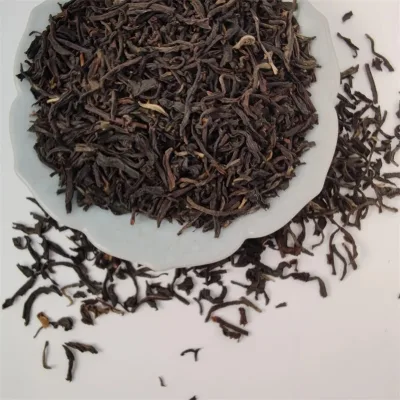
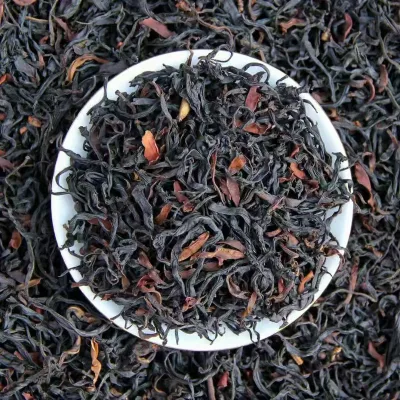
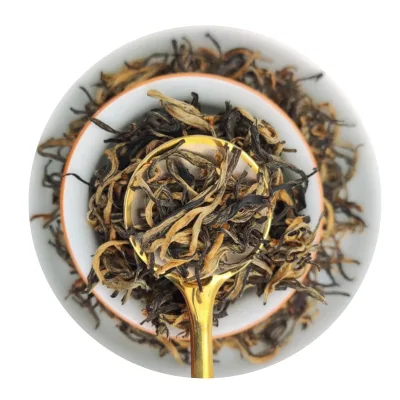
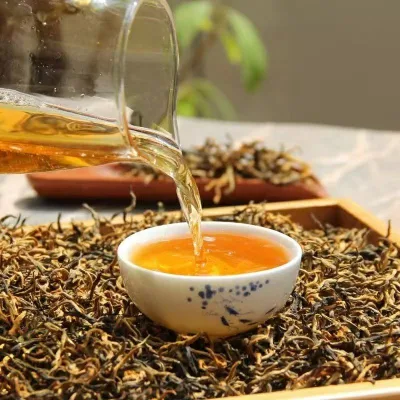
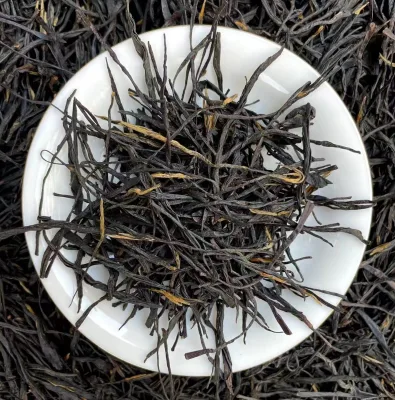
Old Ancient Tree Loose Leaf Black Tea High Quality Black Tea Price China Red Zhong Guo Hong Tea
$34.15 - $61.06
MOQ: 20 kilograms
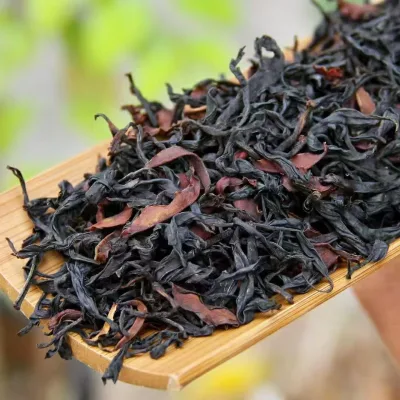
Wholesale Price Handmade High-quality Black Tea Health Tea Premium Wild Black Tea
$38.00 - $68.00
MOQ: 20 kilograms
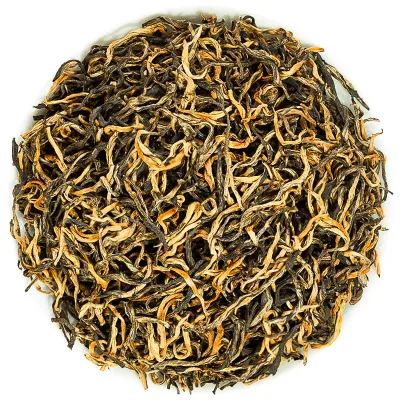
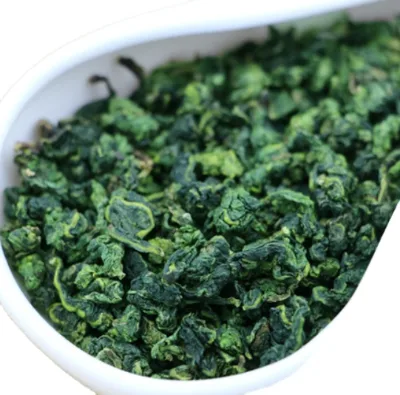
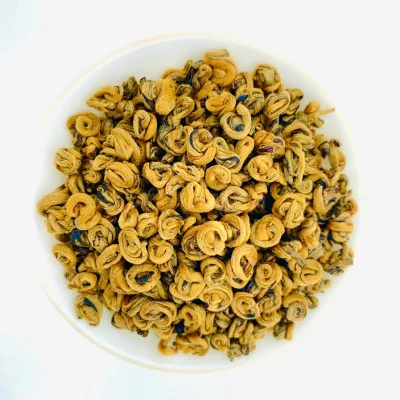
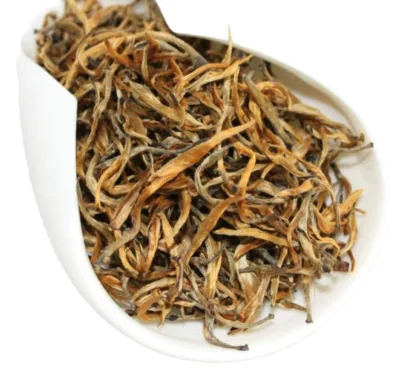
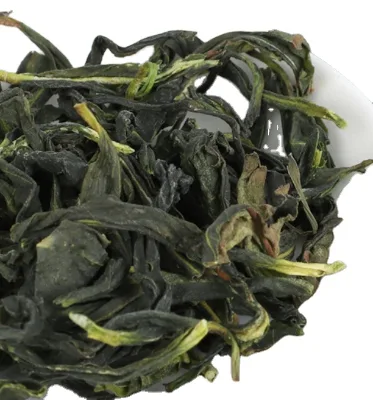
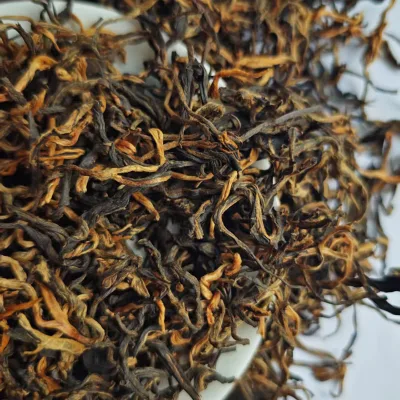
Yunnan Dianhong Maofeng New Tea Organic Dian Hong Mao Feng Black Tea for Sale
$18.23 - $33.43
MOQ: 1 kilograms
Comprehensive Sourcing Guide
Sourcing Guide for Handmade Snailed Yunnan Black Tea
Understanding the Product Profile and Core Attributes
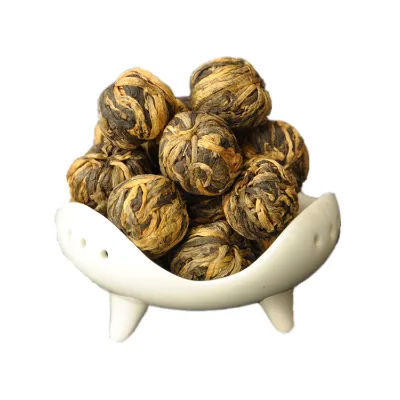
When sourcing Handmade Snailed Yunnan Black Tea, buyers must first establish a precise understanding of the product's physical and chemical identity. The term "snailed" refers to a specific processing technique where the tea leaves are tightly rolled into a spiral or pellet shape, a characteristic explicitly observed in the product data as "Snailed Shape." This form factor is distinct from loose leaf styles and is often associated with specific fermentation processes that define the tea's flavor profile. The core keyword implies a product originating from Yunnan, China, a region renowned for its tea cultivation, specifically noted in the data as "Yunnan, China" or simply "Yunnan."
The product falls under the category of Black Tea, which is also referred to in the market as "Chinese Red Tea." This nomenclature is critical for international trade, as "Red Tea" in China corresponds to "Black Tea" in Western markets. The tea is described as having a "Nice and Sweet After Tasting" profile, suggesting a specific sensory experience that buyers should verify through sampling. The material grade is identified as "Top Grade," indicating that the raw material selection is of high quality. The age of the tea leaves is specified as "1-2 years," which may refer to the age of the tea plants or the storage period, a factor that influences the depth of flavor. The color is described as "Nature," implying an unadulterated appearance without artificial coloring.
Technical Specifications and Processing Standards
The technical specifications of Handmade Snailed Yunnan Black Tea are defined by a combination of physical form, processing technology, and packaging standards. The processing technology is explicitly listed as "Fermentation," which is the critical step that converts the polyphenols in the tea leaves, creating the characteristic dark color and rich taste of black tea. The product model numbers associated with this category include B24258, B25319, B25262, and BTSW003, serving as unique identifiers for different batches or variations of the product.
Packaging is a significant variable in this category. The data indicates multiple packaging formats, including "Bags," "Bottles," "Boxes," "Bulk," and "Gift Packs." Specific standard packaging sizes observed include "250g/bag," "1kg/bag," and "55kg/bag." However, a crucial aspect of sourcing this product is the flexibility in packaging; the data notes that packaging can be "Based on The Customer's Requirements." This customization capability allows buyers to tailor the product to their specific distribution channels, whether for retail gift sets or industrial bulk distribution. The physical dimensions of bulk packaging are also specified in some instances, such as "664646," which likely refers to the dimensions of a carton box containing a specific weight, such as "10kg/Box."
The specification of the tea leaves themselves varies, with observations ranging from "D" to "S" sizes, and specific pellet specifications like "3-4G/ Pellet." These metrics are essential for buyers to ensure the product matches their quality expectations and brewing requirements. The "Snailed Shape" is a defining technical attribute that differentiates this product from other Yunnan black teas, which may be loose leaf or compressed in different forms.
Compliance, Certification, and Regulatory Verification
Navigating the regulatory landscape is a fundamental step in sourcing high-quality tea from China. The product data explicitly mentions "Nop" as a certification. In the context of agricultural products, this likely refers to the National Organic Program (NOP) standards, which are widely recognized for organic certification in the United States. Buyers must verify that any supplier claiming organic status provides valid, current documentation that aligns with the NOP or equivalent international standards. The presence of "Nop" in the data suggests that some suppliers in this category may offer organic-certified products, but this is not a universal attribute for all listed items.
Beyond organic certification, buyers should investigate other potential compliance requirements depending on their target market. These may include food safety standards such as ISO 22000 or HACCP, though these are not explicitly listed in the provided data. The "Grade" is listed as "Top Grade," which is a qualitative claim that requires objective verification through third-party testing. Buyers should request certificates of analysis (CoA) that verify the absence of pesticide residues, heavy metals, and microbial contamination. The "Ingredients" field lists "No," which in the context of pure tea leaves likely means no additives, but this should be confirmed to ensure the product is 100% pure tea without flavorings or fillers.
Cost Drivers and Procurement Economics
The economics of sourcing Handmade Snailed Yunnan Black Tea are influenced by several key variables, including the Minimum Order Quantity (MOQ), packaging customization, and the complexity of the fermentation process. The observed MOQ range in the market is broad, spanning from 1 unit to 5000 units. Specific data points indicate an MOQ of "50 Kgs" for certain listings, while others may have lower thresholds. This variability means that buyers with smaller volume requirements may face higher per-unit costs or need to consolidate orders with other buyers to meet supplier thresholds.
The price range observed in the market is between 1 and 150.34 USD. This wide disparity is likely driven by factors such as the grade of the tea, the age of the leaves, the specific packaging chosen, and the level of customization required. The "Top Grade" designation suggests a premium price point, while bulk or less customized options may fall toward the lower end of the spectrum. Customization is listed as "Available," which often incurs additional costs for mold creation, labeling, and packaging design. The "Free Sample" attribute is a common offering that allows buyers to assess quality before committing to a large order, effectively reducing the risk associated with the initial procurement phase.
Lead times and shipping costs are also significant cost drivers. While specific lead times are not provided in the data, the "Based on the customer's requirements" standard for packaging and production implies that complex custom orders may require longer production windows. Buyers should factor in the time required for quality control inspections and the logistics of shipping from Yunnan, China, to their destination.
Supplier Evaluation and Verification Strategies
Evaluating suppliers for Handmade Snailed Yunnan Black Tea requires a rigorous approach to verifying claims and capabilities. The data lists "Changsha Nutrahealth Bio-Tech Co., Ltd" as a manufacturer, providing a concrete example of a potential supplier type. However, buyers should not rely on a single name but rather develop a criteria for evaluating any supplier in this space. Key evaluation points include the supplier's ability to provide "OEM, Private Label Are Available" services, which indicates a capacity for branding and customization.
Buyers should verify the supplier's origin claims. The data specifies "Yunnan, China" as the origin, but also lists "Hunan, China" and "Yunan, China" (likely a typo for Yunnan) in other entries. This inconsistency highlights the need for buyers to physically verify the production location or request detailed factory audits to ensure the tea is genuinely sourced from Yunnan. The "Appearance" of the tea, described as "Snailed Shape," should be matched against physical samples provided by the supplier to ensure consistency with the product description.
The "Service" attributes, such as OEM and private labeling, suggest that the supplier is equipped to handle branded orders. Buyers should assess the supplier's communication responsiveness, their ability to provide samples (noted as "Free Sample" in the data), and their track record for meeting quality standards. The availability of specific product models like "B24258" and "NHTB0002O" indicates that suppliers maintain a catalog of standardized products, which can be a sign of an established operation.
Quality Control and Long-Term Procurement Considerations
Maintaining consistent quality in Handmade Snailed Yunnan Black Tea requires a robust quality control (QC) framework. The "Snailed Shape" and "Nice and Sweet After Tasting" are subjective and objective attributes that must be monitored. Buyers should implement a sampling protocol that checks for the correct rolling density, color consistency, and flavor profile. The "Process" of fermentation must be controlled to prevent over-fermentation, which can lead to sourness, or under-fermentation, which results in a grassy taste.
Long-term procurement considerations involve building a relationship with suppliers who can maintain the "Top Grade" standard over time. The "Age" of the tea, listed as "1-2 years," suggests that inventory management is crucial. Buyers should ensure that the tea they receive is within the optimal consumption window. The "Customization" aspect allows for long-term branding strategies, but it also requires clear specifications to avoid drift in product quality.
The "Standard" of "Loose leaf" is mentioned in the data, which seems contradictory to the "Snailed Shape" and "Compressed Tea" styles also listed. This indicates that the market offers various forms of Yunnan black tea, and buyers must be precise in their specifications to avoid receiving the wrong product type. The "Gift Packing" and "Carton Box" options suggest that the product is suitable for both retail and wholesale channels, requiring different QC checks for each.
Comparative Analysis of Product Variations
To aid in decision-making, buyers should compare the different variations of Yunnan black tea available in the market. The following table summarizes the key attributes observed in the data, highlighting the diversity within the category.
| Attribute | Variation A | Variation B | Variation C |
|---|---|---|---|
| Product Model | B24258 | B25319 | BTSW003 |
| Origin | Yunnan, China | Yunnan | Yunan, China |
| Style | Loose Tea | Snailed Shape | Compressed Tea |
| Packaging | Bag, Bottle, Box | Based on Customer Req | Carton Box |
| Standard | 250g/bag | Based on Customer Req | 664646 |
| Grade | Top Grade | Top Grade | Top Grade |
| Certification | Nop | Nop | N/A |
| MOQ | 50 Kgs | 1-5000 | 1-5000 |
This comparison illustrates that while the core product is Yunnan black tea, the specific form, packaging, and certification can vary significantly. Buyers must align their procurement strategy with the specific variation that meets their market needs. For instance, a buyer seeking organic certification for a retail gift market should prioritize variations with "Nop" certification and "Gift Packing" options. Conversely, a buyer looking for bulk industrial supply might focus on the "55kg/bag" standard and "Based on the customer's requirements" packaging flexibility.
Strategic Sourcing Recommendations
In conclusion, sourcing Handmade Snailed Yunnan Black Tea requires a balanced approach that combines technical knowledge with rigorous supplier evaluation. Buyers should prioritize suppliers who can demonstrate the "Snailed Shape" and "Nice and Sweet After Tasting" attributes through reliable sampling. The availability of "OEM, Private Label" services and "Customization" options provides significant strategic value for brands looking to differentiate themselves in the market.
However, the variability in origin claims (Yunnan vs. Hunan) and packaging standards necessitates a cautious approach. Buyers must verify all claims, particularly regarding organic certification and grade, through third-party testing and factory audits. The wide range of MOQs and prices allows for flexibility, but buyers should be prepared to negotiate based on their specific volume and customization needs. By focusing on the technical specifications, compliance requirements, and quality control measures outlined in this guide, buyers can successfully navigate the complex landscape of Yunnan black tea procurement and secure a supply chain that delivers consistent, high-quality products.
FAQs
What packaging options are available for Handmade Snailed Yunnan Black Tea?
Packaging is available in bags, bottles, boxes, bulk, and gift packs. Options can also be customized based on customer requirements, with standard sizes like 250g per bag or 55kg per bag.
Which certifications are verified for organic Handmade Snailed Yunnan Black Tea?
Some products carry the Nop certification, indicating compliance with organic standards. Buyers should verify specific documentation for each listing to ensure valid organic status before purchasing.
How is the appearance of Handmade Snailed Yunnan Black Tea defined?
The tea leaves are processed into a distinct snailed shape with a natural color. This specific rolling technique differentiates it from loose leaf or compressed styles found in other categories.
Can buyers request custom packaging for Handmade Snailed Yunnan Black Tea orders?
Yes, customization is available for packaging based on customer requirements. Suppliers can tailor formats like carton boxes or gift packs to meet specific distribution or branding needs.
What is the typical minimum order quantity for Handmade Snailed Yunnan Black Tea?
The minimum order quantity ranges from 1 unit up to 5000 units depending on the supplier. Some specific listings require a minimum of 50 kilograms for bulk transactions.
Which product models identify specific batches of Handmade Snailed Yunnan Black Tea?
Product models such as B24258, B25319, and BTSW003 identify specific batches. These codes help distinguish variations in origin, style, and processing technology across different supplier inventories.
Where is the origin of the Handmade Snailed Yunnan Black Tea located?
The primary origin is Yunnan, China, known for its tea cultivation. Some listings may also reference Hunan, China, so verifying the specific production location is essential for authenticity.