Source Handmade Shatterproof Floor Mirror for Home Hotel Office
Compare 30 listings for the Handmade Shatterproof Floor Mirror featuring modern and simple styles with customizable sizes. Buyers can evaluate frame materials, certifications, and packing options from suppliers in China for household, commercial, and hotel applications.
Key considerations
Products List

Floor Mirrors Furniture and Floor Mirrors Standing Floor Length Mirror
$10.00 - $30.00
MOQ: 100 Pieces

Floor Length Mirror Hot Sale Floor Mirror Full Body Dressing Mirror for Bedroom
$10.00 - $30.00
MOQ: 100 Pieces

Wholesale Bedroom Full Length Mirror Floor Mirror Standing Mirror Floor Length Mirror
$10.00 - $30.00
MOQ: 100 Pieces

Framed Wall Mirror Full Length Mirror Dressing Mirror Floor Length Mirror Standing Mirror
$10.00 - $30.00
MOQ: 100 Pieces


Designer Decorative Shaped Floor Stand Mirrors with Safe Back Eco Friendly Material
$2.75 - $6.50
MOQ: 1000 Square Meters


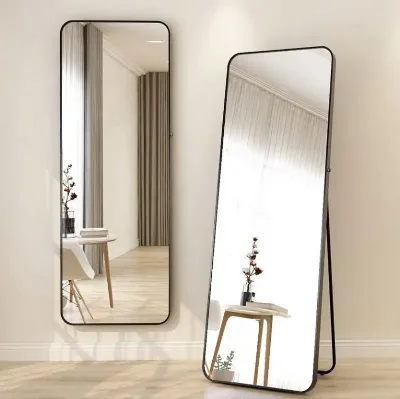
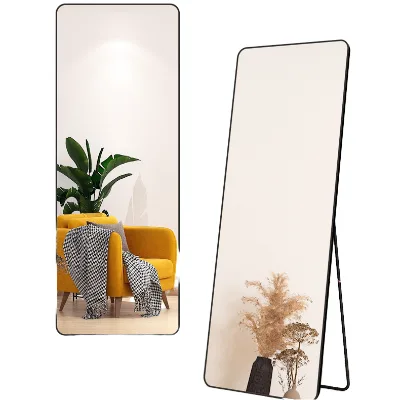
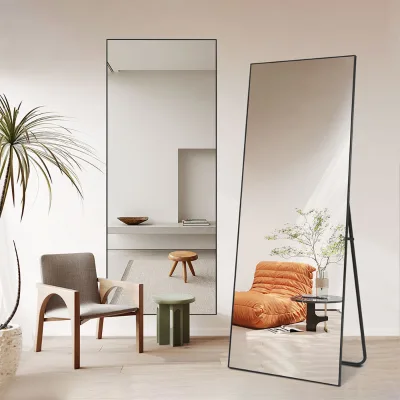
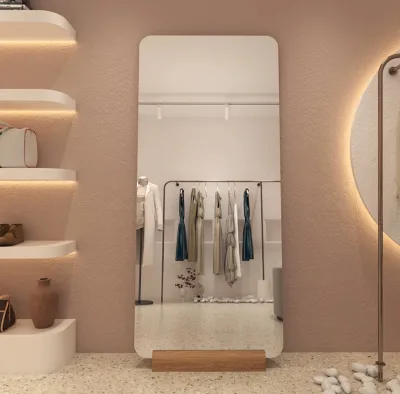
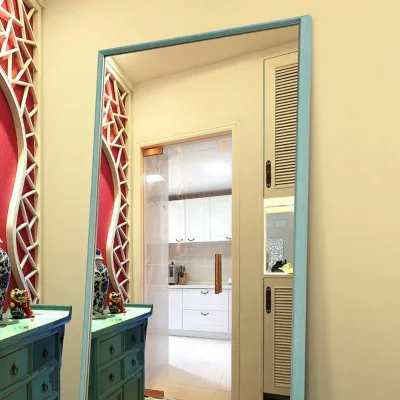
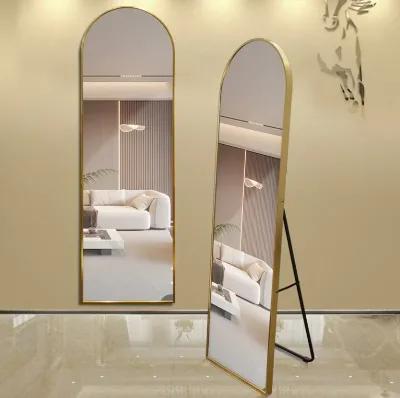


$8.80 - $20.00
MOQ: 500 Square Meters


Comprehensive Sourcing Guide
Sourcing Strategy for Handmade Shatterproof Floor Mirrors
Understanding Product Attributes and Material Composition
When sourcing a Handmade Shatterproof Floor Mirror, the primary distinction lies in the material composition and the specific manufacturing techniques employed to ensure safety and durability. The term "shatterproof" in this context often refers to the use of tempered glass or specific safety treatments that prevent the mirror from breaking into dangerous shards upon impact. Based on available product data, frame materials for these units frequently vary between plastic and glass, indicating a diverse range of construction methods. Some high-end models utilize a plastic frame to reduce weight and enhance resistance to impact, while others may integrate glass components within the frame structure. The mirror surface itself is critical; specifications indicate mirror thickness ranges from 2 to 6 mm, a dimension that directly correlates with stability and the likelihood of breakage. Thicker glass generally offers better structural integrity, which is a vital consideration for floor-standing units that must support their own weight and resist accidental bumps.
The craftsmanship of these mirrors is another defining factor. The "handmade" aspect suggests that the finishing processes, such as edge polishing and frame assembly, are performed with a level of manual precision that automated lines might not achieve. Data points regarding the "Craft" attribute highlight "Metal Handicraft," suggesting that certain models feature metal elements added by hand to enhance the aesthetic and structural quality. Additionally, the "Back Paint" attribute mentions "Italy Fenzi," a specific type of backing material known for its durability and resistance to peeling, which is essential for maintaining the mirror's reflective quality over time. The finish of the frame is often described as "Silver," providing a modern and sleek appearance that complements various interior design styles. Buyers must verify that the "shatterproof" claim is backed by the specific glass thickness and tempering process used, as the term alone does not guarantee safety without these underlying technical specifications.
Technical Specifications and Customization Capabilities
The technical landscape of floor mirrors is defined by a high degree of customization, allowing buyers to tailor dimensions and shapes to specific project requirements. The observed product data reveals a wide array of model numbers, such as 232221223, ET82070, and STM-001, each potentially representing unique configurations. A key specification is the "Standard" attribute, which frequently lists "custom size" or "different sizes," confirming that these products are not limited to off-the-shelf dimensions. For round mirrors, the diameter can range from 100 to 1000 mm, offering significant flexibility for both compact residential spaces and expansive commercial lobbies. The shape of the mirror is equally versatile, with options including "Square" and "Round," catering to diverse aesthetic preferences ranging from modern fashion to contemporary age styles.
Customization extends beyond physical dimensions to include functional attributes. Some models are designed as "Dressing Mirrors" or "Full-Length Mirrors," specifically intended for standing use in dressing areas. The "Style" attribute varies from "Modern" and "Modern fashion" to "Simple" and "Contemporary age," allowing procurement teams to align the product with the interior design language of the end-user environment. Furthermore, the "Special Function" attribute indicates that certain units may include features like "Waterproof" and "Lighted" capabilities, which are crucial for bathroom applications or areas with high humidity. The "Folded" attribute being listed as "Unfolded" suggests that some designs may be collapsible or adjustable, though the primary focus remains on the standing, floor-length configuration. Buyers should request detailed technical drawings that specify the exact thickness, frame material composition, and the specific type of glass treatment used to ensure the "shatterproof" claim is technically valid for the intended application.
Compliance, Certification, and Safety Standards
Ensuring that sourced floor mirrors meet international safety and quality standards is a non-negotiable aspect of the procurement process. The supply chain data indicates that suppliers often hold certifications such as "ISO9001-2015," which validates their quality management systems. This certification is a strong indicator that the manufacturer follows standardized procedures for production, inspection, and continuous improvement. However, buyers must verify the current validity of these certificates and ensure they cover the specific manufacturing site of the order. While background information mentions "CE" and "RoHS" as potential certifications, these should not be assumed as guaranteed facts without direct verification from the supplier. The "Quality" attribute lists specific criteria such as "No Scratch, No Bubbles, No Mildew, No Breakage," which serve as internal quality benchmarks that the supplier should be able to demonstrate through their inspection reports.
For mirrors intended for commercial or public use, additional safety standards regarding glass strength and edge finishing are critical. The "shatterproof" nature of the product implies that the glass must meet specific impact resistance standards, which may vary by region. Buyers should explicitly request test reports that confirm the mirror's ability to withstand impact without shattering into hazardous fragments. The "Back Paint" quality, specifically referencing "Italy Fenzi," suggests a high standard of chemical resistance and adhesion, which contributes to the overall longevity and safety of the product. It is essential to confirm that the backing material does not off-gas harmful substances, particularly in enclosed spaces like bathrooms or bedrooms. Procurement teams should also inquire about the "Standard" of the product, which is often listed as "customized," meaning the supplier must adhere to the specific safety requirements agreed upon in the purchase order rather than a generic industry standard.
Cost Drivers and Pricing Variables
The pricing of handmade shatterproof floor mirrors is influenced by a complex interplay of factors, including material costs, labor intensity, and customization levels. The observed price range in the market spans from $2.75 to $68.91, a wide disparity that reflects the variation in product complexity and quality. Lower-priced items likely correspond to standard sizes with minimal customization and simpler frame materials, such as basic plastic or lightweight metal. In contrast, the higher end of the price spectrum is driven by factors such as the use of premium "Metal Handicraft," thicker glass (approaching the 6 mm upper limit), and specialized features like integrated lighting or waterproofing. The "Handmade" aspect inherently increases labor costs, as skilled artisans are required for edge polishing, frame assembly, and quality inspection.
The "MOQ" (Minimum Order Quantity) range of 10 to 2000 units also significantly impacts the unit cost. Orders placed at the lower end of the MOQ spectrum may incur higher per-unit costs due to the fixed setup and labor costs associated with small batches. Conversely, larger orders can leverage economies of scale, reducing the cost per unit. The "prod_packing" method, which varies from "Wooden Crates" to "Paper Carton" and "Seaworthy Packing," adds to the overall cost. Robust packaging is essential for preventing damage during transit, especially for large floor mirrors, and the choice of packaging material directly affects the shipping expense. Additionally, the "prod_origin" being listed as "China" or specifically "Qingdao China" suggests that logistics costs will be influenced by the distance to the destination port and current freight rates. Buyers should analyze the total landed cost, including packaging and shipping, rather than focusing solely on the ex-factory price, to make an accurate budget comparison.
Typical Applications and Usage Scenarios
The versatility of handmade shatterproof floor mirrors makes them suitable for a broad spectrum of applications, ranging from residential use to large-scale commercial projects. The "Usage" attribute explicitly lists "Household, Commercial, Amusement, Hotel, Outdoor," indicating that these products are engineered to withstand diverse environments. In residential settings, they serve as essential "Dressing Mirrors" or "Full-Length Mirrors" in bedrooms and hallways, providing a safe and stylish solution for daily grooming. The "Wall Mounted" and "Kind" attributes suggest that some models can be adapted for wall installation, offering flexibility in space-constrained areas.
In commercial environments, such as hotels and amusement parks, the "shatterproof" quality is paramount for safety compliance. These mirrors must resist accidental impacts from luggage, furniture, or high foot traffic without breaking. The "Waterproof" and "Lighted" features make them particularly suitable for bathroom applications in hotels or public restrooms, where moisture resistance is critical. The "Style" options, including "Modern" and "Simple," allow these mirrors to blend seamlessly into various interior design schemes, from luxury hotel lobbies to modern retail spaces. The "Set" attribute, often listed as "1pcs," confirms that these are typically sold as individual units, which simplifies inventory management for large installations. Buyers should consider the specific environmental conditions of the installation site, such as humidity levels and potential impact risks, when selecting the appropriate model and finish.
Supplier Evaluation and Quality Control Protocols
Selecting a reliable supplier for handmade shatterproof floor mirrors requires a rigorous evaluation process that goes beyond price comparison. Buyers should prioritize suppliers who demonstrate a clear commitment to quality control, evidenced by their adherence to standards like "ISO9001-2015." The "Quality" attributes listed, such as "No Scratch, No Bubbles, No Mildew, No Breakage," should be the basis for the supplier's inspection protocols. Procurement teams must request detailed quality control reports that verify these claims for each batch of products. The "Craft" attribute, highlighting "Metal Handicraft," implies a need for skilled labor, so buyers should assess the supplier's workforce training and experience in metalworking and glass finishing.
The "prod_packing" methods, ranging from "Standard Wooden Crates" to "End-Caps Packing," are critical indicators of a supplier's attention to detail. Effective packaging is the first line of defense against damage during shipping, and suppliers with robust packing procedures are less likely to result in defective goods upon arrival. Buyers should also verify the "prod_origin" and ensure that the manufacturing facility is located in a region with a strong reputation for glass and metal craftsmanship, such as Qingdao, China. The "Customization" availability is another key factor; suppliers who offer flexible customization options are better equipped to meet specific project requirements. Finally, buyers should establish clear communication channels to discuss the "Special Function" requirements, such as waterproofing or lighting, to ensure the final product meets all functional expectations.
Long-Term Procurement and Maintenance Considerations
Sourcing handmade shatterproof floor mirrors is not merely a transactional activity but a long-term investment that requires careful planning for maintenance and lifecycle management. The "Back Paint" quality, specifically the use of "Italy Fenzi," suggests a product designed for longevity, but buyers should still inquire about the expected lifespan of the mirror under different environmental conditions. The "Mirror thickness" of 2 to 6 mm is a critical specification that affects the mirror's resistance to warping and breakage over time. Thicker mirrors generally offer better long-term stability, making them a preferable choice for high-traffic areas.
Buyers should also consider the "Standard" of the product, which is often "customized." This means that replacement parts or additional units may need to be ordered with specific customizations, potentially leading to longer lead times in the future. Establishing a relationship with a supplier who can consistently reproduce custom specifications is essential for maintaining a uniform look across multiple locations. The "Style" of the mirror, whether "Modern fashion" or "Contemporary age," should be evaluated for its timelessness to ensure the product remains relevant for years. Finally, buyers should plan for regular inspections to check for signs of wear, such as peeling back paint or scratches, and ensure that the "shatterproof" integrity remains intact. By focusing on these long-term factors, procurement teams can minimize downtime and ensure the continued safety and aesthetic appeal of their mirror installations.
FAQs
What frame materials are available for handmade shatterproof floor mirrors?
Frame materials include plastic and glass, depending on the specific model selected. Some units feature metal handicraft elements for enhanced durability and aesthetic appeal, while others prioritize lightweight construction.
Can I request custom sizes for these floor mirrors?
Yes, customization is available with standard options listed as custom size or different sizes. Buyers can specify dimensions such as diameters ranging from 100 to 1000 mm for round mirrors or tailored lengths for standing units.
Which certifications do suppliers typically hold for these products?
Suppliers often hold ISO9001-2015 certification to validate their quality management systems. This ensures standardized procedures for production and inspection, though specific test reports for impact resistance should be verified directly.
How are these mirrors packaged for safe shipping?
Packaging methods include wooden crates, paper cartons, seaworthy packing, and end-caps packing. Robust packaging is essential to prevent damage during transit, especially for large floor mirrors intended for commercial or household use.
What is the typical price range for these mirrors?
The observed price range spans from 2.75 to 68.91 USD per unit. Costs vary based on material thickness, frame complexity, customization levels, and the specific packaging requirements chosen for the order.
Can these mirrors be used in outdoor or commercial settings?
Yes, usage categories include household, commercial, amusement, hotel, and outdoor environments. Specific models may feature waterproof and lighted capabilities, making them suitable for high-humidity areas like bathrooms or public spaces.
What is the minimum order quantity for these products?
The minimum order quantity ranges from 10 to 2000 units depending on the supplier and customization level. Smaller orders may incur higher per-unit costs due to fixed setup and labor expenses involved in production.
Are there specific quality standards for the mirror surface?
Quality standards require no scratches, bubbles, mildew, or breakage on the surface. The mirror thickness typically ranges from 2 to 6 mm, which correlates with structural integrity and safety for standing applications.