Source Handmade Vintage Concrete Plant Pot for Desktop Home Garden
Compare 30 listings for Handmade Vintage Concrete Plant Pot options featuring minimalist and vintage designs. Buyers can evaluate sizes, weights, and customization availability from suppliers in Guangdong and Hebei, China.
Key considerations
Products List
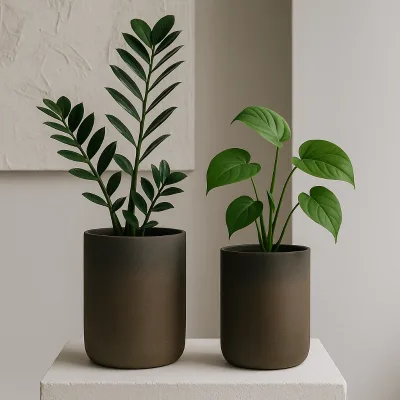


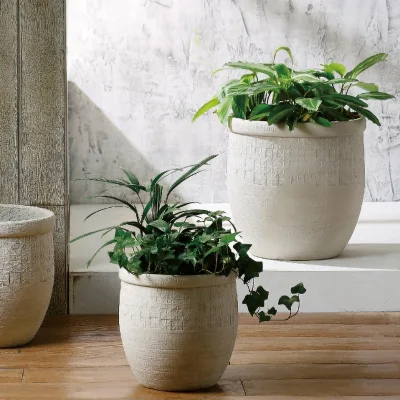
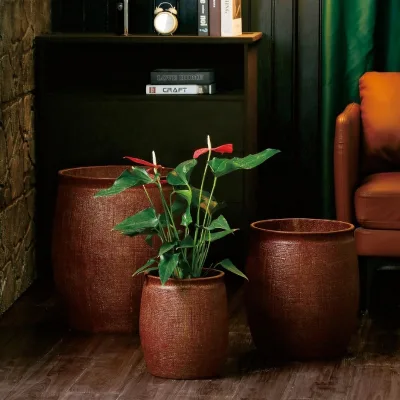


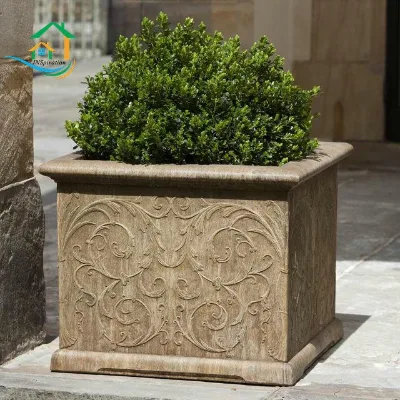
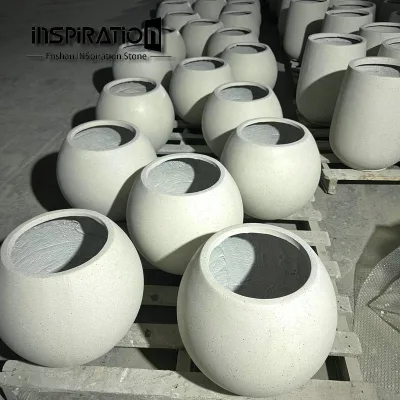
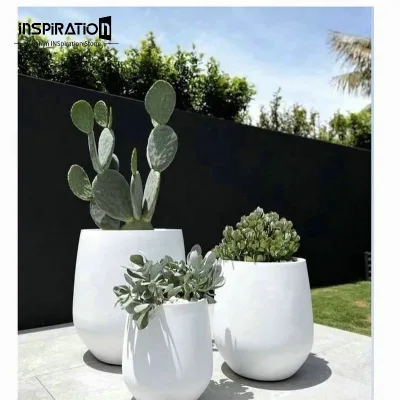
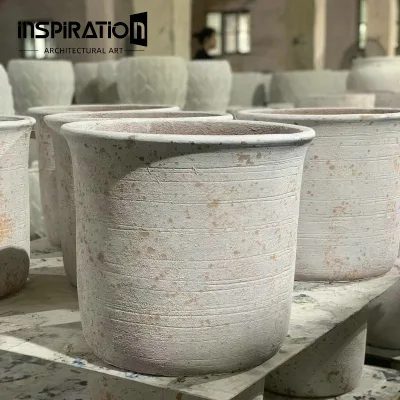
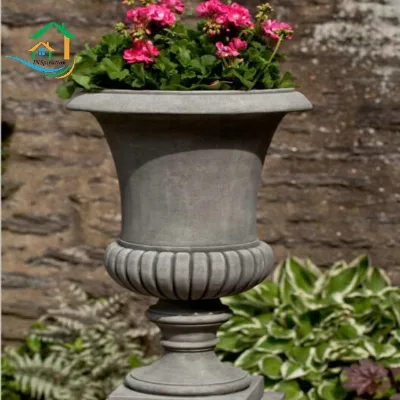
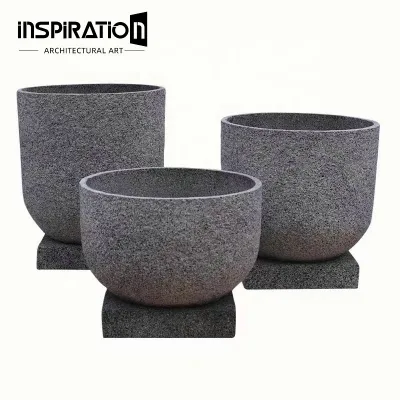


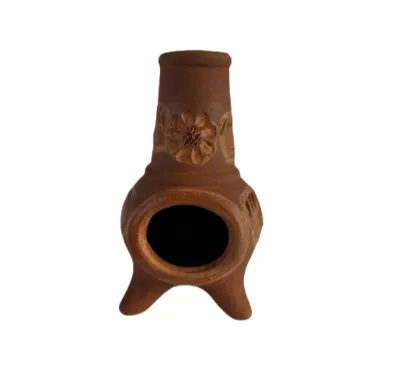
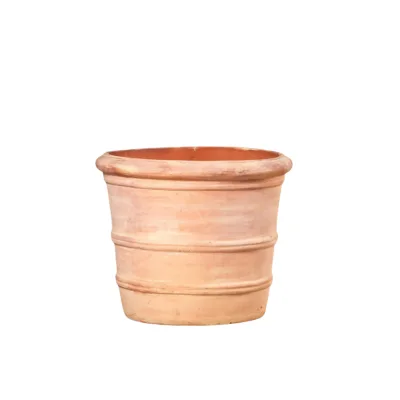


Comprehensive Sourcing Guide
Strategic Sourcing Guide for Handmade Vintage Concrete Plant Pots
Understanding Product Attributes and Material Composition
When sourcing handmade vintage concrete plant pots, buyers must first distinguish between the specific material definitions and finishing processes observed in the current market. The core product category is defined by the use of cement as the primary structural material, creating a robust vessel suitable for both indoor and outdoor environments. These items are frequently categorized under the "Flower Pot" type, designed specifically for use with flowers and green plants. The aesthetic appeal of these products often relies on a "Vintage" design style, which is achieved through specific finishing techniques such as "Hand Carved" or "Engraving" processes.
A critical observation in the current supply landscape is the variance in material specifications. While the primary keyword focuses on concrete, some listings in this category also reference "Marble" as a material, often associated with different finishing standards like "Polished" surfaces. Buyers must verify whether the specific unit they are procuring is uncoated cement or a polished stone variant, as this dictates the appropriate maintenance and application. The "Hand-Made" process is a defining characteristic, implying that each unit may possess unique variations in texture and weight. For instance, observed weight specifications for these units range significantly, with specific models listing weights of 10kg or 6.5kg, reflecting the density of the cement mix and the size of the pot.
The dimensional specifications are equally critical for logistics and display planning. The "Large Cement Flower Planter Pots" are available in specific size configurations, such as L and S models, with single package sizes reaching up to 60x60x50 cm. Color options are generally limited to neutral tones like "White" to maintain the vintage aesthetic, though custom color requests may be available depending on the supplier's OEM capabilities. The pattern is typically "Circular," aligning with the minimalist yet vintage design philosophy. Understanding these attributes is the first step in ensuring the product matches the intended visual and functional requirements of the project.
Technical Specifications and Customization Parameters
Technical due diligence requires a close examination of the model numbers, packaging standards, and customization limits. In the observed market data, specific model identifiers such as "FY 01 L/S" and "EF242" or "EF379" are used to differentiate between product lines. These model numbers often correlate with specific dimensions and weight profiles. For example, one specification lists a height standard of "100cmH," indicating that large-scale decorative pieces are available for commercial or high-ceiling residential applications.
Customization is a significant driver in this sector. Suppliers frequently offer "Customized Logo Acceptable" and "Customized Package Acceptable" options, allowing brands to integrate their identity into the product or its shipping container. The "OEM&ODM" capability is explicitly noted as acceptable, suggesting that buyers can request modifications to the design, size, or material composition. However, the extent of these modifications must be verified against the supplier's production capacity. The "Surface Treatment" varies between "Not Coated" and "Polished," which directly impacts the product's resistance to weathering and its visual finish.
Packaging requirements are substantial due to the weight and fragility of the items. The "Single gross weight" is recorded at 10.000 kg for certain models, necessitating robust shipping solutions. The "prod_packing" standard often involves a "Wooden Crate" to ensure the integrity of the item during transit, particularly for international shipments from origins in Guangdong or Hebei, China. Buyers should confirm that the packaging includes sufficient cushioning for the "Hand Carved" details, which are susceptible to chipping if not protected. The "Selling Units" are typically listed as "Single item," meaning procurement is often conducted unit-by-unit or in small batches rather than bulk pallets, which affects inventory management strategies.
Cost Drivers and Pricing Dynamics
The pricing structure for handmade vintage concrete plant pots is influenced by several distinct factors, primarily the labor intensity of the manufacturing process and the raw material costs. The "Hand-Made" and "Hand Carved" processes inherently increase the cost compared to mass-produced, machine-molded alternatives. This artisanal approach justifies the observed price range, which spans from 0.8 USD to 3500 USD. The lower end of this spectrum likely represents smaller, simpler units or promotional items, while the upper end reflects large, intricately carved, or custom-designed pieces that require significant skilled labor hours.
Material composition is another primary cost driver. While cement is generally cost-effective, the addition of specific aggregates, the density of the mix, and the inclusion of marble or other stone elements can drastically alter the final price. The weight of the product, ranging from 6.5kg to 10kg or more, directly correlates with the volume of material used and the shipping costs associated with it. Buyers must account for the "Single package size" of up to 60x60x50 cm, as volumetric weight calculations will significantly impact freight charges.
Minimum Order Quantities (MOQ) also play a crucial role in the total cost of ownership. The market data indicates a wide range of MOQs, from 1 piece to 2000 pieces, with a specific high-confidence observation of 300 PCS for certain standard models. This variance allows for flexibility; buyers seeking a single prototype or a small decorative accent can source with an MOQ of 1 PC, while large-scale commercial projects may benefit from the economies of scale offered by higher volume orders. However, the "Payment" terms, typically "T/T" (Telegraphic Transfer), and the "Production Time" of about 40 days must be factored into the financial planning. The long lead time is a direct result of the handmade nature of the goods, requiring careful cash flow management to avoid delays in project timelines.
Compliance, Certification, and Origin Verification
Navigating the compliance landscape for handmade concrete products requires a nuanced approach, as the industry does not always adhere to uniform global standards. The "prod_standard" is often listed as "can be customize," indicating that there may not be a single, universally applied certification for every unit. Buyers should verify if the supplier holds specific certifications relevant to their target market, such as CE certification, although the availability of such certifications should be treated as a variable rather than a guarantee.
The "place of origin" is a critical compliance factor, with the majority of observed products originating from Guangdong, China, and Hebei, China. These regions have established supply chains for cement and stone products, but buyers must ensure that the manufacturing facilities adhere to local environmental and labor regulations. The "Production Time" of approximately 40 days suggests a complex supply chain that may involve multiple stages of quality control. Buyers should request documentation regarding the origin of the raw materials to ensure they meet the sustainability standards required by their own corporate policies or local import regulations.
Regarding safety and durability, the "Feature" of the product is listed as "Indoor, Outdoor," which implies a certain level of weather resistance. However, without specific test data or standardized certification results provided in the general market overview, buyers must verify the product's resistance to freeze-thaw cycles, UV degradation, and water absorption. The "Not Coated" finishing on some units may require additional treatment for outdoor use to prevent efflorescence or cracking. It is essential to request specific test reports or material safety data sheets (MSDS) from the supplier to confirm that the product meets the safety standards of the destination country.
Typical Applications and Design Integration
The versatility of handmade vintage concrete plant pots makes them suitable for a diverse range of applications. The "application" field lists "Desktop, Home, Garden," indicating their suitability for residential spaces. However, the scope extends further to include "shopping mall, Hotel," and "Gallery Display" settings. This broad applicability is driven by the "Minimalist" and "Vintage" design styles, which complement various interior design trends from industrial chic to rustic elegance.
In residential settings, these pots are ideal for "Home Decoration" and "Art & Collection." Their substantial weight and unique "Hand Carved" details make them statement pieces that can anchor a room or a garden patio. The "Circular" pattern and neutral "White" color allow them to blend seamlessly with existing decor while adding textural interest. For commercial spaces like hotels and shopping malls, the "Large" sizes and "Vintage" aesthetic provide a sophisticated backdrop for retail displays or lobby arrangements. The "Usage" is explicitly noted as "Home Garden Decoration," but the "Art & Collection" designation suggests their value as standalone art objects.
The "Design" aspect is further enhanced by the "Carving Technique" of "Engraving," which adds depth and character to the surface. This level of detail is particularly valued in "Gallery Display" scenarios where the pot itself is the artwork. The ability to customize the "Logo" and "Packing" allows businesses to create branded experiences, making these pots effective tools for corporate gifting or event decor. The "After-sales Service" availability, noted as "Yes," provides an additional layer of security for buyers investing in large quantities for commercial projects, ensuring that any issues with delivery or product quality can be addressed promptly.
Supplier Evaluation and Quality Control Protocols
Selecting the right supplier for handmade vintage concrete plant pots requires a rigorous evaluation process that goes beyond price comparisons. Buyers should prioritize suppliers who demonstrate transparency in their "Production Time" and "Delivery Time." The observed lead time of "About 40 Days" is a significant factor that must be communicated clearly to all stakeholders. Suppliers who can consistently meet this timeline while maintaining the "Hand-Made" quality are preferable to those who promise faster delivery but compromise on craftsmanship.
Quality control should focus on the consistency of the "Hand Carved" details and the structural integrity of the "Cement" material. Since the "Process" is manual, variations in weight and dimensions are expected, but they should fall within acceptable tolerances. Buyers should request samples to verify the "Surface Treatment," ensuring that the "Polished" or "Not Coated" finish matches the agreed-upon specification. The "Customization" capabilities should be tested to ensure that the "Customized Logo" and "Customized Package" are executed with precision.
The "MOQ" flexibility is another key evaluation metric. While some suppliers require a minimum of 300 PCS, others offer an MOQ of 1 PC, which is beneficial for initial testing or small-scale projects. Buyers should assess the supplier's ability to scale production without sacrificing quality. The "Payment" terms, typically "T/T," should be negotiated to include milestones that protect the buyer's interests, such as a deposit upon order confirmation and a balance upon shipment or inspection. Finally, the "After-sales Service" commitment should be documented in the contract, ensuring that the supplier is accountable for any defects or shipping damages that occur after the product leaves the factory.
Long-Term Procurement and Relationship Management
Establishing a long-term procurement strategy for handmade vintage concrete plant pots involves building a relationship with suppliers who can adapt to changing market demands. The "OEM&ODM" capabilities suggest that suppliers are willing to collaborate on new designs, which is valuable for buyers looking to differentiate their product offerings. However, this collaboration requires clear communication and a shared understanding of the "prod_standard" and "prod_model" specifications.
Buyers should plan for the logistical challenges associated with the "Single gross weight" and "Single package size" of these items. The "Wooden Crate" packaging is essential for protecting the product, but it also adds to the shipping volume and cost. Long-term contracts should include provisions for optimizing packaging to reduce freight costs without compromising safety. Additionally, the "Delivery Time" of 40 days should be factored into inventory planning to prevent stockouts, especially for popular models like "FY 01 L/S" or "EF242."
Sustainability is an increasingly important consideration in long-term procurement. Buyers should inquire about the environmental impact of the "Cement" production process and the sourcing of raw materials. While the "CE" certification status is not universally guaranteed, buyers can advocate for suppliers to adopt sustainable practices and provide documentation on their environmental compliance. By fostering a partnership based on transparency, quality, and mutual growth, buyers can secure a reliable supply of high-quality handmade vintage concrete plant pots that meet their evolving needs.
FAQs
What materials are used for these plant pots?
The primary material is cement, though some listings specify marble. Buyers must verify the specific unit material as cement units are often uncoated while marble variants may have polished surfaces.
Can I customize the logo and packaging?
Yes, customized logos and packaging are acceptable for these products. Suppliers also support OEM and ODM services, allowing for design modifications to meet specific branding needs.
What is the typical lead time for production?
The production time is approximately 40 days due to the handmade nature of the items. This lead time applies to both standard and customized orders from the observed suppliers.
Which locations are the suppliers based in?
Suppliers are located in Guangdong and Hebei, China. These regions serve as the primary origins for the cement and stone products observed in the current market data.
What is the minimum order quantity for these pots?
The minimum order quantity varies significantly, ranging from 1 piece to 2000 pieces. Specific models may require a minimum of 300 pieces, while others allow for single-item purchases.
How are the pots packaged for shipping?
Products are typically packed in wooden crates to ensure safety during transit. The single package size can reach up to 60x60x50 cm, requiring robust shipping solutions for heavy items.
Are these pots suitable for outdoor use?
Yes, the pots are designed for both indoor and outdoor applications. However, uncoated cement units may require additional treatment to ensure durability against weather conditions.