Source Handmade Wooden Baby Crib for Bedroom, Nursery, and Travel
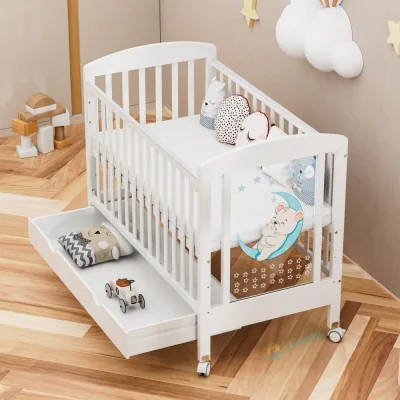
Find 30 Handmade Wooden Baby Crib options from Chinese manufacturers. Compare features like multifunctional designs, adjustable heights, and solid wood materials for nurseries, bedrooms, and travel needs.
Key considerations
Products List
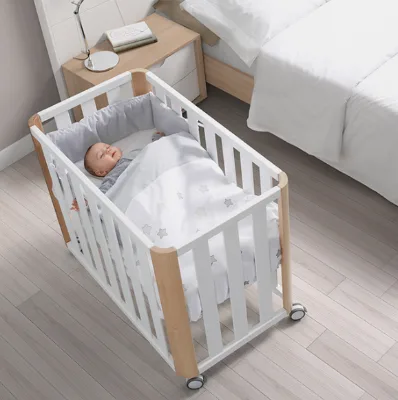
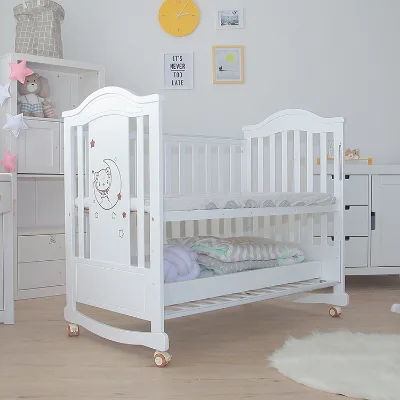
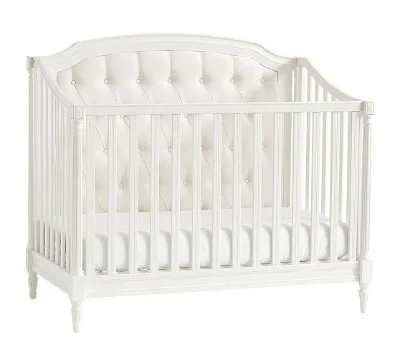
Shiny Diamond Luxury Royal Wooden Baby Crib Baby Crib Modern Luxury Baby Bed Crib
$64.45 - $69.68
MOQ: 20 cases
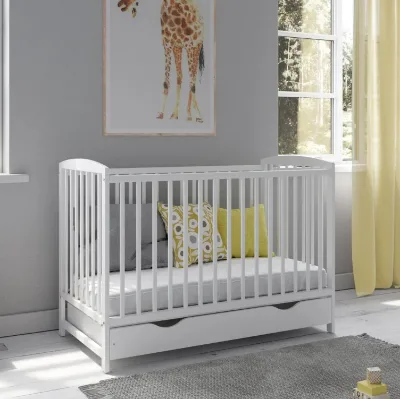
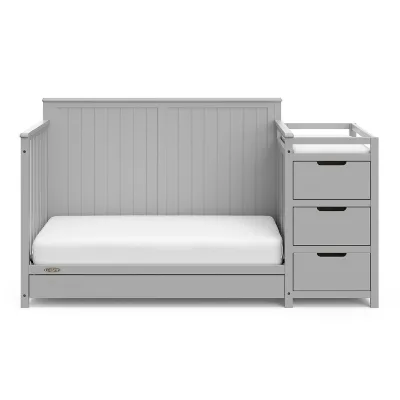
Multifunction New Zealand Pine Wooden Baby Cradle /Baby Crib/Baby Bed for Reborn Baby
$80.70 - $85.30
MOQ: 2 cases
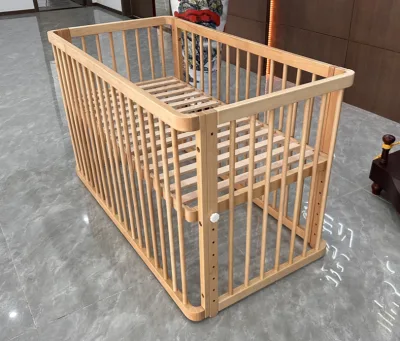
2024 New Design Multi Function ,high Quality Modern Baby Crib,mini Baby Cot Twin Crib
$80.00 - $120.00
MOQ: 10 cases


Modern Design Convertible Baby Cot Solid Wooden Baby Bed Crib for Newborn
$60.00 - $120.00
MOQ: 100 Pieces


China Maker Wholesale Classic Natural Solid Wood Baby Cot Bed Baby Crib
$55.00 - $70.00
MOQ: 300 Pieces
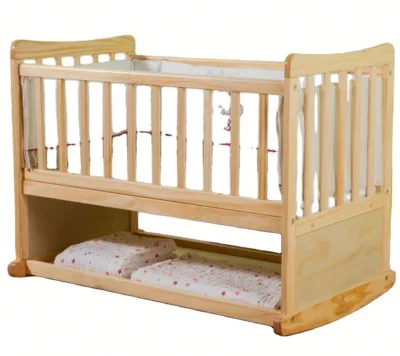
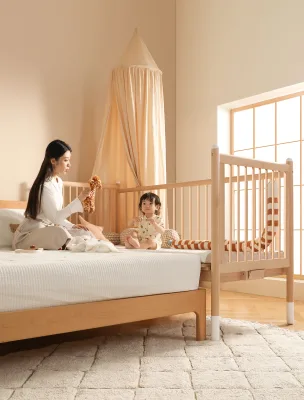

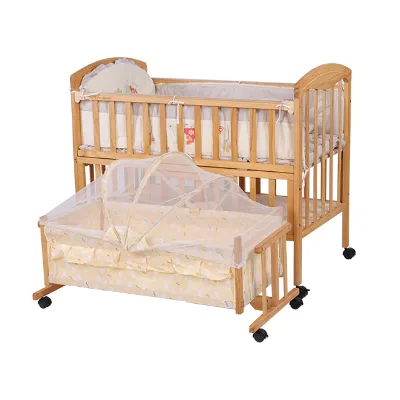
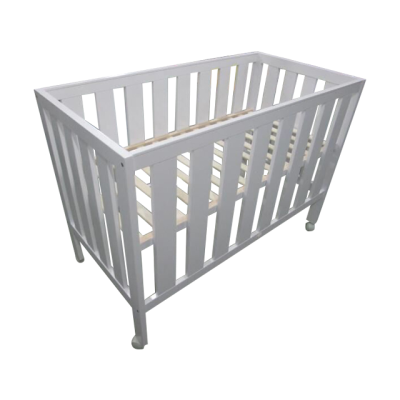
China Factory Price Manufacture Wooden Baby Crib With Four Braking Wheels
$34.29 - $46.85
MOQ: 50 pieces
Comprehensive Sourcing Guide
Handmade Wooden Baby Crib Sourcing Guide
Sourcing handmade wooden baby cribs requires a nuanced understanding of material integrity, structural safety, and the specific manufacturing capabilities of suppliers who prioritize artisanal craftsmanship over mass production. Unlike factory-standard units, handmade cribs often involve unique joinery techniques, custom finishes, and variable dimensions that demand rigorous verification before bulk ordering. Buyers must navigate a landscape where "handmade" can range from fully artisanal construction to semi-automated processes with manual finishing, making clear definition of production methods essential for aligning supplier output with brand expectations.
The procurement process for these items is heavily influenced by the supplier’s location, material sourcing, and ability to handle customization requests. While many suppliers operate in established manufacturing hubs like Guangdong and Shandong in China, the specific origin impacts lead times, shipping costs, and regulatory compliance frameworks. Buyers should focus on verifying the actual wood species, finish safety, and structural stability, as these factors directly correlate with product longevity and child safety, which are paramount in the nursery furniture category.
Product Scope and Observed Listing Signals
The current market for wooden baby cribs exhibits a wide variance in product attributes, with observed price points ranging from $19 to over $350 USD, reflecting differences in material quality, design complexity, and brand positioning. Listings frequently highlight multifunctional capabilities, such as conversion into kids' beds, playpens, sofas, or storage units, which adds significant value for growing children. Buyers should note that while some products are marketed as "luxury royal" or "modern," the underlying construction materials vary from solid pine and beech to generic wood composites, necessitating careful scrutiny of material specifications to ensure durability and safety.
Application contexts for these cribs extend beyond standard bedrooms to include hospitals, schools, hotels, and office buildings, indicating a demand for versatile nursery furniture in commercial and institutional settings. The observed minimum order quantities (MOQ) range from 1 piece to 1,000 pieces, suggesting that suppliers cater to both individual boutique orders and large-scale retail procurement. This flexibility allows buyers to test market response with small batches before committing to larger volumes, but it also requires careful evaluation of sample quality, as suppliers explicitly state that samples are acceptable and often serve as the primary benchmark for final production standards.
Technical Specifications to Verify
Dimensional accuracy and structural integrity are critical technical parameters that must be verified through detailed specification sheets and physical sample inspection. Observed models indicate specific dimensions such as 14607741483MM, while others offer fully customized sizing options to fit unique nursery layouts. Buyers must confirm whether the crib features adjustable height settings, which are essential for ergonomic care and transitioning the child as they grow. Additionally, the distinction between fixed and foldable designs, as well as the presence or absence of disassembly capabilities, impacts storage efficiency and shipping logistics, requiring clear alignment with the buyer’s distribution strategy.
Material composition and finishing techniques significantly influence both the aesthetic appeal and the safety profile of the crib. Suppliers list materials ranging from pine wood to beech solid wood, with finishes described as stained or painted in colors like white. It is crucial to verify the type of wood used, as solid wood offers greater durability compared to engineered wood products, and to ensure that any stains or paints are non-toxic and compliant with child safety standards. The design style, often described as modern or luxury, should be matched with the specific joinery methods used, ensuring that the "handmade" aspect contributes to structural strength rather than merely serving as a marketing term.
Compliance and Safety Documentation
Safety compliance is the most critical aspect of sourcing baby cribs, as these products are used by infants and toddlers who are highly vulnerable to hazards. Buyers must request comprehensive documentation proving that the cribs meet relevant international safety standards, such as EN 716 for cribs and baby cots, although specific certification status should be verified directly with the supplier rather than assumed. This includes verifying that the crib design prevents entrapment, tip-over, and falls, and that all components, including slats and hardware, are securely fastened and free from sharp edges or splinters.
Documentation should also cover the chemical safety of materials, particularly regarding the finishes and adhesives used in construction. Buyers should insist on test reports confirming that the wood treatments and paints are free from harmful substances like lead, phthalates, and formaldehyde. Given that some suppliers offer customization, it is essential to ensure that any custom modifications do not compromise the structural integrity or safety certifications of the base model. Clear warranty terms, such as the 2 to 3 years observed in listings, should be explicitly defined in the contract, outlining the supplier’s responsibility for defects in materials and workmanship.
Cost Drivers and Commercial Terms
The cost of handmade wooden baby cribs is driven by several key factors, including the type of wood, the complexity of the design, and the level of customization required. Solid wood species like beech and pine are more expensive than composite materials, and intricate joinery or multi-functional conversions add labor costs. Buyers should analyze the price range of $19 to $350 USD to understand the value proposition of different suppliers, recognizing that lower prices may indicate the use of inferior materials or less rigorous quality control processes. It is important to request detailed breakdowns of costs to identify any hidden fees related to customization, packaging, or special finishing.
Commercial terms, including payment methods, shipping arrangements, and warranty conditions, play a significant role in the overall procurement cost. Suppliers often offer carton packing, which is standard for protecting the product during transit, but buyers should verify if additional packaging is required for fragile or high-end items. The availability of samples, which is commonly accepted by suppliers, allows buyers to assess quality before committing to large orders, but sample costs and shipping fees should be factored into the budget. Clear agreements on lead times and production schedules are essential to avoid delays, especially when dealing with customized orders that may have longer manufacturing cycles.
Supplier Qualification and Quality Control
Evaluating supplier qualifications involves assessing their manufacturing capabilities, quality control processes, and track record in producing wooden baby cribs. Buyers should verify the supplier’s experience with solid wood construction and their ability to maintain consistent quality across batches, particularly when dealing with handmade items that may have natural variations. Requesting references or case studies from previous clients, especially those in the same market segment, can provide insights into the supplier’s reliability and customer service standards. Additionally, verifying the supplier’s business license and any relevant industry memberships can help establish their credibility and commitment to ethical manufacturing practices.
Quality control measures should be clearly defined and enforced throughout the production process. Buyers should implement pre-production inspections to verify material specifications and design approvals, as well as pre-shipment inspections to ensure that the final products meet all quality and safety standards. Given the handmade nature of these cribs, it is important to establish clear tolerances for dimensional accuracy and finish quality to avoid disputes upon delivery. Suppliers who offer customization should have robust processes in place to manage design changes and ensure that custom orders are produced accurately and on time.
Long-Term Procurement Checks
Long-term procurement success depends on establishing a sustainable relationship with suppliers who can consistently deliver high-quality products and adapt to changing market demands. Buyers should regularly review supplier performance metrics, including on-time delivery rates, product quality consistency, and responsiveness to issues. Building a strong partnership with suppliers can lead to better pricing, priority production scheduling, and collaborative innovation in design and functionality. It is also important to stay informed about changes in safety regulations and market trends to ensure that the sourced cribs remain compliant and competitive.
Continuous improvement in the supply chain involves monitoring feedback from end-users and incorporating lessons learned into future orders. Buyers should maintain open communication with suppliers to address any recurring issues and to explore opportunities for cost reduction or product enhancement. Regular audits of supplier facilities and quality control processes can help identify areas for improvement and ensure that safety standards are consistently met. By focusing on long-term collaboration and continuous evaluation, buyers can build a resilient supply chain that supports their brand’s growth and reputation in the nursery furniture market.
FAQs
What materials are used for the Handmade Wooden Baby Crib?
The cribs are constructed from wood, including pine wood and solid beech wood options. Some models feature stained crafts and modern design styles to ensure durability and safety for infants.
Can the baby crib be customized for specific sizes?
Yes, customization is available for the dimensions of the crib. Buyers can request specific sizes, and the product supports multifunctional uses such as a kids bed, play pen, or sofa with storage.
What is the minimum order quantity for these cribs?
The minimum order quantity is one piece for single item selling units. This low MOQ allows buyers to test the product quality before committing to larger bulk orders for their business needs.
How long is the warranty period for the wooden crib?
The warranty period ranges from two to three years depending on the specific model selected. This coverage ensures protection against manufacturing defects and provides peace of mind for long-term use.
Where are these wooden baby cribs manufactured?
The products originate from manufacturing locations in Guangdong and Shandong, China. These regions are known for producing high-quality wooden furniture suitable for bedrooms, hospitals, and schools.
Is the crib suitable for newborns and young children?
Yes, the cribs are designed specifically for the 0 to 3 year age group. They feature safe designs and adjustable elements to accommodate growing babies and toddlers in various settings.