Source Handmade Waterproof Leather Wallet for Travel and Business
Find 30 Handmade Waterproof Leather Wallet options featuring European styles, heart-shaped designs, and multi-card slots. Compare specifications from suppliers in China and Guangzhou to identify suitable unisex accessories for business, leisure, and travel occasions.
Key considerations
Products List


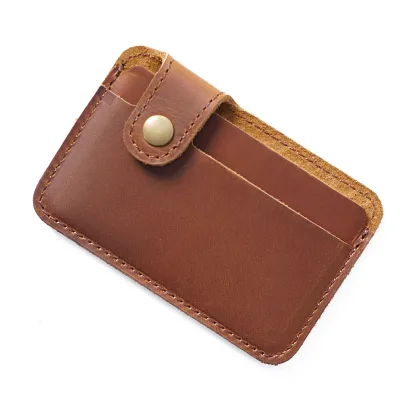
Leather Credit Cards Holder Solid Colors Cow Leather Cards Holders Wallet
$2.30 - $2.50
MOQ: 100 Pieces




Comprehensive Sourcing Guide
Handmade Waterproof Leather Wallet Sourcing Guide
Sourcing handmade waterproof leather wallets requires a nuanced understanding of material science, manufacturing techniques, and commercial logistics. The intersection of "handmade" craftsmanship and "waterproof" functionality presents specific challenges for buyers, as traditional full-grain leather is naturally porous and requires extensive treatment to achieve true water resistance. This guide provides evidence-based procurement strategies to help buyers navigate the market, verify supplier claims, and mitigate risks associated with quality inconsistencies and supply chain delays. By focusing on verified attributes and standard industry practices, buyers can make informed decisions that align with their brand’s quality standards and operational requirements.
The following sections detail the product scope, technical verification steps, compliance requirements, cost structures, supplier qualification methods, and long-term procurement checks. Each section is designed to provide actionable guidance for B2B buyers, ensuring that every decision is grounded in observable data and established industry norms. Buyers are encouraged to treat product attributes as observations rather than universal claims, verifying each specification through direct communication with suppliers and, where necessary, third-party testing. This disciplined approach minimizes the risk of receiving products that do not meet the stated requirements, protecting both brand reputation and customer satisfaction.
Product Scope and Observed Listing Signals
The market for handmade waterproof leather wallets encompasses a diverse range of styles, materials, and functional features. Observed listings indicate a strong presence of European-style designs, including heart-shaped and slim card wallets, often featuring mixed colors or contrast elements. These aesthetic choices suggest a target market that values both fashion and functionality, with products ranging from unisex designs to those specifically tailored for women. The presence of "1:1 copy" attributes in some listings highlights the prevalence of luxury-inspired designs in the supply chain, requiring buyers to exercise caution regarding intellectual property rights and brand authenticity.
Material composition varies significantly across listings, with real leather and PU (polyurethane) options both being available. While real leather offers a premium feel and durability, it typically requires additional treatments to achieve waterproof status, whereas PU materials may offer inherent water resistance but lack the breathability and longevity of genuine leather. Buyers must carefully distinguish between these material types, as the term "leather" in product titles may sometimes refer to leather-like finishes or composite materials. The observed presence of multi-card slots and buckle closures indicates a focus on practical utility, catering to business, leisure, and travel occasions.
Technical Specifications to Verify
Verifying the technical specifications of handmade waterproof leather wallets is critical to ensuring product performance and durability. Buyers should request detailed material specifications, including the type of leather (e.g., full-grain, top-grain, or corrected grain) and the specific waterproofing treatments applied, such as waxing, oiling, or chemical coatings. The hardness of the product, ranging from partial hard to medium soft, affects the wallet’s structure and usability, so buyers should request physical samples to assess the tactile experience and structural integrity. Additionally, the craftsmanship technique, whether handmade or machine-assisted, should be confirmed, as handmade items often exhibit unique variations that may require quality control adjustments.
Waterproof performance is a key technical attribute that requires rigorous verification. Buyers should inquire about the specific testing methods used to validate water resistance, such as spray tests, immersion tests, or industry-standard ratings. It is important to note that not all leather wallets are waterproof, and some listings may indicate "not waterproof" for certain models. Buyers should also verify the dimensions and standard sizes, as observed listings show variations such as 9.511cm, 9.512cm, and 10.5*7.7cm. Ensuring that the product dimensions align with customer expectations and packaging requirements is essential for minimizing returns and enhancing user satisfaction.
Compliance and Safety Documentation
Compliance and safety documentation are essential for importing and selling leather goods in international markets. Buyers must ensure that suppliers provide relevant certificates, such as REACH compliance for chemical restrictions in Europe or CPSIA compliance for products sold in the United States. These certifications verify that the materials used, including dyes, finishes, and waterproofing agents, meet safety standards for human health and environmental impact. Buyers should request copies of these certificates and verify their validity with the issuing bodies, as counterfeit documentation is a known risk in the leather goods supply chain.
In addition to chemical compliance, buyers should consider the environmental and ethical implications of their sourcing decisions. This includes verifying the source of the leather, ensuring it is not derived from endangered species or unethical farming practices. Some buyers may also require compliance with specific labor standards, such as fair wages and safe working conditions for the artisans involved in the handmade production process. By prioritizing suppliers with robust compliance frameworks, buyers can mitigate reputational risks and align their procurement practices with global sustainability trends.
Cost Drivers and Commercial Terms
The cost of handmade waterproof leather wallets is influenced by several factors, including material quality, craftsmanship complexity, and order volume. Real leather, especially high-grade full-grain or top-grain leather, commands a higher price than PU or synthetic alternatives. The handmade nature of the product also adds to the cost, as skilled labor is required to achieve the desired aesthetic and functional qualities. Buyers should expect price variations based on the customization options available, such as embossed logos, mixed colors, or specific packaging requirements. Understanding these cost drivers helps buyers negotiate more effectively and budget accurately for their procurement needs.
Commercial terms, including MOQ (Minimum Order Quantity), lead times, and payment terms, vary among suppliers. Observed listings indicate MOQs ranging from 1 to 1000 pieces, with some suppliers requiring higher volumes for customized orders. Lead times can extend from 5-7 days for samples to 20-25 working days for bulk production, depending on the complexity of the order and the supplier’s current workload. Buyers should clarify these terms early in the sourcing process to avoid delays and ensure that production schedules align with their market launch plans. Additionally, buyers should inquire about shipping methods, such as FedEx, UPS, or DHL, and associated costs to calculate the total landed cost of the products.
Supplier Qualification and Quality Control
Qualifying suppliers for handmade waterproof leather wallets requires a thorough assessment of their manufacturing capabilities, quality control processes, and track record. Buyers should request detailed information about the supplier’s production facilities, including the number of artisans, equipment used, and quality control checkpoints. Visiting the factory or hiring a third-party inspection service can provide valuable insights into the supplier’s operational efficiency and adherence to quality standards. Buyers should also review the supplier’s portfolio of previous orders, paying attention to their ability to handle customized requests and maintain consistent quality across batches.
Quality control is paramount in the handmade leather goods industry, where variations in craftsmanship are common. Buyers should establish clear quality standards and inspection criteria, including checks for stitching integrity, material consistency, and waterproof performance. Requesting pre-shipment inspections can help identify and rectify defects before the products are shipped, reducing the risk of customer complaints and returns. Buyers should also consider implementing a sample approval process, where initial samples are rigorously tested and approved before mass production begins. This proactive approach ensures that the final products meet the buyer’s expectations and brand standards.
Long-Term Procurement Checks
Long-term procurement success depends on continuous monitoring and evaluation of supplier performance. Buyers should establish key performance indicators (KPIs) to track metrics such as on-time delivery, product quality, and responsiveness to issues. Regular communication with suppliers, including periodic reviews and feedback sessions, helps maintain a collaborative relationship and addresses any emerging challenges promptly. Buyers should also stay informed about market trends and technological advancements in leather processing and waterproofing, as these developments may offer opportunities for product improvement or cost reduction.
Additionally, buyers should diversify their supplier base to mitigate risks associated with single-source dependency. Maintaining relationships with multiple suppliers provides flexibility in case of supply chain disruptions or quality issues with a primary supplier. Buyers should also invest in building a robust supply chain network, including logistics partners and quality control agencies, to support their procurement activities. By adopting a strategic and proactive approach to long-term procurement, buyers can ensure a steady supply of high-quality handmade waterproof leather wallets that meet their customers’ needs and support their brand’s growth.
FAQs
Can I find handmade waterproof leather wallets with custom options?
Yes, you can find handmade waterproof leather wallets with customization available. The product features real leather material and a waterproof design, allowing buyers to request specific styles or modifications while maintaining durability for business and travel occasions.
What is the lead time for ordering these leather wallets?
The lead time for ordering these leather wallets is typically 20 to 25 working days. This duration applies to production and preparation, ensuring that the handmade craftsmanship and specific customization requests are completed before shipping via FedEx, UPS, or DHL.
Which packaging options are provided for the leather wallets?
Packaging options include a box and dust bag or individual OPP bags within corrugated cartons. The specific packing method depends on the model, such as the SW010 or NJZY654, ensuring the product is protected during transit while maintaining its premium appearance for the buyer.
How can I view the VIP catalog for these products?
You can view the VIP catalog by contacting the supplier directly through the provided channels. This catalog contains detailed images and specifications for the handmade waterproof leather wallets, including various models like the women wallet and slim card wallet options available for selection.
What are the minimum order quantities for these wallets?
Minimum order quantities vary by model, ranging from 1 to 1000 units depending on the specific item. For example, some models like the NZJY407 have an MOQ of 300 pieces, while others may allow smaller trial orders to test the market before committing to larger volumes.
Can I get a sample of the handmade leather wallet before bulk order?
Yes, samples are available with a sample time of 5 to 7 days. This allows buyers to verify the quality of the real leather, the waterproof feature, and the handmade craftsmanship before proceeding with a larger bulk order from the Guangzhou or Fujian based suppliers.