Source Handrolled Untipped Silk Necktie for weddings, business, and events
Compare 30 listings for Handrolled Untipped Silk Necktie options featuring various styles like plain dyed, jacquard, and embroidered designs. Buyers can review specifications including silk or polyester materials, lengths around 145cm, and customization availability from suppliers in China.
Key considerations
Products List


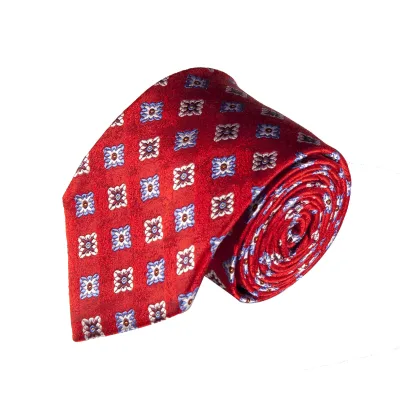
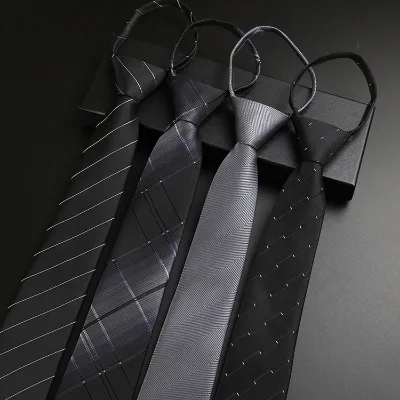
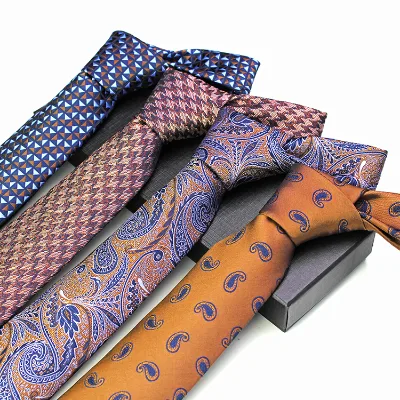


China Fashion Custom Hand Made 100% Silk Tie with Custom Logo Silk Neckties
$3.00 - $6.00
MOQ: 100 Pieces


Comprehensive Sourcing Guide
Strategic Sourcing Guide for Handrolled Untipped Silk Neckties
Understanding the Technical Profile of Handrolled Untips
The core keyword "Handrolled Untipped Silk Necktie" describes a specific category of formal wear accessory defined by its construction method and material composition. In the context of the current market data, the primary material attribute observed is "100% Silk," which aligns with the premium nature of handrolled edges. Unlike mass-produced ties that utilize machine stitching to secure the hem, a handrolled tie features an edge that is folded and stitched by hand, creating a soft, rounded profile without a visible seam or "tip" on the back. This construction is often associated with high-end fashion and casual styles, as indicated by the attribute "Style: Fashion, Casual" found in the supply data.
The physical dimensions of these products vary, but the standard specifications observed in the dataset provide a baseline for verification. Buyers should expect lengths ranging between 145cm and 147cm, with widths typically centered around 9cm. Specific model numbers such as "JD-custom ties" and "RWC-NT-43" suggest that customization is a significant factor in this category. The "Customization: Available" attribute confirms that suppliers often offer bespoke sizing and design options. However, it is critical to distinguish between "Plain Dyed," "Jacquard," and "Printed" patterns, as these affect the complexity of the hand-rolling process. The presence of "Striped" patterns alongside "Embroidered" styles indicates a diverse range of aesthetic options available within the silk category.
When evaluating the "untipped" aspect, buyers must understand that this refers to the lack of a separate fabric tip or a distinct back seam. The data mentions "prod_packing" variations like "Carton Box" and "One Piece in One Polybag," which suggests that packaging standards vary by supplier. For a handrolled product, the packaging must protect the delicate edges from crushing. The "Single gross weight" of 0.075 kg observed in the data provides a reference point for shipping calculations, though heavier silk variants may exist. The "Fabric" attribute listing "Silk Twill" further refines the texture expectations, as twill weave is common for silk neckties due to its durability and sheen.
Compliance Verification and Certification Standards
In the B2B procurement of silk accessories, compliance is a critical pillar that ensures the product meets international safety and quality expectations. The supplied data explicitly lists "SGS" as a product standard. This indicates that suppliers in this category are capable of undergoing third-party testing for quality assurance. Buyers should verify that the specific batch of handrolled silk neckties they intend to purchase carries valid SGS certification or equivalent third-party inspection reports. This verification is essential to confirm that the silk material is free from harmful substances and that the dyeing processes meet environmental regulations.
While the data does not explicitly confirm "OEKO-TEX" or "GOTS" certification for every item, these are industry-standard benchmarks for textile safety and organic sourcing. The "Low-confidence background" section lists these standards, suggesting they are relevant to the category but not universally present in the provided dataset. Therefore, procurement teams must actively request proof of compliance rather than assuming it. For silk products, verifying the absence of azo dyes and heavy metals is paramount. The "Feature: Eco-friendly" attribute observed in some listings suggests that a subset of suppliers may prioritize sustainable practices, but this should be treated as a specific product claim rather than a category-wide guarantee.
Buyers should also check for "ISO 9001" certification, which relates to quality management systems. Although listed as low-confidence in the background, it remains a standard expectation for reputable manufacturers. The "Payment terms" observed, including "T/T, Western Union, Cash, Paypal, Ali Trade Assurance," offer various levels of financial security. Utilizing platforms that offer trade assurance can provide an additional layer of protection regarding the quality claims made by the supplier. When negotiating contracts, buyers should explicitly include clauses that require the supplier to maintain specific certification standards throughout the production run, ensuring that the "100% Silk" material claim is backed by verifiable documentation.
Cost Drivers and Pricing Dynamics
The pricing structure for handrolled untipped silk neckties is influenced by several variables, including material quality, labor intensity, and order volume. The observed price range in the market data spans from 0.5 to 18 USD, reflecting a significant disparity between entry-level and premium products. This wide range suggests that the "100% Silk" claim is not uniformly applied across all price points; lower-priced items may use silk blends or lower-grade silk, while higher-priced items likely utilize premium, high-momme silk. The "Handmade" feature is a primary cost driver, as the hand-rolling process is labor-intensive and requires skilled artisans, unlike machine-stitched alternatives.
Minimum Order Quantity (MOQ) is another critical factor affecting the unit cost. The data shows an MOQ range from 0 to 500, with specific instances of "2 pcs" and "100 PCS Per Design." This variability allows for flexibility in procurement strategies. Small businesses or those testing new designs can leverage the "Small Orders: Accepted" attribute to order low quantities, such as the 2-piece minimum observed. However, to achieve the lower end of the price spectrum, buyers may need to meet higher volume thresholds, such as the 100-piece MOQ. The "Selling Units: Single item" attribute indicates that some suppliers offer drop-shipping or single-unit sales, which can be useful for sampling but often carries a higher per-unit cost.
Additional cost drivers include the complexity of the pattern and the customization level. "Jacquard" and "Embroidered" styles generally command higher prices than "Plain Dyed" or "Printed" designs due to the increased production time and technical skill required. The "Color" options listed, such as "Gold, Blue, Red, Rust," and the specific "Zipper tie" variations, suggest that colorway availability can impact pricing. Customization, indicated by the "prod_model: JD-custom ties," often incurs setup fees or higher per-unit costs. Buyers should analyze the total cost of ownership, including packaging costs (e.g., "Carton Box" vs. "Polybag") and shipping, which are influenced by the "Single package size" of 24x8x1 cm and the "Single gross weight" of 0.075 kg.
Typical Applications and Market Segmentation
Handrolled untipped silk neckties serve a diverse range of applications, from formal business attire to high-end fashion statements. The "Style: Fashion, Casual" attribute highlights their versatility in modern wardrobes. These ties are particularly suited for occasions where a softer, more relaxed aesthetic is desired, such as summer weddings, cocktail parties, or creative industry events. The "Handmade" and "Eco-friendly" features appeal to consumers who value craftsmanship and sustainability, making them ideal for boutique retailers and niche markets.
The "Type: Necktie" classification encompasses various sub-segments. The data mentions "Ready to ship/stock" items, which are suitable for immediate retail needs, and "Customization: Available" items, which cater to corporate gifting or bespoke tailoring services. The "Zipper polyester necktie" entries, while distinct from pure silk, indicate a broader market for functional, easy-to-wear accessories. However, for the specific "handrolled untipped silk" category, the primary application remains in the luxury and semi-formal sectors. The "Brand Name" variations, such as "Heruid," "DY," and "OEW," suggest that these products are marketed under various labels, ranging from private label manufacturers to established fashion brands.
In terms of market segmentation, the "Place of Origin: Zhejiang, China" points to a major manufacturing hub known for textile production. This region is well-equipped to handle the intricate demands of silk processing and hand-rolling. The "Model Number" diversity, including "T-23-#9638" and "DYT154," indicates a vast array of designs available to meet different consumer preferences. Buyers should consider the target demographic when selecting products; for instance, "Plain Dyed" ties may appeal to conservative corporate clients, while "Striped" or "Jacquard" designs might attract fashion-forward consumers. The "Feature: Handmade" aspect is a key differentiator in the luxury market, where buyers are willing to pay a premium for the unique character of each tie.
Supplier Evaluation and Quality Assurance Protocols
Evaluating suppliers for handrolled silk neckties requires a rigorous approach to ensure consistency and quality. The "prod_standard: 9*145cm" and "prod_standard: 146cmX9cmX4cm" specifications provide a baseline for dimensional accuracy. Buyers should verify that the supplier can consistently meet these measurements, as deviations can affect the final appearance and fit of the tie. The "prod_packing" variations, such as "Carton Box" and "One Piece in One Polybag," must be assessed for their ability to protect the delicate handrolled edges during transit.
Quality control should focus on the "Material" composition. While "100% Silk" is a common claim, the data also lists "Silk or Polyester" and "Microfiber, Polyester, Silk," indicating that material blends are common. Buyers must request material certificates to confirm the silk content, especially for premium orders. The "Feature: Handmade" claim should be validated through visual inspection or factory audits to ensure that the hand-rolling is genuine and not merely a machine simulation. The "SGS" standard mentioned in the data is a strong indicator of a supplier's commitment to quality, but it should be verified for the specific product batch.
Supplier reliability is also gauged by their "Payment terms" and "MOQ" flexibility. The acceptance of "T/T, Western Union, Cash, Paypal, Ali Trade Assurance" suggests a range of financial options, but buyers should prioritize secure payment methods for large orders. The "Small Orders: Accepted" attribute is beneficial for initial trials, allowing buyers to assess quality before committing to larger volumes. Additionally, the "Lead time" and "Production capacity" should be discussed, although specific values are not provided in the data. Buyers should establish clear communication channels to monitor production progress and ensure that the "Customization" requirements are met accurately.
Long-Term Procurement and Relationship Management
Building a sustainable supply chain for handrolled untipped silk neckties involves more than just a single transaction; it requires a long-term strategy focused on consistency and innovation. The "Customization: Available" attribute suggests that suppliers are willing to adapt to changing market trends, which is crucial for maintaining a competitive edge. Buyers should foster relationships with suppliers who can offer design flexibility, such as the "JD-custom ties" model, to keep their product lines fresh and relevant.
Long-term procurement also involves managing the risks associated with material sourcing. The "Material: 100% Silk" claim is subject to market fluctuations in raw silk prices. Buyers should consider hedging strategies or long-term contracts to stabilize costs. The "Eco-friendly" feature observed in some listings indicates a growing trend towards sustainability, which buyers can leverage to enhance their brand image. By partnering with suppliers who prioritize eco-friendly practices, buyers can align their procurement strategies with global sustainability goals.
Finally, the "Brand Name" diversity in the data suggests that private labeling is a viable option for buyers looking to build their own brand. Establishing a strong relationship with a supplier who can handle branding, packaging, and customization will be essential for long-term success. The "Single package size" and "Single gross weight" data points should be used to optimize logistics and reduce shipping costs over time. By focusing on these strategic elements, buyers can ensure a reliable supply of high-quality handrolled untipped silk neckties that meet the evolving demands of the global market.
FAQs
What materials are used for handrolled untipped silk neckties?
The primary material is 100% silk, though some options include silk twill or blends with polyester and microfiber. Buyers should verify material certificates to confirm the silk content, as some listings specify silk or polyester combinations.
How are the dimensions of these neckties defined?
Standard lengths range from 145cm to 147cm with widths typically around 9cm. Specific models may vary, such as those measuring 48cm by 7cm, so buyers must check individual product specifications for exact sizing.
Can buyers customize the design and size of these ties?
Yes, customization is available for many products, including bespoke sizing and design options. Suppliers often offer specific model numbers like JD-custom ties to accommodate unique buyer requirements for patterns and dimensions.
What is the minimum order quantity for these neckties?
Minimum order quantities vary significantly, ranging from as low as 2 pieces to 500 pieces depending on the supplier. Some vendors accept small orders, while others require 100 pieces per design for standard production runs.
Which certifications are available for these silk neckties?
SGS certification is explicitly listed as a product standard for some suppliers. While other standards like OEKO-TEX are relevant to the category, buyers should request specific proof of SGS or equivalent third-party testing for each batch.
How are the neckties packaged for shipping?
Packaging varies by supplier, with options including carton boxes, polybags, or individual polybag packaging. The single package size is often around 24x8x1 cm, and buyers should confirm protection methods for delicate handrolled edges.