Source Hands Free Reverse Umbrella for Travel, Driving, and Events
Compare 30 Hands Free Reverse Umbrella options from verified Chinese suppliers. Buyers can evaluate features like frame material, fabric type, and customization availability to find the right solution for travel, driving, or promotional events.
Key considerations
Products List

Double Canopy Vented Free Hands Inverted Reverse Promotional C Handle Umbrella
$2.80 - $4.50
MOQ: 100 Pieces


C Handle Hands Free Car Double Layer Logo Print Reverse Straight Umbrellas
$1.99 - $3.00
MOQ: 100 Pieces

New Double Layer C Shape Handle Inverted Reverse Umbrella with Logo Prints
$1.99 - $3.00
MOQ: 100 Pieces


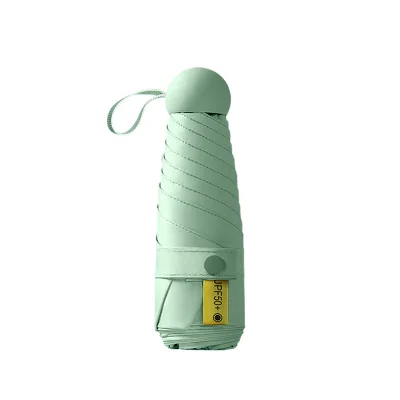


Cross-Border Reverse Umbrella with Larger Windproof and Sunshade Reverse Umbrella
$2.02 - $2.26
MOQ: 500 Pieces
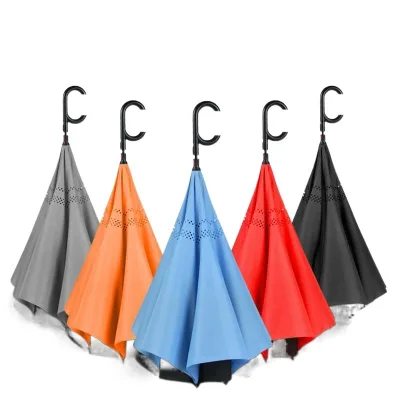

Comprehensive Sourcing Guide
Hands Free Reverse Umbrella Sourcing Guide
The hands-free reverse umbrella represents a specialized segment within the broader promotional and utility umbrella market, distinguished by its unique inversion mechanism and ergonomic design. Unlike traditional umbrellas that vent wind outward, these models invert to trap rainwater inside, keeping the user dry when entering vehicles or buildings. For B2B buyers, this product category intersects with advertising merchandise, corporate gifting, and specialized outdoor gear. The sourcing strategy must account for the mechanical complexity of the reverse-folding structure, which differs significantly from standard manual or automatic openers. Buyers should recognize that while the core keyword emphasizes "hands-free" functionality, the actual market listings often describe these items as "folding umbrellas" with specific handle configurations or "straight umbrellas" with manual open mechanisms. Understanding this terminology gap is critical for effective supplier communication and accurate product specification.
Procurement of these items requires a nuanced approach to material selection and structural integrity. The observed product data indicates a diverse range of frame materials, including aluminum alloy, aluminum, and fiberglass, each offering distinct trade-offs between weight, durability, and cost. Aluminum frames provide a lightweight solution suitable for high-volume promotional campaigns, while fiberglass ribs offer superior wind resistance, a crucial feature for a mechanism that must withstand the stress of inversion. Furthermore, fabric choices vary from standard polyester to higher-grade 190t pongee double-layer materials, which impact water repellency and UV protection capabilities. Buyers must evaluate these material specifications against their end-user requirements, ensuring that the chosen configuration balances aesthetic appeal with functional reliability. The presence of customization options, such as logo printing and color variations, further expands the utility of these umbrellas for brand visibility, making them a versatile tool for marketing departments and event organizers.
Product Scope and Observed Listing Signals
The current market landscape for reverse and hands-free umbrellas exhibits a wide variance in product attributes, reflecting the fragmented nature of manufacturing capabilities in major production hubs like Zhejiang and Shaoxing, China. Observed listings reveal that "hands-free" is often associated with specific handle designs, such as plastic C-shaped handles or short umbrella handles, which facilitate easy carrying and hanging. However, it is essential to distinguish between true hands-free mechanisms, which may include shoulder straps or hook systems, and standard folding umbrellas that are merely marketed with similar terminology. The data shows models ranging from simple folding umbrellas with plastic handles to more complex straight umbrellas with metal tips and fiberglass ribs. This diversity suggests that buyers must carefully verify the actual mechanical operation of the umbrella, as the term "hands-free" may not universally apply to all listed items. Misalignment between buyer expectations and supplier definitions can lead to significant procurement errors, particularly when the product is intended for specific use cases like car entry or outdoor sports.
Price and minimum order quantity (MOQ) signals provide additional context for market positioning and supplier tiering. The observed price range spans from $0.88 to $65 per piece, indicating a broad spectrum from basic promotional items to premium, feature-rich models. This wide disparity is driven by factors such as frame material, fabric quality, and the complexity of the reverse-folding mechanism. For instance, models constructed with aluminum alloy and polyester fabric may fall on the lower end of the price spectrum, while those featuring fiberglass ribs, 190t pongee double-layer fabric, and anti-UV properties command higher prices. Similarly, MOQs vary significantly, ranging from as low as 1 piece to 3000 pieces, with some suppliers offering negotiable terms starting at 100 pieces. This flexibility allows buyers to test market demand with small batches before committing to large-scale production. However, buyers should be cautious of extremely low MOQs paired with high unit prices, as this may indicate a lack of economies of scale or a focus on sample sales rather than bulk manufacturing.
Technical Specifications to Verify
When evaluating technical specifications, the frame material and rib construction are paramount for ensuring the durability of the reverse-folding mechanism. Aluminum alloy and aluminum frames are commonly cited, offering a lightweight and corrosion-resistant structure, but buyers must verify the thickness and quality of the metal to prevent bending or breaking under wind stress. Fiberglass ribs, often paired with aluminum frames, provide excellent flexibility and wind resistance, making them a preferred choice for high-quality reverse umbrellas. The shaft material, typically metal, must also be inspected for strength and smoothness, as it bears the load during the inversion process. Additionally, the handle design plays a crucial role in user experience; options include plastic handles, plastic C-shaped handles, and short umbrella handles. Buyers should request physical samples to assess the ergonomics and grip comfort, as these elements directly impact customer satisfaction and repeat purchases.
Fabric quality and functional features are equally critical in determining the overall performance of the umbrella. Polyester and pongee fabrics are standard choices, with 190t pongee double-layer fabric offering superior water repellency and durability. The presence of anti-UV properties is a significant differentiator, with some models explicitly labeled as "Anti UV" while others are "Not Anti UV." Buyers should verify the UPF rating if UV protection is a key selling point for their target market. The size of the umbrella, often listed as 23 inches or 23"X8K, determines the coverage area and portability. Larger diameters provide better protection but may be bulkier to carry, while smaller sizes are more convenient for daily use. Furthermore, the opening mechanism, whether manual or automatic, affects the ease of use and reliability. Manual open mechanisms are generally more robust and less prone to mechanical failure, making them a safer choice for high-volume promotional items.
Compliance and Safety Documentation
Compliance and safety documentation are essential for mitigating legal and reputational risks in international trade. The observed product data mentions SGS standards, which indicates that some suppliers may have undergone third-party testing for quality and safety. However, buyers must verify the specific scope of these certifications, as SGS testing can cover a wide range of parameters, from material composition to mechanical strength. For umbrellas, key safety concerns include the sharpness of metal tips, the stability of the frame under stress, and the absence of hazardous substances in the fabric and handles. Buyers should request detailed test reports that align with the regulatory requirements of their target markets, such as the Consumer Product Safety Improvement Act (CPSIA) in the United States or the General Product Safety Directive (GPSD) in the European Union. These documents provide evidence that the product meets specific safety thresholds and can be used to defend against potential liability claims.
In addition to safety certifications, buyers should inquire about environmental and ethical compliance standards. The use of recycled materials or eco-friendly dyes may be a selling point for environmentally conscious consumers and corporate clients. Suppliers may hold certifications such as ISO 14001 for environmental management or SA8000 for social accountability, which demonstrate a commitment to sustainable and ethical manufacturing practices. Buyers should also verify the origin of the materials, ensuring that they are sourced from reputable suppliers who adhere to labor and environmental regulations. This due diligence not only reduces the risk of supply chain disruptions but also enhances the brand image of the buyer. By prioritizing suppliers with robust compliance documentation, buyers can ensure that their products meet the highest standards of safety and sustainability, thereby building trust with their customers and stakeholders.
Cost Drivers and Commercial Terms
Cost drivers for hands-free reverse umbrellas are primarily influenced by material selection, manufacturing complexity, and order volume. The choice between aluminum and fiberglass frames, as well as polyester and pongee fabrics, significantly impacts the unit cost. More complex mechanisms, such as those required for reverse folding, may also incur higher production costs due to the precision engineering involved. Buyers should analyze the cost breakdown to understand where value is added and where cost-saving opportunities exist. For example, opting for a standard aluminum frame instead of a premium fiberglass one can reduce costs without significantly compromising quality, provided the wind resistance requirements are met. Additionally, the customization level, including logo printing and packaging, adds to the overall cost. Buyers should negotiate these variables to achieve the best balance between quality and price.
Commercial terms, including MOQ, lead time, and payment conditions, play a crucial role in the procurement process. The observed MOQ range of 1-3000 pieces offers flexibility for buyers of different sizes, but higher volumes typically result in lower unit prices. Lead times, ranging from 25-35 days for production and 5 days for samples, must be factored into the supply chain planning. Buyers should establish clear communication channels with suppliers to ensure timely delivery and address any potential delays. Payment terms, such as T/T or L/C, should be negotiated to align with the buyer's cash flow and risk tolerance. It is also important to clarify the responsibilities for shipping and insurance, as these costs can vary depending on the Incoterms used. By carefully managing these commercial terms, buyers can optimize their procurement strategy and minimize financial risks.
Supplier Qualification and Quality Control
Supplier qualification is a critical step in ensuring the reliability and consistency of the product supply. Buyers should conduct thorough due diligence on potential suppliers, verifying their business licenses, production capabilities, and quality management systems. The observed product data indicates that suppliers are located in Zhejiang and Shaoxing, China, which are known hubs for umbrella manufacturing. Buyers should visit these facilities or hire third-party inspection agencies to assess the production environment and quality control processes. Key areas to inspect include the raw material storage, assembly lines, and testing equipment. Suppliers with robust quality control systems are more likely to deliver products that meet the specified standards and reduce the risk of defects.
Quality control measures should be implemented throughout the production process, from raw material inspection to final product testing. Buyers should define clear quality standards and acceptance criteria, which should be communicated to the supplier in writing. Regular inspections, such as pre-production, during-production, and pre-shipment inspections, can help identify and address issues early in the process. Buyers should also request samples for evaluation before placing large orders, ensuring that the product meets their expectations in terms of design, functionality, and durability. Feedback from these samples should be used to refine the product specifications and improve the manufacturing process. By establishing a strong quality control framework, buyers can ensure that their products meet the highest standards of quality and customer satisfaction.
Long-Term Procurement Checks
Long-term procurement checks involve continuous monitoring and evaluation of supplier performance and market trends. Buyers should establish key performance indicators (KPIs) to track supplier reliability, product quality, and delivery times. Regular reviews of these metrics can help identify areas for improvement and strengthen the supplier relationship. Additionally, buyers should stay informed about market trends and technological advancements in the umbrella industry, such as new materials or innovative mechanisms. This knowledge can help buyers make informed decisions about product development and sourcing strategies. By maintaining a proactive approach to supplier management, buyers can ensure a stable and efficient supply chain that supports their business growth.
Sustainability and ethical considerations are increasingly important in long-term procurement strategies. Buyers should regularly assess their suppliers' environmental and social practices, ensuring that they align with the buyer's corporate social responsibility (CSR) goals. This may involve conducting audits, requesting sustainability reports, or collaborating on initiatives to reduce waste and carbon emissions. By integrating sustainability into their procurement processes, buyers can enhance their brand reputation and meet the growing demand for ethical products. Furthermore, buyers should diversify their supplier base to mitigate risks associated with single-source dependencies. This strategy ensures business continuity and provides flexibility in responding to market changes. By focusing on long-term relationships and sustainable practices, buyers can build a resilient and competitive supply chain.
FAQs
What is the typical lead time for custom Hands Free Reverse Umbrella orders
The standard delivery time for these products is 25 to 35 days. This timeline applies to standard production runs and may vary depending on the specific customization requirements and order volume. Buyers should confirm exact dates with the supplier before placing a large order.
Can I request custom colors and branding for these reverse umbrellas
Yes, customization is available for both color and branding. The product supports customized colors and OEM services, allowing buyers to apply their own logos or designs. This makes the umbrellas suitable for promotional use or private label distribution in various markets.
What materials are used for the frame and fabric of these umbrellas
The frame is typically made from aluminum alloy or fiberglass, while the fabric is polyester or pongee. Some models feature a double-layer pongee material for enhanced durability. The choice of material affects the weight and wind resistance of the umbrella.
What is the minimum order quantity for these reverse umbrellas
The minimum order quantity varies by supplier, with observed ranges from 1 to 3000 pieces. Some specific listings indicate an MOQ of 100 pieces, which is negotiable. Buyers should check the specific product listing to confirm the exact MOQ for their desired configuration.
Do these hands free reverse umbrellas offer anti-UV protection
Anti-UV protection is available on certain models, though not all listed products include this feature. Buyers should verify the specific product attributes to ensure the umbrella meets their sun protection requirements. Some models are explicitly marked as anti-UV, while others are not.
What is the standard size of these folding reverse umbrellas
The standard size for many of these models is 23 inches. Some specific listings provide detailed dimensions such as a radius of 58.5 cm. The size is consistent across most folding styles, making them suitable for general adult use and easy storage.
What packaging options are available for these reverse umbrellas
Standard packaging includes one piece per polybag or a self-bag with an OPP bag. This packaging is designed to protect the umbrella during shipping and storage. Custom packaging options may be available upon request for bulk orders or specific retail requirements.