Source Headlight Level Sensor for Automotive Repair and Motorcycle Parts
Compare 30 available Headlight Level Sensor options from Chinese manufacturers. Buyers can review specifications, OE codes, and customization details for automotive and motorcycle repair applications.
Key considerations
Products List
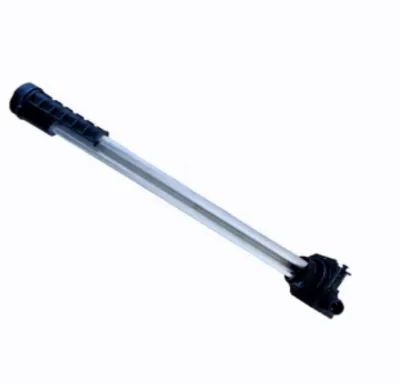


Lr020160 Chassis Height Sensor Headlight Height Level Sensor Ride Height Sensors for
$11.00 - $13.00
MOQ: 10 pieces

Advanced Chassis Height Level Sensor for Accurate Ride Height Measurement
$16.00 - $20.00
MOQ: 10 pieces


Comprehensive Sourcing Guide
Strategic Sourcing Guide for Headlight Level Sensors
The global automotive aftermarket and original equipment manufacturing (OEM) sectors rely heavily on precise lighting control systems to ensure vehicle safety and regulatory compliance. Among the critical components in these systems, the Headlight Level Sensor plays a pivotal role in maintaining optimal beam alignment. This guide provides a comprehensive, evidence-based framework for procurement professionals seeking to source headlight level sensors, focusing on technical attributes, supply chain dynamics, and quality assurance protocols derived from current market data.
Technical Specifications and Component Architecture
Understanding the technical architecture of a Headlight Level Sensor is the first step in defining procurement requirements. Based on observed product attributes, these components are frequently categorized as linear wheel speed sensors or specialized automotive parts designed for replacement and repair purposes. The core functionality involves detecting the vertical inclination of the vehicle body to adjust headlight aim dynamically.
The physical construction of these sensors often utilizes metal materials, providing the necessary durability to withstand the harsh under-vehicle environment. The production process for many units involves plastic injection molding, which allows for complex geometries and integration with vehicle chassis structures. However, variations exist; some specifications indicate a "synthetic type" production process, suggesting different material compositions or manufacturing techniques for specific applications.
Electrical output is a critical differentiator. The observed data points to a "Digital Sensor" output, which implies that the component transmits discrete data signals to the vehicle's electronic control unit (ECU) rather than an analog voltage. This digital interface often requires specific communication protocols that must match the vehicle's existing network architecture. Furthermore, the production capacity of suppliers is a significant metric; observed annual production figures reach up to 80,000 pieces per year, indicating a mature supply chain capable of handling volume orders without excessive bottlenecks.
Application Scope and Vehicle Compatibility
The application of headlight level sensors is broad, spanning various vehicle classes and manufacturers. The primary use case is for the replacement and repair of existing lighting systems, ensuring that vehicles meet safety standards after suspension modifications or wear. The market data explicitly identifies compatibility with major automotive brands, including Chevrolet, Toyota, Lexus, and Audi (specifically models like the A4L and A5L).
Compatibility is often defined by specific OEM codes and model numbers. Procurement teams must cross-reference these identifiers to ensure fitment. Observed OEM codes include 23456572 and 23456571, which are associated with Chevrolet applications. For Toyota and Lexus, codes such as 89408-60011 and 89406-60012 are critical reference points. Additionally, the market features a wide array of model numbers, ranging from 137, 116, and 141 to more complex alphanumeric codes like 1K0941273, 68414985AA, and LR098914.
The diversity of these codes underscores the necessity for a robust database management system within the procurement workflow. A single sensor model may not be universal; for instance, the "RC-HSGM060" and "RC-HSTY002" suggest specific series or generation codes. Buyers must verify that the sensor's physical dimensions and electrical characteristics align with the target vehicle's specifications before placing an order. The standard packing size observed is 15108cm, which aids in logistics planning, though custom packing options are also available.
Cost Drivers and Pricing Dynamics
The pricing structure for headlight level sensors is influenced by several factors, including the complexity of the sensor technology, the volume of the order, and the specific OEM certification required. The observed price range in the market is extensive, spanning from $0.55 to $1,150 USD. This wide variance reflects the difference between basic aftermarket replacement units and high-end OEM-grade components with advanced digital integration.
Several variables drive these costs. First, the "Factory's Price" attribute suggests that direct sourcing from manufacturers can offer competitive rates compared to intermediaries. Second, the Minimum Order Quantity (MOQ) plays a significant role; observed MOQs range from a single item to 100 units, with specific listings showing ranges like 10-20 pieces. Buyers with lower volume requirements may face higher per-unit costs, while bulk purchasers can leverage economies of scale.
Customization is another cost driver. The availability of customization allows buyers to request specific packaging, labeling, or even minor design modifications to fit unique vehicle platforms. However, custom orders typically incur higher setup costs and may have different lead times compared to standard "neutral" or "polybag+carton" packed items. The choice between "Paper Box," "Carton," or "Customized/Neutral" packaging also impacts the final landed cost, as specialized packaging materials and labor add to the unit price.
Supplier Evaluation and Geographic Sourcing
Geographic origin is a primary consideration for supply chain stability and cost efficiency. The overwhelming majority of observed products originate from China, with specific hubs identified in Wenzhou and Zhejiang. These regions are known for their robust manufacturing ecosystems, particularly in the automotive parts sector. The "China (Mainland)" designation further confirms the production base for these components.
When evaluating suppliers, buyers should look for evidence of production capacity and reliability. The data indicates a production rate of 80,000 pieces per year for certain suppliers, which serves as a benchmark for volume capability. However, capacity alone is insufficient; the production process must be consistent. The observation of both "Plastic Injection" and "Synthetic Type" processes suggests that buyers must verify the specific manufacturing method used for their required part number to ensure material integrity.
Logistics capabilities are also critical. Suppliers typically offer shipping via Sea, Air, or Express methods, providing flexibility based on urgency and budget. The delivery time is observed to range from 3 to 30 days, a window that buyers must factor into their inventory planning. A supplier offering a 3-day lead time for urgent repairs differs significantly from one with a 30-day lead time for bulk stock replenishment. Additionally, the warranty period is a key indicator of supplier confidence; a standard 12-month warranty is observed, which provides a baseline for after-sales support and risk mitigation.
Quality Control and Compliance Verification
Ensuring the quality of headlight level sensors requires a rigorous verification process, as the safety implications of lighting systems are paramount. While specific certification names are not universally listed in the provided data, buyers must verify that the products meet the "OEM STANDARD SIZE" and relevant industry standards. The observed standard dimensions of 15108cm serve as a reference for physical fitment, but electrical and functional standards must be confirmed through testing.
Quality control should focus on the consistency of the "Normal Wirewound" process and the integrity of the digital sensor output. Buyers should request test results or quality assurance documentation that validates the sensor's performance under various conditions, such as temperature fluctuations and vibration. The "Customization: Available" attribute implies that suppliers can adapt to specific quality requirements, but this must be clearly defined in the purchase order.
Compliance with automotive standards is non-negotiable. Although specific certification bodies are not named in the source data, the presence of OEM codes and specific model numbers implies adherence to the original manufacturer's specifications. Buyers should ensure that the supplier can provide traceability for the materials used, particularly the metal components and plastic injection materials, to guarantee they meet environmental and safety regulations. The "Polybag+Carton" and "Paper Box" packing options suggest standard protective measures, but for high-value or sensitive digital sensors, additional protective packaging may be necessary to prevent damage during transit.
Long-Term Procurement Considerations
Sourcing headlight level sensors is not merely a transactional activity but a strategic relationship that impacts long-term operational efficiency. The availability of "Customized/Neutral" packing allows for branding opportunities, which is valuable for distributors looking to build their own brand identity. However, the trade-off between custom branding and the potential for higher costs must be carefully weighed.
The lead time variability, ranging from 3 to 30 days, necessitates a flexible supply chain strategy. Buyers should maintain a buffer stock of critical part numbers, such as those for Audi A4L/A5L or Toyota Lexus, to mitigate the risk of supply disruptions. The "12 Months" warranty period provides a safety net, but buyers should also establish clear communication channels with suppliers for rapid resolution of any quality issues that arise post-delivery.
Furthermore, the diversity of model numbers and OEM codes requires a dynamic inventory management system. As vehicle models evolve, the demand for specific sensor variants will shift. Buyers should monitor the market for new model codes, such as the observed "RC-HSGM059" or "LR020160," to stay ahead of demand trends. The ability of suppliers to handle "Single item" orders as well as bulk orders (up to 100 MOQ) offers flexibility for both small repair shops and large distributors.
In conclusion, successful procurement of headlight level sensors requires a deep understanding of technical specifications, a clear grasp of application compatibility, and a strategic approach to supplier selection. By leveraging the observed data on production capacity, pricing ranges, and geographic origins, buyers can build a resilient supply chain that ensures the availability of high-quality components for the automotive market. The focus must remain on verifying technical attributes against specific vehicle requirements, maintaining strict quality control standards, and fostering long-term partnerships with suppliers who demonstrate reliability and adaptability.
FAQs
What is the warranty period for headlight level sensors?
The standard warranty period is 12 months for most units. This coverage applies to defects in material and workmanship, ensuring reliability for automotive and motorcycle parts during the specified timeframe.
Which materials are used to manufacture these sensors?
These sensors are primarily constructed from metal to ensure durability. The production process often involves plastic injection molding or synthetic types, depending on the specific model and application requirements.
Can buyers request customization for packaging or design?
Yes, customization is available for packaging and specific design needs. Buyers can choose from options like polybag, carton, paper box, or customized neutral packaging to suit their branding or logistics preferences.
What is the typical lead time for delivery?
The delivery time ranges from 3 to 30 days depending on order volume. This window allows for flexibility in shipping via sea, air, or express methods to meet urgent or bulk requirements.
Which vehicle brands are compatible with these sensors?
These sensors are compatible with brands like Chevrolet, Toyota, Lexus, and Audi. Specific models such as the A4L, A5L, and various OEM codes ensure precise fitment for replacement and repair purposes.
What is the minimum order quantity for purchasing?
The minimum order quantity ranges from 1 to 100 units. Some listings specify ranges like 10 to 20 pieces, allowing flexibility for both single-item repairs and larger distribution orders.
Where are these sensors manufactured?
The sensors are manufactured in China, with specific origins in Wenzhou and Zhejiang. This location supports a production capacity of up to 80,000 pieces per year for consistent supply.