Source Healing Beaded Bamboo Stone Bracelet for gifts and decor
Compare 30 listings for the Healing Beaded Bamboo Stone Bracelet from verified Chinese manufacturers. Buyers can evaluate materials like natural stone and stainless steel, styles, and pricing options for daily wear or gifting purposes.
Key considerations
Products List
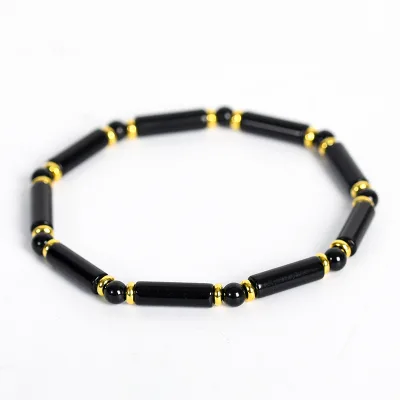


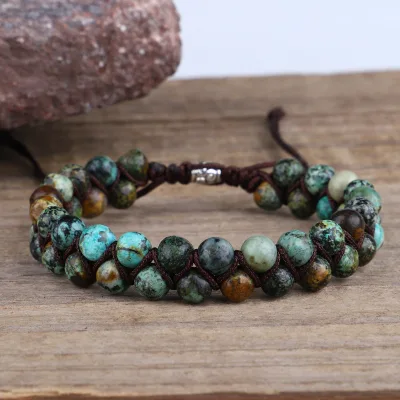
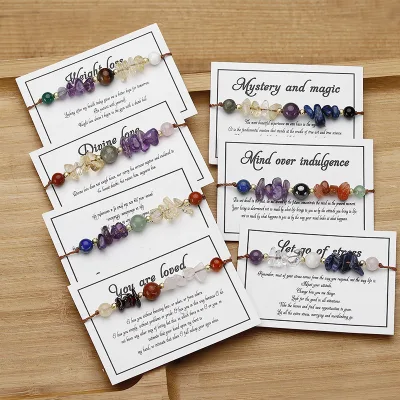


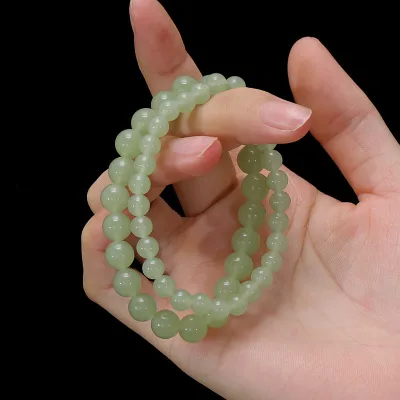
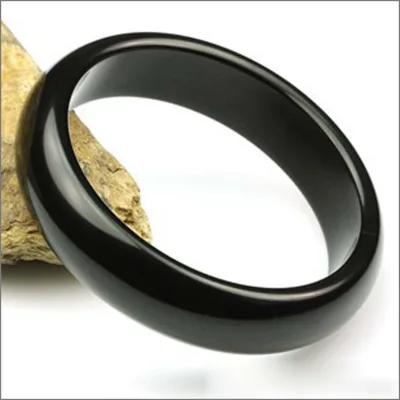


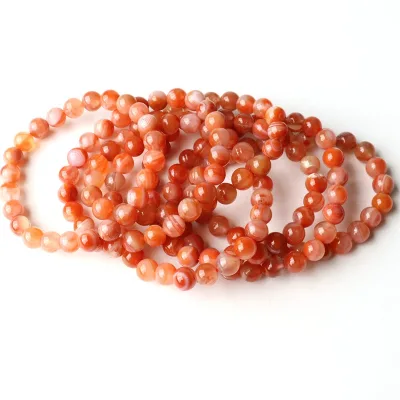
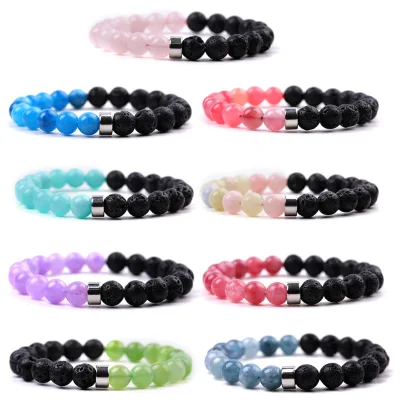
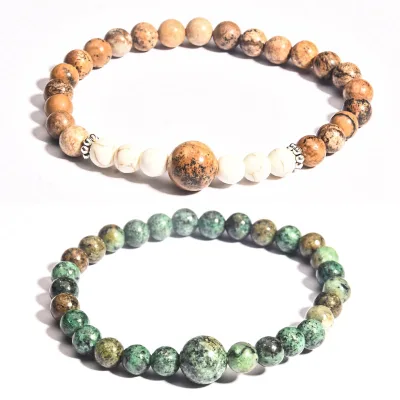
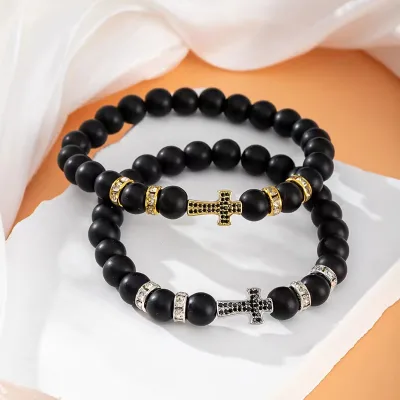
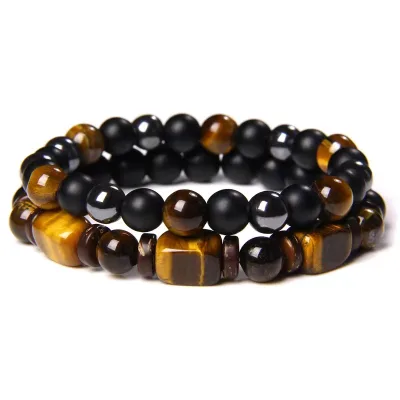


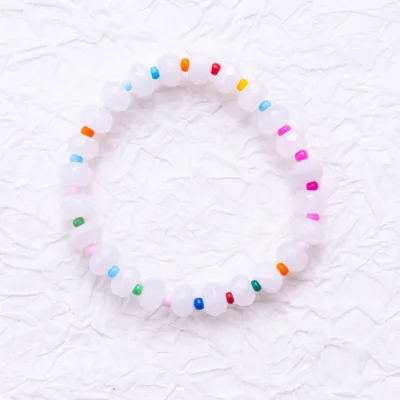
Multicolour Natural Stone Geometric 8mm Elastic Handmade Beaded Bracelet Wholesale
$0.46 - $0.80
MOQ: 100 Pieces
Comprehensive Sourcing Guide
Strategic Sourcing Guide for Healing Beaded Bamboo Stone Bracelets
Understanding Product Attributes and Material Composition
When sourcing a Healing Beaded Bamboo Stone Bracelet, the primary objective is to align the physical attributes of the product with the specific therapeutic or aesthetic expectations of the target market. Based on the available product data, the term "bamboo stone" in this context often refers to a specific natural stone variety or a stylistic interpretation of natural materials used in beaded jewelry. The core material composition for these items is frequently listed as "Natural Stone," which serves as the foundational element for the "healing" narrative often associated with such products. However, a critical observation from the supply data indicates that some listings also specify "Stainless steel" and "Crystal" as primary materials. This suggests a hybrid construction where natural stones are paired with metal components or crystal accents to enhance durability and visual appeal.
The shape and pattern of these bracelets are predominantly "Beaded" or "Geometric," with specific mentions of "Irregular Shape" and "Faceted Bracelet" designs. The "Bamboo" aspect of the keyword likely alludes to the segmented, cylindrical nature of the beads or a specific green hue that mimics bamboo foliage. The data confirms the availability of "Green" stone colors, which aligns with the natural imagery of bamboo. Furthermore, the "Stone Size" is a critical specification, with observed data points indicating sizes such as 6mm and 8mm. Buyers must verify the exact bead diameter required for their specific design, as the "Length" is often listed as "as the picture" or adhering to a standard size like 7 inches, which is typical for adult wrist sizes.
The product style is categorized as "Popular" and "Fashion," with a design focus on "Natural" aesthetics. This indicates that the market demand leans towards items that appear organic and unpretentious, suitable for "Daily Wear" or "Informal Occasions." While some listings target "Female" or "Male" demographics specifically, the broader category is often "Unisex," allowing for a wider customer base. The "Usage" extends beyond mere decoration to include "Health" and "Gift" purposes, reinforcing the "healing" claim inherent in the product keyword. The "Plating" attribute is noted as "Other," suggesting that metal components may have various finishes, including "Gold," which adds a layer of luxury to the natural stone base.
Technical Specifications and Standardization
Defining the technical specifications is essential for ensuring that the sourced products meet the functional and dimensional requirements of the end-user. The supply data reveals a variety of standard measurements that buyers must navigate. The "prod_standard" field explicitly mentions "7"" and "4mm 6mm 7"", indicating that while the bracelet length is often standardized to 7 inches, the bead size can vary significantly. For a "Healing Beaded Bamboo Stone Bracelet," the bead size is particularly important as it influences the texture and the perceived quality of the "Natural Stone." The data shows specific instances of 6mm and 8mm stone sizes, which are common for beaded bracelets that require a balance between visual impact and comfort.
The "Single package size" is recorded as 8x8x2 cm, which is a compact dimension suitable for individual retail packaging. This small footprint is advantageous for logistics, reducing shipping costs per unit. The "Single gross weight" is listed as 0.012 kg, confirming that these items are lightweight, a desirable trait for daily wear jewelry. However, buyers should be aware that the "Material Type" can vary; while "Natural Stone" is the primary healing component, the structural integrity often relies on "Stainless steel" components or elastic cords not explicitly detailed in the summary but implied by the "Beaded" classification.
The "Shape" variations include "Beaded Bracelet," "Faceted Bracelet," and "Irregular Shape." These distinctions are crucial for product differentiation. A "Faceted" design typically catches light better, enhancing the "Crystal" or stone appearance, while an "Irregular Shape" might appeal to a niche market seeking a more rustic, organic look. The "Color" options are extensive, ranging from specific numbers (1-9) to "Multicolour" and "Gold." For a bamboo-themed bracelet, the "Green" color is the most relevant, but the availability of "Multicolour" options allows for customization to match specific brand palettes. The "Model Number" varies widely, from "3-202473102" to "ESB012129" and "ESB01202," indicating that buyers should rely on specific model references rather than generic descriptions when placing orders.
Compliance, Certification, and Regulatory Checks
Navigating the compliance landscape for jewelry sourced from China requires a careful review of available certifications and standards. The provided data lists "CAL" as a "Certificate Type," which is a significant indicator of quality assurance. CAL certification in China typically relates to the China Accreditation for Laboratories, suggesting that the product or its materials have undergone testing by an accredited body. This is a high-confidence fact that buyers should prioritize when evaluating potential suppliers. However, the data also mentions "CE" in a low-confidence background section, which implies that while CE certification might be relevant for the European market, it is not consistently verified in the current dataset. Buyers should not assume CE compliance without direct verification from the supplier.
The "Place of Origin" is consistently listed as "Zhejiang, China," a region known for its jewelry manufacturing capabilities. While this location is a factual observation, it does not inherently guarantee a specific level of compliance. Buyers must verify that the "Natural Stone" and "Crystal" materials used do not contain prohibited substances such as lead or cadmium, which are common concerns in jewelry regulations. The "Certificate Type: CAL" is a strong starting point, but it is advisable to request specific test reports for the materials used, especially if the "Health" or "Healing" claims are to be substantiated.
Furthermore, the "OEM/ODM" status is "Warmly Welcomed," indicating that suppliers are open to customizing products to meet specific regulatory requirements. This flexibility allows buyers to request materials that comply with the standards of their target market, whether it be the EU, US, or other regions. The "Customization: Available" attribute further supports the ability to tailor the product to meet specific compliance needs. However, buyers must remain vigilant regarding the "Material Type" claims. If a supplier claims a product is "Natural Stone," they must provide evidence that the stone is genuine and not a synthetic substitute, as this impacts both the "Healing" narrative and regulatory compliance regarding material disclosure.
Cost Drivers and Pricing Dynamics
The pricing structure for healing beaded bamboo stone bracelets is influenced by several key factors, including material quality, customization levels, and order volume. The observed price range in the market is substantial, spanning from $0.35 to $122.14 USD. This wide disparity highlights the difference between mass-produced, basic models and high-end, custom-crafted pieces. The lower end of the spectrum likely corresponds to simple beaded designs with standard "Natural Stone" and minimal metal components, while the higher end may involve intricate "Faceted" designs, premium "Crystal" inclusions, or specialized "Gold" plating.
The "MOQ" (Minimum Order Quantity) is another critical cost driver, with observed ranges from 1 to 1000 units. A specific data point notes an MOQ of 12 pieces, which is relatively low and favorable for small businesses or startups testing the market. However, buyers should be aware that the "MOQ" can vary significantly depending on the "Customization" level. Custom designs, such as specific "Stone Size" or unique "Color" combinations, often require higher MOQs to justify the setup costs for the supplier. The "Selling Units" are listed as "Single item," suggesting that the pricing is per piece, but bulk discounts are likely available for larger orders.
The "Packing" method also affects the final cost. Standard "Opp Bag" packing is common, but the option to "Make Packing to Our Customer's Request" introduces a variable cost. Custom packaging, such as branded boxes or eco-friendly materials, will increase the unit price. Additionally, the "Shipping" options—By Express, By Air, or By Sea—will impact the total landed cost. For small orders, "By Express" might be cost-effective despite higher per-unit shipping fees, whereas large orders would benefit from "By Sea" shipping to reduce logistics expenses. Buyers must balance the unit price against the total cost of ownership, including shipping and packaging, to determine the most economical sourcing strategy.
Supplier Evaluation and Operational Capabilities
Selecting the right supplier for healing beaded bamboo stone bracelets requires a thorough evaluation of their operational capabilities and responsiveness. The data indicates that the "Brand Name" associated with some listings is "G.TANG LUCKYBOY," but buyers should not limit their search to a single brand. Instead, they should look for suppliers who demonstrate flexibility in "OEM/ODM" services. The "Warmly Welcomed" status for OEM/ODM suggests that many suppliers are willing to collaborate on design and production, which is crucial for creating a unique product identity.
The "Customization" availability is a key indicator of a supplier's capability. Suppliers who offer customization in "Stone Size," "Color," and "Packing" are better equipped to meet specific buyer requirements. The "prod_packing" attribute, which states "We Can Make Packing According to Customer' Request," further confirms that suppliers are adaptable. However, buyers must verify the supplier's ability to maintain quality during customization. The "Shape" and "Pattern" variations, such as "Geometric" or "Irregular Shape," require skilled craftsmanship. A supplier with a history of producing "Beaded Bracelets" with consistent quality is preferable.
The "Place of Origin" being "Zhejiang, China" is a common factor, but buyers should assess the specific factory's capacity and lead times. While specific lead times are not provided in the data, the "Shipping" options suggest that suppliers have established logistics channels. Buyers should inquire about the "Lead Time" for custom orders, as this can vary based on the complexity of the design and the availability of "Natural Stone" materials. The "Single gross weight" and "Single package size" are also useful for estimating shipping costs and storage requirements. A supplier with efficient packaging and lightweight products can reduce logistical burdens.
Quality Control and Long-Term Procurement Strategy
Ensuring consistent quality in healing beaded bamboo stone bracelets is paramount for maintaining brand reputation and customer satisfaction. The "Quality Control" process should focus on verifying the "Natural Stone" authenticity, the durability of the "Stainless steel" components, and the consistency of the "Stone Size." The "Stone Color" should be uniform across the batch, especially for "Green" or "Multicolour" designs. The "Faceted" and "Beaded" aspects require precise cutting and stringing to ensure that the bracelet does not break easily during "Daily Wear."
The "Certificate Type: CAL" is a strong starting point for quality assurance, but buyers should implement their own quality control checks upon receipt of the goods. This includes inspecting the "Plating" for defects, checking the "Shape" for irregularities, and verifying the "Length" against the specified standard. The "Usage" as a "Gift" or for "Health" purposes means that the product must look and feel premium. Any visible flaws, such as loose beads or uneven coloring, can undermine the "Healing" narrative and lead to returns.
For long-term procurement, buyers should establish a relationship with suppliers who can scale production as demand grows. The "MOQ" range of 1 to 1000 offers flexibility, but buyers should aim to negotiate lower unit prices as order volumes increase. The "OEM/ODM" capabilities allow for continuous product improvement and innovation. Buyers should also consider the "Occasion" for which the bracelet is intended. While "Informal Occasions" are common, the availability of "Formal Occasions" options suggests that the product line can be expanded to meet diverse market needs.
Finally, buyers should monitor the "Material Type" trends. As consumer preferences shift, the demand for specific "Natural Stone" varieties or "Crystal" accents may change. Maintaining a diverse supplier base and staying informed about market trends will ensure that the procurement strategy remains agile and responsive to customer demands. The "Design" as a "Fashion bracelet" indicates that style is a key driver, so buyers must ensure that the products remain current and appealing to the target demographic. By focusing on these quality and strategic factors, buyers can build a sustainable and profitable sourcing operation for healing beaded bamboo stone bracelets.
FAQs
What materials are used in healing beaded bamboo stone bracelets?
These bracelets primarily use natural stone, stainless steel, and crystal materials. Some listings specify green stone colors and faceted or irregular shapes to mimic bamboo aesthetics while ensuring durability for daily wear.
Which certifications are available for these bracelets from China?
High-confidence data indicates CAL certification is available for these products. While CE is mentioned in background notes, buyers should verify specific test reports for materials like natural stone and crystal to ensure compliance.
How can I customize the packaging for these bracelets?
Suppliers warmly welcome OEM and ODM requests, allowing for custom packing solutions. Standard options include OPP bags, but vendors can create specific packaging according to customer requests to match brand requirements.
What is the minimum order quantity for these bracelets?
The minimum order quantity ranges from 1 to 1000 units depending on the supplier. A specific observed data point shows an MOQ of 12 pieces, making it accessible for small businesses testing the market.
Where are these bracelets manufactured and shipped from?
The place of origin is consistently listed as Zhejiang, China. Shipping options include express, air, and sea methods, with single package sizes typically measuring 8x8x2 cm for efficient logistics.
Can I find bracelets with specific stone sizes like 6mm or 8mm?
Yes, stone sizes such as 6mm and 8mm are available in the product specifications. Buyers should verify exact dimensions as some listings specify standard lengths like 7 inches alongside these bead sizes.