Source Hearing Aids for Elderly, Adults, and Children
Source 30 Hearing Aid models including BTE, RIC, and digital options for elderly, adult, and children applications. Compare features like channel count, output power, and certifications to find suitable devices for clinical or retail distribution.
Key considerations
Products List






Comprehensive Sourcing Guide
Hearing Aid Sourcing Guide
Sourcing hearing aids requires a nuanced understanding of both medical device regulations and consumer electronics manufacturing standards. These devices are critical assistive technologies designed to improve auditory function for individuals with hearing loss, ranging from mild to severe. Buyers must navigate a complex landscape where product attributes vary significantly based on the target demographic, such as elderly users, adults, or children. The distinction between different types of hearing aids, such as Behind-The-Ear (BTE) models and In-The-Ear (ITE) variants, dictates not only the technical specifications but also the supply chain requirements for customization and packaging.
This guide provides a structured approach to evaluating suppliers and products in the Hearing Aid sector. It focuses on verifying technical capabilities, ensuring regulatory compliance, and managing commercial risks. By adhering to evidence-based procurement practices, buyers can mitigate the risks associated with counterfeit or non-compliant medical devices. The following sections detail the critical factors that influence sourcing decisions, from signal processing types to material safety, ensuring that procurement teams can make informed, data-driven choices.
Product Scope and Observed Listing Signals
The Hearing Aid market encompasses a diverse range of products, including digital hearing aids, simulated hearing aids, and specialized audiometric equipment. Listings often indicate specific signal processing types, such as "All Digital Hearing Aid" or "Wide Dynamic Speech," which are key differentiators in performance and user experience. Buyers should observe that products are categorized by conduction mode, with air guide hearing aids being a common type, and by form factor, including ear-type and BTE designs. The presence of terms like "High Power" or "Medium Power" output types suggests a segmentation based on the degree of hearing loss the device is intended to address.
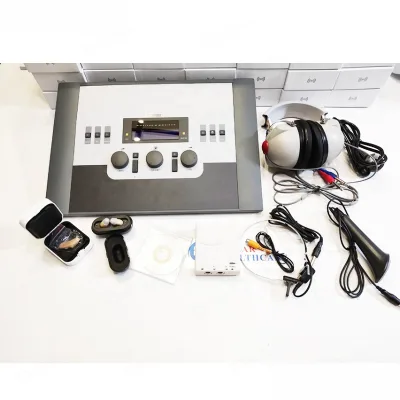
Observed listing signals also reveal variations in customization options and target applications. Some products are listed as non-customized, while others offer customization services, which is crucial for fitting devices to individual ear canal shapes. The application scope frequently includes elderly, adult, and pediatric users, indicating that manufacturers may produce specialized lines for different age groups. Additionally, the market includes related diagnostic tools, such as audiometers, which are essential for fitting and verifying Hearing Aid performance. Buyers must carefully distinguish between therapeutic devices and diagnostic equipment to ensure they are sourcing the correct product category for their needs.
Technical Specifications to Verify
Technical verification begins with understanding the core processing capabilities and physical attributes of the hearing aids. Buyers should verify the signal processing type, ensuring it aligns with the desired performance level, whether it is digital or simulated. Key specifications to confirm include the frequency range, sound gain, and maximum sound output, which directly impact the device's effectiveness. For instance, some listings specify a frequency range of 3004000Hz and a sound gain of 30dB, while others may offer a higher maximum sound output of 105115dB. These parameters must be matched to the specific hearing loss profiles of the end-users.
Physical dimensions and weight are also critical technical factors, particularly for comfort and discretion. Buyers should check the weight of the devices, with some models weighing as little as 11g, and the overall dimensions to ensure they fit the intended form factor, such as BTE or ITE. The working current, often listed around 4mA, is another important electrical specification that affects battery life and device longevity. Additionally, the number of channels, such as 16 channels, can influence the clarity and adaptability of the sound processing. Verifying these specifications against the supplier's datasheets is essential to avoid discrepancies between marketing claims and actual product performance.
Compliance and Safety Documentation
Regulatory compliance is non-negotiable in the Hearing Aid industry, as these devices are classified as medical equipment in many jurisdictions. Buyers must verify that suppliers hold valid certifications, such as CE, ISO, and RoHS, which indicate adherence to European health, safety, and environmental protection standards. The presence of multiple certifications, such as CE, RoHS, and ISO, suggests a robust quality management system, but buyers should always request copies of the certificates and verify their validity with the issuing bodies. Compliance with regional regulations, such as FDA approval in the United States or NMPA registration in China, may also be required depending on the target market.
Safety documentation extends beyond certifications to include material safety and electrical safety standards. Buyers should ensure that the materials used in the hearing aids, such as plastic components, are biocompatible and free from harmful substances. The packaging standards, often listed as carton packaging, should protect the devices during transit and maintain hygiene. Additionally, buyers should verify that the products meet specific electrical safety standards, particularly regarding leakage current and insulation resistance. Requesting test reports from accredited laboratories can provide additional assurance that the devices meet all necessary safety requirements.
Cost Drivers and Commercial Terms
The cost of hearing aids is influenced by several factors, including the complexity of the signal processing, the number of channels, and the level of customization offered. Digital hearing aids with wide dynamic speech processing and multiple channels typically command higher prices than simulated or basic digital models. Buyers should also consider the impact of volume discounts and MOQs, which can range from 1 to 1000 units. Understanding the pricing structure, including any setup fees for customized designs, is essential for accurate budgeting.
Commercial terms such as lead times, payment terms, and shipping methods also affect the total cost of ownership. Buyers should negotiate clear terms regarding production lead times, especially for customized orders, and clarify who is responsible for shipping and insurance costs. It is important to verify whether the listed prices include taxes and duties, particularly for international shipments. Additionally, buyers should inquire about warranty policies and after-sales support, as these can significantly impact the long-term value of the procurement. Clear communication of these terms helps prevent unexpected costs and ensures a smooth transaction process.
Supplier Qualification and Quality Control
Evaluating supplier qualifications is a critical step in mitigating procurement risks. Buyers should assess the supplier's manufacturing capabilities, including their production capacity and quality control processes. Suppliers with ISO certification are generally more reliable, as this indicates a standardized approach to quality management. Buyers should also verify the supplier's experience in the Hearing Aid industry, looking for a track record of successful exports and positive customer feedback. Requesting samples before placing large orders allows buyers to evaluate the product quality firsthand.
Quality control measures should be clearly defined and agreed upon before production begins. Buyers should specify the inspection criteria, including functional tests, aesthetic checks, and packaging integrity. It is advisable to conduct third-party inspections during production or before shipment to ensure that the products meet the agreed-upon standards. Suppliers should provide detailed quality reports, including test results for electrical performance and material safety. Establishing a clear process for handling non-conforming products, such as returns or replacements, is also essential to protect the buyer's interests.
Long-Term Procurement Checks
Long-term procurement success depends on continuous monitoring of supplier performance and product quality. Buyers should establish key performance indicators (KPIs) to track metrics such as on-time delivery, defect rates, and customer satisfaction. Regular audits of the supplier's quality management system can help identify areas for improvement and ensure ongoing compliance with regulatory standards. Building a strong relationship with the supplier through regular communication and feedback can foster collaboration and drive continuous improvement.
Buyers should also stay informed about changes in the Hearing Aid market, including new technologies, regulatory updates, and competitor offerings. This knowledge can help buyers make strategic decisions about product selection and supplier partnerships. Additionally, buyers should review contract terms periodically to ensure they remain favorable and aligned with current market conditions. By maintaining a proactive approach to supplier management and market analysis, buyers can secure a reliable supply of high-quality hearing aids and achieve long-term procurement goals.
FAQs
What signal processing types are available for hearing aids?
The available signal processing types include simulated and digital hearing aids. Some models feature wide dynamic speech processing principles, while others utilize all digital Hearing Aid technology to enhance sound clarity for users.
Which certifications do these Hearing Aid products hold?
The products hold CE, ISO, and RoHS certifications. These standards ensure compliance with safety and environmental regulations, making the devices suitable for international distribution and use in various healthcare settings.
Can I find hearing aids suitable for children and adults?
Yes, the application scope includes elderly, adult, and children users. Specific models are designed as binaural hearing aids with air conduction modes to accommodate different age groups and hearing loss levels effectively.
What is the maximum sound output for high power models?
High power output models provide a maximum sound output ranging from 105 to 115 dB. This capacity ensures sufficient amplification for users with severe hearing loss while maintaining safety standards for daily use.
How are these hearing aids packaged for shipping?
The standard packaging for these products is a carton. This ensures safe transport and protection of the devices during logistics, with specific dimensions varying by model to fit the product securely.
Which Hearing Aid types are available in the product range?
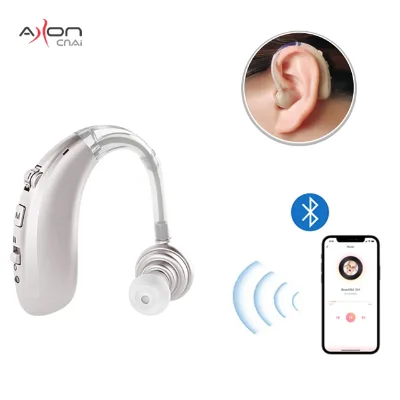
Available types include ear type and BTE (Behind The Ear) configurations. These designs offer different fitting options, with some models featuring specific dimensions like 5.5 by 1.6 by 1 cm for compact wear.
What is the working current consumption for these devices?
The working current consumption is approximately 4 mA. This low power requirement helps extend battery life, making the devices practical for continuous daily use by elderly and adult patients.