Source Heat Resistant Sheepskin Welding Gloves for Pet Care, Gardening, Cleaning
Compare 30 listings of Heat Resistant Sheepskin Welding Gloves designed for pet care, gardening, and household electrical appliance maintenance. Buyers can review specifications like thickness, cuff tightness, and insulation levels to find suitable options for thermal protection and wear resistance.
Key considerations
Products List


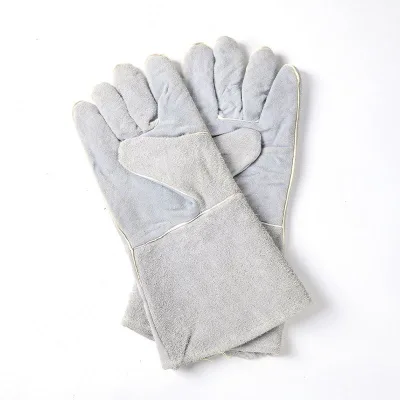
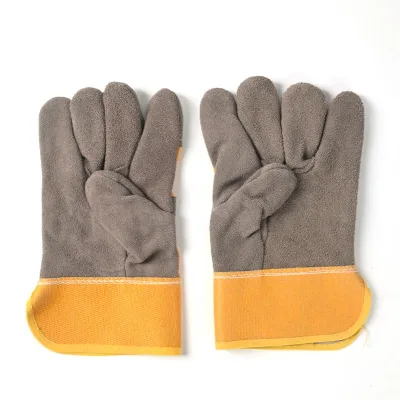


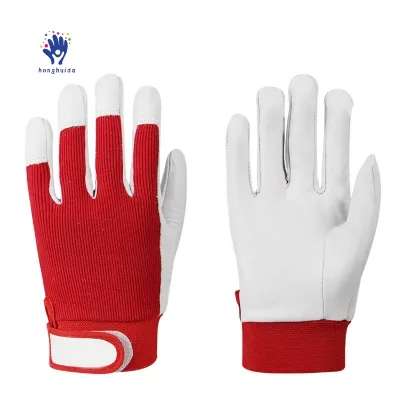
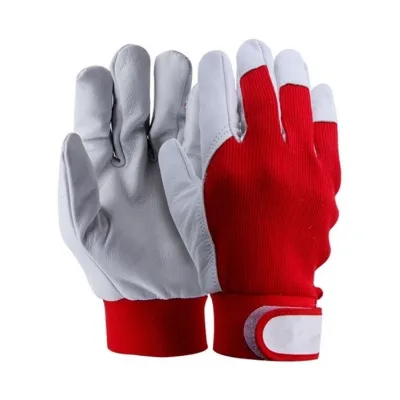


Comprehensive Sourcing Guide
Strategic Sourcing Guide for Heat Resistant Sheepskin Welding Gloves
The procurement of Heat Resistant Sheepskin Welding Gloves requires a disciplined approach that balances material authenticity with functional performance. Buyers in the industrial and manufacturing sectors must navigate a complex landscape where product attributes often vary significantly between listings. The core objective is to secure gloves that provide reliable protection against high temperatures, sparks, and abrasion without compromising dexterity. This guide synthesizes observed market data and technical requirements to help buyers evaluate potential suppliers and products effectively, ensuring that procurement decisions are grounded in verifiable facts rather than marketing assertions.
Material Authenticity and Construction Standards
The foundation of any effective welding glove lies in the outer material. For the specific category of Heat Resistant Sheepskin Welding Gloves, the outer material must be genuine leather to ensure the necessary thermal barrier. Market observations indicate that "Genuine Leather" is a critical specification, often distinguished from synthetic alternatives by its ability to withstand direct contact with molten metal and intense radiant heat. The grade of the leather is another vital factor; listings frequently reference grades such as "a/Ab/Bc," which denote the quality and density of the hide. Higher grades typically offer better durability and resistance to puncture, which is essential in welding environments where sharp metal shards are common.
In addition to the outer shell, the internal construction plays a significant role in thermal insulation. While some products are described as "Thickened" to enhance protection, others may be "Flimsy," indicating a lighter weight suitable for lower-temperature tasks. Buyers must verify the thickness specification against their specific operational needs. A glove that is too thick may hinder fine motor skills required for handling small components, while one that is too thin may fail to protect against sudden heat spikes. The material composition often includes cotton linings, as observed in several product specifications, which provide breathability and comfort during extended wear. The combination of genuine leather and cotton lining creates a balance between protection and user comfort, a standard configuration for professional-grade welding gloves.
Technical Specifications and Functional Attributes
When evaluating Heat Resistant Sheepskin Welding Gloves, buyers must scrutinize specific technical attributes that define the glove's utility. The functional capabilities of these gloves are diverse, ranging from "Anti-Static" and "Anti-scratch" properties to "Heat Insulation" and "Flame Retardant" performance. The presence of "Anti-Radiant Heat" functionality is particularly crucial for welding applications where radiant energy is a primary hazard. These attributes are not merely marketing terms but represent specific engineering choices in the glove's design.
Size and fit are equally important determinants of performance. The market offers a range of sizes, including "L" and "XL," with some products specifying "Medium" or "Long" lengths. The length of the glove is a critical safety feature; "Long" cuffs extend protection up the forearm, shielding the user from sparks that might travel up the sleeve. The cuff tightness also varies, with options for "Loose" or "Tight" fits. A "Tight" cuff may prevent debris from entering the glove, while a "Loose" cuff might offer greater comfort and ease of donning. Buyers should match these specifications to the specific tasks their workforce performs, ensuring that the glove length and cuff style provide adequate coverage for the intended welding processes.
Compliance, Certification, and Safety Verification
Navigating the compliance landscape for industrial safety equipment requires careful verification of certifications and standards. While some product listings mention certifications such as "CE," buyers must understand that the presence of a certification mark does not automatically guarantee compliance with all relevant safety standards. The European standards often cited in this sector include EN 388 for mechanical risks, EN 407 for thermal risks, and EN 12477 for welding gloves. However, these standards are not universally applied to every product in the market.
Buyers should not assume that a product labeled as "heat resistant" automatically meets EN 407 or EN 12477 requirements. Instead, the procurement process must include a direct request for test reports and certification documentation from the supplier. The "Insulation" and "Puncture-Proof" ratings, often denoted by letters like "a" or "B" in product attributes, should be cross-referenced with the specific test criteria of the relevant standard. For instance, a "Puncture-Proof: a" rating indicates a specific level of resistance that must be validated against the actual test data. Without explicit verification, buyers risk purchasing gloves that may not provide the level of protection required for their specific welding environment.
Cost Drivers and Procurement Economics
The cost of Heat Resistant Sheepskin Welding Gloves is influenced by several key factors, including material quality, manufacturing complexity, and order volume. The observed price range in the market spans from $0.12 to $5.00 USD per unit, a wide variance that reflects differences in leather grade, lining material, and construction quality. Lower-priced items may utilize thinner leather or lower-grade cotton linings, while higher-priced options likely feature thicker, more durable hides and enhanced insulation layers.
Minimum Order Quantity (MOQ) is another significant economic driver. The market shows an MOQ range from 10 to 6,000 units. Smaller MOQs, such as 10 or 12 pairs, are suitable for trial orders or small workshops, whereas larger orders of 600 or more units are typical for industrial distributors or large manufacturing facilities. Buyers must balance their immediate needs with the cost benefits of bulk purchasing. Additionally, packaging specifications, such as "120 Pieces/Case" or "60 Pairs/CTN," impact logistics and storage costs. The gross weight of the product, often around 15kg per case, also influences shipping expenses. Understanding these cost drivers allows buyers to negotiate more effectively and select suppliers that offer the best value for their specific volume requirements.
Supplier Evaluation and Operational Capabilities
Selecting the right supplier involves more than just comparing prices; it requires a comprehensive evaluation of the supplier's capabilities and reliability. Geographic origin is a relevant factor, with products originating from regions such as Tianjin, Shandong, and China generally. While these locations are known for manufacturing textiles and leather goods, buyers should verify the specific factory capabilities and quality control processes. The "Customization" attribute, including options for "Custom Logo" and specific packing requirements, indicates a supplier's flexibility. However, customization capabilities should be confirmed with a detailed request for samples and production timelines.
Supplier reliability is further assessed through their response to technical inquiries and their ability to provide consistent product specifications. The "prod_model" identifiers, such as "Red Gloves," "RL-L01," "D 027," and "007," serve as unique references for specific product lines. Buyers should ensure that the model number corresponds to the exact specifications required, as variations in model numbers can indicate differences in material or construction. Additionally, the "Service" attribute, which may include custom logo printing, suggests a level of partnership that can be valuable for branding and inventory management.
Quality Control and Long-Term Procurement Strategy
Implementing a robust quality control strategy is essential for maintaining the safety and performance of Heat Resistant Sheepskin Welding Gloves. Buyers should establish clear acceptance criteria based on the observed specifications, such as "Genuine Leather" outer material, "Thickened" construction, and specific "Function" attributes like "Flame Retardant." Regular sampling and testing are necessary to verify that the gloves meet these criteria consistently. The "Usage" attributes, including "Pet Care," "Household Electrical Appliances," "Cleaning," and "Gardening," highlight the versatility of these gloves, but buyers must ensure that the specific welding applications are the primary focus of the product design.
Long-term procurement considerations involve building a sustainable relationship with suppliers who can deliver consistent quality over time. The "prod_packing" standards, such as "1 pair/pp bag" or "12 pairs/dozen," should be standardized to ensure efficient handling and storage. Furthermore, the "User" demographic, typically "Adult," must be considered when selecting sizes and fits to ensure comfort and safety for all workers. By focusing on these long-term factors, buyers can mitigate risks associated with supply chain disruptions and ensure a steady supply of high-quality protective equipment.
Application-Specific Selection Criteria
The final step in the sourcing process is matching the glove specifications to the specific application requirements. While the core keyword focuses on welding, the observed "Usage" attributes suggest that these gloves are also suitable for "Household Electrical Appliances," "Cleaning," and "Gardening." This versatility means that a single product line may serve multiple departments within an organization. However, the primary function for welding—protection against heat, sparks, and abrasion—must remain the priority.
Buyers should create a matrix of applications and corresponding glove specifications. For high-heat welding tasks, "Thickened" gloves with "Genuine Leather" and "Flame Retardant" properties are essential. For lighter tasks involving electrical appliances or gardening, "Flimsy" or "Medium" thickness gloves may suffice, provided they still offer adequate "Anti-scratch" and "Anti-Static" protection. By aligning the glove specifications with the specific hazards of each task, buyers can optimize safety and cost-efficiency across their entire operation. This strategic approach ensures that the procurement of Heat Resistant Sheepskin Welding Gloves is not just a transaction but a critical component of workplace safety and operational efficiency.
FAQs
What outer material is required for Heat Resistant Sheepskin Welding Gloves?
The outer material must be genuine leather to ensure thermal barrier performance. Market observations confirm that genuine leather withstands direct contact with molten metal and intense radiant heat better than synthetic alternatives.
Which thickness options are available for these protective gloves?
Products are available in both thickened and flimsy thickness specifications. Buyers must verify the thickness against operational needs, as thickened versions offer higher protection while flimsy ones suit lower-temperature tasks.
Can buyers request custom logo services for these gloves?
Yes, customization services including custom logo printing are available for these products. This flexibility allows buyers to brand the gloves, though specific production timelines and minimum order quantities should be confirmed with the supplier.
What certifications are typically associated with these industrial gloves?
Some listings indicate CE certification as a standard compliance mark. However, buyers must request specific test reports to verify compliance with thermal standards like EN 407, as certification presence does not guarantee all safety criteria are met.
How does the minimum order quantity vary for these gloves?
The minimum order quantity ranges from 10 to 6000 units depending on the supplier. Smaller MOQs suit trial orders, while larger volumes are typical for industrial distributors seeking cost benefits through bulk purchasing.
What size options are offered for adult users?
Sizes including L and XL are commonly available for adult users. Some products also specify medium or long lengths to ensure adequate forearm coverage and protection against sparks traveling up the sleeve.