Source Anti-Static ESD Grounding Mat for Industrial, SMT, and Printing
Compare 30 Anti-Static ESD Grounding Mat options from verified Chinese suppliers. Buyers can evaluate natural and synthetic rubber materials, thickness ranges, and certifications like RoHS and ISO for industrial, SMT, and printing applications; compare the available evidence and request quotations based on your requirements.
Key considerations
Products List


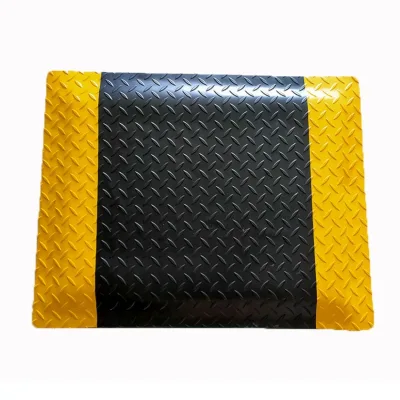
Static Dissipative PVC Conductive Rubber Layer Anti-Static ESD Mat 3 Layers
$3.00 - $10.00
MOQ: 5 Pieces


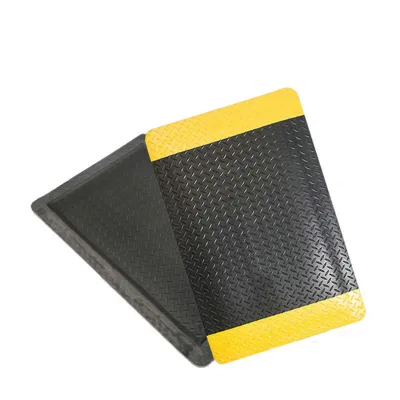
Anti-Static ESD Table Mat Floor Mats for Electronic Working Bench
$5.50 - $10.00
MOQ: 1000 Square Meters



Comprehensive Sourcing Guide
Anti-Static ESD Grounding Mat Sourcing Guide
Procuring anti-static ESD grounding mats requires a precise understanding of material composition and surface resistance properties to ensure effective static dissipation in sensitive environments. Buyers must distinguish between pure gum rubber sheets and composite structures, such as metal frame layer rubber sheets, which offer varying degrees of durability and electrical performance. The core function of these mats is to safely bleed off static charges, typically maintaining surface resistance within the range of $10^6$ to $10^9$ ohms, while keeping friction electrostatic charge below 100V. This specific electrical profile is critical for protecting electronic components in SMT production lines, printing workshops, and computer rooms where combustible or explosive areas demand rigorous safety standards.
Selection also hinges on the intended industrial application, whether for general flooring, rubber floor covering, or specialized maintenance rooms. Natural rubber and nitrile rubber are common base materials, often combined with pads to enhance comfort and insulation. Buyers should verify if the product is designed as a standalone mat or part of a larger industrial rubber slab system. The presence of features like heat resistance, corrosion resistance, and impact resistance indicates suitability for heavy-duty industrial settings. Understanding these material distinctions helps procurement teams align product specifications with the operational demands of their specific facility, ensuring both safety and longevity in high-traffic or chemically exposed areas.
Product Scope and Observed Listing Signals
The current market landscape for anti-static ESD grounding mats reveals a diverse range of product configurations, primarily originating from manufacturing hubs in China, including Shanghai and Anhui. Listings frequently highlight customization options, allowing buyers to tailor dimensions and specifications to their unique facility layouts. Common standard sizes observed include 0.6x10m, 0.9x10m, and 1x10m rolls, with thicknesses ranging from 1.7mm to 5mm for standard applications, and up to 100mm for heavy-duty industrial slabs. The medium often cited is pure gum rubber sheet or fabric, providing a reliable base for static dissipation, while other variants may incorporate synthetic rubber or nitrile rubber for enhanced chemical resistance.
Packaging methods vary significantly based on product size and weight, with options including bags, woven bags, film packaging, pallets, and wooden cases to ensure safe transit. Some listings specify custom packing solutions, indicating flexibility in logistics planning. The condition of the products is consistently listed as new, and surface finishes are available in both matt and glossy options, which may influence slip resistance and aesthetic integration into the workspace. Buyers should note that while many products are described as waterproof, the primary focus remains on electrical insulation and static control. Understanding these listing signals helps in filtering suppliers who can meet specific logistical and technical requirements without compromising on the core anti-static functionality.
Technical Specifications to Verify
When evaluating technical specifications, thickness is a primary determinant of performance and durability, with common options including 1.7mm, 1.8mm, 2mm, 3mm, and 5mm for standard mats, while industrial slabs may range from 1mm to 50mm or even up to 70mm. Hardness is another critical parameter, typically measured in Shore A, with ranges often falling between 30 and 90 Shore A, or 40 to 90±5 Shore A, depending on the desired balance between comfort and wear resistance. Buyers must verify the exact resistance values to ensure they align with ESD standards, as the goal is to provide a controlled path for static discharge rather than complete insulation. Surface resistance should be confirmed to be within the dissipative range, ensuring that static charges are safely grounded without creating a shock hazard.
Dimensions and form factors also require careful verification, as products may be supplied in fixed sizes like 910x910x16mm or custom lengths ranging from 1 to 50 meters with widths from 0.5 to 2 meters. The model numbers, such as 0097 or thickness-specific codes, can help in identifying specific product lines and their associated performance characteristics. Additionally, the presence of a metal frame layer in some rubber sheets suggests enhanced structural integrity, which may be necessary for high-impact environments. Buyers should request detailed technical datasheets that confirm these specifications, ensuring that the selected mats meet the precise electrical and mechanical requirements of their facility.
Compliance and Safety Documentation
Compliance with international standards is essential for ensuring the safety and reliability of anti-static ESD grounding mats in industrial settings. Certifications such as RoHS, ISO, GS, CE, and CCC are commonly cited, indicating adherence to environmental, quality, and safety regulations. These certifications provide assurance that the materials used are free from hazardous substances and that the manufacturing processes meet recognized quality benchmarks. Buyers should verify the validity and scope of these certifications, ensuring they cover the specific product variants being procured. Documentation should clearly state the testing methods and standards applied, providing transparency into the product's performance and safety profile.
In addition to certifications, buyers should request test reports that confirm the electrical properties of the mats, such as surface resistance and volume resistivity. These reports are crucial for validating that the mats will perform as expected in static-sensitive environments. The ability to customize standards and specifications suggests that suppliers can adapt to specific regulatory requirements, but this must be confirmed through documented evidence. Buyers should also inquire about the origin of raw materials, such as natural rubber or synthetic rubber, to ensure supply chain transparency and consistency. Proper documentation not only facilitates regulatory compliance but also supports internal safety audits and risk management protocols.
Cost Drivers and Commercial Terms
Cost variations in anti-static ESD grounding mats are influenced by several factors, including material composition, thickness, and customization requirements. Natural rubber and nitrile rubber are premium materials that may command higher prices due to their superior performance characteristics, such as heat and corrosion resistance. Thicker mats and those with specialized features, like metal frame layers, also tend to be more expensive. Buyers should consider the total cost of ownership, which includes not only the initial purchase price but also installation, maintenance, and replacement costs over the product's lifespan. Customization options, such as specific sizes or packaging, may incur additional charges, so it is important to clarify these costs upfront.
Minimum order quantities (MOQs) and lead times are significant commercial terms that affect procurement planning. MOQs can range from 1 to 1000 units, depending on the supplier and product type, with larger orders potentially benefiting from volume discounts. Lead times may vary based on production capacity and customization needs, so buyers should establish clear timelines to avoid project delays. Payment terms and shipping methods, such as pallets or wooden cases, also impact the overall cost and logistics. Understanding these commercial terms helps buyers negotiate favorable conditions and manage cash flow effectively, ensuring that the procurement process aligns with budgetary constraints and operational schedules.
Supplier Qualification and Quality Control
Supplier qualification is a critical step in ensuring the reliability and consistency of anti-static ESD grounding mats. Buyers should assess suppliers based on their manufacturing capabilities, quality control processes, and track record in the industry. Suppliers with certifications such as ISO and RoHS demonstrate a commitment to quality and environmental responsibility. It is important to verify that the supplier has robust quality control measures in place, including regular testing of electrical properties and material integrity. Buyers should request samples for evaluation before placing large orders, allowing them to assess the product's performance and suitability for their specific application.
Communication and responsiveness are also key indicators of supplier reliability. Suppliers who provide detailed technical support and clear documentation are more likely to deliver products that meet expectations. Buyers should inquire about the supplier's ability to handle custom orders and their process for addressing quality issues or returns. Establishing a clear communication channel ensures that any concerns can be addressed promptly, minimizing disruption to operations. Additionally, buyers should consider the supplier's location and logistics capabilities, as these factors can impact delivery times and costs. A thorough evaluation of supplier qualifications helps mitigate risks and ensures a successful procurement outcome.
Long-Term Procurement Checks
Long-term procurement success depends on regular monitoring of product performance and supplier reliability. Buyers should establish a schedule for periodic inspections and testing of installed anti-static ESD grounding mats to ensure they continue to meet electrical and safety standards. Over time, factors such as wear, tear, and environmental exposure can degrade the performance of the mats, necessitating timely replacement or maintenance. Buyers should work with suppliers to develop a maintenance plan that includes cleaning procedures and performance checks, extending the lifespan of the products and ensuring consistent static control.
Feedback loops with suppliers are essential for continuous improvement and addressing any emerging issues. Buyers should provide feedback on product performance and supplier service, fostering a collaborative relationship that benefits both parties. Regular reviews of commercial terms and market conditions can help buyers identify opportunities for cost savings or process improvements. Additionally, staying informed about industry trends and technological advancements can help buyers make informed decisions about future procurement needs. By maintaining a proactive approach to long-term procurement checks, buyers can ensure the ongoing safety and efficiency of their facilities.
FAQs
What materials are used for anti static esd grounding mats?
These mats are primarily made from natural rubber or synthetic rubber with a pad layer. Some variants use pure gum rubber sheets, while others feature metal frame layers. The material choice ensures durability and specific electrical properties for industrial environments.
Can I customize the size and thickness of these mats?
Yes, customization is available for both size and thickness. Products come in standard thicknesses like 1.7mm to 5mm, with ranges extending up to 100mm. Buyers can request specific dimensions such as 0.6 by 10 meters or custom sizes to fit their workspace requirements.
Which certifications do these rubber mats typically hold?
Common certifications include RoHS, ISO, GS, CE, and CCC. These standards verify that the mats meet safety and environmental requirements for industrial use. Buyers should verify specific certification documents with suppliers to ensure compliance with local regulations.
How does the mat handle static electricity and resistance?
The mats provide resistance ranging from 10 to the 6th power to 10 to the 9th ohms. They effectively reduce friction electrostatic charge to below 100 volts. This performance makes them suitable for sensitive electronic component maintenance rooms and explosive areas.
What features make these mats suitable for industrial use?
These mats offer heat resistance, corrosion resistance, and cold resistance alongside insulating properties. They are also impact-resistant and waterproof, ensuring longevity in harsh environments. The surface can be finished as either matte or glossy depending on the specific application needs.
How are these mats packaged for shipping and delivery?
Packaging options include bags, woven bags, film packaging, pallets, and wooden cases. Some products are shipped in cast packaging or standard bags. Custom packaging is available to protect the mats during transit and meet specific logistical requirements for large industrial orders.