Source Moldable Swimming Earplugs for Swimming Sleeping and Work
Compare 30 listings of Moldable Swimming Earplugs designed for swimming, sleeping, and industrial work. Buyers can evaluate noise reduction ratings, certifications, and customization options to find the right fit for their needs; compare the available evidence and request quotations based on your requirements.
Key considerations
Products List

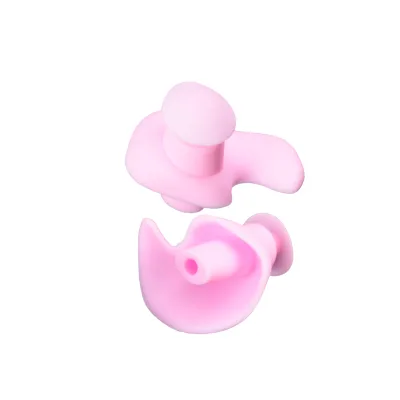
Swimming Ear Plugs for Adults, Waterproof Reusable Silicone Swim Earplugs
$0.69 - $0.99
MOQ: 500 Pairs


Adult Waterproof Nose Clip Silicone Swimming for Under Water Swim Earplugs
$0.10 - $0.11
MOQ: 200000 Pieces




Comprehensive Sourcing Guide
Moldable Swimming Earplugs Sourcing Guide
Procurement teams must first distinguish between disposable foam variants and reusable silicone options when sourcing Moldable Swimming Earplugs. The observed product data indicates a strong prevalence of silicone materials, which offer superior durability and reusability compared to single-use alternatives. Buyers should prioritize suppliers who explicitly state "Non-Disposable" status to ensure the product aligns with long-term usage requirements for swimmers and water sports enthusiasts.
The market signals reveal a diverse range of customization options, including logo printing and specific color selections like yellow, orange, blue, and purple. This flexibility allows brands to create private-label products that meet specific aesthetic or safety color-coding needs. However, buyers must verify that the "moldable" attribute is paired with the correct hardness rating, as the data notes a "Soft" hardness profile essential for a comfortable, watertight seal in the ear canal.
Product Scope and Observed Listing Signals
The available product listings demonstrate a clear segmentation between wired and wireless electronic hearing protection and passive moldable earplugs. While some entries list high Noise Reduction Ratings (NRR) of 31dB or 33dB, these figures often correspond to electronic headsets rather than simple silicone earplugs. Sourcing guides must clarify that passive moldable earplugs typically rely on physical compression rather than active noise cancellation, and buyers should not conflate the NRR of electronic devices with the passive attenuation of silicone plugs.
Packaging variations observed in the market range from individual polybags to standard export cartons and retail boxes. This variance impacts the final landed cost and the readiness of the product for retail display. Buyers should explicitly define their packaging requirements during the inquiry phase, as the data shows options for both bulk carton shipping and individual box packaging with logo printing capabilities.
Technical Specifications to Verify
Verification of the physical dimensions is critical for ensuring a proper fit across different ear canal sizes. The supplied data lists specific standard sizes such as 12.5x25.5mm and 14x31mm, which serve as reference points for the moldable material's expanded state. Procurement teams must request detailed dimensional charts from suppliers to confirm that the compressed and expanded sizes of the silicone plugs will accommodate the target demographic, particularly for adult users.
The functional attributes of the product must be rigorously tested to confirm claims of waterproofing and noise reduction. The data indicates that these products are designed for applications like swimming or sleeping, requiring a material that remains pliable when wet. Buyers should demand test results or material safety data sheets that confirm the silicone does not degrade in chlorinated water and maintains its seal integrity after repeated molding and cleaning cycles.
Compliance and Safety Documentation
Safety compliance is a primary concern for products entering the ear canal, and the observed listings frequently cite certifications such as CE, ISO, and FDA. These certifications indicate that the materials used meet specific regional safety standards for medical or consumer contact. Buyers must verify that the specific batch of silicone earplugs carries the relevant certification marks, as the data shows some products are certified for general use while others may have specific medical or industrial clearances.
Regional standards like ANSI and AS/NZS are also present in the product data, suggesting that compliance requirements vary significantly by destination market. A product certified in China may not automatically meet the specific regulatory thresholds for the United States or Australia without additional testing. Procurement teams should ensure that the supplier provides valid, up-to-date certification documents that correspond to the specific model number and intended market of the order.
Cost Drivers and Commercial Terms
The observed price range of 0.01 to 13.99 USD highlights a significant disparity based on product complexity and customization levels. Lower-priced items likely represent basic, non-branded silicone plugs, while higher prices may reflect advanced features like integrated electronics or complex packaging. Buyers should analyze the unit cost against the required customization, such as logo printing or specific color runs, to determine the true value proposition of each supplier quote.
Minimum Order Quantities (MOQ) observed in the market span from 50 to 200,000 units, creating a wide spectrum of entry barriers for different business sizes. Small retailers may find the lower MOQs accessible, whereas large distributors might negotiate better rates at the higher volume tiers. It is essential to align the order volume with the supplier's production capacity and lead times, as the data suggests that high-volume orders may require different logistical planning than small batch customizations.
Supplier Qualification and Quality Control
Supplier qualification should focus on their ability to maintain consistent material quality for moldable silicone products. The data indicates that "Brand New" condition is standard, but buyers must verify the manufacturing process to ensure the silicone does not contain harmful plasticizers or allergens. Requesting samples for physical stress testing, such as repeated stretching and molding, is a necessary step to confirm that the product retains its shape and sealing properties over time.
Quality control protocols must address the variability in color and size that can occur during mass production. The observed color options include black, grey, green, white, blue, and purple, which require strict color matching standards to prevent batch inconsistencies. Buyers should establish clear acceptance criteria for color variance and dimensional tolerance, ensuring that the final product meets the visual and functional expectations set forth in the initial product specifications.
Long-Term Procurement Checks
Sustainable procurement requires monitoring the supplier's ability to maintain consistent supply chains for raw silicone materials. Fluctuations in raw material costs or availability can impact the final price and delivery schedules, making it vital to establish long-term contracts with clear terms for price adjustments. Buyers should also verify the supplier's track record for meeting delivery deadlines, as the data shows a wide range of potential lead times depending on order volume and customization complexity.
Regular audits of the supplier's quality management systems are essential to ensure ongoing compliance with safety and performance standards. The market data suggests that certifications like CE and ISO are common, but these must be actively maintained and renewed. Procurement teams should schedule periodic reviews of the supplier's production lines and quality control records to ensure that the moldable earplugs continue to meet the required specifications for waterproofing, softness, and noise reduction over the life of the contract.
FAQs
Can Moldable Swimming Earplugs be customized with a logo?
Yes, customization is available for these earplugs, including logo printing options. Buyers can request specific branding to enhance product visibility. The items are brand new and made from soft silicone material. This feature allows businesses to create unique inventory for swimming or sleeping applications while maintaining high comfort and noise reduction standards.
What certifications do these silicone earplugs hold?
These earplugs hold various certifications including CE, FDA, ISO, ANSI, and AS/NZS standards. Different models may carry specific compliance marks depending on the manufacturer. These certifications ensure the products meet international safety and quality requirements. Buyers should verify the exact certification list for each specific model before procurement to ensure regulatory compliance in their target markets.
What is the noise reduction rating for these earplugs?
The noise reduction ratings vary by model, with NRR values ranging from 28dB to 33dB. Some models specify SNR values around 29dB or 31dB. These ratings indicate effective sound dampening for swimming or sleeping. Buyers should check the specific model specifications to determine the exact attenuation level suitable for their intended use case and environment.
Are these earplugs disposable or reusable?
These earplugs are generally non-disposable and designed for repeated use. They are made from soft, flexible silicone that maintains its shape after molding. This durability makes them suitable for regular swimming or sleeping applications. Buyers can expect long-term usability, reducing the need for frequent replacements compared to traditional foam or wax alternatives.
What packaging options are available for bulk orders?
Packaging options include individual boxes, polybags, and standard export cartons. Some models come in single boxes while others use carton packaging for bulk shipments. The specific packing method depends on the product model and supplier capabilities. Buyers should confirm the packaging details during sourcing to ensure proper protection and compliance with their logistics requirements.
Where are these earplugs manufactured?
These earplugs are manufactured in China, with specific origins noted in Zhejiang province. The production facilities adhere to international standards and certifications. Buyers can source directly from these regions to access competitive pricing and reliable supply chains. The Chinese manufacturing base offers extensive customization capabilities and diverse product models for global procurement needs.