Source Tactical Armor Plate for Military, Law Enforcement, Security
Compare 27 Tactical Armor Plate options from verified Chinese manufacturers. Buyers can evaluate models like BP5 and BP8, noting materials such as UHMWPE and ceramic, protection levels up to NIJ IV, and customization features for military, law enforcement, and security applications.
Key considerations
Products List


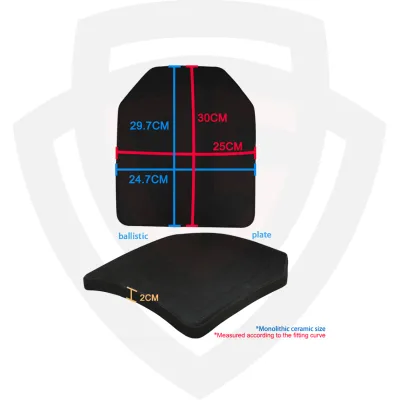


Nij III Tactical Plate Multi-Curved Tactical Plate PE+Alumina Hap Ceramictactical Plate
$30.00 - $80.00
MOQ: 2000 Pieces
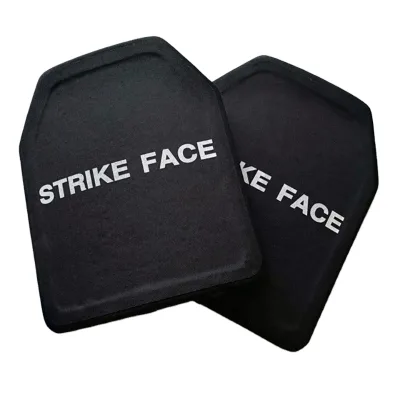


Ga Grade 6 Alumina Silicon Carbide Composite PE Protective Tactical Plate
$35.00 - $37.00
MOQ: 200 Pieces


Comprehensive Sourcing Guide
Tactical Armor Plate Sourcing Guide
Procuring tactical armor plates requires a disciplined approach to balancing ballistic protection with operational mobility. Buyers must first define the specific threat environment to determine the necessary protection level, ranging from NIJ III for rifle threats to NIJ IV for armor-piercing rounds. The observed market data indicates a wide variance in product specifications, with models such as BP5, BP04, and BP02 offering distinct weight and dimension profiles. Understanding these variations is critical for selecting plates that fit within existing carrier systems while meeting mission-specific durability requirements.
Material composition plays a pivotal role in performance and longevity. The supply chain features plates constructed from Polyethylene (PE) and advanced composites like UHMWPE combined with Ceramic or Aluminum Oxide (Al2O3). Each material offers unique advantages; ceramic provides superior hardness for defeating high-velocity projectiles, while UHMWPE offers lighter weight and multi-hit capabilities in certain configurations. Sourcing teams must verify the exact material blend to ensure the plate meets the intended ballistic standard without exceeding weight limits for extended wear.
Product Scope and Observed Listing Signals
The current market landscape for tactical armor plates exhibits significant diversity in physical attributes and customization options. Listings reveal a broad color palette, predominantly featuring Black and Gray finishes, with options for customized logos and branding to suit organizational needs. The observed product range includes various models, each with distinct dimensions such as 250mm x 300mm or specific thicknesses like 13mm. Buyers should note that while some products are described with German-style aesthetics, the primary focus remains on functional ballistic performance and standard compliance rather than stylistic elements.
Packaging and origin details provide insight into supply chain logistics and quality control expectations. Most products originate from major manufacturing hubs in China, including Shanghai, Guangdong, and Beijing, indicating a concentrated industrial base for ballistic production. Standard export paper cartons or customized packaging are commonly used, with dimensions like 30x25x10 cm suggesting efficient palletization for bulk shipments. Procurement specialists should verify if the packaging meets specific environmental protection standards, especially for products claiming waterproof and damp-proof features for long-term storage.
Technical Specifications to Verify
Weight is a critical specification that directly impacts operator fatigue and mobility. Observed data shows a wide range, from approximately 1.6 kg for lighter models to over 4 kg for heavier, high-protection variants. Buyers must cross-reference the stated weight with the protection level, as NIJ IV plates typically require more mass or denser materials than NIJ III options. It is essential to confirm whether the weight includes any additional coatings or if it represents the bare plate weight, as this distinction affects the total load carried by the end-user.
Dimensional accuracy and shape are equally vital for proper fit within tactical vests. Plates are available in single or multi-curve designs, with some featuring a double arc shape to enhance ergonomic comfort and coverage. Standard sizes like 250x300 mm are common, but customization is frequently available to match specific carrier dimensions. Procurement teams should request detailed technical drawings to verify that the plate’s curvature and edge tolerances align with the intended body armor system, ensuring no gaps in protection or interference with movement.
Compliance and Safety Documentation
Verifying adherence to recognized ballistic standards is non-negotiable for tactical gear procurement. The market includes products claiming compliance with NIJ III, NIJ IV, and NIJ IIIA standards, each corresponding to different threat levels. Buyers must insist on valid test reports from accredited laboratories to confirm that the plates have been independently tested against the claimed standards. Relying solely on manufacturer assertions without third-party validation exposes organizations to significant liability and operational risk in high-threat environments.
Documentation should also cover material safety and environmental compliance. While the primary focus is ballistic performance, buyers should inquire about the chemical composition of binders and coatings, especially for plates using ceramic or UHMWPE. Ensuring that the manufacturing process adheres to international environmental regulations can facilitate smoother customs clearance and distribution. Additionally, verifying that the product labeling clearly states the protection level and model number helps in maintaining accurate inventory records and simplifies future replacement orders.
Cost Drivers and Commercial Terms
Pricing for tactical armor plates varies significantly based on material complexity, protection level, and order volume. The observed price range spans from $16 to $400, reflecting the disparity between basic PE plates and high-end ceramic-UHMWPE composites. Minimum Order Quantities (MOQs) also fluctuate, ranging from single units for sampling to 2,000 pieces for large-scale deployments. Buyers should negotiate tiered pricing structures that reward larger commitments while ensuring that quality control measures are not compromised by high-volume production pressures.
Commercial terms must address logistics, payment security, and after-sales support. Given the international nature of the supply chain, Incoterms should be clearly defined to allocate responsibility for shipping and insurance. Buyers should also clarify the lead times for both standard and customized orders, as logo customization or non-standard dimensions may extend production schedules. Establishing clear return policies for defective units and warranty terms for material degradation ensures that the procurement investment is protected over the product’s lifecycle.
Supplier Qualification and Quality Control
Supplier qualification begins with verifying manufacturing capabilities and quality management systems. Buyers should prioritize suppliers with established production lines for ballistic materials, as evidenced by the concentration of manufacturers in specialized industrial regions. Requesting samples for independent testing is a crucial step to validate claims regarding weight, dimensions, and ballistic performance. Suppliers who proactively provide test data and material certifications demonstrate a higher level of transparency and reliability.
Quality control processes should be integrated into the procurement agreement to ensure consistency across batches. Buyers must specify inspection criteria for surface defects, edge integrity, and dimensional accuracy before shipment. Implementing a pre-shipment inspection protocol can prevent the receipt of substandard products that may fail in critical situations. Additionally, establishing a direct communication channel with the supplier’s quality assurance team facilitates rapid resolution of any discrepancies that arise during the delivery process.
Long-Term Procurement Checks
Long-term success in sourcing tactical armor plates depends on continuous monitoring of product performance and supplier reliability. Buyers should track field feedback from end-users regarding comfort, durability, and ease of maintenance. Plates claiming a five-year durability should be evaluated for signs of delamination or coating degradation over time. Regular audits of supplier production practices help ensure that quality standards are maintained as order volumes scale up or as product designs evolve.
Supply chain resilience is another key consideration for long-term procurement strategies. Diversifying suppliers across different geographic regions can mitigate risks associated with geopolitical tensions or logistical disruptions. Buyers should also stay informed about updates to ballistic standards and emerging materials that may offer improved performance. Maintaining a dynamic procurement strategy allows organizations to adapt to changing threat landscapes and technological advancements, ensuring that their tactical gear remains effective and compliant over time.
FAQs
What materials are used for these tactical armor plates?
The plates are constructed from UHMWPE and Ceramic materials, specifically Al2O3, to ensure high security and durability. Some variants also utilize standard PE materials for different protection levels. These combinations provide reliable ballistic protection suitable for adult users in various tactical scenarios.
Which protection levels are available for these hard armor plates?
Available protection levels include NIJ IIIA, NIJ IV, and NIJ III/IV standards depending on the specific model. The plates are designed to meet high security requirements, with some models offering waterproof and damp-proof features for long-term durability up to five years of use.
Can I customize the logo and color of the Tactical Armor Plate?
Yes, customization is available for both the logo and color options. Buyers can request specific colors like black or gray, and the logo can be customized according to client requirements. This flexibility allows for tailored solutions while maintaining the high quality and standard export packaging.
What are the weight and dimensions of the Tactical Armor Plate models?
Weights range from approximately 1.6 kg to 4 kg depending on the model and protection level. Dimensions vary, with common sizes including 250mm by 300mm or 215mm by 267mm by 9mm. Specific models like BP5 and BP8 offer different weight profiles to suit various operational needs.
How is the Tactical Armor Plate packed for export?
The plates are packed in standard export paper cartons or customized cartons as per customer request. Some shipments utilize cartons and pallets for secure transport. The packaging dimensions are typically around 30x25x10 cm, ensuring safe delivery while maintaining the integrity of the high-quality ballistic plates.
Where are these tactical armor plates manufactured and what is the origin?
These products originate from China, with specific manufacturing locations including Shanghai, Peking, and Guangdong. The brand names associated with these plates include Xinxing and DS. The origin ensures access to established supply chains and high-quality production standards for global buyers.
What is the minimum order quantity for tactical armor plates?
The minimum order quantity ranges from 1 to 2000 units depending on the specific supplier and product configuration. This flexibility accommodates both small procurement needs and large-scale orders. Buyers should verify the exact MOQ with the manufacturer to ensure it aligns with their specific sourcing requirements.