Source Heat Seal Coffee Bean Bag for Food, Gift, and Retail
Source Heat Seal Coffee Bean Bag options from 30 verified listings. Compare specifications like aluminum foil construction, FDA certification, and customizable sizes to find the right packaging for your brand needs; compare the available evidence and request quotations based on your requirements.
Key considerations
Products List


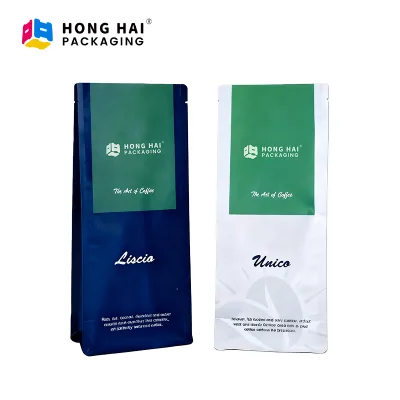


Custom Stand up Pouch Flat Bottom Coffee Bean Bag Valve Coffee Bag Zipper
$0.05 - $0.11
MOQ: 100 Pieces


Comprehensive Sourcing Guide
Heat Seal Coffee Bean Bag Sourcing Guide
Procuring heat seal coffee bean bags requires identifying suppliers who specialize in foil-based laminates capable of preserving aroma and freshness. The observed market data indicates a strong focus on aluminum foil structures, which provide essential barriers against moisture and oxygen. Buyers must verify that the sealing method aligns with high-temperature heat sealing processes to ensure a hermetic closure that prevents gas escape. This specific sealing technology is critical for maintaining the quality of roasted beans during transit and storage.
The product listings reveal a diverse range of sizes and customization options, from standard dimensions to fully bespoke requirements. While some entries suggest biodegradable features, the primary material composition observed is aluminum foil or laminated plastic structures. Sourcing teams should prioritize suppliers who explicitly confirm the material structure matches the specific barrier needs of their coffee product. Understanding the distinction between flat pouches and upright bags is essential for selecting the right format for retail display or bulk distribution.
Product Scope and Observed Listing Signals
The core product category encompasses three-side seal bags designed primarily for food packaging applications, including coffee, medical, and cosmetic uses. Listings indicate that these bags are available in various thicknesses, ranging from 0.1 mm to 0.4 mm, with specific observations of 120-130 micron structures. Buyers should note that while some data points suggest biodegradable features, the dominant material profile is aluminum foil or laminated plastic, requiring careful verification of the specific film composition for sustainability claims.
Commercial signals show a wide MOQ range from 100 to 50,000 units, allowing flexibility for both small startups and large-scale distributors. The observed price points are extremely low, suggesting these figures may represent unit costs for bulk orders or specific promotional tiers rather than standard retail pricing. Procurement teams must clarify the exact volume required to access competitive pricing, as the cost structure likely shifts significantly between the lower and upper ends of the observed quantity spectrum.
Technical Specifications to Verify
Thickness and material structure are the primary technical variables that determine the barrier performance of the coffee bag. The observed data lists multiple thickness options, including 0.12 mm, 0.16 mm, and 0.3 mm, alongside a specific observation of 120-130 microns. Buyers must confirm the exact micron count required for their specific coffee roast profile, as thicker laminates generally offer superior protection against oxygen and moisture ingress. Verifying the material structure is crucial, as some listings specify aluminum foil while others mention generic laminated materials.
Sealing integrity and printing capabilities are equally critical for brand identity and product safety. The observed sealing method is heat-sealing, which requires precise temperature control during the manufacturing process to avoid weak points. Additionally, printing options include pad printing and silk screen printing, with customization available based on buyer requirements. Sourcing teams should request physical samples to test the seal strength and verify that the printed graphics adhere properly to the foil or plastic surface without cracking during handling.
Compliance and Safety Documentation
Food safety compliance is non-negotiable when sourcing packaging for consumable products like coffee beans. The observed listings reference FDA, EU, and ISO certifications, indicating that reputable suppliers should possess documentation proving their materials meet international food contact standards. Buyers must request current certificates of compliance to ensure the packaging does not leach harmful substances into the product. Relying on general claims without verified documentation poses a significant risk to brand reputation and regulatory standing.
Beyond food safety, environmental claims require rigorous substantiation given the mixed material nature of foil and plastic laminates. While some product attributes mention biodegradable features, the primary material observed is aluminum foil or plastic, which often complicates recycling and biodegradation. Procurement teams should demand specific test reports or third-party verification for any environmental claims. Without clear evidence, assuming a product is biodegradable based on a single attribute listing can lead to misleading marketing and potential regulatory scrutiny.
Cost Drivers and Commercial Terms
Material costs and order volume are the primary drivers influencing the final price of heat seal coffee bags. The observed MOQ range spans from 100 to 50,000 units, suggesting that unit costs will decrease significantly as order quantities increase. Buyers should negotiate based on their projected annual volume to secure better pricing tiers. Additionally, the complexity of the material structure, such as the inclusion of aluminum foil versus standard plastic, will directly impact the base cost per unit.
Customization requirements, including specific sizes, colors, and printing methods, introduce additional variables into the commercial equation. The observed data confirms that sizes, colors, and logos are customizable, which typically incurs setup fees or higher per-unit costs compared to standard stock items. Transportation methods listed include air, sea, and courier, meaning logistics costs will vary based on the urgency of the order and the total weight of the shipment. Buyers must factor in these logistics expenses when calculating the total landed cost of the packaging.
Supplier Qualification and Quality Control
Supplier location and manufacturing process are key indicators of reliability and consistency in the supply chain. The observed data places the origin of these products in Hebei, China, a region known for packaging manufacturing. Buyers should verify the specific factory capabilities to ensure they can consistently produce the required thickness and sealing quality. Understanding the making process, whether it involves foil packaging pouches or plastic packaging bags, helps in assessing the supplier's technical expertise.
Quality control protocols must be established to ensure every batch meets the specified standards for thickness and sealing. The observed product standards include specific weights like 200g and 500g, alongside custom options, requiring strict adherence to dimensional accuracy. Buyers should implement a sampling plan that tests for seal integrity, moisture resistance, and print quality before accepting full shipments. Regular audits of the supplier's production line can help maintain consistent quality and prevent defects that could compromise the coffee product.
Long-Term Procurement Checks
Sustainability and supply chain resilience are critical considerations for long-term procurement strategies in the coffee packaging sector. As market demands shift toward eco-friendly solutions, buyers must continuously evaluate whether their current suppliers can adapt their material structures to meet new environmental regulations. The observed mix of biodegradable claims and traditional foil materials suggests a need for ongoing dialogue with suppliers regarding future material innovations.
Consistency in product performance and supplier responsiveness are vital for maintaining brand stability. Buyers should establish clear communication channels to address any changes in material availability or production capacity. Regular reviews of the supplier's ability to meet lead times and handle custom orders will ensure that the packaging supply remains uninterrupted. Building a partnership based on mutual trust and verified performance data will mitigate risks associated with market fluctuations and supply chain disruptions.
FAQs
Can heat seal coffee bean bags be customized for branding?
Yes, customization is available for branding and design requirements. Buyers can accept customized logos and choose specific colors according to their requirements. The material structure and surface handling are also customizable to meet unique packaging needs. This flexibility allows businesses to create distinct packaging solutions that align with their brand identity and marketing strategies effectively.
What certifications are available for these coffee packaging bags?
The bags hold FDA, EU, and ISO certifications, ensuring compliance with international safety standards. These credentials verify that the materials are suitable for food contact and meet regulatory requirements in major markets. Buyers can rely on these documented certifications to ensure their supply chain adheres to strict quality and safety protocols for food products and packaging materials.
What is the typical thickness of the aluminum foil bags?
The standard thickness ranges from 120 to 130 microns, providing robust protection for contents. Additional thickness options are available, including 0.1 mm, 0.14 mm, 0.16 mm, and up to 0.5 mm. These variations allow buyers to select the appropriate durability level based on their specific product requirements and shipping conditions, ensuring optimal protection during transit.
Which sealing methods are used for these flat pouches?
These bags utilize heat-sealing technology to ensure a secure and airtight closure. The three-side seal bag design enhances structural integrity and prevents leakage. This method is widely used in food packaging to maintain freshness and extend shelf life. The heat-sealing process is reliable and efficient, making it suitable for high-volume production lines and automated packaging systems.
What are the standard sizes for these coffee packaging bags?
Standard sizes include 10x15 cm, 12x16 cm, 15x25 cm, 20x30 cm, and 25x35 cm. Custom sizes are also available to fit specific product volumes. These dimensions cater to various coffee packaging needs, from small sample packs to larger retail bags. Buyers can choose from these options or request custom dimensions to match their exact packaging requirements and branding specifications.
Are these bags suitable for food packaging applications?
Yes, these bags are explicitly designed for food packaging applications, including coffee, snacks, and other food products. They feature moisture-proof and waterproof performance to preserve product quality. The materials are certified for food contact, ensuring safety and compliance. This makes them ideal for protecting sensitive food items from environmental factors while maintaining freshness and extending shelf life effectively.