Source Resealable Valve Coffee Bag for Retail, Wholesale, and Export
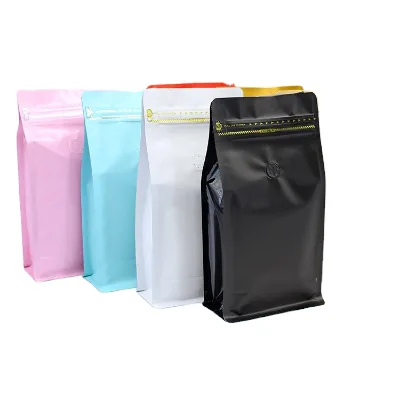
Explore 30 options for the Resealable Valve Coffee Bag, featuring zipper closures and moisture-proof designs. Compare specifications from Chinese manufacturers to find suitable packaging for tea and coffee beans; compare the available evidence and request quotations based on your requirements.
Key considerations
Products List




Comprehensive Sourcing Guide
Resealable Valve Coffee Bag Sourcing Guide
Sourcing high-quality packaging for roasted coffee requires a precise understanding of material science and supply chain logistics. The market offers diverse options, primarily centered around flexible packaging solutions that balance barrier performance with aesthetic appeal. Buyers must navigate a landscape where material composition, sealing integrity, and customization capabilities vary significantly across suppliers. This guide provides a structured approach to evaluating these products, ensuring that procurement decisions align with both product preservation needs and brand identity requirements.
The following sections detail the critical factors influencing sourcing decisions, from technical specifications to commercial terms. By focusing on verified attributes and observable listing signals, buyers can mitigate risks associated with inconsistent quality or non-compliant materials. This evidence-based approach helps in building a reliable supplier base that supports long-term operational efficiency and product integrity, ultimately protecting the sensory experience of the final consumer.
Product Scope and Observed Listing Signals
Current market listings indicate a strong presence of products originating from Hebei and Guangdong provinces in China, with brands such as Honghaipacking actively offering customized solutions. The observed product range includes coffee bags featuring zipper closures and one-way valves, designed specifically for moisture-proof and waterproof performance. These attributes are critical for maintaining the freshness of coffee beans and tea products, which are highly sensitive to environmental factors. The availability of custom shapes, colors, and logos suggests a flexible manufacturing environment capable of meeting diverse branding needs.
Listing data reveals a wide variation in minimum order quantities, ranging from 500 to 30,000 units, which impacts initial inventory planning and cash flow. Prices observed in the market are generally low, falling within the 0.01 to 0.5 USD range, though this likely reflects base material costs rather than fully finished, branded goods. Buyers should note that while some listings mention paper materials, others specify plastic structures like PET/PE, indicating a need to clarify material composition during the inquiry phase. Understanding these baseline signals helps in filtering suppliers who can meet specific volume and material requirements.
Technical Specifications to Verify
Material structure is a primary technical consideration, with many suppliers offering PET/PE laminates that provide excellent barrier properties against moisture and oxygen. It is essential to verify the specific layer composition, as this directly influences shelf life and product protection. Some listings mention paper materials, which may refer to outer layers for aesthetic purposes, but the inner barrier is typically plastic-based. Buyers must confirm whether the packaging includes a valve, as this component is crucial for degassing roasted coffee without allowing external air ingress.
Sealing methods and handle designs also require careful verification. Zipper top closures are commonly cited, offering convenience for consumers, but the seal strength must be tested to prevent accidental opening. Additionally, surface printing techniques, such as gravure printing, affect the visual quality and durability of the branding. Buyers should inquire about thickness customization, as this impacts the rigidity and feel of the bag. Confirming these technical details ensures that the packaging performs reliably throughout the supply chain and meets consumer expectations for usability and protection.
Compliance and Safety Documentation
Food-grade certification is non-negotiable for coffee packaging, as the material must not leach harmful substances into the product. Buyers should request documentation confirming that the materials meet relevant food safety standards, such as those enforced by local health authorities or international bodies like the FDA or EFSA, depending on the target market. While some listings mention ROHS or CE certifications, these are typically relevant for electronic goods and may not directly apply to food packaging compliance. It is crucial to distinguish between general manufacturing certifications and specific food-contact safety approvals.
Transparency in material sourcing and manufacturing processes is equally important. Suppliers should provide clear information about the origin of raw materials and the quality control measures in place during production. This includes verifying that the printing inks used are food-safe and do not contain prohibited substances. Buyers should also check for compliance with recycling regulations in their destination markets, as this affects disposal and sustainability claims. Ensuring full regulatory compliance protects the brand from legal liabilities and enhances consumer trust in the product's safety.
Cost Drivers and Commercial Terms
The cost of resealable valve coffee bags is influenced by several factors, including material thickness, printing complexity, and order volume. Higher minimum order quantities often result in lower unit prices, but buyers must balance this with storage capacity and cash flow constraints. The observed MOQ range of 500 to 30,000 units allows for flexibility, but smaller orders may incur higher setup costs for custom printing and tooling. Buyers should request detailed quotations that break down costs for materials, printing, and assembly to understand the true cost structure.
Packaging and shipping terms also play a significant role in the total landed cost. Listings indicate various packing methods, such as cartons and wooden pallets, which affect handling and freight expenses. Buyers should clarify whether the quoted price includes export packaging and if it is suitable for long-distance shipping without damage. Additionally, lead times for production and delivery should be confirmed, as delays can impact inventory levels and sales cycles. Understanding these commercial terms helps in accurate budgeting and prevents unexpected expenses during the procurement process.
Supplier Qualification and Quality Control
Evaluating supplier capabilities is critical to ensuring consistent quality. Buyers should assess the supplier's experience in producing coffee packaging, looking for evidence of successful projects and client testimonials. OEM and ODM services are commonly offered, indicating a level of technical expertise and flexibility. However, buyers must verify the supplier's ability to maintain quality standards across large production runs. This includes checking their quality control processes, such as incoming material inspection, in-process monitoring, and final product testing.
Communication and responsiveness are also key indicators of supplier reliability. A qualified supplier should be able to provide clear answers to technical questions and offer samples for evaluation before committing to large orders. Buyers should request samples to test the seal integrity, valve functionality, and print quality. Additionally, verifying the supplier's production capacity and lead time consistency helps in planning inventory and meeting market demand. Building a relationship with a reliable supplier ensures long-term stability and reduces the risk of supply chain disruptions.
Long-Term Procurement Checks
Sustainability is becoming an increasingly important factor in packaging procurement. Buyers should explore options for recyclable or biodegradable materials, depending on market trends and regulatory requirements. While many current products use PET/PE laminates, which can be challenging to recycle, some suppliers may offer mono-material solutions or compostable alternatives. Evaluating the environmental impact of packaging choices can enhance brand reputation and comply with evolving consumer preferences for eco-friendly products.
Continuous monitoring of supplier performance is essential for maintaining quality and cost efficiency. Buyers should establish key performance indicators, such as defect rates, delivery timeliness, and responsiveness to issues. Regular audits and feedback loops can help identify areas for improvement and strengthen the partnership. Additionally, staying informed about market trends and technological advancements in packaging can provide competitive advantages. By proactively managing these long-term factors, buyers can ensure that their packaging strategy remains effective and aligned with business goals.
FAQs
What materials are used for these coffee bags?
The bags are constructed from plastic or paper materials, with specific structures like PET/PE for durability. They feature waterproof and moisture-proof performance to protect coffee beans. Custom shapes and colors are available to meet specific branding needs for food packaging applications.
Can I customize the logo and design on the bag?
Yes, customized logos and designs are fully accepted for these coffee bags. The supplier offers full color custom printing using gravure printing techniques. Buyers can request specific shapes and colors, ensuring the packaging aligns perfectly with your brand identity and product requirements.
What is the minimum order quantity for these bags?
The minimum order quantity ranges from 500 to 30,000 pieces depending on the specific product model and customization level. Some listings indicate an MOQ of 10,000 pieces for certain configurations. Buyers should verify the exact requirement based on their chosen size and material specifications.
Where are these coffee bags manufactured?
These bags originate from manufacturing locations in Hebei and Guangdong, China. The production facilities support OEM and ODM services with fully supported customization options. Buyers can expect products to be packed in cartons or boxes with wood pallets for safe shipping.
How are these bags sealed and handled?
The bags utilize a zipper closure sealing method for easy resealing and freshness retention. They are designed as coffee packs with a valve to release gases while preventing oxygen entry. The zipper top ensures convenient handling and secure storage for coffee beans and tea packaging.
What printing methods are available for these bags?
Full color custom printing is available using gravure printing processes for high-quality graphics. The bags can be produced in clear or custom colors to suit your design. This method ensures vibrant branding while maintaining the structural integrity required for food-grade packaging applications.
Are these bags suitable for food packaging standards?
Yes, the bags meet food grade level quality standards for packaging coffee and tea products. They are designed to be waterproof and moisture-proof, ensuring product safety. The materials and construction comply with general industrial use requirements for food packaging applications.