Source Food Grade Handmade Paper Cones for Ice Cream, Slush, and Tea
Find 30 listings for Food Grade Handmade Paper Cones suitable for ice cream, slush, and tea. Buyers can compare customization options, paper types, and pricing to select the right supplier for their packaging needs; compare the available evidence and request quotations based on your requirements.
Key considerations
Products List


All Size Custom Logo Classic Natural Rolling Paper with Tips Pre Rolled Cone
$0.09 - $0.19
MOQ: 5000 booklet


Wholesale Custom Wrapping Ice Cream Paper Cone with Coated White Food Grade Paper
$0.01 - $0.01
MOQ: 30000 Pieces





Comprehensive Sourcing Guide
Food Grade Handmade Paper Cones Sourcing Guide
Procuring food-grade handmade paper cones requires a nuanced understanding of material integrity and manufacturing precision, particularly when sourcing from regions like China where production volumes vary significantly. Buyers must distinguish between standard industrial packaging and specialized items designed for direct food contact, such as ice cream cones or slushie cups. The observed market signals indicate a diverse range of products, from simple kraft paper sleeves to more complex, customized rolling papers, necessitating careful filtering to identify true food-grade suppliers.
The core challenge lies in verifying that the "handmade" or artisanal aesthetic does not compromise the sanitary standards required for food packaging. While many listings offer customization and eco-friendly features, the actual material composition—whether virgin wood pulp, rice paper, or hemp—must be explicitly confirmed. Buyers should prioritize suppliers who provide transparent documentation on raw material sourcing and coating processes, ensuring that the final product meets the stringent hygiene requirements for cold, hot, or universal food applications without introducing chemical contaminants.
Product Scope and Observed Listing Signals
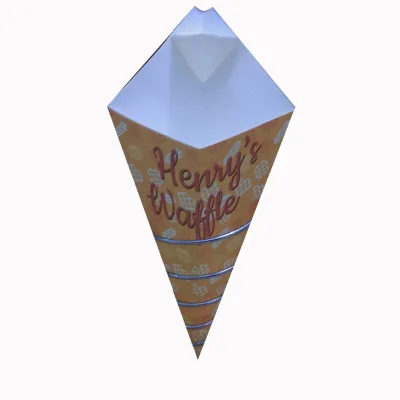
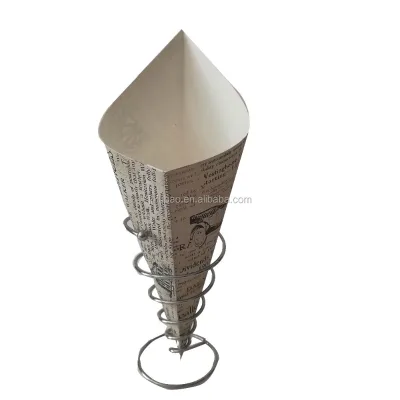
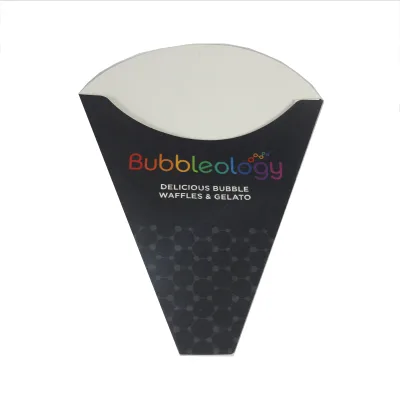
The current market landscape for paper cones reveals a broad spectrum of offerings, primarily centered around disposable food packaging and specialized paper products. Observed listings highlight items such as cone paper cups for slush and shaved ice, as well as ice cream cone paper sleeves, indicating a strong demand for single-use, eco-friendly solutions. These products are often marketed with features like biodegradability and customization, appealing to businesses seeking sustainable branding opportunities while maintaining functional utility for serving frozen desserts or beverages.
However, the scope extends beyond traditional food containers to include related paper goods like rolling papers and filters, which share similar material profiles but serve entirely different end-uses. This diversity can create confusion for buyers specifically seeking food-grade applications. It is crucial to examine product names and descriptions closely, as terms like "paper cone" may refer to both edible-style packaging and non-food accessories. Buyers must scrutinize the stated usage, such as "food packaging" or "universal packaging," to ensure the product aligns with their specific regulatory and operational needs.
Technical Specifications to Verify
Technical verification begins with the raw material composition, which is fundamental to both the structural integrity and safety of the paper cone. Buyers should confirm whether the product is made from virgin wood pulp, rice paper, or hemp, as each material offers distinct properties regarding strength, absorbency, and environmental impact. The weight of the paper, often measured in GSM, is another critical specification; observed ranges suggest weights between 13 GSM and 27 GSM, which influence the durability and suitability for holding wet or heavy contents without tearing.
Coating and finishing processes are equally important for ensuring food safety and performance. While some listings specify uncoated paper, others may imply the presence of food-safe barriers to prevent leakage or sogginess. Buyers must verify the type of coating used, if any, and ensure it complies with relevant food contact regulations. Additionally, the printing technique, such as offset printing, should be assessed for its impact on the food surface, ensuring that inks and adhesives do not migrate into the product. Customization options, including logo printing and size variations, should be evaluated for their effect on the overall quality and safety of the final item.
Compliance and Safety Documentation
Compliance with food safety standards is non-negotiable when sourcing paper cones for direct food contact. Buyers must request comprehensive documentation from suppliers, including certificates of analysis and material safety data sheets, to verify that the products meet local and international regulatory requirements. While some listings mention certifications like FSC and SGS, these primarily address environmental sustainability and general quality management rather than specific food safety compliance. It is essential to distinguish between eco-certifications and actual food-grade approvals to avoid regulatory pitfalls.
Suppliers should be able to provide evidence that their manufacturing processes adhere to Good Manufacturing Practices (GMP) and that the final products are free from harmful substances. This includes verifying that any coatings, inks, or adhesives used in the production process are approved for food contact. Buyers should also inquire about the supplier’s quality control protocols, including routine testing for migration of chemicals and microbial safety. Without robust documentation, the risk of non-compliance increases, potentially leading to product recalls or legal liabilities.
Cost Drivers and Commercial Terms
Cost structures for paper cones are influenced by several key factors, including material quality, customization complexity, and order volume. The observed minimum order quantities (MOQs) range widely, from small batches of 10 units to large industrial orders of 50,000 units, allowing buyers to scale their purchases according to demand. Higher customization levels, such as unique sizes, specialized coatings, or intricate logo printing, typically incur additional costs due to setup fees and reduced production efficiency. Buyers should negotiate pricing based on clear specifications to avoid hidden charges.
Payment terms and shipping methods also play a significant role in the total cost of ownership. Common payment options include T/T, Western Union, and Money Gram, while shipping can be arranged via express, air, sea, or railway freight. Buyers should consider the trade-off between faster shipping methods, which reduce lead times but increase costs, and slower, more economical options for bulk orders. Additionally, sampling availability allows buyers to test product quality before committing to large orders, mitigating the risk of receiving substandard goods.
Supplier Qualification and Quality Control
Qualifying suppliers requires a thorough assessment of their manufacturing capabilities and quality assurance systems. Buyers should verify the supplier’s production capacity, lead times, and ability to maintain consistent quality across large orders. Visiting the facility or requesting third-party audits can provide valuable insights into the supplier’s operational standards and hygiene practices. It is also important to assess their responsiveness to customization requests and their ability to handle complex specifications without compromising product integrity.
Quality control measures should be clearly defined and agreed upon before production begins. This includes establishing acceptance criteria for defects, packaging standards, and labeling requirements. Buyers should implement a robust inspection process, potentially involving pre-shipment inspections or third-party quality checks, to ensure that the delivered products meet the agreed-upon specifications. Regular communication with the supplier regarding any issues or changes in requirements is essential to maintain a successful long-term partnership and ensure consistent product quality.
Long-Term Procurement Checks
Establishing a long-term procurement strategy for paper cones involves continuous monitoring of supplier performance and market trends. Buyers should regularly review supplier metrics, such as on-time delivery rates, defect rates, and responsiveness to issues, to identify potential areas for improvement. Building a diversified supplier base can mitigate risks associated with single-source dependencies, ensuring continuity of supply even in the event of disruptions. Additionally, staying informed about emerging materials and technologies can help buyers identify opportunities for cost savings or product innovation.
Sustainability considerations are increasingly important in the long-term procurement of paper products. Buyers should prioritize suppliers who demonstrate a commitment to environmental responsibility, such as using recycled materials or implementing energy-efficient manufacturing processes. Regularly updating sustainability goals and communicating these expectations to suppliers can drive continuous improvement and align procurement practices with broader corporate social responsibility objectives. By maintaining a proactive approach to supplier management and market analysis, buyers can secure a reliable and sustainable supply of high-quality paper cones.
FAQs
What materials are used for these paper cones?
These cones are made from wood pulp and rice paper, available in bleached or unbleached options. The raw material is virgin pulp, ensuring food-grade safety for cold cups, hot cups, and various food packaging applications without compromising structural integrity.
Can I customize the logo on the paper cones?
Yes, customized logos are available for these paper cones. The product supports full customization including specific designs, allowing buyers to brand their ice cream or slush products effectively while maintaining the simple style and eco-friendly biodegradable features.
What is the minimum order quantity for these cones?
The minimum order quantity varies between 10 and 50,000 pieces depending on the specific product configuration. Some rolling paper variants start at 1,000 pieces, while standard cone paper cups often require a higher volume commitment to secure production slots.
How are these paper cones packaged for shipping?
The cones are packed in cartons to ensure safe transport. Packaging can be customized to customer requests, and the standard method involves carton packaging which protects the disposable eco-friendly biodegradable paper during international shipping via express, air, sea, or railway methods.
Which certifications do these paper cones hold?
These products hold FSC and SGS certifications to verify their quality and environmental standards. The paper is sourced from virgin pulp and meets specific standards, ensuring they are suitable for pharmaceutical, gift, and universal food packaging uses across different global markets.
What printing techniques are used for these cones?
Offset printing is the primary technique used for these paper cones. This method allows for high-quality customization of logos and designs on the uncoated or coated paper surfaces, ensuring clear branding for ice cream, slush, and other cold beverage applications.
Are these cones suitable for hot and cold drinks?
Yes, these cones are designed for both hot and cold cups, including tea, jelly, and slush applications. They function as universal packaging solutions, offering versatility for food, gift, and pharmaceutical uses while maintaining the structural integrity required for various beverage temperatures.