Source Matte Lamination Raffle Tickets for Events, Promotions, and Giveaways
Compare 30 listings for Matte Lamination Raffle Tickets from verified Chinese suppliers. Buyers can evaluate customization options, material types, and pricing to find suitable lottery tickets for events, promotions, and giveaways; compare the available evidence and request quotations based on your requirements.
Key considerations
Products List


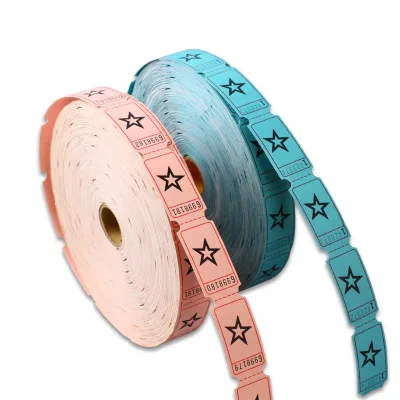
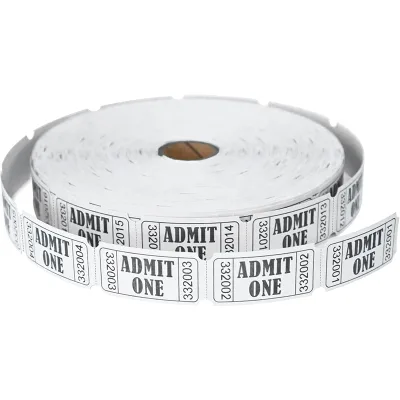
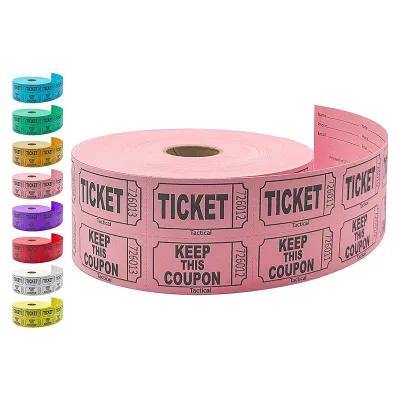
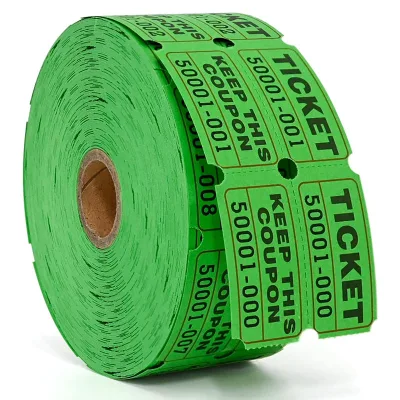
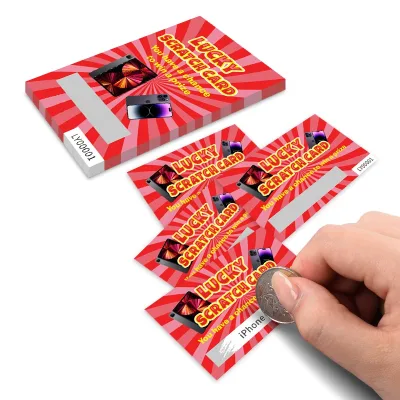

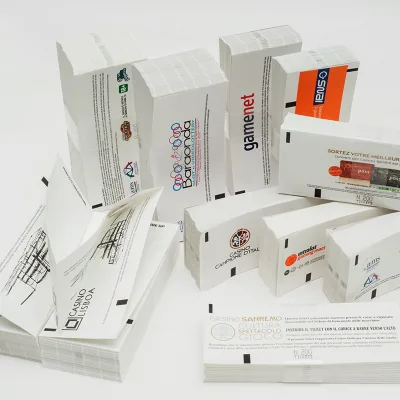
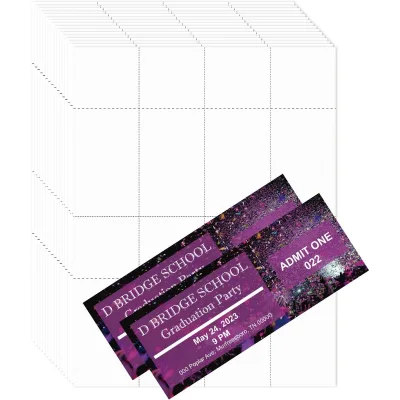

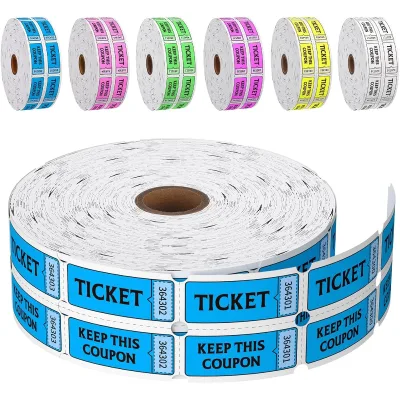
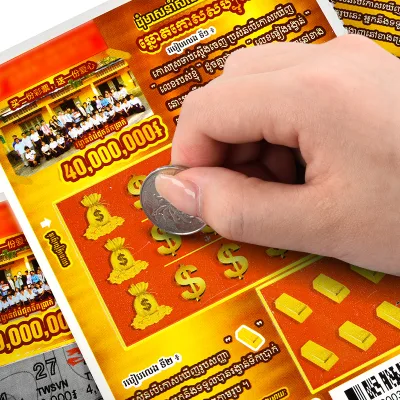
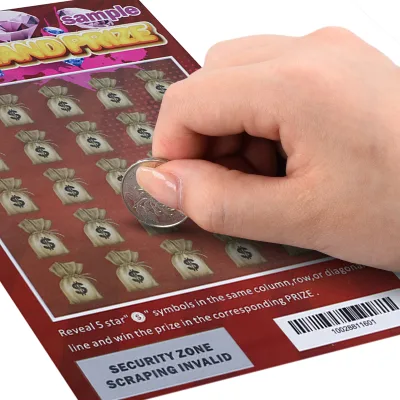
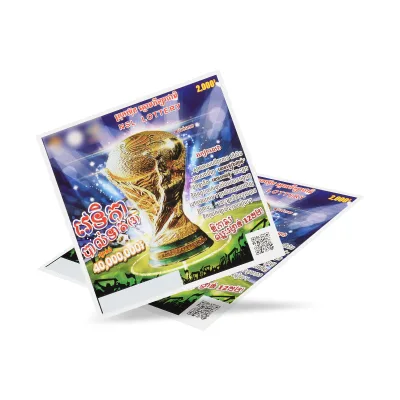
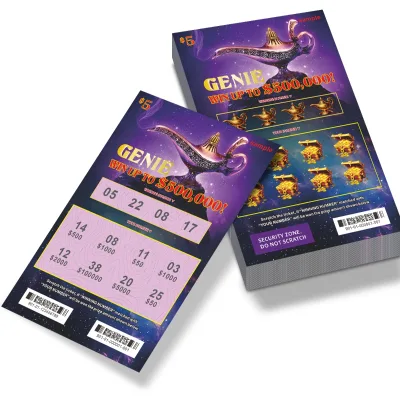
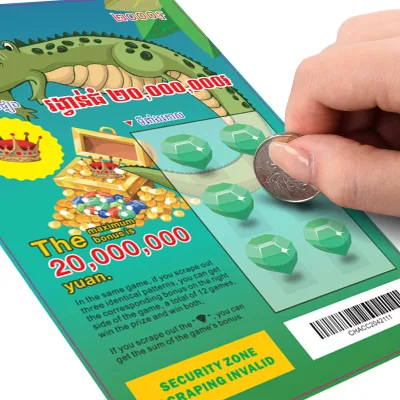
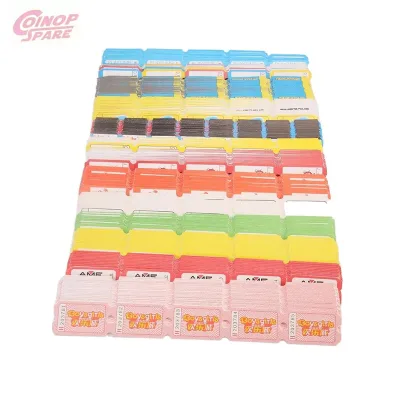
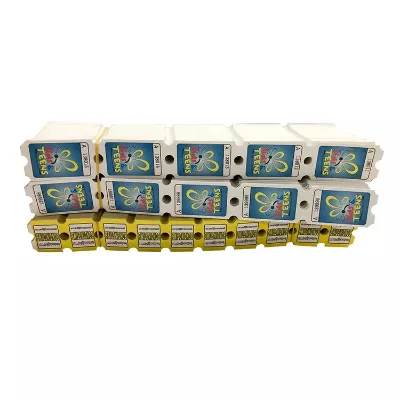
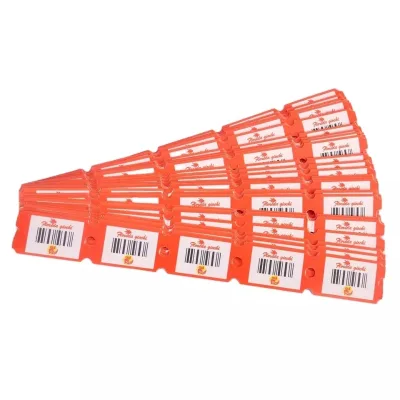


Comprehensive Sourcing Guide
Matte Lamination Raffle Tickets Sourcing Guide
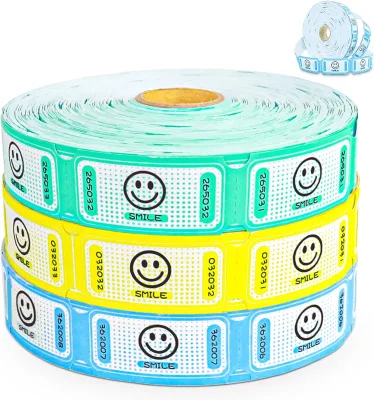
Sourcing Matte Lamination Raffle Tickets requires a strategic balance between aesthetic appeal, functional durability, and precise printing specifications. These tickets are commonly utilized in amusement parks, charity events, and corporate giveaways where tactile quality influences perceived value. The matte finish provides a sophisticated, non-reflective surface that enhances readability and reduces glare under bright event lighting, making it a preferred choice for high-volume distribution. Buyers must ensure that the lamination process does not compromise the ticket’s integrity during handling or scanning.
The procurement process involves selecting suppliers who offer robust customization options, including OEM and ODM services. Key attributes to evaluate include paper weight, printing technology compatibility, and packaging standards. Suppliers often provide samples to verify print quality and material feel before committing to large orders. Understanding the supply chain dynamics, such as lead times and minimum order quantities, is crucial for aligning production schedules with event dates. This guide outlines the essential steps for evaluating suppliers and ensuring product quality.
Product Scope and Observed Listing Signals
The market for raffle tickets encompasses a wide range of materials, from standard paper to specialized plastics and resins. Observed listings indicate that paper-based tickets, particularly those using 180gsm or 200gsm wood-free paper, are prevalent for general use. These materials offer a good balance of cost and durability, suitable for single-use events. Some suppliers also offer tickets made from PE, PVC, or other plastics, which provide enhanced water resistance and longevity. Buyers should verify the specific material composition to ensure it meets the environmental or durability requirements of their event.
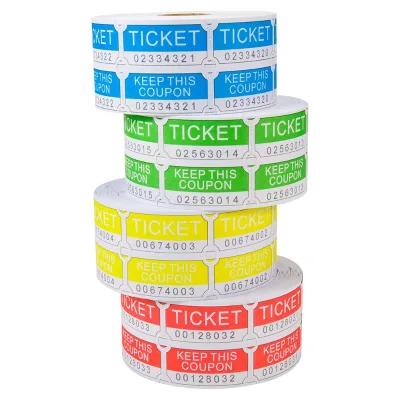
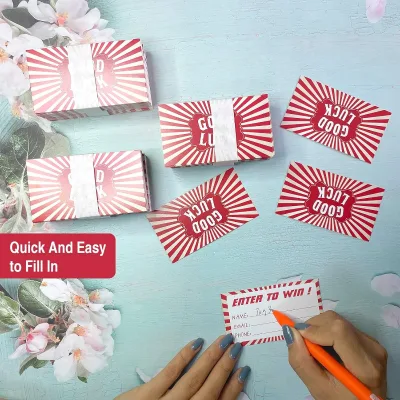
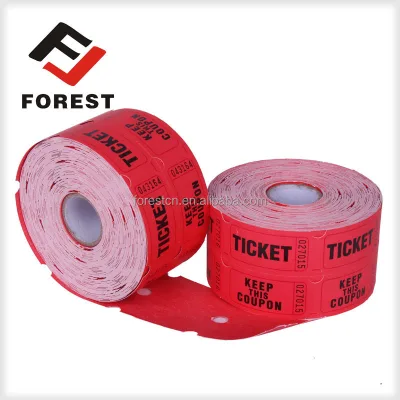
Listing signals reveal that customization is a standard offering, with options for offset, UV, digital, and laser printing. The ability to customize patterns, colors, and designs allows for brand integration and unique event themes. Suppliers often provide packaging in rolls or sheets, with shrink film protection to prevent damage during transit. The observed single package sizes and gross weights vary significantly, reflecting the diversity in ticket dimensions and quantities. Buyers must carefully review these specifications to ensure compatibility with their distribution methods and storage capabilities.
Technical Specifications to Verify
Verifying technical specifications is critical to ensuring the final product meets operational needs. Key parameters include paper type, such as art paper, coated paper, or fancy paper, which affect print quality and texture. The surface finish, often varnished for protection, should be inspected for uniformity and adherence. Buyers should confirm the printing type, whether offset or digital, as this impacts color accuracy and turnaround time. Additionally, the ticket size and format, whether in rolls or sheets, must align with the distribution mechanism, such as ticket dispensers or manual handing.
Other technical aspects include the single gross weight and package dimensions, which influence shipping costs and handling efficiency. Suppliers may offer different model numbers for various ticket types, so buyers should request detailed specifications for each option. The availability of samples is a valuable tool for verifying these technical details before placing a bulk order. Buyers should also inquire about the supply ability, ensuring the supplier can meet the required volume within the desired timeframe. Clear communication of these specifications helps prevent misunderstandings and ensures a smooth procurement process.
Compliance and Safety Documentation
While specific safety certifications are not always explicitly listed for paper-based raffle tickets, buyers should still prioritize suppliers who adhere to recognized quality management standards. The presence of ISO 9001 certification, though low-confidence in some contexts, indicates a supplier’s commitment to consistent quality processes. Buyers should request documentation to verify that the materials used are safe for handling and do not contain harmful substances. This is particularly important for tickets distributed to children or in public spaces where direct contact is frequent.
Transparency in sourcing and manufacturing practices is also essential. Buyers should ask for information on the origin of raw materials and the manufacturing location, such as Guangdong or Zhejiang in China. This information helps assess the reliability of the supply chain and potential logistical risks. Additionally, suppliers should provide clear information on packaging materials, ensuring they are recyclable or environmentally friendly if sustainability is a priority. By verifying these compliance aspects, buyers can mitigate risks and ensure their procurement aligns with corporate social responsibility goals.
Cost Drivers and Commercial Terms
Several factors influence the cost of Matte Lamination Raffle Tickets, including material quality, printing complexity, and order volume. Higher paper weights and specialized finishes, such as matte lamination, typically increase the unit price. Customization options, including unique designs and colors, may also add to the cost due to setup fees and additional processing steps. Buyers should request detailed quotes that break down these costs to understand the price structure and identify potential savings opportunities.
Commercial terms, such as minimum order quantities (MOQ) and lead times, are critical for budgeting and planning. Observed MOQs range from 500 to 5000 pieces, with some suppliers offering lower quantities for sample orders. Lead times can vary from 7 to 20 days, depending on the order size and customization requirements. Buyers should negotiate clear terms for payment, shipping, and returns to avoid unexpected expenses. Understanding these commercial dynamics helps in making informed decisions and managing cash flow effectively.
Supplier Qualification and Quality Control
Evaluating supplier qualification involves assessing their production capabilities, quality control processes, and customer service. Buyers should look for suppliers with a proven track record in producing raffle tickets and other printed materials. Requesting references or case studies can provide insights into their reliability and performance. Additionally, suppliers should have robust quality control measures in place, including inspections at various stages of production to ensure consistency and accuracy.
Quality control should also extend to packaging and shipping. Buyers should verify that suppliers use appropriate packaging materials, such as stretch film or shrink wrap, to protect tickets during transit. Clear labeling and documentation are essential for efficient logistics and inventory management. Buyers should also establish a communication channel for addressing any issues that arise during or after delivery. By prioritizing suppliers with strong quality control and customer service, buyers can ensure a positive procurement experience and high-quality products.
Long-Term Procurement Checks
Establishing long-term procurement relationships requires ongoing monitoring and evaluation of supplier performance. Buyers should regularly review order fulfillment, product quality, and responsiveness to ensure consistent service levels. Feedback from end-users, such as event organizers or participants, can provide valuable insights into the ticket’s performance and any areas for improvement. This feedback loop helps in refining specifications and selecting the most suitable suppliers for future orders.
Continuous improvement in the supply chain is also essential. Buyers should stay informed about industry trends, such as new printing technologies or sustainable materials, to remain competitive. Regularly updating supplier contracts and terms can help adapt to changing market conditions and business needs. By maintaining a proactive approach to procurement, buyers can build resilient supply chains and achieve long-term cost savings and quality assurance. This strategic focus ensures that the procurement process remains efficient and aligned with organizational goals.
FAQs
Can I customize the design of Matte Lamination Raffle Tickets?
Yes, customization is accepted for these raffle tickets. Buyers can choose from various printing methods including offset, UV, digital, and laser printing. The pattern and design are fully customizable to meet specific branding needs. This flexibility allows for unique visual elements tailored to your event or promotional campaign requirements.
What is the minimum order quantity for these tickets?
The minimum order quantity varies by product model. Some listings require 1000 units, while others accept 500 units. One specific option has an MOQ of 200 rolls, containing 2000 pieces per roll. Buyers should verify the specific MOQ for their chosen model number to ensure compliance with supplier requirements.
What materials are used for printing raffle tickets?
Tickets are typically printed on high-quality paper materials. Options include 200gsm paper, 180gsm wood-free paper, and various paperboard types like art paper, coated paper, and fancy paper. These materials ensure durability and a professional finish. The matte lamination adds a protective layer, enhancing the tactile experience and visual appeal of the final product.
How long does delivery take for bulk orders?
Delivery time generally ranges from 7 to 20 days after order confirmation. This timeframe allows for production, quality control, and packaging. Buyers should account for this lead time when planning events. Shipping ports are typically Ningbo or Shanghai, which may influence transit duration depending on the final destination country and logistics provider selected.
What packaging methods are used for shipping raffle tickets?
Tickets are packed using stretch film or shrink films per roll to protect against moisture and damage. Standard packaging includes 1000 rolls per carton, with each carton weighing approximately 20 kilograms. This robust packaging ensures that the tickets arrive in pristine condition, ready for immediate use in lotteries, raffles, or promotional activities.
Are samples available before placing a bulk order?
Yes, samples are provided to help buyers evaluate quality and print accuracy. This allows for verification of the matte lamination finish and paper weight before committing to large quantities. Buyers can assess the customization options and printing quality firsthand. Requesting samples is a recommended step to ensure the final product meets your specific aesthetic and functional expectations.