Source Crystal Block for Souvenirs, Gifts, and Decorations
Compare 30 Crystal Block options from verified suppliers in China. Buyers can evaluate customization, packaging, pricing, and features like heat resistance for uses including souvenirs, home decoration, business gifts, and holiday presents to find the best fit; compare the available evidence and request quotations based on your requirements.
Key considerations
Products List


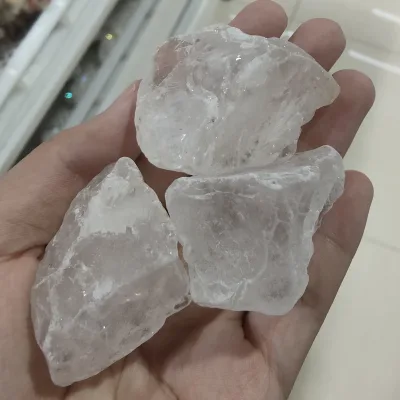


Ultra Clear Glass Block Crystal Glass Bricks Hollow Glass Blocks
$1.37 - $1.48
MOQ: 1000 Square Meters

Glass Block Frosted for Decoration Square Blocks for Wall Glass Blocks Decorative Brick
$1.37 - $1.43
MOQ: 1000 Square Meters


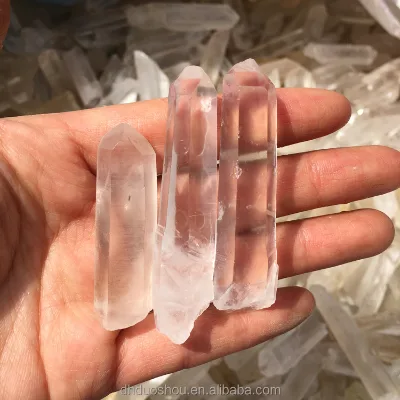


$375.00 - $550.00
MOQ: 1 Tons

$400.00 - $500.00
MOQ: 1 Pieces






Comprehensive Sourcing Guide
Crystal Block Sourcing Guide
Product Scope and Observed Listing Signals
The market for crystal blocks encompasses a diverse range of items, from industrial sight glasses designed for observing liquid levels in boilers to decorative souvenirs and business gifts. Listings indicate that these products vary significantly in their intended use, with some serving as functional components requiring heat and high-pressure resistance, while others are crafted for aesthetic purposes such as home decoration or holiday gifting. Buyers must carefully distinguish between these categories, as the material properties and manufacturing processes differ substantially depending on whether the item is a technical instrument or a promotional artifact.
Observed listing signals reveal a wide spectrum of customization options and packaging styles available to purchasers. Suppliers offer various finishing techniques, including polishing, sandblasting, and 3D laser engraving, allowing for personalized logos or intricate designs. Packaging ranges from simple white boxes and gift boxes to safe packing for fragile items, reflecting the delicate nature of the material. Additionally, the presence of specific models like G-W or LSBC-001 suggests that buyers can source standardized items or request custom sizes, providing flexibility for both bulk orders and unique procurement needs.
Technical Specifications to Verify
When evaluating crystal blocks, buyers should prioritize the verification of material composition and clarity grades. Listings mention materials such as artificial crystal and glass, with clarity ratings like VVS, which are critical for applications requiring high transparency. For decorative items, the technique used, such as 3D engraving or polishing, directly impacts the visual appeal and durability of the final product. It is essential to confirm whether the block is made from lead-free crystal or other synthetic materials, as this affects both safety and optical performance, especially if the item is intended for close contact or display in public spaces.
Dimensional accuracy and standardization are equally important factors in the procurement process. Suppliers may offer standard sizes such as 30mm, 40mm, or 50mm, or provide custom sizing options to meet specific design requirements. Buyers must verify the exact dimensions and tolerances, particularly for items like cube-shaped blocks or card holders, where precise fit is necessary. Additionally, the presence of features such as internal engravings or photo inserts requires careful inspection to ensure that the craftsmanship meets the expected quality standards, preventing issues with alignment or clarity in the final assembled product.
Compliance and Safety Documentation
Compliance with safety standards is a paramount concern, particularly for crystal blocks used in industrial applications such as boiler level observation. These items must withstand high pressure and heat, necessitating rigorous testing to ensure they do not fail under operational stress. Buyers should request documentation that verifies the material's resistance to thermal shock and mechanical stress, ensuring that the product meets relevant industrial safety regulations. Without proper certification, the risk of equipment failure or safety hazards increases significantly, making it crucial to validate the technical specifications against industry benchmarks before placing an order.
For decorative and promotional crystal blocks, compliance often focuses on material safety and labeling accuracy. While industrial certifications like CE may apply to certain functional components, decorative items typically require adherence to general product safety standards to ensure they are free from harmful substances. Buyers should verify that the supplier provides clear information about the material composition, especially if the crystal contains lead or other heavy metals. Additionally, ensuring that the product labeling accurately reflects the origin, material type, and care instructions helps maintain transparency and trust with end-users, reducing the likelihood of returns or complaints due to misrepresentation.
Cost Drivers and Commercial Terms
The cost of crystal blocks is influenced by several key factors, including the complexity of the customization, the quantity ordered, and the specific material used. Customization options such as 3D laser engraving or sandblasting add to the production time and cost, making personalized items more expensive than standard off-the-shelf products. Furthermore, the MOQ (Minimum Order Quantity) varies widely, with some suppliers requiring as few as one piece for custom designs, while others may demand larger quantities for standard items. Buyers should assess their volume needs against the supplier's pricing structure to determine the most cost-effective approach for their procurement strategy.
Commercial terms, including payment methods and shipment options, also play a significant role in the overall cost and logistics of the purchase. Suppliers may accept various payment methods such as T/T, Western Union, or PayPal, each with different transaction fees and security implications. Shipment options range from air freight to sea transport or courier services, with lead times typically ranging from five to fifteen days. Buyers should consider the urgency of their order and the associated shipping costs when selecting a logistics provider, ensuring that the total cost of ownership aligns with their budget and timeline requirements.
Supplier Qualification and Quality Control
Qualifying a supplier for Crystal Block procurement requires a thorough assessment of their manufacturing capabilities and quality control processes. Buyers should verify the supplier's experience in producing the specific type of Crystal Block they need, whether it is a functional sight glass or a decorative souvenir. Requesting samples is a critical step in this process, allowing buyers to inspect the clarity, finish, and durability of the product firsthand. Additionally, understanding the supplier's production capacity and lead times helps ensure that they can meet the buyer's volume and delivery requirements without compromising on quality.
Quality control measures should be clearly defined and agreed upon before production begins. This includes establishing acceptance criteria for defects such as scratches, bubbles, or misalignments in engravings. Buyers should inquire about the supplier's inspection procedures, including whether they conduct random sampling or full inspections before shipment. Implementing a robust quality control plan, potentially involving third-party inspections for large orders, helps mitigate the risk of receiving substandard products. Clear communication of quality expectations and regular follow-ups during the production process are essential to maintaining consistency and reliability in the supply chain.
Long-Term Procurement Checks
Establishing long-term procurement relationships with Crystal Block suppliers involves continuous monitoring of performance and adaptability to changing market conditions. Buyers should regularly review supplier performance metrics, such as on-time delivery rates, defect rates, and responsiveness to issues. This ongoing evaluation helps identify potential risks and areas for improvement, ensuring that the supplier remains a reliable partner over time. Additionally, staying informed about industry trends and technological advancements in crystal manufacturing can help buyers make informed decisions about upgrading their product offerings or sourcing more advanced materials.
Flexibility and scalability are also key considerations for long-term procurement success. As business needs evolve, suppliers must be able to adjust their production volumes and customization options to meet new demands. Buyers should assess the supplier's ability to scale up or down efficiently, as well as their willingness to collaborate on new product developments. Building a strong relationship based on mutual trust and clear communication fosters a collaborative environment where both parties can work together to optimize costs, improve quality, and drive innovation in their Crystal Block procurement strategies.
FAQs
What customization options are available for crystal blocks?
Customization is available for crystal blocks, allowing buyers to tailor products to specific needs. Options include sandblasting, 3D laser engraving, and print techniques for logos. Buyers can also request custom sizes, such as 40x40x40mm or 50x50x50mm. These features support unique branding and design requirements for various applications.
Can crystal blocks be used for observing liquid levels in boilers?
Yes, certain crystal blocks are designed for observing liquid levels in boilers. These products feature heat-resistant and high-pressure-resistant properties to ensure safety and durability in industrial environments. The material undergoes grinding and tempering processes to enhance performance. This application highlights the functional versatility of crystal glass beyond decorative uses.
What are the typical packaging methods for Crystal Block orders?
Packaging methods vary based on the product type and order requirements. Common options include carton packing, simple white boxes, gift boxes, and safe packing for fragile items. These methods ensure that crystal blocks remain protected during transit. Buyers should specify their preferred packaging to align with shipping logistics and presentation needs for souvenirs or gifts.
What is the minimum order quantity for crystal blocks?
The minimum order quantity varies by product model and supplier. Some items have an MOQ of 1 piece, while others require 50 pieces or up to 3000 pieces. Buyers should check specific product listings for exact MOQ values. Flexible MOQs allow small businesses to test products, while larger orders benefit from bulk pricing and streamlined production schedules.
How long does delivery take for Crystal Block orders?
Delivery times typically range from 5 to 15 days after order confirmation. This lead time allows for production, quality checks, and packaging. Shipping methods include air, sea, or courier services, which may affect total transit time. Buyers should confirm lead times with suppliers to ensure timely delivery for events, holidays, or business deadlines.
What materials are used to make crystal blocks?
Crystal blocks are primarily made from artificial crystal or clear glass materials. These materials offer high transparency and clarity, often rated VVS for premium quality. The blocks are polished to enhance shine and durability. Some products may include internal engravings or photos. The choice of material ensures aesthetic appeal and structural integrity for decorative or functional uses.