Source Heavy Duty Galvanized Cantilever Racking for Tools, Industrial, and Warehouse
Find 30 Heavy Duty Galvanized Cantilever Racking options from Jiangsu, China. Compare models like WS003 and URGO series with capacities up to 2000kg. These steel racks feature powder coating and CE certification for stable storage in warehouses, industrial settings, and tool rooms.
Updated
Key considerations
Products List
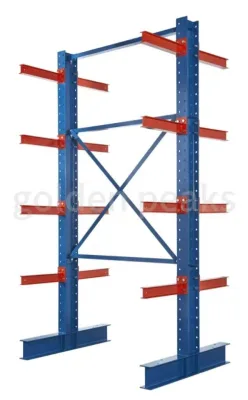


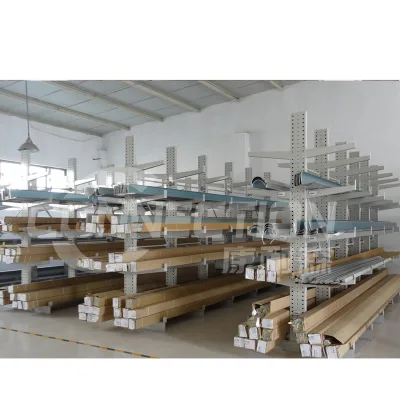
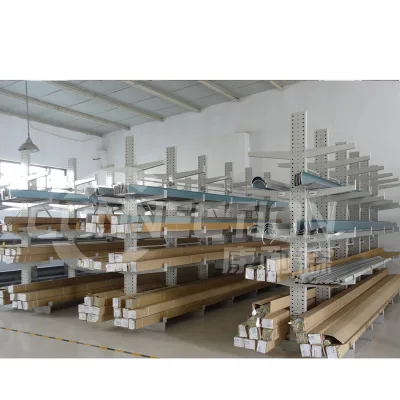
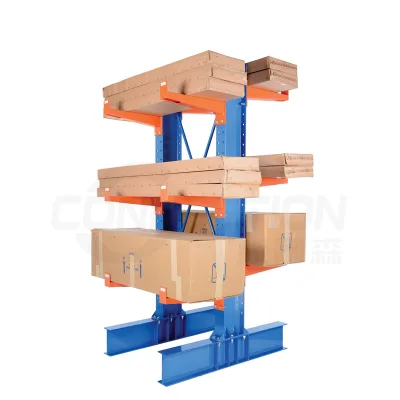
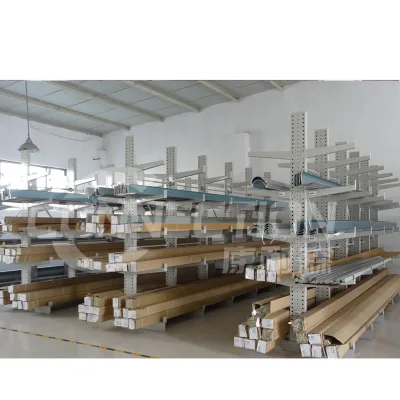
Arm Racking Cantilever Scaffold Racking for Rebar Storage Cantilever Racks
$12.90 - $25.00
MOQ: 2 sets

$1.20 - $1.50
MOQ: 1000 kg

$1.20 - $1.50
MOQ: 1000 kg


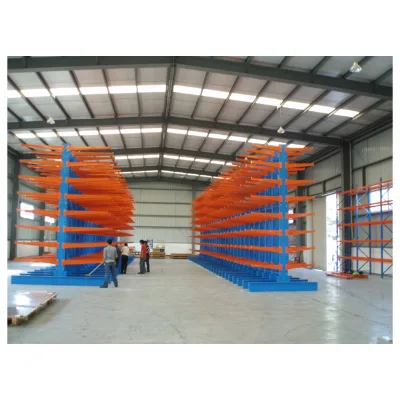
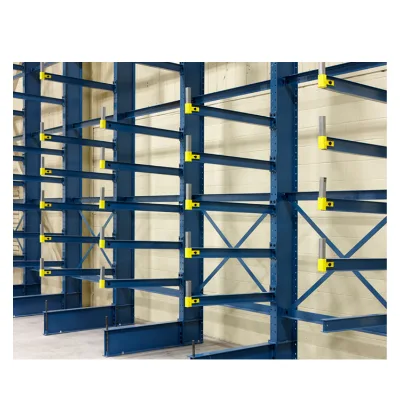


Industrial Warehouse Storage Heavy Duty Steel Adjustable Cantilever Racking
$180.00 - $200.00
MOQ: 10 Pieces


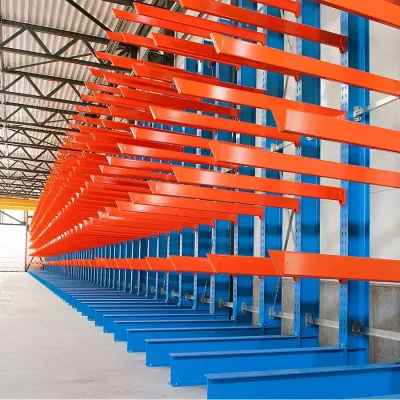
Comprehensive Sourcing Guide
Heavy Duty Galvanized Cantilever Racking Sourcing Guide
Procuring Heavy Duty Galvanized Cantilever Racking requires a disciplined approach to verifying structural integrity and surface treatment durability. Buyers must prioritize suppliers who demonstrate consistent manufacturing capabilities in Jiangsu, China, a region noted for its industrial output. The observed market signals indicate a wide variance in product configurations, ranging from single-item units to complex multi-level systems. Understanding these baseline signals helps buyers filter out low-quality listings and focus on vendors capable of delivering robust, long-lasting storage solutions for demanding warehouse environments.
The core keyword suggests a specific material finish, yet observed listings reveal a mix of materials including iron, metal, and steel. Buyers should verify whether the galvanized coating is applied to steel substrates or if the term is used loosely for powder-coated alternatives. The presence of brands like GoldenPeaks and Connection indicates a competitive landscape with OEM capabilities. Sourcing teams must cross-reference the advertised "galvanized" claim with actual material specifications to ensure corrosion protection meets the intended environmental conditions, whether for indoor food storage or outdoor industrial tool racks.
Product Scope and Observed Listing Signals
The observed product scope encompasses a diverse array of racking structures, primarily centered around cantilever designs suitable for warehouses and industrial settings. Listings highlight capacities ranging from 1000kg to 2000kg, indicating that heavy duty applications are a significant segment of the available inventory. The shelf types are predominantly cantilever racks, which are ideal for storing long, irregular items such as pipes, lumber, or furniture. Buyers should note that while the core keyword specifies galvanized finishes, the observed color options include black, red, yellow, blue, and orange, suggesting that powder coating is a common alternative to galvanization.
Model numbers such as WS003, URGO-20220151, and CR20171202 reflect a standardized yet customizable product range. The observed layer counts vary from one to five layers, allowing for vertical space optimization in high-ceiling facilities. The mobility feature is described as adjustable, which implies that the racking systems can be reconfigured to accommodate changing inventory profiles. Buyers must carefully review the "customer size" specifications for shelf width and depth, as these dimensions are critical for ensuring compatibility with specific material handling equipment and storage requirements.
Technical Specifications to Verify
Technical verification must begin with the structural composition, as observed materials include iron, metal, and steel. Buyers should confirm the exact steel grade and thickness, particularly for the arms and columns, to ensure they can support the stated 1000kg to 2000kg capacities without deflection. The surface treatment is a critical differentiator; while the keyword implies galvanization, many listings specify powder coating for corrosion protection. Procurement teams must request material test reports to verify that the chosen finish provides adequate resistance to the specific environmental conditions of the storage facility, whether it is a dry supermarket or a humid industrial zone.
Height specifications observed in the market range from 5 to 15 meters, which necessitates careful planning for facility clearance and forklift reach. The structure is described as a cantilever rack with a stable design and strong bearing capacity, but buyers must verify the connection methods and weld quality. The "open" structure attribute indicates easy access to stored goods, but it also requires verification of arm stability and load distribution mechanisms. Additionally, the packing method, often described as bundles with plywood pallets or standard export packs, should be assessed to prevent damage during transit and ensure efficient unloading at the destination warehouse.
Compliance and Safety Documentation
Compliance verification is essential for ensuring that the racking systems meet international safety standards. The observed certification list includes CE marking, which indicates conformity with health, safety, and environmental protection standards for products sold within the European Economic Area. Buyers must request valid CE certificates and verify that they correspond to the specific model numbers and configurations being ordered. It is crucial to ensure that the certification covers the structural integrity and load-bearing capabilities of the cantilever design, as improper certification can lead to significant liability issues in the event of a structural failure.
Beyond certifications, buyers should inquire about the manufacturing standards and quality control processes employed by the supplier. The observed "customized" standard attribute suggests that many products are built to specific client requirements, which may deviate from standard industrial norms. Procurement teams should request detailed engineering drawings and load charts that specify the maximum load per arm and per level. These documents are vital for ensuring that the installed racking system operates within safe limits and complies with local workplace safety regulations, particularly in high-traffic warehouse environments where heavy goods are frequently handled.
Cost Drivers and Commercial Terms
Cost drivers for Heavy Duty Galvanized Cantilever Racking are primarily influenced by material costs, surface treatment processes, and customization levels. The observed price range of 0.6 to 4500 USD reflects the vast difference between simple single-item units and complex, multi-layer systems. Buyers should analyze the cost breakdown to understand the impact of steel prices and galvanization versus powder coating on the final price. The MOQ range of 1 to 3000 units indicates flexibility, but larger orders may offer better economies of scale. Procurement teams should negotiate based on total landed cost, including packaging and shipping, rather than just the unit price.
Commercial terms such as packing and delivery are also significant cost factors. The observed packing methods, including plywood pallets and export-standard packaging, add to the overall cost but are necessary for protecting the product during transit. Buyers should clarify the lead times and production schedules, especially for customized orders with specific dimensions or colors. The "OEM" supplier type suggests that many manufacturers are willing to produce branded or custom-designed racking systems, which may involve additional tooling or setup fees. Understanding these commercial nuances helps buyers budget accurately and avoid unexpected expenses during the procurement process.
Supplier Qualification and Quality Control
Supplier qualification requires a thorough assessment of manufacturing capabilities and quality control systems. The observed supplier types include OEM manufacturers based in Nanjing, Jiangsu, China, a hub for industrial equipment production. Buyers should verify the supplier's production capacity, quality management certifications, and history of exporting to their target markets. The "common use" serviceability attribute suggests that the products are designed for widespread industrial application, but buyers must confirm that the supplier has the expertise to handle complex custom orders. Requesting references from previous clients can provide valuable insights into the supplier's reliability and after-sales support.
Quality control processes should be explicitly defined in the purchase agreement. Buyers should request inspection reports for raw materials, weld quality, and surface treatment consistency. The observed "stable structure" and "strong bearing capacity" claims must be substantiated by third-party testing or internal quality assurance protocols. Procurement teams should consider conducting pre-shipment inspections to verify that the delivered goods match the agreed specifications, including dimensions, colors, and load capacities. Establishing a clear quality control framework helps mitigate risks and ensures that the racking systems perform as expected in the warehouse environment.
Long-Term Procurement Checks
Long-term procurement success depends on establishing a sustainable supply chain relationship with reliable manufacturers. Buyers should monitor the supplier's ability to maintain consistent quality over time, especially for repeat orders. The observed "new type" development attribute indicates that some suppliers are innovating their product lines, which can be beneficial for staying competitive. However, buyers must ensure that any design changes do not compromise the structural integrity or safety of the racking systems. Regular communication with the supplier regarding inventory needs and future projects can help secure better pricing and priority production slots.
Maintenance and serviceability are also key considerations for long-term procurement. The observed "adjustable" mobility feature allows for flexibility in warehouse layout, but buyers should verify the availability of replacement parts and accessories. Establishing a clear protocol for handling defects or damage claims is essential for minimizing downtime. Buyers should also stay informed about industry trends and regulatory changes that may impact the design and safety requirements of cantilever racking systems. By maintaining a proactive approach to supplier management, procurement teams can ensure a steady supply of high-quality racking solutions that support their operational efficiency and safety standards.
FAQs
What is the maximum load capacity for this cantilever racking?
The maximum load capacity is up to 2000kg per level. This heavy-duty design supports industrial storage needs effectively. The structure ensures stable bearing capacity for various warehouse applications. Users can rely on this strength for storing heavy tools or materials safely in a facility.
Can the shelf dimensions be customized for specific warehouse layouts?
Yes, customization is available for shelf width and depth. Buyers can specify customer sizes to fit unique storage requirements. This flexibility allows for efficient space utilization in warehouses. The adjustable nature of the rack supports diverse inventory management strategies across different industrial settings.
What certifications does the racking system hold for safety?
The racking system holds CE certification for safety compliance. This ensures the product meets essential European health and safety standards. Buyers can trust the structural integrity and manufacturing quality. The certification provides assurance for industrial use in regulated environments requiring verified safety protocols.
How is the racking protected against corrosion in storage areas?
The racking features powder coating for corrosion protection. This surface treatment enhances durability in various warehouse conditions. The coating helps maintain the metal structure's integrity over time. Buyers benefit from reduced maintenance needs and extended lifespan for their storage investments.
What is the typical packaging method for shipping these racks?
The racks are packed in bundles with plywood pallets. This export-standard packaging ensures safe transit to global destinations. The method protects the structure from damage during handling. Buyers receive the product securely prepared for immediate installation upon arrival at their facility.
Which colors are available for the cantilever racking units?
Available colors include black and red, black and yellow, blue, and orange. Customized color options are also available for branding needs. These choices allow facilities to maintain visual consistency. The powder-coated finish ensures the color remains vibrant and resistant to wear in industrial environments.