Forged Towing Hook Suppliers and Manufacturers in China
Explore 24 verified suppliers offering forged towing hooks with ISO 9001 certification and global export experience. Compare lead times ranging from 15 to 45 days, MOQs from 20 to 500 units, and prices between 0.10 and 15.90 USD. Contact suppliers directly to request custom drawings or samples.
Suppliers List

Ningbo Yinzhou Nord Machinery Co., Ltd.
- Verified by SGS
- Trading Company,Manufacturer/Factory,Group Corporation
- China Zhejiang
- Lead time45 days
Main productsInvestment Casting, Precision Casting, Steel Casting China, Sand Casting, Lost Wax Casting, Lost Foam Casting, Open Die Forging, Steel Forging, Excavator Buckets, Mini Excavator Buckets
Main marketsSouth America,Eastern Europe,Mid East,North America,Southeast Asia,Western Europe,Africa

Qingdao Grand Forging Co., Ltd.
- Combined
- China Shandong
- Lead time30 days
Main productsForging Part
Main marketsEurope

Shandong Licheng Link Chain Co., Ltd.
- Verified by TUVRHEINLAND
- Trading Company
- China Shandong
- Lead time15 days
Main productsLink Chain, Shackle, Wire Rope Clips, Hook, Turnbuckle, Wire Rope, Aluminum Sleeves, Thimble, Eye Bolt, Anchor Chain
Main marketsSouth America,East Asia(Japan/ South Korea),Europe


Towing S Hook 4X4 Offroad Part Accessories Trailer Hook Tow Straps S Shackles
$13.90 - $20.90
MOQ: 20 Sets

MOQ: 1000 Pieces
China Shipping Anchor Chain (Jiangsu) Co., Ltd.
- Manufacturer/Factory
- China Jiangsu
- Lead time15 days
Main productsAnchor Chain, Mooring Chain, Mooring Buoy, Anchor, Kenter Shackle, End Shackle, Swivel Pieces, Ltm Shackle, Mooring Ring, Sinker
Main marketsSouth America,Eastern Europe,Mid East,North America,Southeast Asia,Eastern Asia,Oceania,Western Europe,Africa
Tormays Technology (Hebei) Co., Ltd.
- Verified by SGS
- Trading Company,Manufacturer/Factory
- China Hebei
- Lead time0 days
Main productsL Track, E Track, Track Fitting, Ratchets, Forged Hook, Flat Hook, Wire Hook, Pan Fitting, Cargo Bar
Main marketsSouth America,Eastern Europe,Mid East,North America,Southeast Asia,Eastern Asia,Oceania,Western Europe,Africa

Qingdao Sail Rigging Co., Ltd.
- Verified by SGS
- Combined
- China Shandong
- Lead time30 days
Main productsTurnbuckle, Shackle, Hook, Wire Rope Clipe, Eye Bolt and Nut, Load Binder, Rigging Hardware, Thimble, Stainless Steel Rigging, Rigging
Main marketsSoutheast Asia/ Mideast,Europe,North America


$0.50 - $3.00
MOQ: 100 Meters

Qingdao Xinquanxi Metal Products Co., Ltd.
- Verified by TUVRHEINLAND
- Combined
- China Shandong
- Lead time15 days
Main productsShackle, Turnbuckle, Standard Conneting Link, Eye Bolts & Nuts, Wire Rope Clips, Snap Hooks, D Rings, Wire Rope Thimbles, Pulley Blocks, Casting
Main marketsEast Asia(Japan/ South Korea),Domestic,Europe,North America

Forged Galvanized Round Eye Cargo Towing Forged Winch Hook Safety Lifting Hook Trailer Hook
$0.69 - $0.78
MOQ: 100 Pieces


Rigging Forged (turnbuckle, wire rope clip, shackle, hooks, eye bolt, snap hook)
$0.80
MOQ: 100 Pieces


Shandong Yifa Casting & Forging Co., Ltd.
- Verified by SGS
- Manufacturer/Factory
- China Shandong
- Lead time45 days
Main productsRigging Hardware, Shackle G209 G210 G2130 G2150, Load Binder L140 L150 EU. Safety Type, Wire Rope Clip DIN741 DIN1142 JIS Type, Hook G70 G80 Grab Hook Slip Hook Rtj Hook, Power Line Fittings Turnbuckle Wire Rope, Carabiner& Belt Hook Quick Links, Chain En818-2 G100 Alloy Lifting&Lashing DIN766, Stainless Steel Items&Swivel&Thimble&Block, Construction Accessories Links Eyebolt&Nut
Main marketsSouth America,Eastern Europe,Mid East,North America,Southeast Asia,Eastern Asia,Oceania,Western Europe,Africa

- Trading Company
- China Shandong
- Lead time60 days
Main productsForging, Turning Part, Forging Part, Machining Parts, Lifting Anchor, T Bolt, Casting, Aluminum Parts, Precast, Brass Parts
Main marketsSoutheast Asia/ Mideast,East Asia(Japan/ South Korea),Europe,Australia,North America

Hebei Yuying Hoisting Machinery Manufacturing Co., Ltd
- Verified by TUVRHEINLAND
- Combined
- China Hebei
- Lead time30 days
Main productsChain Block, Lever Hoist, Electric Hoist, Chain, Manual Hydraulic Truck, Beam Clamp, Permanent Magnetic Lifter, Screw Jack
Main marketsEurope,North America
Henan Ebon Machinery Co., Ltd.
- Trading Company
- China Henan
- Lead time30 days
Main productsWheel, Forged Wheel, Crane Wheel, Railway Wheel, Hydro Dam Wheel, Hook, Drum, Flange, Shaft, Bearing Box
Main marketsSouth America,Africa,Southeast Asia/ Mideast,Australia


Customization Heavy Duty Special Forged Hook Crane Lifting Cargo Hook
$150.00 - $3000.00
MOQ: 1 Pieces

Customized High Wear Resistant Heavy Weight Forged Crane Lifting Hook
$150.00 - $3000.00
MOQ: 1 Pieces

Custom Lifting Forged Alloy Rigging Steel Latch U-Shaped Sliding Hook
$150.00 - $3000.00
MOQ: 1 Pieces

10t 20t Load Bearing Block Crane Spare Parts Forged Lifting Hoist Hook
$150.00 - $3000.00
MOQ: 1 Pieces

- Trading Company,Manufacturer/Factory
- China Guangdong
- Lead time23 days
Main productsBow Thrusters, Windlasses, Winches, Capstan, Lifeboat, Mooring Bollards, Centrifugal Pumps, Gangway Ladder, Accommodation Ladder, Panama Chocks
Main marketsSouth America,Eastern Europe,Mid East,North America,Southeast Asia,Eastern Asia,Oceania,Western Europe,Africa
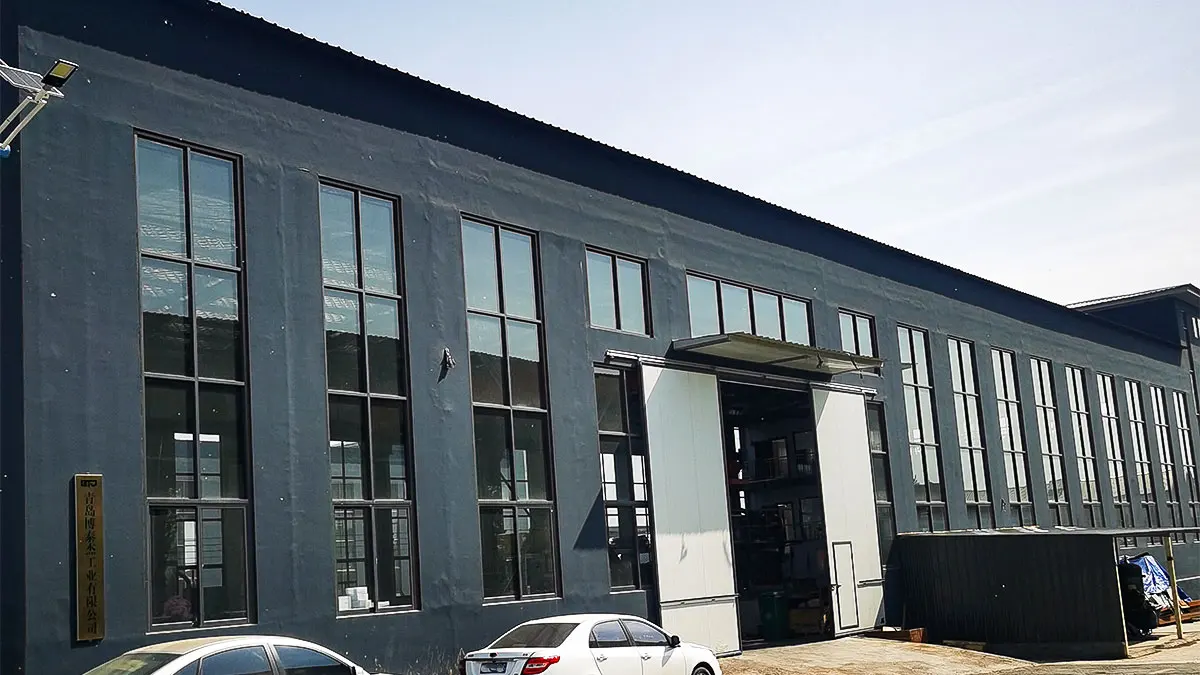
Qingdao Jingcheng Forging Co., Ltd.
- Trading Company
- Shandong, China
- Lead time25 days
- Avg. response≤ 2h
Main productsRigging,container parts,Custom Product,Marine hardware,Trailer Parts
Main marketsNorth America(25.00%), South America(15.00%), Central America(10.00%), South Asia(9.00%), Southeast Asia(6.00%), Africa(5.00%), Southern Europe(5.00%), Mid East(5.00%), Northern Europe(5.00%), Western Europe(4.00%), Eastern Europe(3.00%), Domestic Market(3.00%), Oceania(3.00%), Eastern Asia(2.00%)

HENAN ETERNALWIN MACHINERY EQUIPMENT CO., LTD.
- Verified by BV
- Trading Company,Manufacturer/Factory
- China Henan
- Lead time23 days
Main productsOverhead Crane, Gantry Crane, Jib Crane, Spider Crane with Sucker, Rtg Crane, Sts Crane, Straddle Carrier, Vacuum Lifter Equipment, Portable Gantry Crane, Marine Hydraulic Winch Anchor
Main marketsSouth America,Eastern Europe,Mid East,North America,Southeast Asia,Eastern Asia,Oceania,Western Europe,Africa
Zhejiang Jingli New Material Technology Co., Ltd
- Verified by BV
- Manufacturer/Factory
- China Zhejiang
- Lead time23 days
Main productsRatchet Straps, Webbing Sling, Round Sling, Slackline, Cargo Lock Plank, Track, Winch, Cargo Net, Cargo Bar, Cargo Control
Main marketsSouth America,Eastern Europe,Mid East,North America,Southeast Asia,Eastern Asia,Oceania,Western Europe,Africa

Wealida Marine Power System (Suzhou) Co., Ltd.
- Manufacturer/Factory
- China Jiangsu
- Lead time90 days
Main productsBow Thruster, Rudder Propeller, Deck Machinery, Winch, Windlass, Controllable Pitch Propeller, Tunnel Thruster, Lifejacket
Main marketsSouth America,Eastern Europe,Mid East,North America,Southeast Asia,Eastern Asia,Oceania,Western Europe,Africa
LINYI XIANGYU RIGGING CO., LTD.
- Verified by BV
- Manufacturer/Factory
- China Shandong
- Lead time15 days
Main productsRatchet Tie Down, Car Tow Strap, Cargo Lashing Belt, Cargo Belt, Ratchet Strap, Ratchet Tie Down Strap, Cargo Strap, Lashing Strap, Double J Hook Ratchet Tie Down, Safety Belt
Main marketsSouth America,Eastern Europe,Mid East,North America,Southeast Asia,Eastern Asia,Oceania,Western Europe,Africa

Rizhao Fenghua Scaffoldings Co., Ltd.
- Verified by BV
- Combined
- China Shandong
- Lead time45 days
Main productsScaffolding, Scaffold, Forging, Formwork, Scaffold Couplers, Swivel Coupler, Frame System, Hand Tools, Scaffold Plank
Main marketsSouth America,East Asia(Japan/ South Korea),Europe,North America

MOQ: 1000 Pieces

MOQ: 100 Pieces

MOQ: 100 Pieces

Henan Forging Emperor Industry Co.,Ltd.
- Verified by BV
- Manufacturer/Factory
- China Henan
- Lead time45 days
Main productsForging, Casting, Machining, Machining Parts, CNC Machining Parts, Casting Part, CNC Parts, Hot Die Forging, Machinery Parts, Customized Part
Main marketsSouth America,Eastern Europe,Mid East,North America,Southeast Asia,Eastern Asia,Oceania,Western Europe,Africa


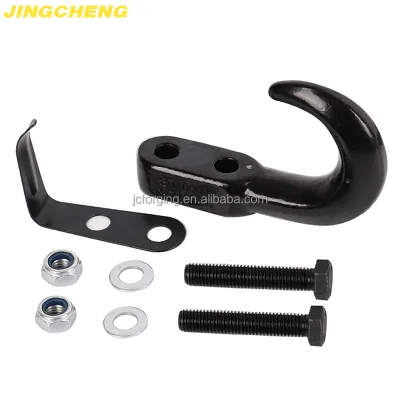
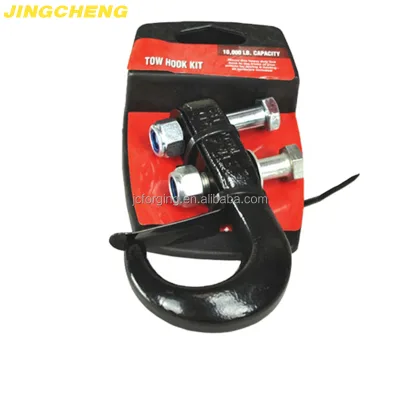
Heavy-Duty Forged Trailer Tow Hook Strong and Resilient for All Towing Needs
$10.00 - $20.00
MOQ: 1000 Pieces

High-Strength Forged Trailer Towing Hook Safe and Efficient for Trailers
$10.00 - $20.00
MOQ: 1000 Pieces


Large Inventory Heavy-Duty Custom Forging Hooks for Lifting Applications
$2.00 - $10.00
MOQ: 1000 Pieces


Shandong Mingdao Heavy Industry Machinery Co., Ltd.
- Verified by BV
- Combined
- China Shandong
- Lead time30 days
Main productsEuropean Overhead Crane, Regular Bridge Crane, Gantry Crane, Jib Crane, Grab Crane, Clean Room Crane, Monorail Crane, Electric Hoist, European Electric Hoist, Explosion Proof Crane
Main marketsSouth America,Domestic,North America
NINGBO NOBLEFU ELECTROMECHANICAL CO., LTD
- Verified by SGS
- Trading Company
- China Zhejiang
- Lead time15 days
Main productsDia Casting Parts and Injection Parts, Injection Molds, Emergency Equipment Accessories, Container Spare Parts, Furniture Hardware Parts, Tailer Spare Parts
Main marketsOthers(foreignTradeCapacity.exportBusinessCapacityMarketOther),Southeast Asia/ Mideast,Europe,North America
Wuxi Henderchan Industrial Co Ltd
- Verified by SGS
- Trading Company
- China Jiangsu
- Lead time45 days
Main productsCustom CNC Machining Parts, CNC Machining Service, Custom Investment Casting Parts, Investment Casting Service, Precision Forging Service, Custom Precision Forging Parts, Hinges, Go Kart Parts, Metal Fabrication Service, Custom Metal Fabrication Parts
Main marketsEurope

Hot Forging Safety Hook Crane/Container Lifting Hook Heavy Duty Lifting Hook
$0.80 - $5.00
MOQ: 100 Pieces

Wholesale Hot Forging Part Crane/Container/Heavy Duty Lifting Hook Crane Hook
$5.00 - $10.00
MOQ: 200 Pieces

Shanghai Anma Industry Co., Ltd.
- Trading Company
- China Shanghai
- Lead time30 days
Main productsCar Accessories, Car Spare Parts, Car Tools, Car Interior Accessories, Car Exterior Accessories, Car Electrical Accessories, Car Lights, Car Mirror, Car Emergency Kits, Car Care Products
Main marketsSouth America,Others(foreignTradeCapacity.exportBusinessCapacityMarketOther),Southeast Asia/ Mideast,Europe,North America

Suzhou Aroliss Auto Parts Co., Ltd.
- Manufacturer/Factory
- China Jiangsu
- Lead time60 days
Main productsTrailer Part, Traile Hinge, Trailer Lock, Hinge, Lock, Trailer Body Parts, Stainless Steel Hinge, Trailer Door Hinge, Trailer Curtain Roller, Spring Bolt
Main marketsSouth America,Eastern Europe,Mid East,North America,Southeast Asia,Eastern Asia,Oceania,Western Europe,Africa




Comprehensive Sourcing Guide
Forged Towing Hook Supplier Concentration and Factory Types
The current supplier landscape for forged towing hooks reveals a distinct concentration of manufacturing activity within specific Chinese provinces, notably Zhejiang and Shandong. These regions host a mix of company types including manufacturers, factories, group corporations, and trading companies. Suppliers in these areas often list main products that extend beyond simple hooks to include investment casting, precision casting, sand casting, lost wax casting, and various forging processes like open die forging and steel forging. This clustering suggests a mature industrial ecosystem where raw material access and specialized machinery are readily available, facilitating the production of complex items like excavator buckets and mini excavator buckets alongside standard towing hardware.
When evaluating the factory type, buyers must distinguish between direct manufacturers and trading companies, as this impacts control over the production process. The observed data indicates that many suppliers operate as combined entities or group corporations, offering both OEM and ODM capabilities. Some suppliers explicitly state their capacity for customization, while others focus on trading. It is crucial to verify if a supplier is a direct factory or a middleman by checking their listed company type and main product focus. A manufacturer typically controls the forging process from raw steel to the final hook, whereas a trading company may source from multiple factories. Understanding this distinction helps in assessing the depth of technical expertise available for custom specifications and the potential for cost negotiation.
How to Verify Forged Towing Hook Suppliers
Verification of Forged Towing Hook suppliers relies heavily on third-party audit reports and system certifications rather than self-declared claims. The available data shows that suppliers may hold ISO 9001 or ISO9001:2015 certificates, which indicate a baseline quality management system. Additionally, specific verification badges such as SGS or TÜV Rheinland appear in the results, serving as external validation of the supplier's operational integrity. Buyers should prioritize suppliers displaying these specific verification marks, as they confirm that an independent agency has inspected the facility or the product quality. Relying solely on internal claims without third-party backing introduces significant risk regarding the actual manufacturing standards and consistency of the forged hooks.
Beyond certifications, buyers must scrutinize the specific product attributes and testing claims provided in the supplier listings. Evidence suggests that some suppliers offer quality testing results and specify technologies like forging or drop forging for their hooks. It is essential to request detailed test reports for the specific hook model, such as the Heavy Duty Drop Forged Towing Winch Hook, to confirm tensile strength and material composition. Buyers should verify if the supplier provides certifications like CE, TUV, or GS for their specific products, as these indicate compliance with safety and performance standards. Without concrete evidence of these tests and certifications, the buyer cannot confirm that the forged hooks will meet the required load-bearing specifications for industrial or automotive applications.
What to Compare Across Forged Towing Hook Suppliers
Comparing suppliers requires a systematic analysis of key operational metrics such as lead time, minimum order quantity, and pricing structures. The data indicates a wide variance in lead times, ranging from 15 days to 45 days depending on the supplier and order complexity. Some suppliers offer a lead time of 30 days after order confirmation, while others may require up to 45 days. Buyers must align these timelines with their project schedules, noting that shorter lead times often correlate with higher inventory levels or established production lines. Additionally, minimum order quantities vary significantly, with some suppliers requiring as few as 20 units while others mandate 500 units. This disparity affects the total cost of ownership and the feasibility of small-batch testing or initial market entry.
Pricing and customization options are equally critical factors in the comparison process. Product evidence shows price ranges from as low as 0.10 to as high as 15.90 per unit, heavily influenced by material, size, and surface treatment. Suppliers offering customization for logos, surface finishes like galvanized or powder coating, and specific dimensions allow for tailored solutions but may impact the unit price and lead time. Buyers should compare the total cost including packing methods, such as plywood boxes, wooden cartons, or palletized shipments, as these affect logistics costs. Furthermore, the availability of after-sales support, such as repair services or warranty periods, should be weighed against the initial price to determine the long-term value proposition of each supplier.
Common Forged Towing Hook Sourcing Risks
One primary risk in sourcing forged towing hooks is the inconsistency in material standards and product specifications across different suppliers. While some listings specify standards like AISI, ASTM, DIN, or GB, others may only offer "customization" without defining the underlying material grade. This ambiguity can lead to the receipt of hooks that do not meet the required safety or performance criteria for heavy-duty applications. Buyers must explicitly request material certificates and ensure that the specified standard matches the intended use, whether for automotive towing, industrial lifting, or mining operations. Relying on generic descriptions without verified material data increases the likelihood of product failure under load.
Another significant risk involves the reliability of delivery timelines and the potential for production delays. The observed lead times vary from 15 to 45 days, and some suppliers state delivery times as "30 days after order confirmation." If a supplier lacks the capacity to meet these timelines consistently, it can disrupt the buyer's supply chain. Additionally, the risk of receiving substandard surface treatments, such as inadequate galvanization or painting, is present if the supplier does not adhere to strict quality control protocols. Buyers should verify the supplier's track record for on-time delivery and quality assurance by reviewing past performance data or requesting samples before placing large orders. Failure to address these risks can result in costly delays and compromised product integrity.
Forged Towing Hook Regional Sourcing and Logistics
Sourcing forged towing hooks from China involves navigating logistics from specific manufacturing hubs like Zhejiang, Shandong, and Ningbo. These regions are known for their robust industrial infrastructure and proximity to major ports, which facilitates efficient export shipping. Suppliers in these areas often utilize packing methods such as plywood boxes, wooden cartons, or palletized shipments to protect the heavy metal hooks during transit. The choice of origin can influence shipping costs and transit times, with Qingdao and Ningbo being prominent port cities for international freight. Buyers should consider the logistical advantages of sourcing from these established clusters to ensure reliable and cost-effective transportation of their orders.
Logistics planning must also account for the specific packing requirements and export market destinations of the supplier. Evidence indicates that products are often packed in plywood boxes, wooden cartons, or PP bags with gunny bags, and then placed on pallets for sea freight. The export market is listed as global, suggesting that suppliers are experienced in handling international shipping documentation and customs clearance. However, buyers should verify the specific packing details to ensure the hooks are protected against corrosion and physical damage during long-haul transport. Understanding the regional logistics capabilities helps in estimating the total landed cost and planning the inventory flow to meet customer demand without unnecessary delays or damage.
Forged Towing Hook Commercial Terms and Order Planning
Commercial terms for forged towing hooks include critical details on payment, warranty, and after-sales support that must be clearly defined before order placement. Some suppliers offer a one-year warranty and provide repair services, which adds value to the purchase and mitigates the risk of product defects. The availability of customization, including logo printing and specific surface treatments, is often a key commercial term that affects the final price and production timeline. Buyers should negotiate these terms explicitly, ensuring that the supplier commits to the agreed-upon specifications and support levels. Clear commercial terms prevent misunderstandings and provide a legal framework for resolving any disputes that may arise during the transaction.
Order planning requires careful consideration of the minimum order quantities and the scalability of the supplier's production capacity. With MOQs ranging from 20 to 500 units, buyers must balance their initial order size with their inventory needs and cash flow constraints. Suppliers offering OEM and ODM capabilities can scale production as demand grows, but this requires advance planning and communication. Buyers should also consider the response time and communication efficiency of the supplier, as these factors influence the speed of order processing and issue resolution. By aligning order planning with the supplier's capacity and commercial terms, buyers can ensure a smooth procurement process and maintain a steady supply of high-quality forged towing hooks.
FAQs
What is the typical lead time for forged towing hooks?
Lead times vary by supplier, with options ranging from 15 to 45 days after order confirmation. Some manufacturers offer faster delivery within 30 days, while others may require up to 45 days depending on production capacity and order volume.
What are the minimum order quantities for these hooks?
Minimum order quantities differ significantly across suppliers, starting as low as 20 pieces for specific heavy-duty models. Other listings require 50, 100, or 500 units, so buyers should check specific product pages to confirm the exact threshold for their needs.
Which certifications are available for forged towing hooks?
Many products carry ISO 9001 system certification, while specific items may include CE, TUV, or GS marks. Buyers should verify the exact certification listed for each product, as standards like AISI, ASTM, DIN, and GB are also commonly referenced in specifications.
Where are the manufacturers of these hooks located?
Suppliers are primarily located in China, with specific factories found in Zhejiang, Shandong, and Ningbo regions. Qingdao is also noted as an origin point for certain industrial hooks, indicating a concentration of manufacturing capabilities in these coastal provinces.
What surface treatments are offered for forged hooks?
Surface options include galvanized, painting, powder coating, or self-color finishes depending on the specific product. Some suppliers offer custom surface treatments to meet specific corrosion resistance or aesthetic requirements for industrial and towing applications.
Can these hooks be customized for specific needs?
Customization is widely available for most forged towing hooks, allowing for tailored dimensions, logos, and standards. Buyers can request specific drawings or modifications, with many suppliers offering OEM and ODM services to match unique project requirements.
What is the price range for forged towing hooks?
Prices vary based on size and specifications, ranging from approximately 0.10 to 15.90 per unit. Lower-cost options start around 1.00, while heavy-duty or specialized models may reach higher price points, requiring buyers to compare specific listings for accurate budgeting.