Source Heavy Embroidered Hollow Ruffled Top and Skirt Set for Fashion, Events, and Retail
Find and compare 30 listings for the Heavy Embroidered Hollow Ruffled Top and Skirt Set. Evaluate options featuring polyester and linen materials, high-waist designs, and OEM customization services to identify suitable suppliers for your inventory needs.
Key considerations
Products List


Fashionable Black Stripe Knit Tank Top and MIDI Skirt Matching Set for Women
$13.18 - $13.80
MOQ: 200 Sets


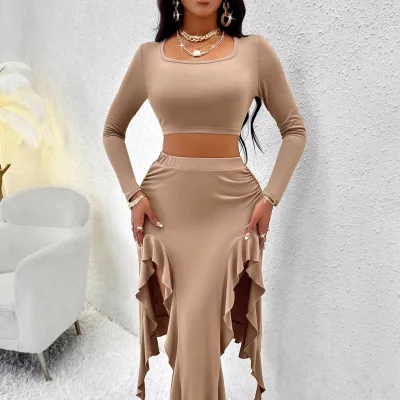
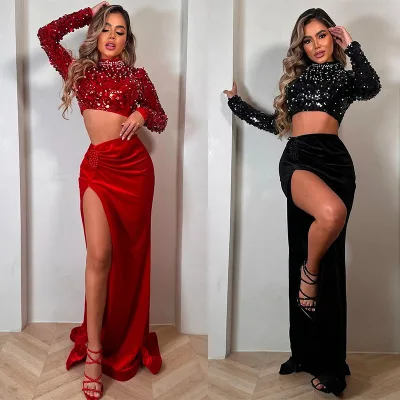

Ruffle Embroidered Top Suspender Long Skirt Elegant Socialite Set Women's Set
$26.00 - $28.00
MOQ: 50 Pieces

Comprehensive Sourcing Guide
Heavy Embroidered Hollow Ruffled Top and Skirt Set Sourcing Guide
Sourcing a Heavy Embroidered Hollow Ruffled Top and Skirt Set requires a nuanced understanding of both aesthetic complexity and structural integrity. These garments are characterized by intricate surface detailing, including dense embroidery and delicate hollow-out techniques, combined with voluminous ruffled silhouettes. Buyers must recognize that "heavy" in this context often refers to the visual weight and textural density of the embellishments rather than the fabric's grammage, which can vary significantly. The interplay between the structured embroidery and the airy, open-work patterns creates a garment that is visually striking but technically demanding to produce consistently.
The procurement process for such items is heavily influenced by the customization capabilities of the supplier. Many manufacturers in this category offer OEM services, allowing for bespoke adjustments in pattern, color, and fit. However, the complexity of the design means that standard off-the-shelf options may not meet specific brand requirements. Buyers need to evaluate whether the supplier can handle the technical challenges of combining heavy embroidery with hollow fabrics without compromising the garment's drape or durability. This guide outlines the critical verification steps, technical considerations, and commercial terms necessary to secure a reliable supply chain for these intricate apparel sets.
Product Scope and Observed Listing Signals
The current market landscape for these sets reveals a diverse range of product attributes, with observed price points ranging from $7.6 to $29.5 USD and minimum order quantities (MOQs) varying between 1 and 300 units. This wide variance suggests a market segmented by both volume and customization depth. Lower MOQs often correlate with higher unit costs, reflecting the setup time required for complex embroidery and ruffle assembly. Buyers should note that while some listings offer single-item purchases, larger orders may unlock more favorable pricing tiers, though the exact cost structure depends on the specific design complexity and material choices.
Product listings indicate a strong emphasis on customization, with many suppliers supporting 7-day sample customization and logo/graphic design integration. The observed product models, such as WZ60409, MY203279, MY202830, and MY203399, suggest a variety of styles available, including skirts, dresses, and tops. Attributes like "Printed," "Patterned," and "Mixed Color" highlight the aesthetic flexibility, while specifications like "High Waist," "Full Skirt," and "Long Length" define the silhouette. Buyers must carefully cross-reference these observed signals with their specific design briefs, as the term "heavy embroidered" may not be uniformly applied across all listings, requiring direct verification of the embellishment density and technique.
Technical Specifications to Verify
Verifying the technical specifications of heavy embroidered hollow ruffled sets is critical to ensuring the final product matches the design intent. The fabric composition is a primary concern, with observed materials including polyester and linen, each offering different drape and care characteristics. Polyester may provide better shape retention for structured ruffles, while linen offers breathability but may wrinkle more easily. Buyers must confirm the exact fabric blend and weight, as the "hollow" aspect can compromise tensile strength if the base fabric is too lightweight. Additionally, the "crocheted" and "printed" techniques observed in some listings indicate diverse manufacturing methods that affect the final texture and durability of the garment.
The construction details, particularly the embroidery and ruffle assembly, require rigorous inspection. The "heavy" embroidery implies a high stitch density, which can add significant weight and stiffness to the fabric. Buyers should verify the backing material used to support the embroidery, as inadequate backing can lead to puckering or tearing, especially in hollow sections. The ruffle construction must be assessed for consistency in pleat depth and attachment security. Loose fit types and specific collar styles, such as round neck or V-neck, also impact the overall fit and comfort. Buyers should request detailed technical packs that specify stitch types, thread tension, and seam allowances to prevent issues like fraying or misalignment during wear.
Compliance and Safety Documentation
Compliance and safety documentation are essential for importing apparel, particularly items with complex embellishments that may pose choking hazards or contain restricted substances. Buyers must ensure that all embroidery threads, hollow fabric components, and ruffle attachments comply with the safety standards of the destination market. This includes verifying that no small, detachable parts are present in areas accessible to children, although the observed target age group is adults, safety standards still apply to general consumer goods. The use of dyes and finishes in the "mixed color" and "patterned" fabrics must be checked for compliance with regulations regarding azo dyes, formaldehyde, and other hazardous chemicals.
Certification status should be verified on a per-supplier basis, as not all manufacturers may hold relevant quality or environmental certifications. Buyers should request test reports from accredited laboratories to confirm that the fabrics and finished garments meet flammability, colorfastness, and chemical safety standards. The "breathable" and "anti-static" features observed in some listings are performance claims that should be substantiated by test data. Additionally, packaging materials, such as the observed clear plastic bags and cardboard boxes, must comply with environmental regulations in the target market, including restrictions on single-use plastics and requirements for recyclability.
Cost Drivers and Commercial Terms
The cost of heavy embroidered hollow ruffled sets is driven by several key factors, including material complexity, labor intensity, and customization requirements. The intricate embroidery and hollow techniques require specialized machinery and skilled labor, which increases production costs compared to standard garments. The "heavy" nature of the embroidery also implies higher thread consumption and longer production times. Buyers should anticipate that designs with dense embellishments and multiple ruffle layers will command higher prices, even within the observed range of $7.6 to $29.5 USD. The supply type, often listed as OEM service, further indicates that costs will vary based on the level of bespoke development required.
Commercial terms, including payment methods, lead times, and shipping arrangements, significantly impact the total cost of ownership. The observed supply ability of 50,000 pieces per month suggests that larger suppliers can handle substantial volumes, but lead times may vary based on order complexity. Buyers should negotiate clear terms for sample production, which typically takes 5 to 8 days, and bulk manufacturing, which can be affected by the customization depth. Packaging details, such as the use of individual clear plastic bags and cartons, also contribute to costs and should be factored into the overall budget. Buyers must ensure that all cost components, including tooling for custom logos and patterns, are transparently disclosed in the quotation.
Supplier Qualification and Quality Control
Supplier qualification is a critical step in mitigating risks associated with complex apparel manufacturing. Buyers should conduct thorough due diligence on potential suppliers, verifying their production capabilities, quality management systems, and past performance. The observed location in Guangdong, China, indicates a hub for textile and apparel manufacturing, but buyers must assess the specific factory's expertise in handling heavy embroidery and hollow fabrics. Requesting references and reviewing case studies of similar products can provide insights into the supplier's ability to deliver consistent quality. Additionally, verifying the supplier's capacity for OEM services and custom design implementation is essential for ensuring alignment with brand requirements.
Quality control measures must be established at every stage of production, from fabric inspection to final packaging. Buyers should implement a robust QC plan that includes in-line inspections during embroidery and ruffle assembly to catch defects early. The final inspection should focus on the integrity of the hollow sections, the consistency of the embroidery pattern, and the overall fit and finish of the garment. Given the "loose fit" and "straight" or "full skirt" styles observed, fit testing on standard size samples is crucial to ensure that the design translates correctly to the final product. Buyers should also verify the supplier's ability to handle returns and replacements for defective items, ensuring a smooth resolution process for any quality issues.
Long-Term Procurement Checks
Long-term procurement success depends on establishing a sustainable and adaptable supply chain for heavy embroidered hollow ruffled sets. Buyers should regularly review supplier performance metrics, including on-time delivery rates, quality consistency, and responsiveness to design changes. The fashion industry is dynamic, and suppliers must be able to adapt to changing trends and customer preferences. Maintaining open communication channels and fostering a collaborative relationship with suppliers can facilitate continuous improvement and innovation. Buyers should also monitor market trends and competitor offerings to ensure that their product assortment remains competitive and relevant.
Continuous improvement initiatives should be integrated into the procurement process, focusing on cost optimization, quality enhancement, and sustainability. Buyers can work with suppliers to identify opportunities for reducing waste, improving production efficiency, and using more sustainable materials without compromising the aesthetic appeal of the garments. Regular audits and performance reviews can help identify areas for improvement and ensure that suppliers remain aligned with brand values and standards. By proactively managing the supply chain and maintaining a focus on long-term partnerships, buyers can secure a reliable source for high-quality, intricate apparel sets that meet the demands of the modern market.
FAQs
Can I customize the logo on the Heavy Embroidered Hollow Ruffled Top and Skirt Set?
Yes, logo and graphic design customization is available for this product. The supplier supports OEM services and offers 7-day sample customization to meet specific branding needs for bulk orders.
What is the minimum order quantity for the Heavy Embroidered Hollow Ruffled Top and Skirt Set?
The minimum order quantity ranges from 1 to 300 units depending on the specific model selected. Buyers can order single items or larger batches, with supply capabilities reaching 50,000 pieces per month.
How long does it take to make a sample for the Heavy Embroidered Hollow Ruffled Top and Skirt Set?
Sample making typically requires 5 to 8 days to complete. This timeline applies to custom designs, allowing buyers to verify quality and fit before committing to a larger production run.
What materials are used for the Heavy Embroidered Hollow Ruffled Top and Skirt Set?
Materials include polyester and linen, with some styles featuring woolen fabric types. The specific material depends on the model, such as the MY203279 or MY202830 variants listed in the catalog.
Where is the Heavy Embroidered Hollow Ruffled Top and Skirt Set manufactured?
The products originate from Guangdong, China. This location is the primary place of origin for the listed items, ensuring consistent manufacturing standards for the Heavy Embroidered Hollow Ruffled Top and Skirt Set.
What packaging is used for the Heavy Embroidered Hollow Ruffled Top and Skirt Set?
Items are packed in clear plastic bags with one bag per piece, then placed in cartons. Some models use cardboard boxes, and standard packaging dimensions are 40x30x3 cm or similar variations.
Which seasons are suitable for wearing the Heavy Embroidered Hollow Ruffled Top and Skirt Set?
These sets are designed for summer, spring, and fall seasons. Specific models are categorized for summer or spring/summer wear, ensuring breathability and comfort during warmer weather periods.