Source Heavy Truck Alternator Voltage Regulator for Buses Coaches Trucks
Find 30 Heavy Truck Alternator Voltage Regulator options for buses, coaches, and refrigerated trucks. Compare specifications like output voltage and model numbers to select the right replacement part for your fleet.
Key considerations
Products List

Ouri Truck Spare Parts Alternator Regulator F00m145447 for Heavy Duty Trucks
$5.50 - $8.50
MOQ: 10 pieces


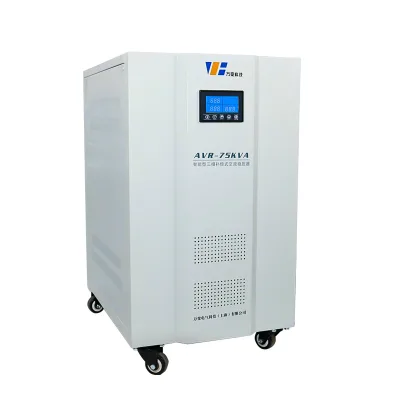


Smart Auto Voltage Regulator for Effective Voltage Management Solutions
$1896.00 - $1987.00
MOQ: 1 Pieces

High Voltage Intelligent Voltage Regulator for Reliable Power Systems
$1896.00 - $1987.00
MOQ: 1 Pieces

Advanced Auto Voltage Regulator for Effective Voltage Management Systems
$1896.00 - $1987.00
MOQ: 1 Pieces

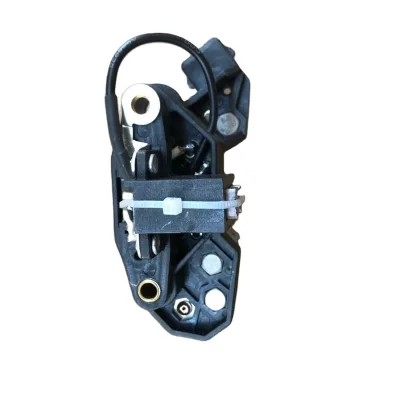
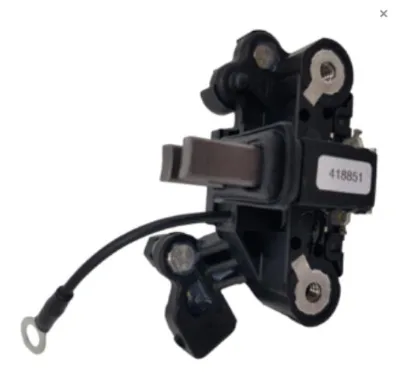
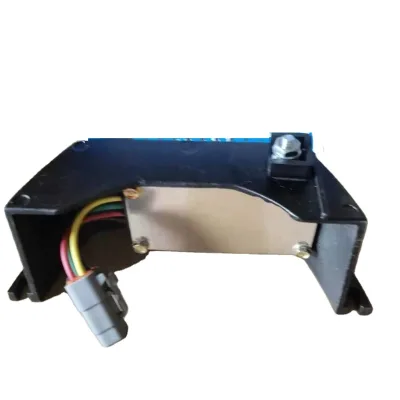
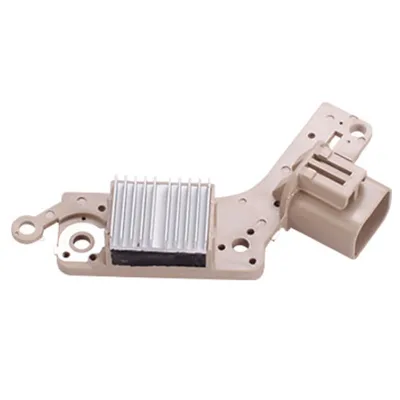
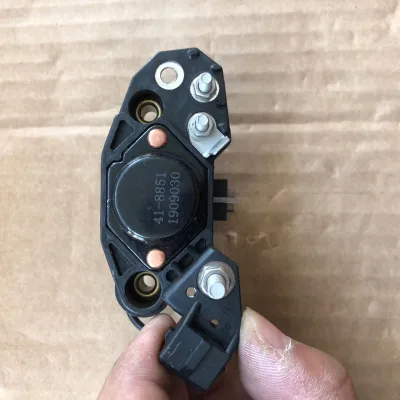


Automatic Voltage Regulator for Generator Set AC Voltage Stabilizer R449
$42.30 - $45.90
MOQ: 20 pieces


Reliable Automatic Voltage Regulator for Sensitive Electrical Equipment
$10000.00 - $80000.00
MOQ: 1 Sets
Comprehensive Sourcing Guide
Strategic Sourcing Guide for Heavy Truck Alternator Voltage Regulators
Understanding Component Variability and Technical Specifications
When sourcing a Heavy Truck Alternator Voltage Regulator, buyers must first navigate a landscape of diverse technical specifications that often appear under similar product names. The market data indicates a significant variance in product attributes, ranging from specific automotive components like the Power Window Regulator Motor to heavy-duty industrial units such as Basic Diesel Generators. For the specific application of heavy truck alternators, the critical technical focus lies in the electrical output parameters and the mechanical integration points.
The supplied product facts reveal that voltage regulators for these applications often support a wide range of output voltages, specifically noting ranges such as 380±2% up to 380±15%. This variance suggests that a single "standard" voltage regulator does not exist; rather, the component must be matched precisely to the truck's electrical system architecture. Furthermore, the output power capacity varies significantly, with documented instances ranging from 1.5kVA to 15kVA cabinet units. Buyers must verify that the selected regulator aligns with the specific kilovolt-ampere requirements of the vehicle's alternator to prevent under-voltage conditions or system overload.
Another critical specification involves the excitation mode and cooling method. While some industrial generators utilize AC Rotating Exciters and Water Cooling, heavy truck applications typically demand robust, air-cooled, or compact liquid-cooled solutions depending on the engine bay configuration. The installation method is another variable, with options ranging from fixed installations to those requiring specific mounting hardware. The product model numbers serve as the primary identifier for these differences, with examples including 3701010-D473/JFZ270-0300 and 8RG3082-ZU. These alphanumeric codes are not merely labels but represent distinct engineering designs tailored for specific alternator types, such as the "Car Alternator" or "Bus and Truck Alternator" categories noted in the data.
Compliance, Certification, and Standard Verification
Ensuring compliance with industry standards is a non-negotiable aspect of procurement for heavy truck components. The provided facts highlight the presence of TSISO9001:2000 certification, which serves as a baseline indicator of a manufacturer's quality management system. However, buyers should not assume that every listed product carries this certification or that it applies to the specific voltage regulator unit in question. The presence of a CE mark is mentioned in low-confidence background data, which implies that while some suppliers may claim compliance, this status requires independent verification before acceptance.
In the context of heavy truck alternators, the standard for the component itself is equally critical. The data references "Copper Graphite Carbon Brush" as a standard attribute, indicating that the internal contact materials are a key compliance point. These brushes are essential for the transfer of current to the rotor and must meet specific wear and conductivity standards. Buyers should verify that the supplier can provide documentation confirming that the carbon brushes meet the necessary industry standards for durability and electrical conductivity.
Additionally, the product standard is listed as "STANDARD" in several instances, but this generic term requires clarification. Buyers must demand specific technical standards, such as ISO or SAE standards relevant to automotive electrical systems, rather than accepting a generic "standard" label. The distinction between "Customization: Available" and "Customized: Non-Customized" is also vital. While some suppliers offer customization, the core voltage regulator for a heavy truck often requires a precise, non-customized fit to ensure compatibility with the existing alternator housing and wiring harness. Any deviation from the standard model number, such as the 8RL3018C or 8RG3082-ZU, should be scrutinized to ensure it does not compromise the electrical integrity of the system.
Cost Drivers and Pricing Structure Analysis
The pricing structure for heavy truck alternator voltage regulators is influenced by a complex array of factors, as evidenced by the observed price range of $5.5 to $80,000 USD. This extreme variance indicates that the market includes everything from simple replacement units to complete generator assemblies or high-capacity industrial systems. For a buyer specifically seeking a Heavy Truck Alternator Voltage Regulator, the lower end of this spectrum likely represents the standalone regulator unit, while the higher end may include full alternator assemblies or specialized industrial generators.
Several key cost drivers must be evaluated during the sourcing process. First, the output power capacity is a primary determinant of cost. Units rated at 15kVA or those housed in cabinets naturally command higher prices than those rated at 1.5kVA. Second, the complexity of the excitation mode and cooling method affects manufacturing costs. An AC Rotating Exciter with water cooling involves more complex engineering than a basic fixed installation, leading to a higher price point. Third, the level of customization plays a role; while "Customization: Available" is listed, customizing a voltage regulator to fit a specific truck model often incurs additional tooling and engineering fees.
The Minimum Order Quantity (MOQ) is another significant cost driver, with observed ranges from 1 to 200 units. Buyers purchasing a single replacement unit may face a higher per-unit cost compared to those ordering in bulk. The packaging method, whether "Cartons," "Cardboard Box," or "Carton/Customizable," also impacts logistics costs. Customizable packaging might reduce damage during transit but could increase the initial unit price. Finally, the "Sample Delivery Time" of 24 hours versus a standard "Delivery Time" of 5 days suggests that expedited shipping or sample acquisition can influence the total cost of ownership. Buyers should calculate the total landed cost, including shipping and potential customs duties, rather than focusing solely on the unit price.
Typical Applications and Operational Environments
The operational environment of a Heavy Truck Alternator Voltage Regulator dictates the required durability and performance specifications. The data explicitly lists applications for "Buses, Coaches, and Refrigerated Truck Electrical," as well as general "Car Alternator" and "Bus and Truck Alternator" usage. This confirms that the component is designed for high-vibration, high-temperature, and continuous-duty environments typical of commercial transportation.
The "Conditions of Use" are specified as "Car Type," which in a B2B context for heavy trucks implies a need for components that can withstand the rigors of long-haul transportation. The "Landuse Type of Unit" is noted as "Ordinary," suggesting that while the unit is designed for standard commercial use, it must still meet the rigorous demands of daily operation. The "Life Span" is a critical metric, with some products claiming a lifespan of over 8000 hours. For a heavy truck, which may operate 24/7, this lifespan translates to significant operational uptime and reduced maintenance frequency.
The "Usage" category is listed as "Common Units," indicating that these regulators are widely applicable across various truck models. However, the specific "Applicable Models" must be verified against the buyer's fleet. The "Product Name" variations, such as "Generator Regulator Assembly" versus "Alternator Voltage Regulato," suggest that some products may include additional components or be sold as a complete assembly. Buyers must ensure that the selected product matches the exact application requirements of their fleet, whether it is for a refrigerated truck requiring stable power for cooling units or a standard coach requiring reliable charging for auxiliary systems.
Supplier Evaluation and Quality Assurance Protocols
Evaluating suppliers for heavy truck alternator voltage regulators requires a rigorous approach to quality assurance. The "Quality" attribute is listed as "100% Test," which is a strong indicator of a supplier's commitment to quality control. However, buyers should verify the scope of these tests. Does the 100% test cover electrical output, thermal performance, and vibration resistance? The "Product Quality" is described as "High Quality," but this is a subjective claim that must be backed by objective data.
The "Product Status" is consistently listed as "Brand-New" or "New," ensuring that buyers receive fresh components rather than refurbished units. The "Single Gross Weight" of 0.300kg provides a baseline for logistics planning, but buyers should confirm if this weight applies to the regulator alone or the entire assembly. The "Origin" of the products varies, with locations listed as Zhangjiang, Shandong, and China. While these locations indicate the manufacturing base, buyers should verify the specific factory capabilities and whether the origin impacts the supply chain reliability.
Supplier evaluation should also include an assessment of their "Delivery Time" and "Sample Delivery Time." A 5-day delivery time for standard orders and a 24-hour sample delivery time suggest a responsive supply chain. However, buyers must confirm if these times are consistent across different regions and if they account for potential delays in international shipping. The "Packing" methods, ranging from standard cartons to customizable options, should be evaluated for their ability to protect the component during transit. High-quality packaging is essential to prevent damage to sensitive electrical components.
Long-Term Procurement and Lifecycle Management
Long-term procurement of heavy truck alternator voltage regulators involves more than just the initial purchase; it requires a strategy for lifecycle management and maintenance. The "Purpose" of the product is listed as "for Replace/Repair," indicating that these components are designed for maintenance cycles. Buyers should establish a proactive replacement schedule based on the "Life Span" of over 8000 hours to prevent unexpected failures.
The "Customization" availability offers flexibility for fleet managers who may need to adapt components to older truck models or specific modifications. However, reliance on customization can introduce variability in the supply chain. Buyers should aim to standardize their fleet on non-customized, standard models where possible to simplify inventory management and reduce lead times. The "OE No." (Original Equipment Number) and "Oeno" (e.g., 0008202808, 8rg3082-Zu) are critical for ensuring compatibility. Buyers should maintain a database of these numbers to streamline the reordering process and ensure that replacement parts are exact matches.
Finally, the "Input Voltage" being "Consult customer service" highlights the need for technical support. Buyers should establish a direct line of communication with suppliers to verify voltage requirements and ensure that the regulator is compatible with their specific alternator setup. This proactive approach to technical support can prevent costly errors and ensure the longevity of the heavy truck's electrical system. By focusing on these long-term considerations, buyers can optimize their procurement strategy and maintain a reliable, efficient fleet.
FAQs
What certifications do heavy truck alternator voltage regulators have?
Some products carry TSISO9001:2000 certification as a quality management baseline. Buyers must verify this status individually as not every listed unit includes it, and generic standard labels require specific technical confirmation.
Which output power capacities are available for these regulators?
Available capacities range from 1.5kVA up to 15kVA cabinet units. The specific rating must match the vehicle's alternator requirements to prevent system overload or under-voltage conditions during operation.
Can I find regulators with a specific delivery time?
Standard delivery times are listed as 5 days with sample delivery in 24 hours. Expedited options may exist, but buyers should confirm if these times account for international shipping and customs delays.
How does customization affect the product specifications?
Customization is available for some units but many are non-customized standard models. Buyers should prioritize non-customized fits to ensure compatibility with existing alternator housing and wiring harnesses without compromising electrical integrity.
What is the expected lifespan of these components?
Some products claim a lifespan exceeding 8000 hours for continuous operation. This metric supports proactive replacement schedules to maintain uptime in heavy-duty commercial transportation environments.
Which packaging methods are used for shipping these parts?
Packaging options include cartons, cardboard boxes, and customizable carton solutions. Proper packaging is essential to protect sensitive electrical components from damage during transit and handling.