Source Heavy Truck Clutch Booster for Repair, Replacement, and Fleet Maintenance
Explore 30 listings for Heavy Truck Clutch Booster components available from suppliers in China. Buyers can compare specifications, prices, and delivery times for parts used in repair, replacement, and fleet maintenance operations.
Key considerations
Products List
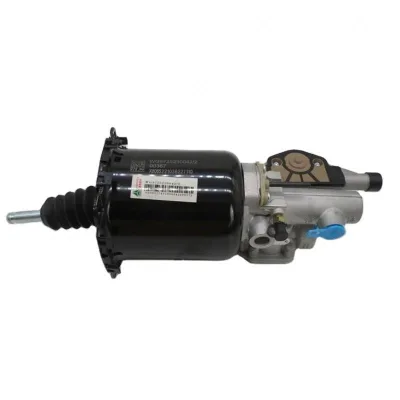


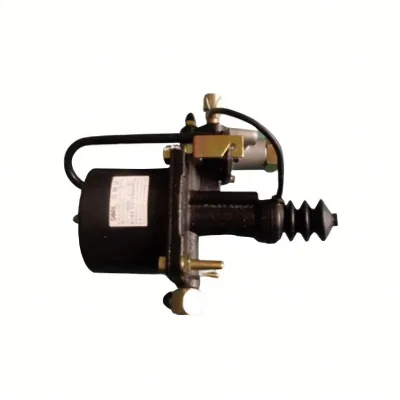

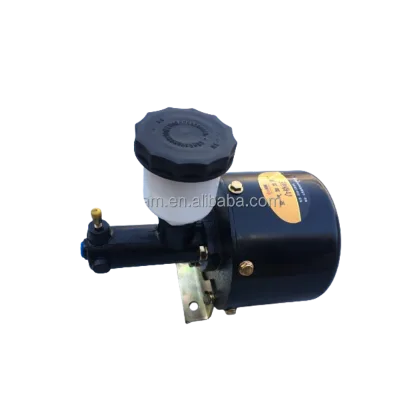


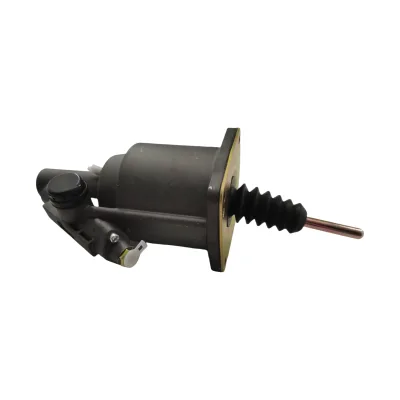
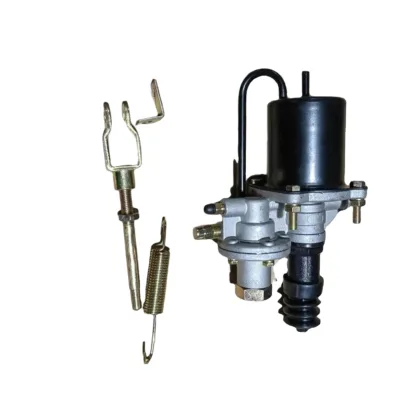


Original Heavy Duty Truck Parts Clutch Booster 1106616200021 for Foton Truck
$59.00 - $65.00
MOQ: 1 Pieces

Original Heavy Duty Truck Parts Clutch Booster L0162050005b0 for Foton Truck
$54.00 - $60.00
MOQ: 1 Pieces


Truck Clutch Booster Used for Truck Spare Parts Hino Isuzu Ford Actros Mack Kw
$25.00 - $30.00
MOQ: 5 Pieces
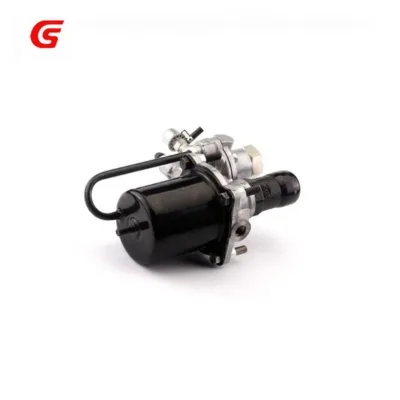


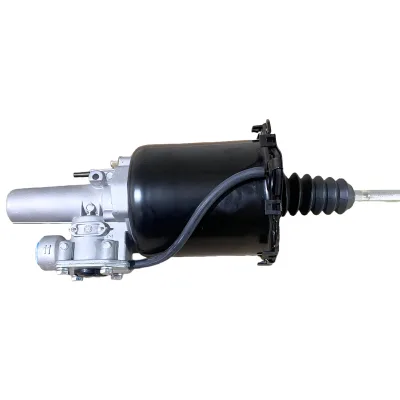

Comprehensive Sourcing Guide
Strategic Sourcing Guide for Heavy Truck Clutch Boosters
Understanding the Technical Architecture and Component Variants
The Heavy Truck Clutch Booster is a critical hydraulic or pneumatic actuation component designed to reduce the force required by the driver to engage and disengage the clutch mechanism. In the context of heavy-duty commercial vehicles, this component is not a generic part but a highly specific assembly often tied to the engine's transmission system and the overall driving system architecture. Based on observed market data, these units are frequently identified by specific part numbers such as 9700514550 and Wg9725230041, which correspond to distinct manufacturing specifications for models like the HOWO truck series.
The technical composition of these boosters typically involves a robust steel or aluminum alloy housing, depending on the specific design requirements for weight reduction versus durability. For instance, certain variants utilize steel for the main body to withstand high torque loads, while others may incorporate aluminum alloy components to optimize the weight-to-strength ratio. The internal mechanics often rely on casting techniques to ensure structural integrity under the high-pressure conditions of heavy truck operations. The "Standard Size" designation found in many listings suggests that while the external dimensions may vary, the interface points and mounting flanges adhere to industry-standard dimensions to ensure compatibility with existing vehicle frames.
Buyers must recognize that the "Type" classification for these parts often overlaps with broader system categories. While the primary function is clutch actuation, these components are frequently categorized under "Engine" or "Transmission System Parts" in supplier catalogs because of their direct mechanical linkage to the powertrain. The driving system parts, including the steering transmission device and transmission shaft, often share the same supply chain ecosystem. Understanding this interconnectivity is vital for procurement, as a failure in the clutch booster can cascade into transmission inefficiencies or complete drivetrain failure. The material selection, whether steel or aluminum alloy, directly influences the single gross weight of the package, which can range from 4.000 kg to 10.000 kg per unit, impacting logistics planning and freight costs.
Compliance, Certification, and Quality Verification Protocols
In the B2B procurement of heavy truck components, verifying compliance and certification is as critical as evaluating the physical specifications of the product. The global market for truck parts demands rigorous adherence to quality management systems to ensure that components can withstand the rigors of long-haul transportation. One of the most frequently cited certifications in the current supply landscape is ISO9001, which indicates that the manufacturer has implemented a quality management system that meets international standards. Some listings also reference "ISOStandard Component" status, suggesting that the parts are manufactured to meet specific dimensional and material tolerances defined by international standards.
However, buyers must exercise caution when interpreting certification claims. The presence of a certification label does not automatically guarantee that every batch of goods meets the standard without independent verification. The "Quality: Original" attribute often appears in product descriptions, implying that the parts are genuine OEM replacements rather than aftermarket reproductions. This distinction is crucial for fleet managers who require parts that match the original equipment manufacturer's specifications to maintain vehicle warranties and safety records. The "OEM Services Provided" attribute further suggests that suppliers may offer custom manufacturing capabilities, but this requires a clear definition of the original part number and technical drawings to ensure exact replication.
When evaluating a supplier's compliance, buyers should request documentation that links the specific part number, such as 216500130 or 9700514550, to the relevant quality certificates. The "Condition: New" status is a standard expectation, but it must be verified against the physical inspection of the goods upon arrival. Additionally, the "Customization: Available" attribute indicates that some suppliers can adapt components to specific vehicle models, but this process must be managed with strict quality control to prevent deviations from the original design. The "Material" specification, whether steel or aluminum alloy, should be cross-referenced with the supplier's material test reports to ensure the chemical composition matches the required performance standards for heavy-duty applications.
Cost Drivers and Pricing Dynamics in the Global Market
The pricing of heavy truck clutch boosters is influenced by a complex matrix of factors, including material costs, manufacturing complexity, and logistics. The observed price range in the market spans from 1 to 70 USD, a wide variance that reflects differences in part complexity, material quality, and supplier positioning. Lower-priced items may represent basic replacement units or those with simplified packaging, while higher-priced items often include premium materials, extended warranties, or specialized customization services. It is essential for buyers to understand that the lowest price point does not necessarily equate to the best value, particularly when considering the long-term operational costs of truck downtime.
Material costs play a significant role in the final price. Components made from steel, which is generally more robust and heavier, may have different cost structures compared to those utilizing aluminum alloy, which offers weight savings but may involve more expensive processing techniques. The "Single gross weight" of the product, ranging from 4.000 kg to 10.000 kg, directly impacts shipping costs. Heavier items require more fuel and larger freight containers, which can significantly increase the landed cost of the part. Furthermore, the "Packing" method, whether it is a neutral box, wooden carton, or palletized wooden box, adds to the overall cost. Wooden packaging is often more expensive but provides superior protection for heavy components during international transit.
Lead time is another critical cost driver. The "Delivery Time" for these components typically ranges from 2 to 7 working days, depending on the supplier's location and inventory levels. Suppliers located in Jinan, Shandong, China, or other manufacturing hubs may offer faster turnaround times due to proximity to major logistics networks. However, rush orders or custom manufacturing requests can extend these timelines, potentially incurring additional expedited shipping fees. Buyers should also consider the "MOQ" (Minimum Order Quantity), which varies from 1 piece to 50 pieces. While a low MOQ allows for smaller, more frequent orders, it may result in a higher unit price compared to bulk purchasing. The "Selling Units" being listed as "Single item" suggests flexibility for small fleet operators, but larger fleets may benefit from negotiating volume discounts to reduce the per-unit cost.
Typical Applications and Vehicle Compatibility
The Heavy Truck Clutch Booster is designed for specific applications within the commercial transport sector, primarily serving as a replacement or repair component for heavy-duty vehicles. The "Purpose" of these parts is explicitly stated as "for replace/repair," indicating their role in maintaining the operational readiness of aging fleets or replacing damaged components after accidents. The "Car fitment" data reveals that these parts are compatible with major brands such as KingLong, and the specific part numbers like 9700514550 and Wg9725230041 are associated with the HOWO truck series. This specificity underscores the importance of matching the part number exactly to the vehicle model to ensure proper fitment and function.
The applications extend beyond simple replacement; these boosters are integral to the "Transmission System Parts" and "Steering System Parts" ecosystems. In heavy trucks, the clutch booster works in tandem with the transmission shaft and steering transmission device to manage power delivery and vehicle control. The "Driving System Parts" and "Electrical System Parts" categories also intersect with the clutch booster's function, as the engagement of the clutch affects the starting system and overall vehicle dynamics. Buyers must verify that the "Model Number" of the booster matches the specific generation and variant of their truck fleet, as even minor differences in the chassis or engine configuration can render a part incompatible.
The "Main Market" for these components includes regions like South Asia, where heavy truck usage is prevalent due to extensive logistics networks and infrastructure development. However, the "Market: Global" attribute indicates that these parts are traded worldwide, making them accessible to buyers in various regions. The "Standard Size" designation suggests that these components are designed to fit a wide range of vehicles within the heavy truck category, but the "Customization: Available" option allows for adaptations to unique fleet requirements. Understanding the specific application context is essential for selecting the right part, as a mismatch can lead to operational failures, increased maintenance costs, and safety hazards on the road.
Supplier Evaluation and Selection Criteria
Selecting the right supplier for heavy truck clutch boosters requires a thorough evaluation of their capabilities, reliability, and track record. The "Place of Origin" for many of these components is listed as Shandong, China, specifically Jinan, which is a known hub for heavy truck manufacturing and parts production. Buyers should prioritize suppliers who can provide clear documentation of their manufacturing processes, including the "Technics" used, such as casting, which is a common method for producing durable metal components. The "Quality: Original" attribute is a strong indicator of a supplier's commitment to providing genuine parts, but it should be supported by verifiable evidence such as certificates of authenticity or direct partnerships with original equipment manufacturers.
Payment terms are another critical factor in supplier evaluation. The observed payment methods include TT (Telegraphic Transfer), Western Union, LC (Letter of Credit), and Money Gram. Each of these terms carries different levels of risk and security for the buyer. Letters of Credit are generally preferred for large transactions as they provide a bank guarantee, while Telegraphic Transfers and Western Union offer speed but less protection. Buyers should assess their risk tolerance and negotiate terms that balance security with cash flow requirements. The "Warranty" period, which ranges from 6 months to 1 year, is also a key indicator of supplier confidence in their product. A longer warranty period suggests that the supplier stands behind the durability and performance of their components.
The "Sample: offered" attribute is a valuable tool for supplier evaluation, allowing buyers to physically inspect the quality of the product before committing to a larger order. This is particularly important for custom parts or when dealing with new suppliers. Buyers should request samples to verify the "Material" composition, "Single package size," and overall build quality. Additionally, the "Customization: Available" feature allows buyers to work with suppliers who can tailor components to specific fleet needs, but this requires clear communication and detailed specifications to ensure the final product meets expectations. Evaluating the supplier's ability to meet "Delivery Time" expectations, which range from 2 to 7 working days, is also essential for maintaining supply chain efficiency and minimizing downtime.
Long-Term Procurement Considerations and Quality Assurance
Sourcing heavy truck clutch boosters is not merely a transactional activity but a strategic decision that impacts the long-term reliability and cost-efficiency of a fleet. The "Warranty" period, typically ranging from 6 months to 1 year, provides a baseline for expected product life, but buyers should plan for proactive maintenance and replacement schedules based on actual usage data. The "Condition: New" status is a starting point, but the long-term performance of the component depends on the quality of the materials and the precision of the manufacturing process. Buyers should establish a quality assurance protocol that includes regular inspections of incoming parts to ensure they meet the specified "Material" and "Size" requirements.
The "Packing" method, whether it is a neutral box, wooden carton, or palletized wooden box, plays a significant role in the long-term preservation of the component. Proper packaging protects the part from damage during transit and storage, ensuring that it remains in "New" condition until installation. The "Single gross weight" and "Single package size" are critical for logistics planning, as they determine the storage space required and the handling equipment needed. Buyers should consider the "Lead Time" variability, which can range from 2 to 7 working days, and factor this into their inventory management strategies to avoid stockouts.
Long-term procurement also involves building strong relationships with suppliers who can offer consistent quality and reliable service. The "OEM Services Provided" attribute suggests that suppliers may be capable of supporting custom needs, which can be valuable for fleets with unique requirements. Buyers should maintain open communication with suppliers regarding any changes in vehicle models or operational conditions that might affect part compatibility. Finally, the "Market" reach of the supplier, whether local to South Asia or global, can influence the availability of spare parts and the speed of response to urgent repair needs. By focusing on these long-term considerations, buyers can ensure a stable and efficient supply chain for their heavy truck operations.
FAQs
What part numbers are available for heavy truck clutch boosters?
Available part numbers include 9700514550, Wg9725230041, and 216500130. These specific identifiers correspond to distinct models like the HOWO truck series and ensure compatibility with heavy-duty vehicle systems.
Which certifications do Heavy Truck Clutch Booster manufacturers hold?
Manufacturers often hold ISO9001 certification and produce ISOStandard components. This indicates adherence to international quality management systems and dimensional tolerances required for heavy-duty commercial vehicle applications.
How long is the delivery time for heavy truck clutch boosters?
Delivery times typically range from 2 to 7 working days depending on the supplier. Factors such as inventory levels and specific customization requests can influence the exact turnaround time for your order.
What materials are used to construct heavy truck clutch boosters?
These components are constructed from steel or aluminum alloy to balance durability and weight. Steel is used for high torque loads, while aluminum alloy helps optimize the weight-to-strength ratio for specific designs.
Can heavy truck clutch boosters be customized for specific needs?
Yes, customization is available for specific vehicle requirements and fleet adaptations. Buyers must provide clear part numbers and technical drawings to ensure the custom manufacturing matches original equipment specifications.
What is the minimum order quantity for heavy truck clutch boosters?
Minimum order quantities vary from 1 piece to 50 pieces depending on the supplier. Lower MOQs allow for smaller fleet orders, while bulk purchasing may offer better unit pricing for larger operations.
Where are Heavy Truck Clutch Booster parts typically manufactured?
Parts are primarily manufactured in Shandong, China, with specific origins in Jinan. This region is a known hub for heavy truck manufacturing and provides access to established logistics networks for global distribution.