Source Heated Knee Wrap for Pain Relief, Cold Therapy, and Recovery
Find and compare 30 Heated Knee Wrap options from Chinese manufacturers. Evaluate materials like SBR and polyester, check certifications such as CE, and review customization services for OEM and private label needs.
Key considerations
Products List

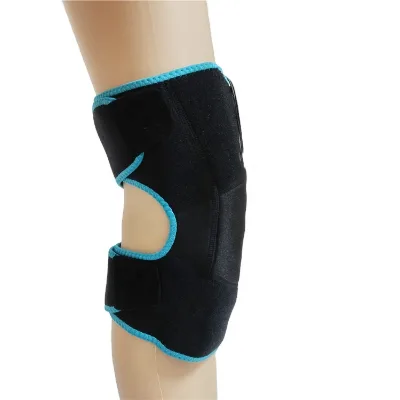
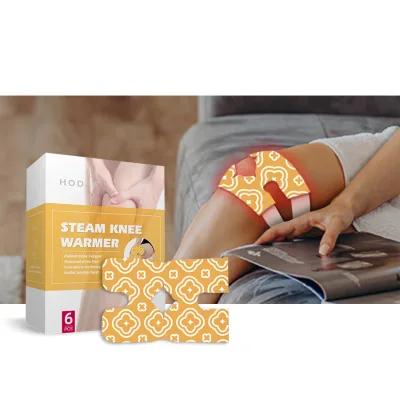
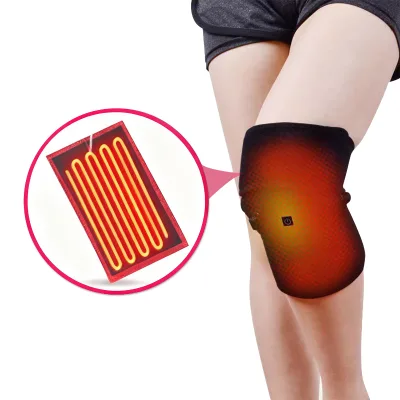
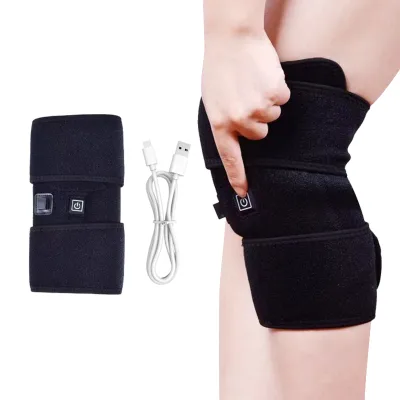
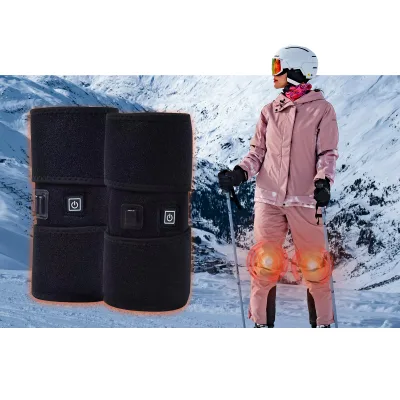
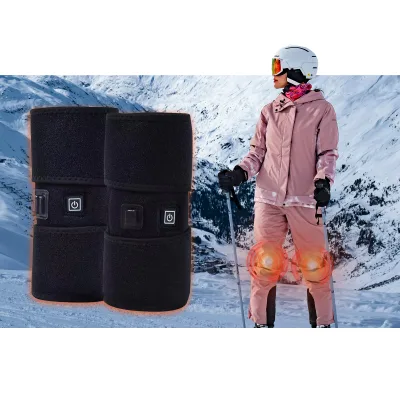


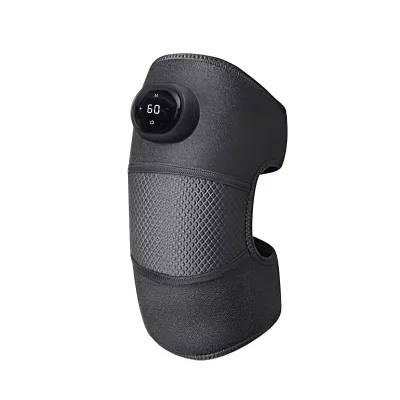
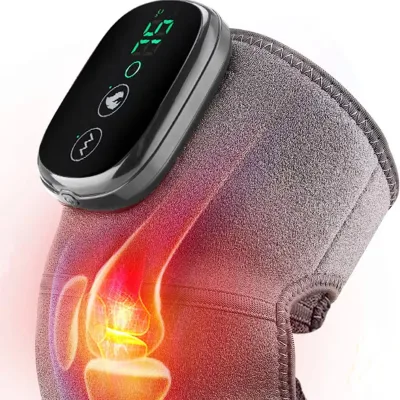
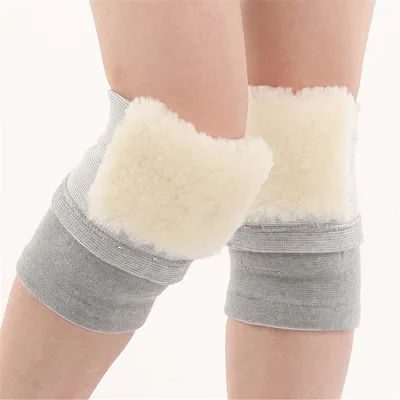


Long-Lasting Knee Heat Wrap Quick-Start Knee Warm Patch Heating Pad Pack
$0.28 - $0.50
MOQ: 50000 Pieces


Sports Knee Heating Patch Instant Heating Pad Pain Relief Warmer Pack Comfort
$0.06 - $0.12
MOQ: 20000 Pieces

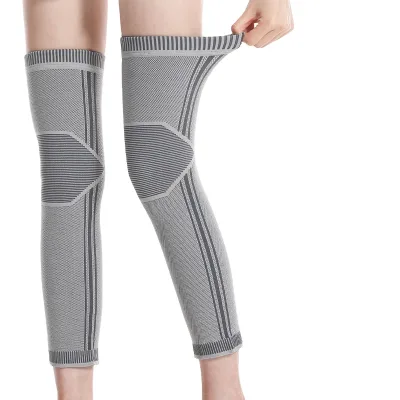


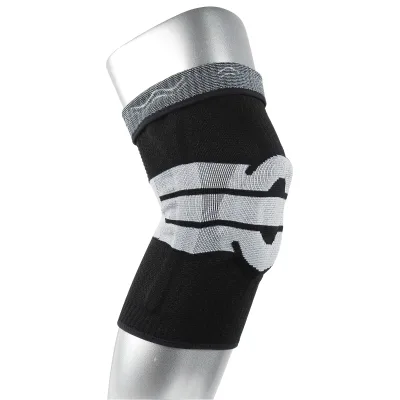


Self Heating Mugwort Pain Relief Warming Knee Elbow Patch Knee Warmer Heat
$0.42 - $0.52
MOQ: 3000 pieces

High Quality Customized Packaging Cold-Proof and Warm Steam Knee Warmer
$0.42 - $0.52
MOQ: 3000 pieces
Comprehensive Sourcing Guide
Heated Knee Wrap Sourcing Guide
The global market for heated knee wraps has expanded significantly as buyers seek non-invasive solutions for joint pain management and post-activity recovery. These devices are primarily designed for adult users requiring targeted thermal therapy to alleviate discomfort in the knee area. Procurement teams must recognize that while the core function remains consistent, the underlying technology varies between electric heating elements and passive heat-retention materials, necessitating a clear definition of the specific product type before engaging with suppliers.
Sourcing decisions for this category hinge on distinguishing between active electric units and passive herbal or fabric-based wraps. The observed product landscape includes items explicitly labeled as electric heated knee wraps with specific model numbers like SP-KW and AB-KN2001, alongside passive options utilizing materials such as SBR or herbal blends. Buyers must carefully align their procurement strategy with the intended application, whether it is for clinical pain relief requiring electrical components or for general warmth and support in personal care settings.
Product Scope and Observed Listing Signals
Buyers should first verify the specific application and functional claims associated with the listed products to ensure they match the intended use case. The available data indicates a split in product focus, with some listings explicitly targeting pain relief and others emphasizing general warmth or personal care. It is critical to confirm whether the product is designed for the knee specifically, as some observed listings mention heating areas for the palm or general body parts, which would be unsuitable for a knee-specific procurement order.
Material composition and physical dimensions are equally vital signals that define the product scope and suitability for the end-user. The market offers wraps constructed from diverse materials ranging from SBR and polyester-cotton blends to herbal infusions, each offering different thermal properties and durability profiles. Additionally, size variations are significant, with observed specifications ranging from compact 39x14 cm units to larger 58x21 cm wraps, requiring buyers to validate that the selected dimensions align with the target demographic's anatomical needs.
Technical Specifications to Verify
Technical due diligence must begin with the power source and heating mechanism, as this is the primary differentiator between product categories. For electric models, buyers must verify the presence of integrated heating elements and confirm that the device is not merely a passive wrap, as some listings explicitly state "Portable Chargers: No" while others imply electrical functionality. It is essential to confirm the voltage requirements and safety mechanisms for electric units, ensuring they are compatible with the destination market's electrical standards before finalizing any order.
Physical attributes such as thickness, weight, and packaging dimensions directly impact logistics costs and user comfort. The observed data highlights a range of thicknesses described as "Thick," which suggests enhanced insulation or padding, but buyers should request physical samples to verify the actual density and flexibility of the material. Furthermore, single package sizes vary considerably, from 35x20x5 cm to 58x21x3 cm, and the single gross weight can range from 0.100 kg to 1.000 kg, factors that will significantly influence shipping calculations and inventory planning.
Compliance and Safety Documentation
Regulatory compliance is a non-negotiable aspect of sourcing medical or therapeutic devices, particularly when the product claims pain relief functions. Buyers must demand valid Quality Certifications and specific safety documents such as CE and MSDS, which have been observed in some listings for this category. It is imperative to verify that the certification applies specifically to the model being purchased and covers the intended market, as "Other" certifications or generic claims do not guarantee compliance with local regulatory bodies.
Instrument classification and shelf life are additional critical safety parameters that require strict verification. Some products are classified as Class I instruments, indicating a specific level of medical device regulation, while others may have a defined shelf life of two years or be categorized differently. Procurement teams must ensure that the supplier provides clear documentation regarding the product's stability over time, especially for herbal-based wraps where the efficacy of the ingredients may degrade, and that the packaging protects the product from environmental factors during transit.
Cost Drivers and Commercial Terms
Pricing in this category is highly variable, driven by the complexity of the heating technology and the materials used in construction. The observed price range spans from $0.06 to $58, reflecting the difference between simple passive wraps and complex electric units with advanced control systems. Buyers should understand that lower price points often correlate with passive materials like SBR or basic fabric blends, while higher prices are associated with electric components, custom branding, and specialized packaging solutions.
Commercial terms such as Minimum Order Quantity (MOQ) and payment methods are significant factors in the total cost of ownership. The market shows a wide MOQ range from 1 to 50,000 units, allowing flexibility for both small startups and large distributors, but buyers must negotiate terms that align with their cash flow and inventory strategy. Payment terms like TT (Telegraphic Transfer) are common, and suppliers often offer customized packaging and logo services, which can add value but may also increase the unit cost depending on the complexity of the customization.
Supplier Qualification and Quality Control
Supplier qualification requires a thorough assessment of the manufacturing origin and the specific capabilities of the production facility. The observed data points to manufacturers located in regions such as Fujian and Hebei in China, which are known hubs for textile and medical device production. Buyers should verify the supplier's ability to handle OEM and ODM requests, as many listings indicate a willingness to provide private labeling and customized packaging, which is essential for building a distinct brand identity in the competitive healthcare market.
Quality control processes must be validated through sample testing and inspection of the production line. The availability of samples is a standard offering, allowing buyers to physically test the heating performance, material durability, and comfort of the wrap before committing to a bulk order. It is crucial to inspect the sample for consistency in stitching, the integrity of the heating elements if applicable, and the accuracy of the labeling, ensuring that the final mass-produced units will meet the same quality standards as the initial sample.
Long-Term Procurement Checks
Sustainable procurement requires ongoing monitoring of supplier performance and product consistency over time. Buyers should establish a protocol for periodic re-inspection of production batches to ensure that the material composition, such as the ratio of polyester to cotton or the quality of herbal ingredients, remains consistent with the initial agreement. Regular audits of the supplier's quality management system are necessary to prevent drift in product specifications that could lead to customer dissatisfaction or regulatory issues.
Market dynamics and regulatory changes necessitate a proactive approach to product lifecycle management. As the demand for personal care and pain relief solutions evolves, buyers must stay informed about new standards and certification requirements that may affect the product's eligibility in their target markets. Maintaining a relationship with the supplier that allows for rapid adaptation to these changes, such as updating packaging or adjusting material specifications, will ensure the long-term viability of the product line and protect the brand's reputation.
FAQs
What material is used for the Heated Knee Wrap?
The product is constructed from SBR material or a blend of polyester and cotton depending on the specific model. Some variants also incorporate herbs for additional therapeutic benefits. This ensures durability and comfort during pain relief applications.
Can I request a customized logo on the product?
Yes, customized logos are accepted for this electric Heated Knee Wrap. Buyers can also specify customized colors and packaging to match their brand identity. This service supports OEM and ODM private label requirements for bulk orders.
What is the minimum order quantity for this item?
The minimum order quantity ranges from 1 to 50,000 units depending on the supplier and specific product configuration. Buyers should verify the exact MOQ with the manufacturer as it varies across different listings and customization levels.
Which certifications does the Heated Knee Wrap hold?
The product holds CE and MSDS certifications to ensure safety and quality compliance. Some listings also mention other quality certifications. These documents verify that the device meets international standards for personal care and health care applications.
How long is the shelf life of the knee heating pad?
The shelf life is typically two years for the standard models available. Some specific product listings may indicate other shelf life durations. Buyers should check the specific product page for the exact expiration details before placing an order.
Where is the place of origin for these knee wraps?
The products originate from China, specifically from regions like Fujian and Hebei. These locations are known for manufacturing electric heated knee wraps and related health care devices. Buyers can expect consistent production capabilities from these established industrial hubs.
What is the single package size for the product?
The single package size varies by model, with dimensions such as 35x20x5 cm or 58x21x3 cm. The gross weight per unit is typically around 0.1 kg to 1.0 kg. These specifications help in calculating shipping costs and storage requirements.